Direct Answer: How to Dispose of a Lawn Mower
The disposal method depends on whether your mower works. Functional mowers should be donated to charities, schools, or community organizations—this extends the mower’s life and may qualify for a tax deduction. Non-functional mowers require draining fuel and oil (hazardous waste), then recycling through your municipality’s bulk waste pickup, a local scrap metal recycler, or a junk removal service. Check your local waste management website or call your city for free or low-cost curbside pickup options.
Assess Your Mower’s Condition First
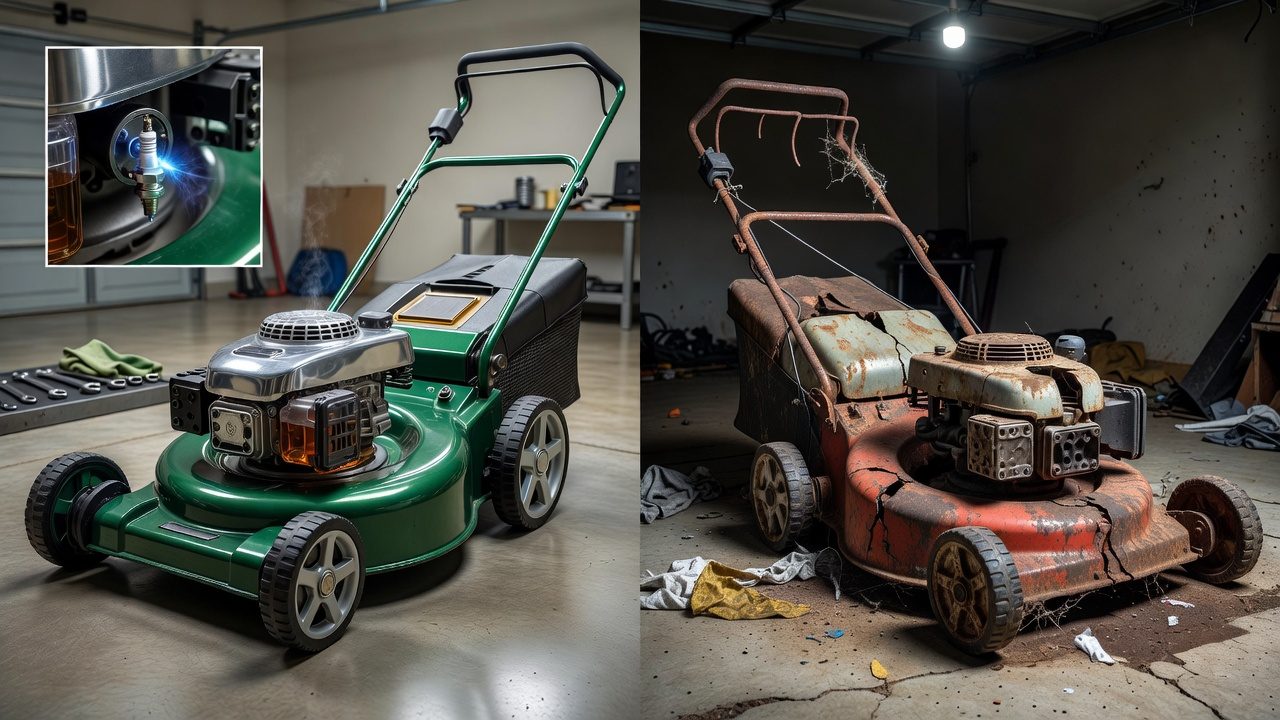
Before choosing a disposal method, determine whether your mower is salvageable:
- Functional mowers: Start reliably, cut grass effectively, and have no major engine or mechanical problems. These are candidates for donation.
- Non-functional mowers: Won’t start, have engine damage, missing parts, or severe rust. These need safe fuel/oil removal before recycling.
- Fuel type matters: Gas and diesel mowers require hazardous waste protocols. Electric and battery-powered mowers are safer to handle but may need battery removal.
Honest assessment saves time and ensures you choose the safest, most practical disposal path.
Option 1: Donate Your Functional Mower
If your mower runs, donation is the best first choice. It avoids landfill waste, helps others, and may provide a tax benefit.
Where to Donate
- Charities and nonprofits: Habitat for Humanity ReStores, Goodwill, The Salvation Army, and local community action agencies accept lawn equipment. Call ahead to confirm.
- Schools and community gardens: Contact local schools’ grounds departments, community gardens, or youth organizations that maintain outdoor spaces.
- Online marketplaces: Craigslist, Facebook Marketplace, and Nextdoor reach local buyers. Offer free pickup to increase interest.
- Landscaping companies: Local contractors may accept or pass along functional mowers to customers.
Tax Deduction Documentation
If donating to a qualified charity (501(c)(3) organization), you may deduct the fair market value of the mower. Keep donation receipts and photographs of the mower’s condition. The IRS allows deductions for equipment donations; consult IRS Publication 526 or a tax professional for eligibility in your situation.
Option 2: Prepare a Non-Functional Mower for Safe Disposal
Broken mowers contain hazardous materials—fuel and oil—that must be removed before recycling or disposal. Skipping this step can cause environmental contamination and pose safety risks.
Drain Fuel Safely
- Work outdoors or in a well-ventilated area away from ignition sources.
- Locate the fuel tank and fuel valve (usually on the bottom or side).
- Place a fuel-safe container beneath the valve and open it slowly.
- Allow all fuel to drain completely into the container.
- Close the valve and store fuel in a sealed, labeled container in a cool place away from children and pets.
Drain and Dispose of Oil
- Locate the oil drain plug (consult your mower’s manual if unsure).
- Position a drain pan beneath the plug and remove it carefully.
- Allow oil to drain fully into the pan.
- Replace the drain plug.
- Transfer old oil into a sealed, labeled container.
Hazardous Waste Disposal
Never pour fuel or oil down drains or into the ground. Instead:
- Contact your local waste management department to find hazardous waste collection events (many communities hold seasonal collections).
- Visit recycling centers or service stations that accept used oil and fuel.
- Check Earth911.com or your EPA regional office for certified hazardous waste facilities near you.
- Many retailers (AutoZone, Advance Auto Parts) accept used oil for free.
Battery and Electric Mower Considerations
For cordless electric mowers, remove and dispose of the battery separately at an electronics recycling center. Lithium-ion batteries cannot go in standard recycling or trash. Check your municipality’s e-waste program or visit Call2Recycle.org to find drop-off locations.
Option 3: Municipal Bulk Waste Pickup
Most U.S. municipalities offer free or low-cost bulk waste pickup for large items like lawn mowers. This is often the most accessible option.
How to Schedule Pickup
- Visit your city or county waste management website.
- Search for “bulk waste pickup” or “large item collection.”
- Many cities offer seasonal collections or year-round scheduling.
- Call the waste management department directly for details on size, weight, and scheduling limits.
- Place the mower at your curb on the designated collection day, following any preparation instructions.
Typical Requirements
- Mower must have fuel and oil drained (as described above).
- Most programs accept items up to 100-150 lbs.
- Pickup may be once per month or quarterly, depending on your area.
- Some cities charge $25–$50 per item or offer free curbside service.
Option 4: Scrap Metal Recycling
Lawn mowers contain valuable metals—aluminum, steel, and sometimes copper—that scrap recyclers accept. You may even receive a small payment based on current scrap metal prices.
Finding a Scrap Metal Recycler
- Search online for “scrap metal recycling near me” or “metal recyclers [your city].”
- Call ahead to confirm they accept lawn mowers and whether they require fuel/oil removal.
- Ask about payment rates for your mower’s size and condition.
- Some recyclers offer free pickup for large quantities; individual mowers may not qualify.
What to Expect
- Bring a government ID for documentation.
- Recyclers typically pay $20–$100 depending on mower size and current scrap metal prices.
- The facility handles fuel/oil removal if you haven’t already (though doing it yourself is safer).
- Processing time: same-day payment or within a few business days.
Option 5: Professional Junk Removal Services
If you lack transportation, time, or physical ability to handle the mower yourself, junk removal companies provide convenience at a cost.
Popular Services
- 1-800-GOT-JUNK: National franchise; typical cost $100–$300 per item or bulk rates.
- Local junk haulers: Often cheaper than national brands; search Yelp or Google for “junk removal [your city].”
- Moving companies: Some offer bulk item removal as add-ons.
What’s Included
- Pickup from your location.
- Safe fuel/oil disposal.
- Recycling or landfill disposal.
- No sorting required on your part.
Cost Considerations
Professional removal costs $100–$400 depending on service, location, and mower condition. This is worth considering if the mower is heavy, you lack transportation, or your time is limited. Some services donate functional mowers, reducing waste.
Finding Your Local Disposal Resources
Every municipality has different programs. Here’s how to find yours:
Step-by-Step Resource Search
- Start with your city/county website: Search “waste management,” “bulk waste,” or “disposal options.”
- Call the public works or waste management department: Ask specifically about lawn mower disposal and available programs.
- Use Earth911.com: Enter your zip code and “lawn mower” to find recycling facilities, scrap yards, and hazardous waste drop-offs.
- Check for seasonal events: Many communities host hazardous waste collection days in spring and fall.
- Contact local environmental agencies: Your state’s EPA regional office can provide disposal guidance.
Safety Warnings & Environmental Considerations
- Never burn fuel or oil: This creates air pollution and is illegal in most areas.
- Do not dispose of fuel/oil with regular trash: It contaminates groundwater and harms ecosystems.
- Wear gloves when handling old fuel and oil: Protective equipment prevents skin contact and chemical burns.
- Never mix fuel and oil: Store each in separate, labeled containers.
- Keep materials away from children and pets: Fuel and oil are toxic if ingested.
Frequently Asked Questions
Can I put a lawn mower in the trash?
No. Lawn mowers are too large for standard trash collection and contain hazardous materials (fuel, oil). Most municipalities prohibit trash disposal and offer free bulk waste pickup instead. Check your local rules; illegal disposal can result in fines.
How much will I be paid for a scrap mower?
Scrap yards typically pay $20–$100 for a lawn mower, depending on size, metal content, and current scrap prices. Call local recyclers for quotes. If the mower is still functional, donation or online sale will recover more value than scrap.
Do I have to drain fuel before recycling?
Yes, for your safety and the recycler’s. Most municipalities and recycling centers require fuel and oil removal before acceptance. Leaving fuel in the mower creates fire and explosion risks during transport and processing. Drain it yourself or ask the facility if they handle it.
What’s the difference between bulk waste pickup and scrap recycling?
Bulk waste pickup is a municipal service (often free or low-cost) for large items; they haul the mower to a landfill or recycling facility. Scrap metal recycling recovers valuable metals and may pay you. For non-functional mowers, bulk pickup is simpler; for valuable older machines, scrap recycling may offer better value.
Is an electric lawn mower easier to dispose of?
Somewhat. Electric mowers don’t require fuel or oil draining, reducing hazardous waste handling. However, the battery must be removed and recycled separately at an e-waste facility. Overall disposal is similar in difficulty; check for local e-waste programs.