

When to Start Mowing: The Direct Answer
Start mowing your lawn when soil temperature reaches 55 to 60°F for cool-season grasses or 60 to 70°F for warm-season grasses, and grass height exceeds 3 to 4 inches. For most of the northern U.S., this occurs in mid-to-late spring (April-May); for southern regions, late winter to early spring (February-March). Always check your specific USDA hardiness zone and grass type, as timing varies significantly by location and climate.
Understanding Lawn Mowing Seasons: Cool-Season vs. Warm-Season Grasses
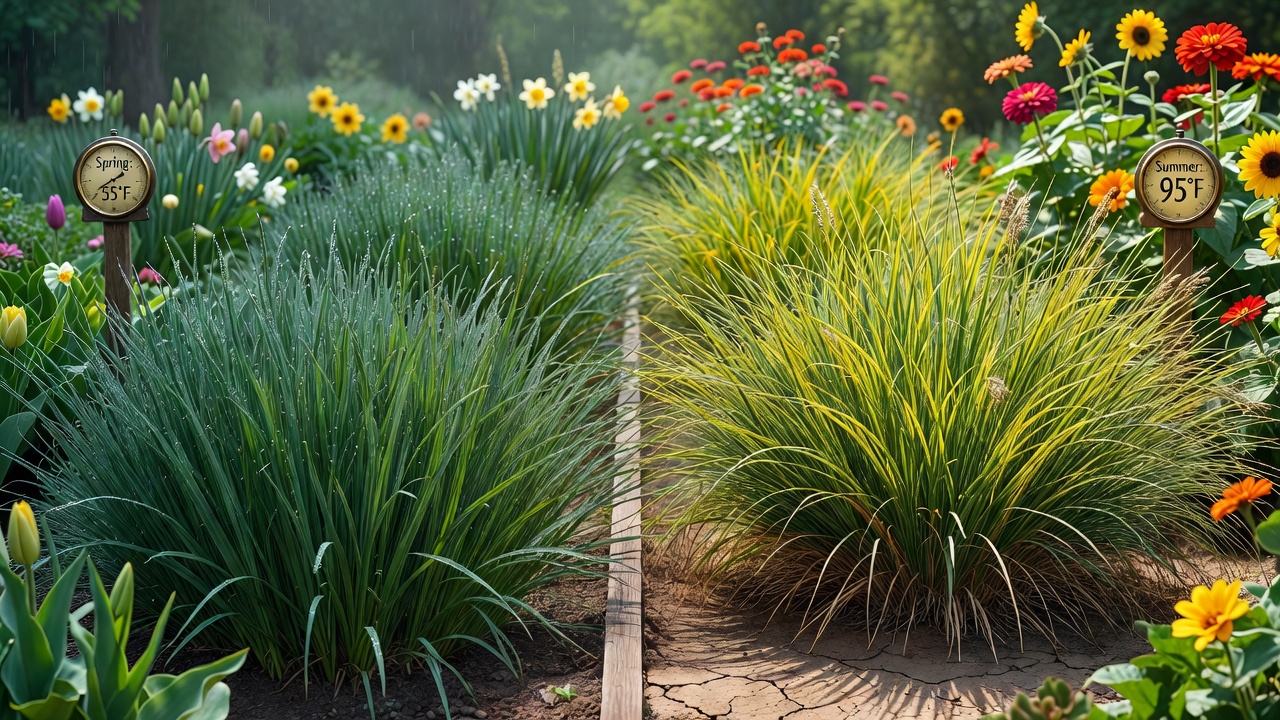
The timing of your first mow depends primarily on what type of grass grows in your lawn. Cool-season and warm-season grasses have opposite dormancy cycles, which means they respond to temperature cues at different times of year.
Cool-season grasses (such as fescue, bluegrass, and perennial ryegrass) thrive in northern climates and grow most actively in spring and fall. They go dormant or slow growth during hot summers and cold winters. These grasses are ready to mow when spring soil temperatures reach 55 to 60°F and grass height reaches 3 to 4 inches.
Warm-season grasses (such as Bermuda, zoysia, and St. Augustine) thrive in southern and tropical climates and grow most actively in summer. They go dormant and turn brown during cold winters. These grasses require warmer soil temperatures of 60 to 70°F before they begin active spring growth and are ready to mow.
Transition zone grasses are mixtures of both types and are used in regions between the North and South (roughly USDA zones 6 to 7). These lawns may require two mowing start dates: one for cool-season activity in spring and another for warm-season activity later in spring or early summer.
Key Indicators Your Lawn Is Ready to Mow
Beyond soil temperature, several physical and environmental signals indicate that your lawn is ready for its first mow of the season:
- Soil temperature above the threshold: Use a soil thermometer to check ground temperature at a 4-inch depth. This is more reliable than air temperature, which can fluctuate daily.
- Grass height of 3 to 4 inches: Your lawn should be noticeably taller than it was during dormancy. A good rule of thumb: if you can’t easily see the soil between grass blades, it’s likely ready to cut.
- Active green growth: Grass should be actively greening up and not pale, thin, or patchy. Mowing partially dormant grass can stress the plant.
- Visible moisture in soil: Spring soil should feel somewhat moist from winter snow or rain, not dry or compacted. Mowing on extremely dry soil can damage the turf.
- No frost on grass: Wait until morning frost has disappeared regularly. Mowing frost-covered grass can damage blade tips.
Seasonal Mowing Timeline by U.S. Region
Use this regional guide to narrow down when to expect your lawn to be mowing-ready: When planning workspace deployment, consider the engineering criteria outlined in our z890 vs x870e motherboard guide.
| Region | USDA Zones | Grass Type | Typical Start Month | Soil Temperature Guide |
|---|---|---|---|---|
| Northern U.S. (Northeast, Upper Midwest, Pacific Northwest) | 3 to 5 | Cool-season | Late April-May | 55 to 60°F (late April-early May) |
| Mid-Atlantic & Upper South | 6 to 7 | Transition/Mixed | Mid-April-early May | 55 to 60°F for cool-season (mid-April); 60 to 70°F for warm-season (late April-May) |
| Southern U.S. (Deep South, Southeast) | 8 to 9 | Warm-season | February-March | 60 to 70°F (February-early March) |
| Southwest (Desert climates) | 9 to 10 | Warm-season or drought-tolerant | January-February | 60 to 70°F (January-February); may resume fall mowing in October-November |
Northern regions: Cool-season lawns typically need their first mow in late April or May. Soil temperatures in these areas often don’t reliably reach 55 to 60°F until mid-to-late spring.
Transition zones: These regions may see two distinct mowing seasons. Cool-season grasses may be ready in mid-April, while warm-season component grasses won’t actively grow until late April or May. For additional operational safety benchmarks, see our published testing notes on marshall stanmore iii vs harman kardon onyx studio 8.
Southern regions: Warm-season lawns may be ready to mow as early as February or March when soil temperatures reach 60 to 70°F. Some warm-season grasses begin greening up by mid-February.
Step-by-Step: Preparing for Your First Spring Mow
Before you start mowing, take time to prepare your equipment and lawn to ensure a healthy cut: To compare alternative configurations, check our hands-on review of dyson v8 cyclone vs bissell featherweight stick.
- Check the mower blade: Inspect the blade for dullness, rust, or damage. A dull blade tears grass instead of cutting it cleanly, leading to brown, stressed tips. Sharpen or replace the blade if needed.
- Change the oil and filter: If your mower sat all winter, change the oil and air filter. Old oil can damage the engine when you restart it after months of dormancy.
- Check spark plugs and fuel: Replace the spark plug if it’s corroded or worn. Use fresh gasoline (old fuel can gum up the carburetor). Consider fuel stabilizer for equipment that will sit for extended periods.
- Inspect the deck and undercarriage: Look for rust, debris buildup, or bent parts. Clean the deck thoroughly to prevent rust and ensure even cutting.
- Test the mower on a small area: Run the mower on a low-traffic part of your lawn to check for vibrations, unusual noises, or uneven cutting before mowing the entire lawn.
- Set the correct mowing height: For the first cut of spring, raise the blade slightly higher than your normal summer mowing height. This helps prevent scalping (cutting too close to the soil), which stresses newly active grass.
- Remove debris from the lawn: Pick up large sticks, stones, and winter debris before mowing. These can damage the blade or become projectiles.
First Mow Best Practices
Mow at a higher setting: For cool-season grasses, set your blade to cut at 2.5 to 3 inches for the first mow (slightly higher than mid-summer height of 2 to 2.5 inches). For warm-season grasses, cut at 1.5 to 2.5 inches depending on the specific type. Mowing too short too early stresses emerging growth.
Avoid wet grass: Don’t mow if the lawn is wet from rain, dew, or irrigation. Wet grass clumps, clogs the mower deck, and compacts soil. Wait for the grass to dry (usually by mid-morning). Users looking for related component recommendations can explore our bissell crosswave hydrosteam vs shark stainforce breakdown.
Mow only after consistent growth: If you see one week of green growth followed by a frost, wait. Repeated frost cycles can damage actively growing grass. Mow only after several days of consistent, warm temperatures.
Don’t bag clippings if thick: If you’re mowing after a long dormancy and the blade is set high, grass clippings may be long and clump. Consider mulching clippings back into the lawn or bagging them if they’re excessive to prevent thatch buildup.
Common Mistakes to Avoid When Starting Lawn Mowing Season
Mowing too early: The biggest mistake is mowing before soil temperatures reach the appropriate threshold. Mowing dormant or partially dormant grass stresses the plant and can thin the lawn by removing leaves the plant needs for photosynthesis. This is especially damaging for cool-season grasses if an unexpected frost follows an early mow.
Cutting too short: The “scalping” effect, cutting grass too close to the soil during the first mow, weakens the plant, invites weeds, and can cause brown patches. Always mow high for the first cut.
Mowing wet grass: Wet grass doesn’t cut cleanly; instead, it tears and compacts. This stresses the plant and promotes fungal diseases. Always wait until grass is dry.
Using a dull blade: A dull blade shreds grass tips, creating brown, jagged edges that are entry points for disease. Sharpen your blade before the season starts and every 8 to 10 mowing sessions.
Ignoring weather patterns: A single warm spell doesn’t mean your lawn is ready. Wait for consistent warm temperatures and stable soil conditions before the first mow. One unexpected frost after an early mow can set your lawn back significantly.
Forgetting mower maintenance: Winter storage can damage mower engines if fuel sits stale or oil isn’t fresh. Perform basic maintenance before starting the season to avoid mid-season breakdowns.
Regional Quick-Start Checklist
If you live in zones 3 to 5 (North): Watch for soil temperatures to reach 55 to 60°F in late April or early May. Grass should be visibly growing and reach 3 to 4 inches before the first cut. Check the weather forecast for at least 5 to 7 days of warm temperatures.
If you live in zones 6 to 7 (Transition): You may have two start dates. Check cool-season grass readiness in mid-April and warm-season grass readiness in late April or May. A soil thermometer is especially helpful in these zones.
If you live in zones 8 to 10 (South/Southwest): Warm-season grasses may be ready by February or March. Some southern lawns can transition into a fall mowing season by October-November when warm-season grasses slow growth and cool-season grasses (if present) start to grow.
Buyer FAQs: When To Start Mowing Lawn Solved
Q: What if I mow my lawn too early in spring?
Mowing dormant or partially dormant grass removes leaf tissue the plant needs for energy production. This stresses the grass, slows its recovery, and can cause thin or brown patches. If an unexpected frost occurs after an early mow, damage can be severe. Always wait for consistent warm temperatures and active growth.
Q: Should I mow if there’s still frost on the grass?
No. Frost causes grass blades to become brittle and prone to breaking and browning. Wait until morning frost has melted and doesn’t appear for several consecutive days before mowing. Typically, mid-to-late morning (after 10 a.m.) is safe once frost is no longer present.
Q: How do I know my soil temperature without a thermometer?
While a soil thermometer is the most accurate method, you can estimate based on when forsythia bushes bloom (typically early April in cool zones, suggesting soil is warming) or when spring-flowering bulbs are fully emerged. For a more reliable estimate, check your local Extension office’s soil temperature data, many U.S. regions publish daily soil temperature updates in spring.
Q: Is it okay to mow the same day as watering or rain?
No. Mow only after the grass has dried from rain or irrigation, typically by mid-morning the day after rain. Wet grass is slippery (safety hazard), clumps in the mower deck, compacts soil, and may not cut evenly, leaving ragged edges that invite disease.
Q: How often should I mow once the season starts?
Once active growth begins, mow when grass reaches one-third taller than your target height. For most cool-season lawns, this means mowing every 7 to 10 days in spring and fall, and every 10 to 14 days in summer (since growth slows). For warm-season lawns, mow every 7 to 10 days during peak summer growth. The “one-third rule” prevents stress and promotes a healthier lawn.
Technical Standards and Compliance
Mechanical safety standards, operational tolerances, and protective gear guidelines align with benchmark specifications established by the American National Standards Institute (ANSI).









