

The Short Answer: Are New Blades Ready Out of the Box?
No, new mower blades do not typically need sharpened before first use. Most manufacturers ship blades with a factory edge that is sharp enough for immediate installation and mowing. However, this is not a universal guarantee. Quality control, shipping conditions, and blade type can introduce variables. A quick inspection is always recommended to ensure your specific blade is ready.
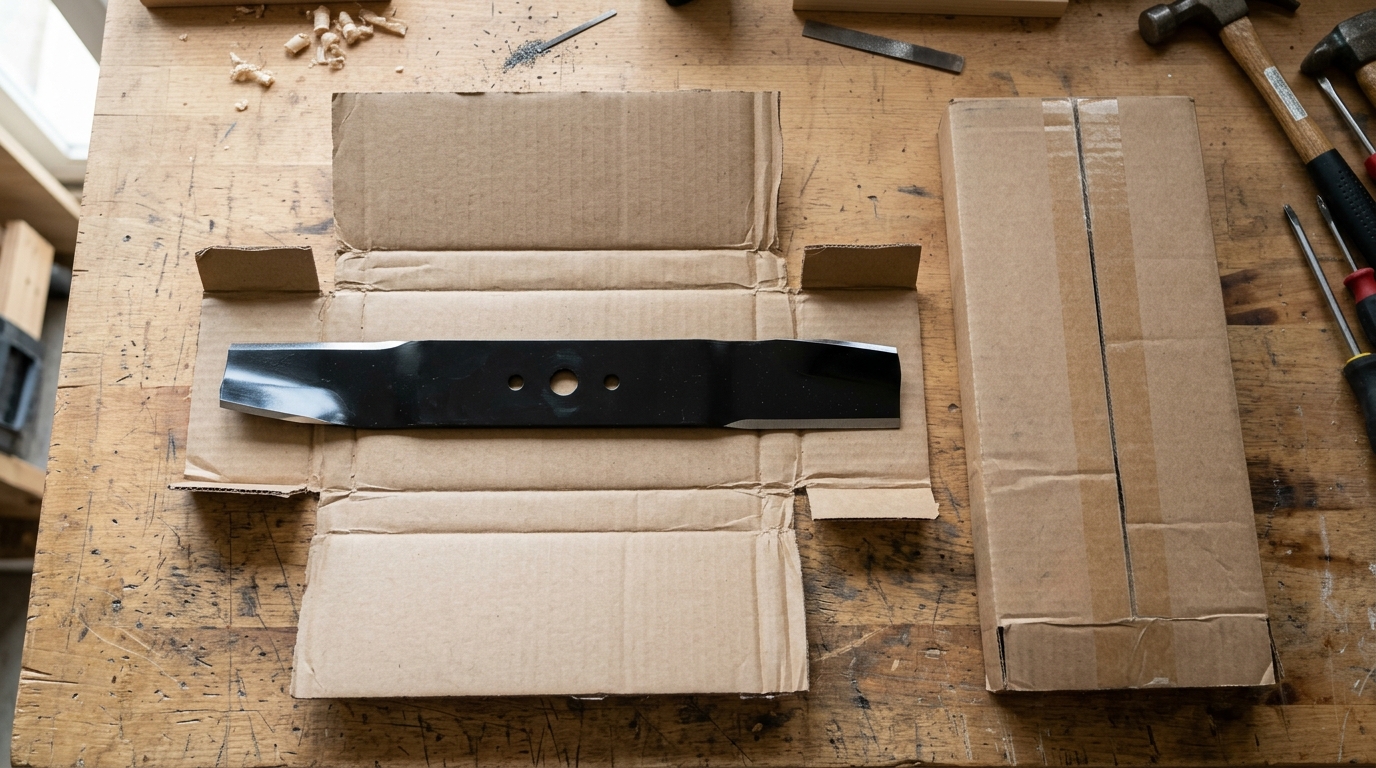
The core reason is efficiency and consumer convenience. Manufacturers use industrial sharpening processes to prepare blades in bulk, aiming for a product that works right out of the package. While this factory edge is functional, it may differ from a custom, hand-sharpened edge in feel and appearance.
How Manufacturers Prepare New Blades at the Factory
Understanding the factory process helps explain why new blades are generally ready to use and why their edges might look different than you expect.

Pros
- Large-size design named in product title
- Sharpening and balancing functions listed
- Listed as a new upgraded version

Pros
- Adjustable 15-to-45-degree range in title
- Sharpening and balancing functions listed
Pros
- Includes replacement gaskets and a 98079-55846 spark plug
- Matches Honda HRR216 and HRS216 lawn mower models
- Designed around the 16100-Z8B-901 carburetor specification
Cons
- Restricted to select Honda GCV160 mower applications
- Installation requires basic mechanical tools and skills
- Industrial Sharpening: Blades are typically sharpened on automated grinding lines or large bench grinders. This process quickly establishes the correct bevel angle on both cutting edges.
- Protective Coatings: Many new blades come with a paint or powder coating to prevent rust. This coating may slightly dull the very tip of the edge, but it is usually thin enough not to impede cutting performance.
- Quality Variance: The sharpness of the factory edge can vary between manufacturers and even between different price points for the same brand. Premium blades often receive a more refined edge.
Key Factors to Consider Before Sharpening a New Blade
Before you reach for a sharpening stone, consider these factors that might influence whether your new blade truly needs an extra touch-up.
- Manufacturer and Price Point: Blades from major OEMs (Original Equipment Manufacturers) are generally reliable. Very low-cost, aftermarket blades may have less consistent quality control and could arrive duller.
- Shipping and Handling: Blades can be damaged in transit. A bent blade is a serious issue, but even minor impacts can create nicks or burrs on the cutting edge.
- Blade Type: Standard high-lift or mulching blades are usually well-prepared. Specialized blades, like those for bagging or specific terrain, might have different factory edge standards.
How to Inspect a New Blade: A Simple Step-by-Step Check
You can perform a safe, quick inspection to confirm your blade’s condition before installation.
- Visual Check: Hold the blade under good light. Look for a consistent, shiny line along both cutting edges. Check for any visible nicks, deep scratches, or uneven spots.
- Careful Touch Test: SAFETY FIRST: Wear work gloves. Gently run a gloved finger across (not along) the edge. You should feel a defined, sharp corner. A completely smooth or rounded edge indicates it is dull.
- Look for Burrs: A burr is a tiny, rough flap of metal left from the grinding process. It may feel rough when you run your finger across the edge. Minor burrs can often be removed with a fine file or sharpening stone.
- Check for Coating: If the blade is heavily painted, you can carefully scrape a small section of the edge with a fingernail to see the bare metal. The coating itself rarely needs removal.
When Sharpening Actually Becomes Necessary
The confusion often arises from mixing up first-use readiness with ongoing maintenance. Sharpening becomes necessary after the blade has been used and has dulled from contact with grass, dirt, and debris. For broader ecosystem context, read through our operational guide on z890 vs x870e motherboard.
- After Use: A general rule is to inspect and possibly sharpen blades every 20-25 hours of mowing or at least once per season for regular residential use.
- Symptoms of Dull Blades: Look for grass tips that appear ragged, torn, or browned a few days after mowing. The mower may also vibrate more or require more power.
- Maintaining vs. Initial Edge: The factory edge is for initial use. Sharpening later is about restoring that edge to maintain a clean cut, which is crucial for lawn health.
Step-by-Step: Preparing Your New Blades for the First Mow
Follow these steps for a safe and effective first installation.
- Unbox and Inspect: Perform the visual and touch inspection described above.
- Optional Touch-Up: If you find minor burrs or want a slightly keener edge, use a flat sharpening stone or a fine mill file. Follow the existing bevel angle (usually 30-45 degrees). A few light strokes are sufficient.
- Balance the Blade: Even new blades should be checked for balance. An unbalanced blade causes dangerous vibration. Use a blade balancer or hang the blade on a nail to see if it tilts to one side. If it does, file a small amount from the heavy side.
- Clean the Mounting Area: Ensure the mower’s blade adapter and bolt area are clean of old grass and debris for a secure fit.
- Install Securely: Follow your mower’s manual for proper torque specifications when tightening the blade bolt.
Frequently Asked Questions About Do New Mower Blades Need Sharpened
Can I install a new blade and mow right away?
Yes, in most cases. If your visual and touch inspection shows a consistent, sharp edge with no significant damage, the blade is ready for immediate use. The factory edge is designed for this purpose. For troubleshooting and reliability insights, consult our in-depth marshall stanmore iii vs harman kardon onyx studio 8 report.
What does a properly sharpened new blade look and feel like?
It will have a clean, shiny bevel along the entire cutting edge. When carefully touched (with gloves), it should feel sharp and defined, not smooth or rounded. Both cutting edges should look symmetrical.
What is the difference between a pre-sharpened blade and a hand-sharpened one?
A factory edge is optimized for speed and consistency in mass production. A hand-sharpened edge, done with care, can be more precise and tailored to your preference, but the functional difference for typical mowing is often minimal. The key is that both are sharp. Readers comparing setup options can review our technical analysis on dyson v8 cyclone vs bissell featherweight stick.
Why do some people say new blades need sharpening?
This often stems from a few experiences: receiving a blade with poor quality control, encountering a blade with a heavy protective coating, or simply preferring to start with a personally verified, ultra-sharp edge. It is a precautionary step some enthusiasts take, but not a universal requirement.
Related Maintenance and Operating Guides
To keep your equipment running at peak operating efficiency, explore our related technical walkthroughs and maintenance tutorials:
- Consult our detailed breakdown on residential zero-turn lawn mower guide.
Technical Standards and Compliance
Mechanical safety standards, operational tolerances, and protective gear guidelines align with benchmark specifications established by the American National Standards Institute (ANSI).









