Quick Answer: Sharpen riding lawn mower blades by disconnecting the spark plug wires, removing the blades with a socket wrench, and filing the cutting edge at a 30–45 degree angle using a metal file or angle grinder. Remove equal amounts from both blades to maintain balance, then reinstall them in their original positions. Blades typically need sharpening every 20–40 hours of mowing.
Safety Precautions Before Starting
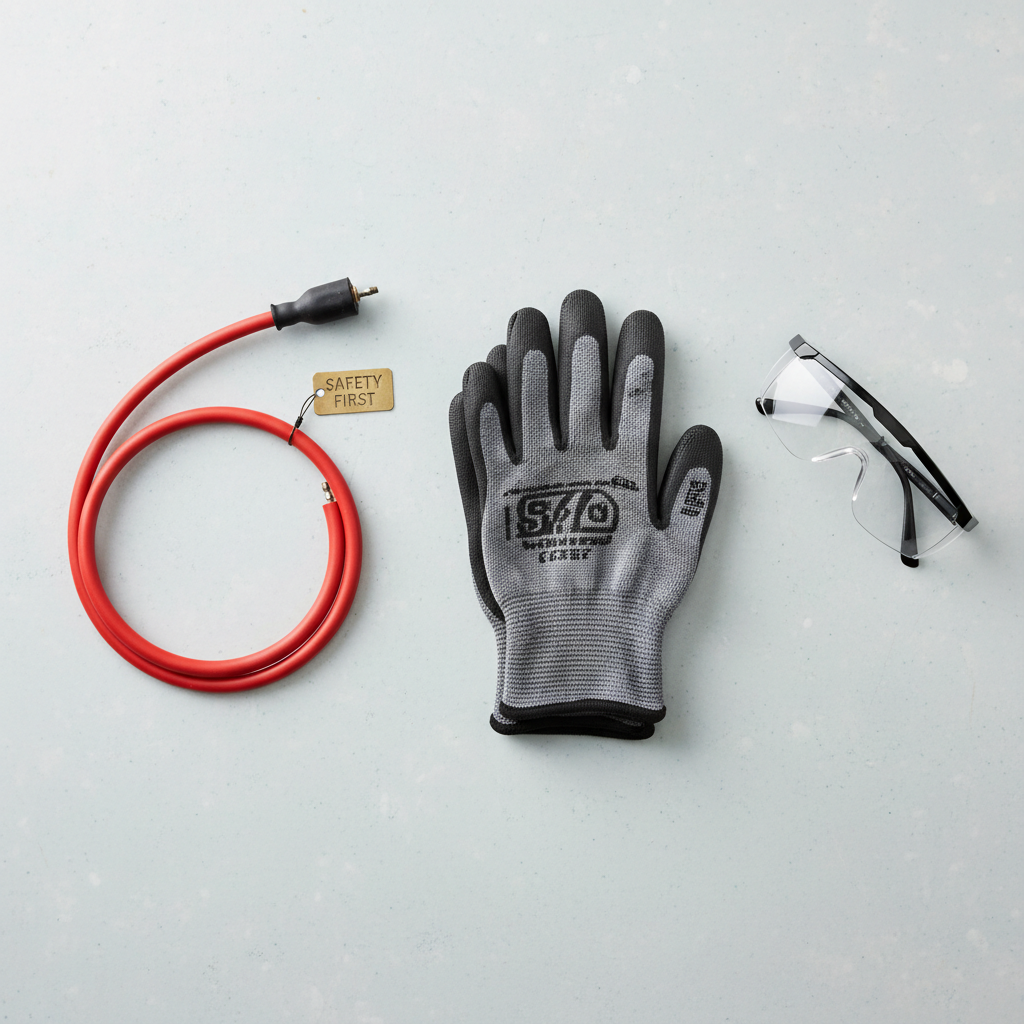
Working on mower blades requires strict safety protocols to prevent serious injury. The most critical step is disconnecting the spark plug wires before any maintenance—this prevents accidental engine start while your hands are near moving parts.
- Disconnect spark plug wires: Remove the wires from both spark plugs to disable ignition completely.
- Wear cut-resistant gloves: Mower blades are extremely sharp; heavy-duty work gloves protect against lacerations.
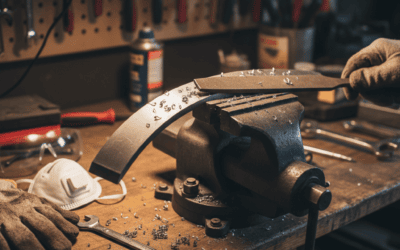
- Use eye protection: Safety glasses shield your eyes from metal filings and sparks when using an angle grinder.
- Secure the mower: Place the mower on level ground and engage the parking brake. Never work under a mower supported only by a jack.
- Work in daylight: Adequate lighting prevents mistakes and helps you spot blade damage more accurately.
- Allow the engine to cool: Wait at least 30 minutes after running the mower before touching the blades or deck.
Understanding Your Mower Blades
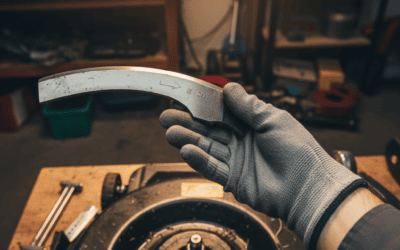
Before sharpening, assess whether your blades can be safely sharpened or need replacement. Dull blades tear grass rather than cut it cleanly, weakening the lawn and inviting disease. However, damaged blades should never be sharpened.
Signs that blades need sharpening:
- Grass appears ragged or frayed after mowing rather than cleanly cut
- Mower leaves brown or tan tips on the lawn
- You need to make multiple passes over the same area
- The mower vibrates more than usual during operation
When to replace blades instead:
- Visible cracks or breaks in the blade
- Severe bending or warping that won’t straighten
- Chunks missing from the cutting edge
- Blade thickness worn below the manufacturer’s minimum specification (typically 3/16 inch)
- Deep rust or pitting that compromises structural integrity
Tools and Materials You’ll Need
Successful blade sharpening requires the right equipment. You don’t need specialized machinery—basic shop tools work well for most homeowners.
| Tool/Material | Purpose | Notes |
|---|---|---|
| Socket wrench set | Blade removal and installation | Size depends on your mower; typically 9/16″ or 5/8″ |
| Metal file (bastard cut) | Primary sharpening method | 10–12 inch mill file works well for most blades |
| Angle grinder (optional) | Faster sharpening alternative | Requires more skill; risk of overheating the blade |
| Cut-resistant gloves | Hand protection | Essential safety equipment |
| Safety glasses | Eye protection | Protects against filings and sparks |
| Blade balancer or wooden dowel | Verify blade balance | DIY option: hang blade on a dowel or nail |
| Marker or paint pen | Mark blade orientation | Prevents reinstallation errors |
| Torque wrench | Proper fastener tightness | Optional but recommended for accuracy |
Removing the Blades Safely
Proper blade removal prevents damage to both the blades and your mower deck. Most riding mowers have two or more blades mounted on a rotating deck beneath the mower.
Step-by-step removal process:
- Tip the mower safely: On most models, tip the mower on its side (air filter side up to prevent oil leakage into the engine). Secure it so it doesn’t roll.
- Mark blade positions: Use a marker or paint pen to mark the top side of each blade and the deck. This prevents reinstalling blades upside down or in the wrong position.
- Secure the blade: Hold the blade steady with a block of wood or your gloved hand to prevent it from spinning. Do not use your bare hand.
- Loosen the fastener: Use the correct socket size and turn counterclockwise. The bolt may be tight; apply steady pressure rather than forcing it.
- Remove the blade: Once loose, carefully lift the blade away. Place it on a clean work surface.
- Repeat for additional blades: Most riding mowers have two blades; some larger models have three or more.
Sharpening Technique: Angle, Motion, and Method
The sharpening angle is critical for both cutting performance and safety. Most mower blades should be sharpened at a 30–45 degree angle measured from the top surface of the blade. This angle preserves the blade’s strength while maintaining a sharp edge.
Filing method (recommended for beginners):
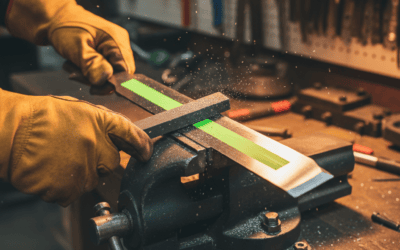
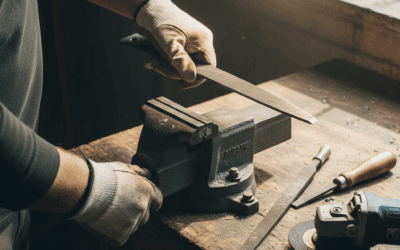
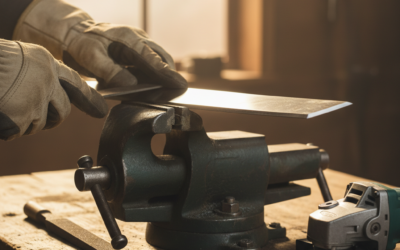
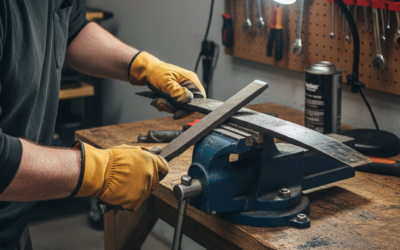
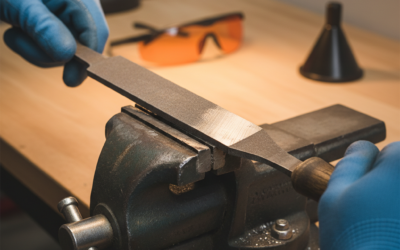
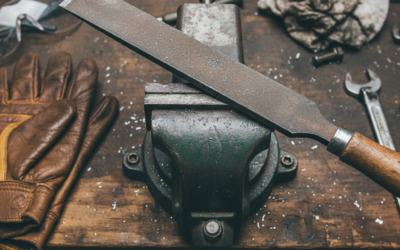
- Secure the blade: Clamp the blade in a vise with the cutting edge facing up and accessible.
- Position the file: Hold the metal file at a 30–45 degree angle to the blade’s top surface. Align the file along the blade’s length.
- File in one direction: Push the file forward along the blade edge using moderate pressure. Lift the file on the return stroke without applying force.
- Maintain consistent strokes: Make 10–15 passes along the same edge, maintaining the angle throughout.
- File the opposite end: Move the blade and sharpen the other cutting end with the same number of strokes.
- Remove equal amounts: This is essential for blade balance. Count your file strokes and repeat the exact number on the opposite end.
- Check progress: Run your thumb lightly along the edge (perpendicular to it) to feel for sharpness. Stop when the edge feels uniformly sharp.
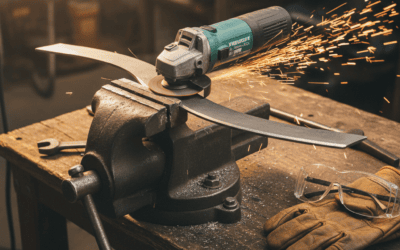
Angle grinder method (faster but requires care):
- Use a metal grinding wheel appropriate for steel blades
- Wear full face protection and heavy gloves
- Maintain the 30–45 degree angle against the rotating wheel
- Use light pressure to avoid overheating the blade edge
- Stop frequently to check the blade’s heat; it should not turn blue
- Allow the blade to cool between passes
How much metal to remove: You only need to restore the cutting edge, not remove a large amount of material. Typically, 2–4 passes with a file per side is sufficient for maintenance sharpening. Heavy sharpening (more than 10 passes) suggests the blade is severely dull and may need replacement.
Balancing Blades for Proper Operation
Unbalanced blades cause significant vibration, which stresses the mower’s engine, bearings, and deck. Worse, excessive vibration can cause personal injury to the operator. Balance is as important as sharpness.
Why balance matters: When you remove more material from one end of the blade than the other during sharpening, the blade becomes heavier on one side. This imbalance forces the mower deck to work harder and creates dangerous vibration.
Checking blade balance:
- Hang the blade: Balance the blade on a nail, dowel, or specialized blade balancer so it pivots freely around its center hole.
- Observe the movement: A balanced blade stays level. An unbalanced blade tilts down on the heavier end.
- Correct imbalance: If one side is heavier, file a few additional strokes on that end to remove more material and lighten it.
- Retest: Recheck balance after each adjustment until the blade stays level.
Reinstalling and Testing Your Blades
Proper reinstallation ensures safe operation and prevents damage to the blade and mower.
- Align the blade: Match the blade to the position marks you made during removal. The blade’s top surface should face the same direction as before.
- Insert and hand-tighten: Slide the blade onto its spindle and hand-tighten the bolt to hold it in place.
- Secure the blade: Use the socket wrench to tighten the bolt firmly. Most mower blades require 30–90 ft-lbs of torque; check your manual for the exact specification.
- Use a torque wrench if possible: This ensures fasteners are tight enough for safety but not so tight that they crack.
- Reinstall the spark plug wires: Once all blades are secure, reconnect the spark plug wires to the spark plugs.
- Test the mower: Start the engine and run it at idle for a few seconds to verify smooth operation. Listen for unusual vibration or noise. If vibration is excessive, turn off the engine and recheck blade balance.
Maintenance Schedule and When to Seek Professional Help
Typical sharpening intervals: Mower blades typically need sharpening every 20–40 hours of mowing, depending on your lawn’s condition. Yards with dense, thick grass require more frequent sharpening than sparse lawns. Sandy soil dulls blades faster than clay or loam.
Keep track of hours: Most modern mowers display engine hours. Note the hour meter reading when you sharpen, then set a reminder to sharpen again at the appropriate interval.
When to seek professional sharpening:
- You’re uncomfortable working on the mower yourself
- Blades are severely damaged or warped
- Your mower has specialty blade designs (mulching blades, high-lift blades) that require specific sharpening angles
- You lack a vise or secure way to hold the blade during sharpening
- Professional sharpening services are affordable in your area
Blade replacement timeline: Most riding mower blades last 300–500 hours before they’re too worn to sharpen effectively. At that point, replacement is more economical than sharpening. Quality replacement blades typically cost $15–$40 per blade.
Frequently Asked Questions
How often should I sharpen my riding mower blades?
Sharpen blades every 20–40 hours of mowing, or whenever grass appears ragged after cutting. If you mow twice weekly during growing season, sharpen every 2–4 weeks. The exact interval depends on grass type, soil composition, and lawn size. Keep a maintenance log noting the hour meter when you sharpen.
Can I sharpen mulching blades the same way as standard blades?
Mulching blades have curved or specialty edges designed to lift and process grass clippings finely. They should be sharpened at the angle specified in your mower’s manual, which may differ from the standard 30–45 degrees. If unsure, consult your manual or ask a professional sharpening service about your blade type.
What’s the difference between filing and using an angle grinder?
Filing is slower but safer for beginners because it gives you precise control over the angle and amount of material removed. Angle grinders are faster but require experience to avoid overheating the blade or altering its structure. Overheated steel can become brittle and fail during use. For most homeowners, filing is the better choice.
What happens if I don’t balance my blades after sharpening?
Unbalanced blades create severe vibration that damages the mower’s engine bearings, spindle bearings, and deck over time. Vibration also transfers to the operator, causing fatigue and potential injury. In extreme cases, unbalanced blades can break or separate during operation, creating a safety hazard. Always check balance after sharpening.