The Short Answer: What Is the Best Electric Lawn Mower?
The best electric lawn mower is the one that matches your yard size, terrain, and budget. For most homeowners with a lawn up to a quarter-acre, a cordless 56V–60V self-propelled mower with a brushless motor and at least a 5.0Ah battery delivers the best balance of cutting power, runtime, and convenience. If your yard is under 5,000 square feet and flat, a corded or lightweight cordless model will save you money without sacrificing results. For yards over a half-acre, plan on a high-voltage (80V+) platform or a dual-battery system so you can finish the job on a single charge.
What Does “Best” Actually Mean for an Electric Lawn Mower?
Ask five homeowners which electric mower is best and you will likely get five different answers. That is not because reviewers disagree — it is because “best” is conditional. A mower that excels on a flat 2,000-square-foot city lot would feel underpowered on a hilly half-acre, and a heavy self-propelled machine that glides through thick grass is overkill for a tiny, well-kept lawn.
Before you compare models, define your own requirements. Four factors matter more than any brand name:
- Yard size: Determines the battery capacity, voltage, and deck width you need.
- Terrain: Hills and uneven ground make self-propelled drive nearly essential.
- Cord preference: Corded mowers are cheaper and never run out of power, but the cord limits your range.
- Budget: Price tiers buy different levels of power, build quality, and battery capacity.
Once you know where you stand on each factor, the field narrows dramatically — and the “best” mower for you becomes obvious.
Corded vs. Cordless Electric Mowers: Which Type Is Right for You?
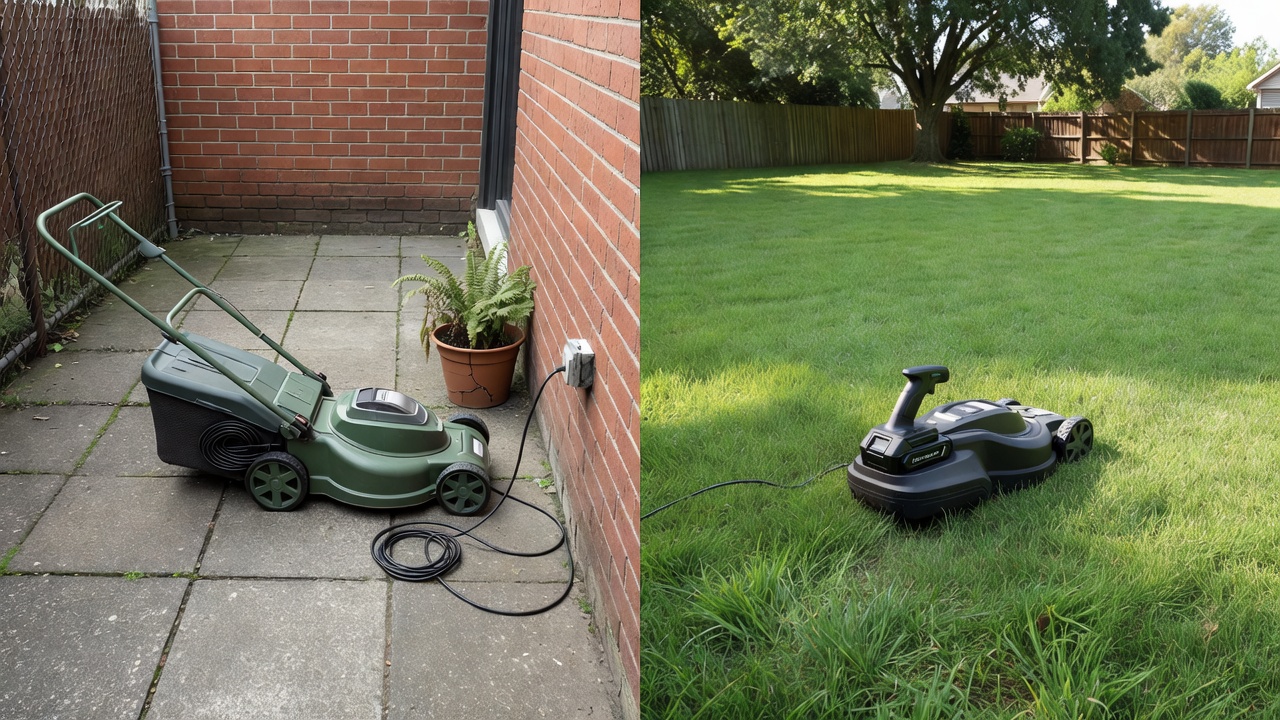
The biggest structural decision is whether to buy a corded or cordless (battery-powered) electric mower. Each has a clear sweet spot.
Corded Electric Mowers
Corded mowers plug into a standard outlet and draw continuous power, so they never lose torque mid-mow and never need a recharge. They are typically lighter and significantly cheaper than equivalent cordless models, making them an excellent choice for small, flat yards.
The trade-off is range. Consumer-safety guidance generally recommends keeping extension cords to 100 feet or less to avoid voltage drop and overheating, which means you must be able to reach every part of your lawn from an outlet. A corded mower becomes impractical on any yard where you would constantly reposition the cord, wrestle it around trees, or risk running over it. For most people, that practical limit lands somewhere around 5,000 square feet of mowing area.
Cordless (Battery-Powered) Mowers
Cordless mowers run on lithium-ion batteries, usually 40V to 80V. They offer unrestricted range, no cord to manage, and quiet operation — and modern brushless models can genuinely match gas mowers on cutting performance for typical residential lawns. The trade-offs are upfront cost, battery runtime limits, and the eventual expense of replacement batteries.
If you already own a brand’s battery-powered tools, buying that brand’s mower lets you share batteries across your equipment — a major convenience and cost saving. If you are starting fresh, your mower purchase effectively commits you to a battery ecosystem, so it is worth choosing a platform with a wide range of compatible tools.
Key Specs That Determine Electric Lawn Mower Performance
Manufacturer marketing makes every mower sound powerful, but a handful of specs actually determine real-world performance. Learn these and you can evaluate any model on your own.
Voltage (V)
Voltage is the most visible power metric on a cordless mower. Higher voltage generally means a more powerful motor and better ability to cut thick or damp grass without bogging down. Entry-level mowers run at 20V–40V, mid-range models at 40V–56V, and premium platforms at 60V–80V. As a rule of thumb, choose 40V or higher for a primary mower; reserve 20V–36V models for tiny, simple lawns.
Amp-Hours (Ah) and Runtime
Amp-hours measure battery capacity, not power — think of it as the size of the fuel tank. A 5.0Ah battery holds roughly twice the energy of a 2.5Ah pack at the same voltage. Runtime also depends on conditions: thick, tall, or wet grass drains batteries faster, and self-propelled drive consumes additional power.
For planning purposes, a 56V–60V mower with a 5.0Ah battery is generally adequate for a quarter-acre yard on a single charge. Larger properties need either a higher-capacity battery, a second battery, or a dual-battery system. Always check manufacturer runtime estimates, but treat them as optimistic — real-world mowing in heavy grass will always use more energy than a flat test strip.
Brushless Motors
A brushless motor is the single most important technology upgrade in electric mowers. Compared with older brushed motors, brushless designs are more efficient, produce more torque, run cooler, and last significantly longer because there are no brushes to wear out. The extra upfront cost is almost always worth it — especially on a cordless mower, where efficiency directly translates into longer runtime per charge.
Cutting Deck Width
Deck width determines how many passes you need to cover your lawn. A 21-inch deck is the standard for most residential mowers and a good balance of speed and maneuverability. Wider decks (22 inches and up) reduce mowing time on open lawns but are heavier and harder to turn. Narrower decks suit small yards and tight spaces but add passes on larger areas.
Self-Propelled Drive
A self-propelled mower drives its own wheels, so you guide it rather than push it. This is a genuine necessity on hills and for anyone with a large yard or physical limitations — pushing a 50–70-pound mower through thick grass is exhausting. On a small, flat lawn, a push (non-self-propelled) mower is lighter, cheaper, and perfectly adequate.
Cutting Height Adjustment and Mulching
Look for a mower with a wide range of cutting heights (typically 1.5 to 4 inches) and easy adjustment, because the ideal height changes with the season and grass type. Mulching capability — which finely chops clippings and returns them to the lawn — is worth having for lawn health and convenience, since you skip bagging. Many mowers also offer side discharge and rear bagging options; versatility here is a real plus.
How to Match an Electric Mower to Your Yard Size
Yard size is the fastest way to filter your options. Use the tiers below as a starting framework, then adjust for terrain and grass thickness.
| Yard Size | Recommended Type | Key Specs |
|---|---|---|
| Under 5,000 sq ft (small urban lot) | Corded or lightweight cordless | 20V–40V, 16–20-inch deck, push drive is fine |
| Quarter-acre (about 5,000–10,000 sq ft) | Cordless, ideally self-propelled | 40V–60V, 5.0Ah+ battery, 20–21-inch deck |
| Half-acre and larger | High-voltage cordless, dual-battery, or self-propelled | 60V–80V, dual batteries or spare pack, 21-inch+ deck |
If your yard is under 5,000 square feet and flat, a corded mower is the most economical choice — you get unlimited runtime and gas-comparable cutting power for a fraction of the price. A lightweight cordless model also works well if you prefer no cord.
For a quarter-acre, prioritize a 40V–60V cordless mower with at least a 5.0Ah battery. If your lawn is hilly, make self-propelled drive non-negotiable; it is the difference between an enjoyable chore and a workout.
For a half-acre or more, a single standard battery may not finish the job, especially in thick grass. Look for an 80V platform, a dual-battery system, or a model that accepts a second battery — and budget for a spare battery so you can swap and keep mowing.
Budget Tiers: What You Get at Each Electric Mower Price Point
Electric mower prices range from about $150 to over $1,000. Here is what each tier realistically delivers.
| Price Range | What You Get | Best For |
|---|---|---|
| Under $200 | Corded mowers and entry-level cordless models; smaller decks, brushed motors, basic features | Small, flat yards; budget buyers |
| $200–$499 | Cordless mowers with brushless motors, 40V–56V power, self-propelled options, mulching | Most homeowners with quarter-acre yards |
| $500 and up | High-voltage platforms (60V–80V), dual batteries, wide decks, premium build, ecosystem compatibility | Large yards, hills, heavy use |
Under $200, a corded mower gives you the most cutting power per dollar, but expect a basic deck, manual height adjustment, and no self-propelled drive. Entry-level cordless models at this price often use lower voltages and smaller batteries — fine for small lawns, frustrating on bigger ones.
The $200–$499 range is the sweet spot for most buyers. This is where brushless motors, 5.0Ah batteries, mulching, and self-propelled drive become available. If your yard is a quarter-acre or less, spending more than this buys marginal gains.
Above $500, you are paying for high-voltage platforms, larger batteries, wider decks, and better build quality — plus the flexibility of a battery ecosystem that powers leaf blowers, trimmers, and chainsaws. Also factor in total cost of ownership: replacement batteries typically cost $150–$400 depending on voltage and capacity, so a mower with a common, widely available battery platform is cheaper to maintain over its life.
Features Worth Paying For (and Features You Can Skip)
Not every premium feature earns its price tag. Here is how to separate genuinely useful upgrades from marketing noise.
Worth Paying For
- Brushless motor: Better efficiency, torque, and lifespan — the best value upgrade available.
- Self-propelled drive (on hills or large yards): Saves real physical effort every single mow.
- Mulching capability: Feeds your lawn and eliminates bagging trips.
- Battery ecosystem compatibility: One battery platform powers multiple tools, reducing long-term cost.
- Wide cutting height range: Lets you adapt to seasons and grass types for a healthier lawn.
Can Usually Skip
- App connectivity and smart features: A mower does not need a phone app; these add cost without improving cut quality.
- Premium deck materials on small lawns: A basic steel or composite deck is fine for light use.
- Extra-large batteries you will never drain: Only pay for the capacity your yard actually requires.
- Headlights and touchscreens: Nice conveniences, but rarely worth a significant price premium.
Weight also matters more than most buyers expect. A heavy self-propelled mower is stable and powerful but harder to lift, store, and maneuver around flower beds. If you have limited storage or a yard full of obstacles, prioritize a lighter model with foldable handles.
Top Electric Lawn Mower Brands: What Sets Them Apart
Rather than memorizing model numbers, understand how the major brands position themselves. Your choice of brand is largely a choice of battery platform.
- EGO Power+: Known for its 56V platform and premium build quality. EGO mowers consistently lead independent performance tests, and the brand offers a wide ecosystem of outdoor tools that share batteries. Expect to pay a premium.
- Greenworks: Offers a broad lineup across multiple voltage tiers (40V, 60V, 80V), which makes it easy to match price to yard size. Reliable performance and good value, with tools available at most major retailers.
- Ryobi: A value-focused brand with an enormous 40V battery ecosystem that includes everything from mowers to fans and lights. If you already own Ryobi tools, staying in the ecosystem is very economical.
- Worx: Known for lightweight, maneuverable designs and innovative features like the Power Share battery system. A strong choice for small to medium yards where ease of use matters more than raw power.
- Honda: Legendary in gas mowers, Honda’s electric offerings carry the same emphasis on cutting quality and ergonomics, though its electric lineup is smaller than the dedicated electric brands.
When comparing brands, look beyond the mower itself. Check the size of the battery ecosystem, the cost of replacement batteries, warranty length and coverage, and parts availability. A slightly more expensive mower from a brand with a thriving ecosystem and long warranty can be cheaper over ten years than a bargain mower with proprietary, hard-to-find batteries.
How to Choose the Best Electric Lawn Mower for Your Specific Situation
Follow this step-by-step process to convert everything above into a confident purchase decision.
- Measure your mowing area. Use a measuring tool or satellite map to estimate square footage. Do not include flower beds, patios, or structures — only actual grass.
- Assess terrain. Note slopes, obstacles, and how thick your grass gets in peak season. Hills mean self-propelled; tight spaces mean a narrower deck.
- Decide corded vs. cordless. Under 5,000 sq ft on flat ground? Corded is viable. Anything larger, or any yard with obstacles, favor cordless.
- Set your voltage and battery floor. Use the yard-size table above to pick a minimum voltage and amp-hour rating. Add a spare battery to your budget if your yard is near the top of a tier.
- Choose drive type. Self-propelled for hills and large yards; push for small, flat lawns.
- Shortlist by brand ecosystem. If you own battery tools, start with that brand. Otherwise, compare the ecosystems and battery replacement costs of two or three brands.
- Verify the details before buying. Check cutting height range, mulching option, deck width, warranty, and whether the battery is included in the box or sold separately.
- Buy from a retailer with a good return policy. Mowers are personal — being able to test the weight, handle height, and fold mechanism in-store (or return easily online) is worth something.
Frequently Asked Questions
Can an electric lawn mower match a gas mower’s cutting performance?
Yes, for typical residential lawns. Modern brushless electric mowers deliver torque comparable to small gas engines, with the added benefits of instant start, no fuel mixing, and far less noise and vibration. The main limitation is runtime: a gas mower runs as long as its tank lasts, while a cordless mower depends on battery capacity. For yards up to a half-acre, a high-voltage cordless mower with adequate battery capacity will match gas performance in practice.
How long do electric mower batteries last before needing replacement?
Lithium-ion mower batteries typically last 3–5 years with regular use, after which capacity gradually declines. How you store them matters: avoid extreme heat, keep them partially charged during winter storage, and use the manufacturer’s charger. Replacement packs cost roughly $150–$400 depending on voltage and capacity, which is why choosing a common battery platform is a smart long-term decision.
Is a corded electric mower better for a small lawn?
Often yes. For flat yards under about 5,000 square feet, a corded mower delivers continuous power and gas-comparable cutting at the lowest price point. The drawbacks are the cord itself — you must manage it around trees and beds, and extension cords should generally stay under 100 feet to avoid voltage drop. If your lawn is small and simple, those trade-offs are easy to live with.
Do I need a self-propelled electric mower?
Only if your yard is large, hilly, or you want to minimize physical effort. Self-propelled drive adds weight, complexity, and cost, and it drains the battery faster. On a flat yard under a quarter-acre, a push mower is lighter, cheaper, and perfectly adequate. On slopes or yards above a quarter-acre, the extra cost is usually worth it.