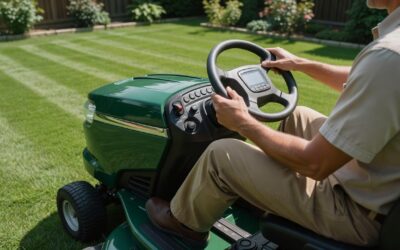
The smallest zero-turn mowers typically have 42-inch decks, with models like the Craftsman Z 42 and Cub Cadet ZT 42 representing the lower end of the residential zero-turn market. True zero turning radius is a defining feature of zero-turns, but compact models prioritize maneuverability in tight spaces rather than extreme compactness—the category itself starts around 42 inches wide, which is still larger than traditional push mowers. For the absolute smallest footprint, consider whether a standard riding mower or even a walk-behind mower better suits your lawn size.
Understanding Zero-Turn Mower Categories
When considering the smallest zero-turn mower, it’s essential to understand that the term ‘smallest’ can refer to different aspects of the machine. Zero-turn mowers are designed for efficiency and maneuverability, and their size is determined by deck width, overall dimensions, and turning radius rather than being compared directly to traditional push mowers.
How Zero-Turn Mowers Differ
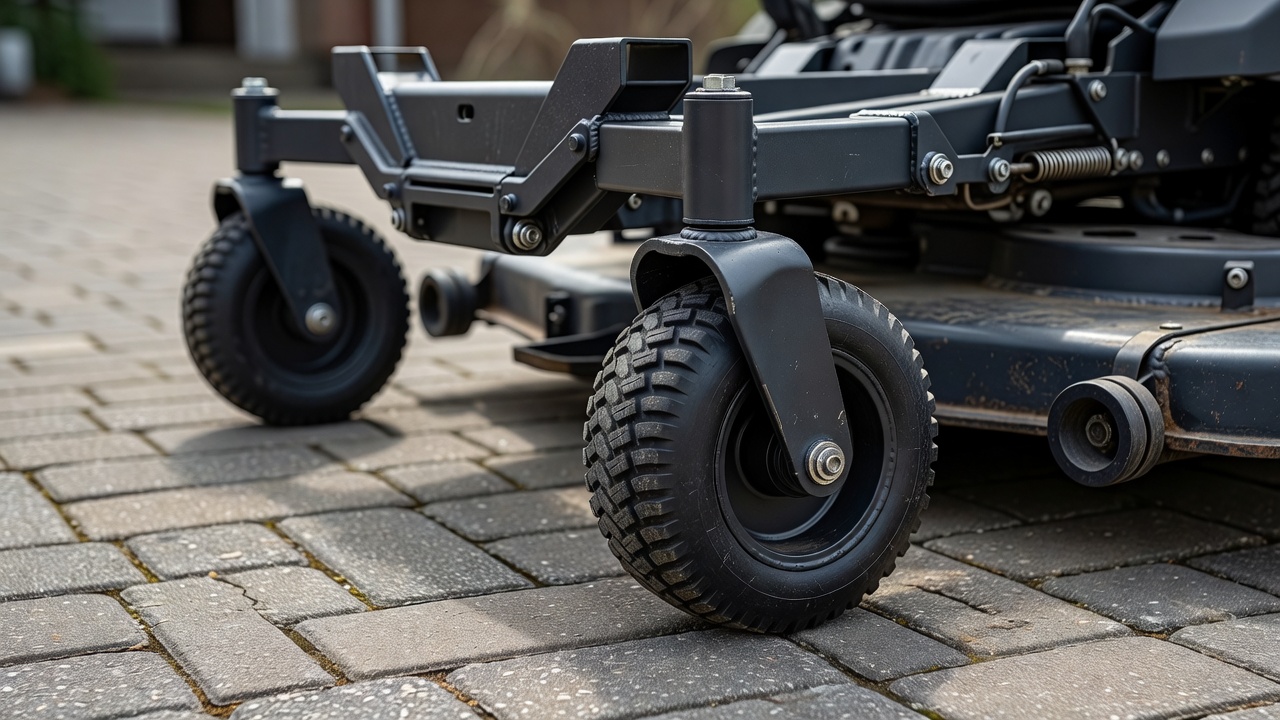
Zero-turn mowers operate on a fundamentally different principle than traditional riding mowers. Instead of a steering wheel that turns the entire machine, zero-turn mowers feature independent front wheels that can rotate up to 180 degrees relative to the rear wheels. This allows the mower to make tight turns with the front wheels turning in opposite directions, creating what’s known as a zero-turn radius.
Common Misconceptions
Many people assume that zero-turn mowers can be made smaller than traditional push mowers, but the design constraints of the zero-turn mechanism limit the smallest practical deck width. The compact nature of these machines is a result of engineering trade-offs between power, maneuverability, and cutting efficiency.
Typical Deck Sizes for Compact Zero-Turn Mowers
Residential zero-turn mowers typically start at 42 inches in deck width, with 46 and 48-inch models being more common for larger lawns. The 42-inch deck size represents the practical lower limit for zero-turn mowers due to the mechanical requirements of the zero-turn system.
42-Inch Deck Models
Models with 42-inch decks are designed for smaller residential lawns and tight spaces where maneuverability is critical. These machines are built to handle the zero-turn mechanism while maintaining a manageable overall size.
Dimensions and Weight
Compact zero-turn mowers typically measure around 60-70 inches in length and 40-45 inches in width. They usually weigh between 400-600 pounds, depending on the engine size and additional features. The weight distribution is designed to provide stability during operation and maneuverability in tight spaces.
Key Specifications to Compare
When evaluating the smallest zero-turn mowers, several specifications beyond deck size are important to consider:
Turning Radius
The true zero-turn radius is a key feature of these machines. While marketed as having a 0-inch turning radius, in practice, most compact models have a turning radius of about 18-24 inches, which is significantly smaller than traditional riding mowers.
Wheel Base and Base Width
The wheel base (distance between front and rear wheels) and base width (distance between the two rear wheels) affect stability and maneuverability. Compact models typically have a shorter wheel base to enhance turning ability.
Engine and Power
Even in the smallest models, zero-turn mowers require sufficient power to handle the deck and the zero-turn mechanism. Most compact models feature 20-25 horsepower engines, though some may have lower horsepower options for smaller lawns.
When a Smaller Zero-Turn Makes Sense
Compact zero-turn mowers are particularly useful for homeowners with smaller lawns and challenging terrain:
Small to Medium Lawns
For lawns between 0.5 to 1.5 acres, a 42-inch zero-turn mower provides efficient coverage without the excess capacity of larger models. The maneuverability allows for easy navigation around trees, garden beds, and other obstacles.
Tight Spaces and Complex Layouts
Properties with narrow driveways, multiple entry points, or irregular shapes benefit from the compact size and tight turning radius of zero-turn mowers. These machines can navigate spaces that would be difficult for larger riding mowers.
Regular Maintenance Requirements
Homeowners who prefer the convenience of a riding mower but need the maneuverability of a zero-turn system will find compact models particularly useful. The 42-inch deck size provides a good balance between cutting efficiency and ease of use.
Alternative Options for Truly Small Lawns
For lawns smaller than 0.5 acres, or for those who prefer a more traditional approach, other mower types may be more practical:
Walk-Behind Mowers
For very small lawns (under 0.25 acres), walk-behind mowers remain the most common choice. These mowers come in various deck sizes, from 16 to 22 inches, and are typically lightweight and easy to store.
Push Mowers
For extremely small lawns or those with very flat terrain, traditional push mowers can be an effective and economical choice. While they lack the power and efficiency of zero-turn mowers, they are suitable for maintaining small residential lawns.
Electric Riding Mowers
Electric riding mowers offer a middle ground between traditional mowers and gas-powered zero-turns. They provide the convenience of a riding mower with the efficiency of electric power, making them suitable for small to medium-sized lawns.
Key Considerations When Choosing
When selecting the smallest zero-turn mower, consider the following factors:
- Lawn Size and Shape: Measure your lawn carefully and consider its dimensions and layout.
- Terrain Conditions: If your lawn has hills, slopes, or obstacles, a zero-turn mower may be more practical.
- Maneuverability Requirements: For tight spaces and complex layouts, the compact 42-inch models are ideal.
- Storage Space: Consider how and where you’ll store the mower when not in use.
- Budget: Compact zero-turn mowers typically cost between $1,500 to $3,000, depending on brand and features.
Ultimately, the ‘smallest’ zero-turn mower is defined by its deck width and maneuverability rather than absolute compactness. For most residential applications, the 42-inch deck size represents the practical lower limit of the zero-turn category, offering a good balance between cutting efficiency and ease of use in tight spaces.