

To compare alternatives and performance metrics, read our evaluation of how to string a string trimmer.
Mechanical safety standards, operational tolerances, and protective gear guidelines align with benchmark specifications established by the American National Standards Institute (ANSI).
Quick Answer: Choosing the Best Zero Turn Mower According To Consumer Reports
Consumer Reports does not name one permanent best zero-turn mower for every yard. Its riding-mower ratings change with each test cycle, are usually subscription-gated, and compare cutting quality, handling, and ease of use rather than declaring a universal winner. Check the latest CR report, then match a high-rated gas or battery model to lawn size, terrain, obstacles, and storage—because a…

Pros
- Brushless motor system delivers gas-equivalent power without emissions or excessive noise
- High-capacity battery kit enables cutting coverage of up to 4.4 acres per charge set
- Durable 10-gauge steel deck and constant high blade tip speed handle dense grass effectively
- Premium seating and lighting features support comfortable extended operation
- 4-year warranty provides strong protection for the investment
Cons
- Runtime tops out around 4.4 acres depending on conditions, requiring recharges for bigger properties
- Electric design depends on charging infrastructure and battery management rather than simple refueling
- Height adjustment is noted only basically without extensive position details in available specs
The Greenworks 60V MaximusZ Zero Turn Riding Lawn Mower is a commercial-grade electric machine built for large lawns. Its primary construction centers on a heavy-duty 60-inch 10-gauge fabricated steel deck that prioritizes durability and airflow, paired with premium comfort elements including an adjustable suspension seat with lumbar support and foldable armrests for a solid first impression of quality and user focus.
Performance shines through an intelligent brushless motor system offering power equivalent to a 31HP gas engine with zero emissions. Three high-torque brushless hub motors sustain a constant 17,900 FPM blade speed, while SmartCut Technology auto-adapts to prevent bogging in thick or wet grass. The complete kit supplies (2) 20.0Ah suitcase batteries plus (4) 8.0Ah batteries and a 1.5kW fast charger for up to 4.4 acres of cutting. Additional capabilities include a 4-in-1 deck for mulching, bagging, rear and side discharge, 300 lb towing capacity with front/rear hitch, dual LED headlights, and an LCD display.
Drawbacks and considerations include the practical need to recharge the battery set after maximum runtime, which can interrupt work on properties exceeding 4.4 acres. Being fully electric means reliance on power sources for recharging instead of fuel, and height adjustment is referenced only in basic terms without more granular position data in the specifications.
In verdict, the Greenworks 60V MaximusZ delivers the most value to homeowners and professionals managing medium-to-large properties who want quiet, emission-free commercial power, versatile cutting options, and the security of a 4-year warranty in a comfortable zero-turn package.

Pros
- Strong stated cutting capacity for large properties, with up to 4 acres per charge.
- Zero-turn design supports fast, precise mowing around obstacles.
- Uses battery power instead of gas, reducing maintenance-related chores and emissions.
- Includes six high-capacity batteries and a charger, so it is ready for use out of the box.
Cons
- Heavy at 720 pounds, which may make transport, storage, or maneuvering by hand difficult.
- Large dimensions require substantial garage or shed space.
- The high upfront cost may put it out of reach for buyers with smaller lawns or limited budgets.
Overview & Design: The EGO Power+ ZT5207L is a 52-inch electric riding lawn mower with a zero-turn radius, built for users who need efficient coverage on larger properties. Its black finish, substantial frame, and 720-pound weight reflect a serious, full-size riding mower designed for demanding residential mowing.
Performance & Key Features: EGO says Peak Power+ technology combines up to six 56V ARC Lithium batteries, and the mower is rated at a 25 HP-equivalent output. The 52-inch deck and zero-turn steering should help reduce mowing time and improve control around landscaping, while the included six 56V 12.0Ah batteries are stated to support up to 4 acres per charge.
Drawbacks & Considerations: This model is large and heavy, so it will not suit every storage space or every user. Its premium positioning also means buyers should be confident they need this much capacity, since smaller yards may not justify the size, weight, or cost.
Verdict: The ZT5207L is best for homeowners with expansive lawns who want battery-powered convenience and zero-turn efficiency in one machine. It is a compelling option if you value gas-like performance, broad deck coverage, and compatibility with EGO's 56V battery ecosystem.
Pros
- Robust 26HP Kohler engine provides ample power for demanding mowing tasks and thick vegetation
- Large 60-inch fabricated steel deck enables faster coverage of extensive lawn areas
- Durable 3-blade fabricated construction enhances deck longevity and resistance to wear
- Zero-turn capability offers precise control and reduced mowing time in complex layouts
Cons
- Large 60-inch deck and overall zero-turn size demand significant storage space and may not suit smaller properties
- Base specifications lack details on accessories such as mulching kits or baggers, which may need separate purchase
- High-powered engine setup could increase fuel use during long sessions relative to lower-horsepower models
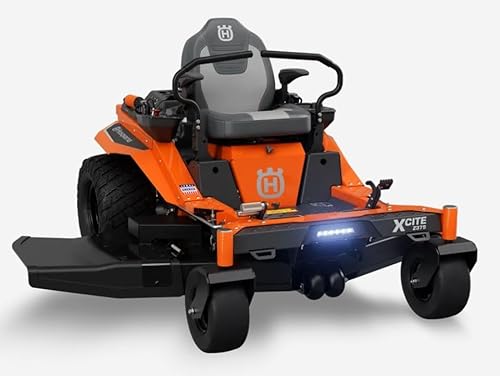
The Husqvarna Xcite Z375 is a zero-turn riding lawn mower engineered for large-scale residential and light commercial mowing. It combines a solid fabricated steel build with a capable Kohler power plant, creating an immediate impression of durability and purposeful design suited to expansive properties.
Performance centers on the 26HP 747cc Kohler V-Twin engine that supplies strong, consistent power for thick grass and varied terrain, paired with the 60-inch 3-blade fabricated steel deck. This setup delivers a wide, clean cut that covers ground efficiently and maintains quality across long sessions.
Considerations include the substantial footprint of the 60-inch deck and zero-turn frame, which requires ample storage and may feel oversized for compact yards. Available data also omits specifics on add-ons or comfort options, so buyers should confirm full feature sets independently.
The Husqvarna Xcite Z375 delivers the most value for owners of large lawns or light commercial operators who prioritize raw cutting power, deck durability, and zero-turn efficiency over compact size or extensive accessory packages.

Pros
- Offers quiet, emission-free electric operation with power matching traditional 22 HP gas mowers.
- Includes four high-capacity 56V 10.0Ah batteries for up to 2 acres of runtime right out of the box.
- Customizable LCD interface and multiple driving modes enhance user control and ride comfort.
- Versatile 10-position cutting height and 3-in-1 deck options provide flexible lawn finishing.
- Fast two-hour full recharge capability supports productive multi-session mowing days.
Cons
- Maximum single-charge coverage is limited to about 2 acres without purchasing additional batteries for bigger properties.
- Requires access to a power outlet for recharging, which may interrupt workflow on very large or remote lawns.
- Battery management and storage add extra steps compared to simple gas-powered alternatives.
The EGO Power+ ZT4204L is a premium electric zero-turn riding lawn mower built for homeowners seeking a clean alternative to gas models. It features a robust 42-inch stamped steel deck and includes four 56V 10.0Ah ARC Lithium batteries plus a charger, delivering an immediate impression of high-quality engineering focused on power and convenience.
In real-world use, this mower matches the performance of a 22 horsepower gas unit while reaching speeds up to 8 MPH. The zero-turn radius combined with three selectable driving modes via the LCD interface allows smooth navigation and efficient cutting of up to 2 acres per charge. Users can fine-tune the cut across 10 height positions from 1.5 to 4.5 inches and choose between mulching, bagging, or side discharge for complete lawn care flexibility. Full recharges take roughly two hours with the included Z6 charger.
Potential drawbacks include the 2-acre limit on the stock battery set, meaning larger properties will need extra batteries for uninterrupted operation. As a fully electric system, it also depends on regular charging access rather than quick refueling, and battery handling requires more attention than traditional gas mowers.
Overall, the EGO Power+ ZT4204L is an excellent choice for environmentally conscious homeowners with lawns up to a few acres who value quiet operation, low maintenance, and precise control. Those with extensive grounds should plan for additional battery capacity to maximize its benefits.

Pros
- Gas-equivalent power from electric Peak Power system with no emissions or fuel needs
- Long runtime covering up to 3 acres per charge with included high-capacity batteries
- Highly maneuverable 52-inch zero-turn deck with customizable blade speeds from 2300 to 3200 RPM
- User-friendly digital interface and app integration for real-time customization and monitoring
- Strong warranty coverage up to 5 years on mower and batteries with registration
Cons
- Runtime limited to approximately 3 acres per full charge, requiring recharges for larger properties
- Depends on multiple large 56V batteries which must be managed and recharged using the included charger
- No independent customer reviews available yet to confirm long-term real-world reliability
The EGO POWER+ Z6 Zero Turn Riding Lawn Mower model ZT5216L is a premium electric zero-turn rider built for efficient large-area mowing. It features a robust 52-inch 10-gauge fabricated steel deck, wide frame for slope stability, and durable IPX5-rated weather-resistant construction that creates an immediate impression of professional-grade quality without the noise or fumes of gas models.
In performance, Peak Power technology draws from up to six included 56V 10.0Ah ARC Lithium batteries to deliver power equal to a 27-horsepower gas engine while covering up to 3.0 acres per charge. The dual-blade system offers adjustable speeds from 2300 to 3200 RPM and 10 cutting heights between 1.5 and 4.5 inches. Three driving modes support speeds up to 8 MPH, and the color digital screen plus EGO Connect app allow full customization of speed, cruise control, and battery monitoring for real-world efficiency on varied terrain.
Considerations include the finite runtime of about 3 acres before recharging is needed, reliance on managing six batteries with the 880W charger, and the absence of extensive user feedback at launch that leaves long-term durability still to be proven in the field.
Overall, the EGO POWER+ Z6 ZT5216L delivers the most value to homeowners with mid-to-large lawns seeking quiet, powerful electric zero-turn performance, advanced controls, and reduced maintenance. Those with properties exceeding 3 acres or preferring simpler traditional mowers may want to evaluate battery logistics carefully.
Pros
- Powerful 24HP/726cc Kawasaki V-Twin engine for reliable high-output performance
- Wide 61-inch fabricated 3-blade deck for efficient coverage of large areas
- Commercial-grade Hydro Gear ZT-3100 transmission for durable zero-turn handling
- Generous 5-gallon fuel tank and included ROPS for practical all-day use and safety
- 4-year consumer warranty coverage on the complete machine
Cons
- Large 61-inch deck and zero-turn frame require substantial storage space and may feel oversized for small residential yards
- Commercial-oriented components can demand more maintenance knowledge than basic consumer mowers
- No bagging, mulching kit, or additional attachments listed as standard equipment
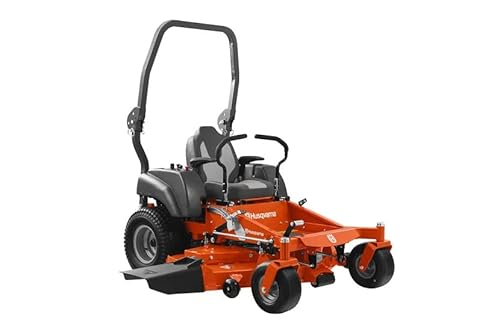
The Husqvarna MZ61 is a robust zero-turn riding lawn mower from the brand's commercial-leaning lineup, pairing a heavy-duty fabricated deck with a ROPS safety structure. Its overall build emphasizes durability and operator protection for demanding outdoor work rather than lightweight residential convenience.
Performance centers on the 24HP/726cc Kawasaki FR730V Series V-Twin engine that supplies ample torque for thick or wet grass, while the 61-inch 3-blade fabricated deck cuts wide swaths efficiently. The Hydro Gear ZT-3100 commercial hydrostatic transmission enables smooth, precise zero-turn steering that reduces time spent trimming edges and navigating landscaping. A 5-gallon fuel tank further supports longer continuous runs on expansive properties.
Potential drawbacks include the mower's substantial size, which can make storage and transport more challenging for users with limited space. The commercial-grade components also mean the machine may require more frequent or specialized maintenance compared to simpler residential models, and no bagging or mulching systems are noted as included.
Overall, the Husqvarna MZ61 delivers the strongest value for owners of large lawns, estates, or light commercial grounds who prioritize cutting speed, engine reliability, and safety features. Smaller-yard users will likely find it oversized for their needs.
What Consumer Reports can actually settle
People who search for the best zero-turn mower according to Consumer Reports usually want a single verdict: one model they can buy with confidence. That is a reasonable hope. Consumer Reports is a nonprofit known for independent product testing, and its published lawn-mower and riding-mower ratings are among the few large-scale lab comparisons that do not depend on manufacturer advertising. What CR can settle, though, is narrower than a shopping headline.
“Best according to Consumer Reports” means highest-rated in the latest test cycle for the jobs CR actually measured. It does not mean best for every property, every operator, or every power type. An overall score is a snapshot of how a tested sample performed on CR’s tasks at that time. It is not a guarantee that every production unit will behave the same way on your grass, and it is not a site-safety approval for hills, wet turf, or crowded landscaping.
An article cannot honestly name a current CR winner without the latest paid report in hand. Rankings move when machines are added, dropped, or retested. Detailed scores typically sit behind a membership paywall. Third-party posts that announce “the CR winner” without a dated citation are unverified, and older public headlines can describe models that have already been replaced. If you do not have a subscription open, you can still conclude something useful: treat CR as a time-bound, category-specific ratings source; refuse to treat last year’s blog champion as official; and use the same performance ideas CR-style tests emphasize—cut quality, handling, and ease of use—to shortlist machines that fit your yard.
How CR-style zero-turn and riding-mower tests usually work
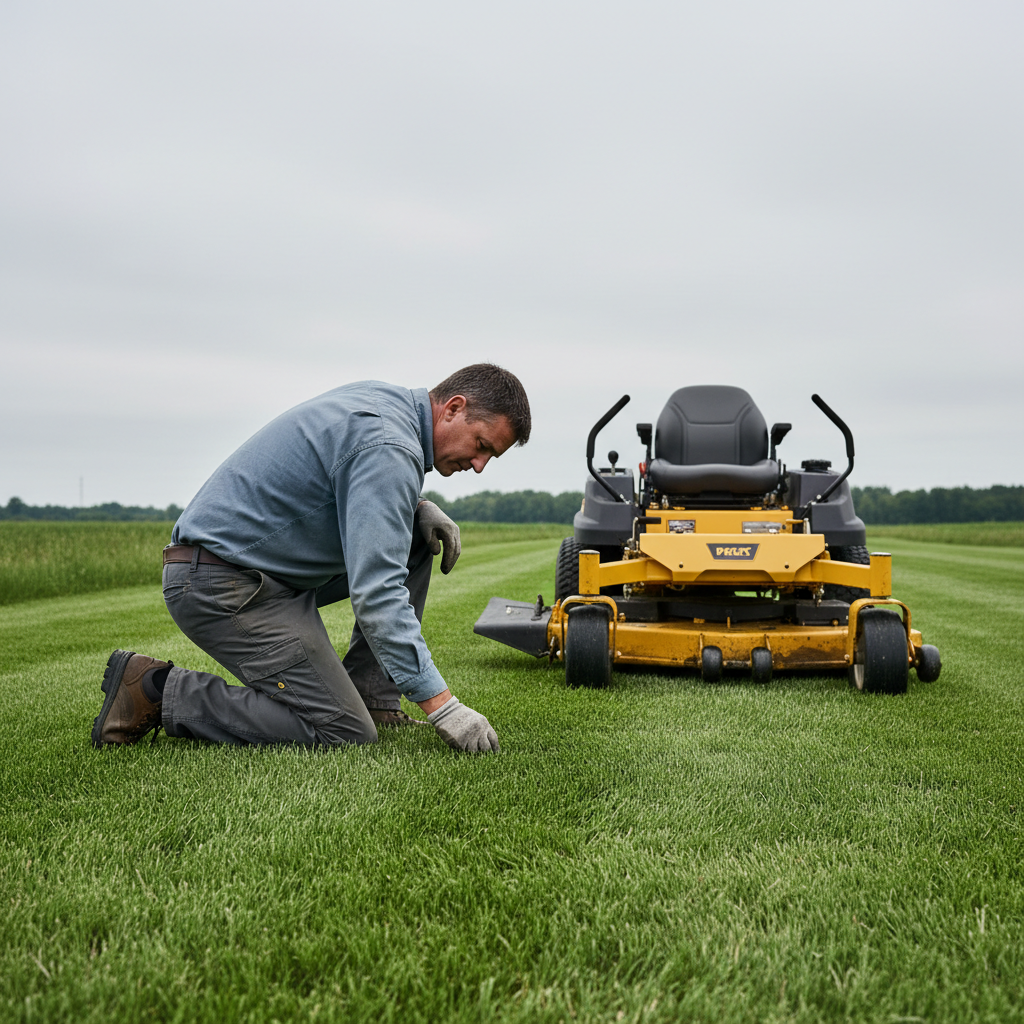
Independent testers, including Consumer Reports, have historically judged riding mowers on how evenly they cut, how they handle clippings, and how usable they are for a typical homeowner. Exact procedures, scoring weights, and sample counts belong in CR’s own current methodology notes. The stable picture is that a high rating usually means the machine did well on measured cutting and usability tasks, not that it won a popularity contest.
Lab-style mower work typically looks at evenness of cut and whether clippings clump or streak. Where bagging or mulching is part of the protocol, testers also look at how cleanly the machine collects or recuts grass. Handling and maneuverability matter on a zero-turn because the selling point is a tight turning radius around trees, beds, and mailbox posts. Ease of use often covers controls, getting on and off, changing cutting height, and similar owner tasks. Noise or other comfort notes sometimes appear as extra usability information rather than as the whole score.
An overall score is a blend. Individual scores for cut quality, bagging, mulching, or ease of use can tell a different story. A machine can rank well overall and still be mediocre at the one job you care about, such as bagging for a tidy lawn or weaving through tight plantings. That is why a single rank number is a starting filter, not a shopping list. When you can open the report, read the bars that match your discharge mode and your yard layout. When you cannot, remember that “high-rated” is only as useful as the tasks behind it. Before finalizing equipment decisions, refer to our comprehensive z890 vs x870e motherboard comparison.
Why ratings change and sit behind a paywall
Riding-mower rankings shift because the market shifts. Brands refresh decks, engines or motors, batteries, and control layouts. CR updates results when it tests new machines or revisits a category. A highly rated model can be discontinued, restyled, or replaced by a similarly named sibling that was never the tested unit. Matching the exact model number, deck width, and powertrain matters more than matching a brand family.
Many of the useful details, individual scores, predicted reliability when published, and methodology notes, are typically reserved for members. That paywall is why casual “CR best zero-turn” roundups on retailer blogs can be stale or incomplete. They may recycle an old cycle, drop the test date, or treat a brand line as if every trim earned the same mark. Treat any third-party list that names a CR winner without a current, dated CR page as unverified. Check the date on the CR report itself, then confirm that the machine on the dealer floor shares the tested model number, not just a familiar badge. For broader ecosystem context, read through our operational guide on marshall stanmore iii vs harman kardon onyx studio 8.
Zero-turn vs other riding mowers in a CR-minded comparison
Before chasing a top score, decide whether a zero-turn mower is the right riding mower at all. A residential zero-turn typically drives the rear wheels independently—often through hydrostatic drive controlled by lap-bar steering—so one wheel can roll forward while the other slows or reverses. That geometry produces a very tight turning radius. On an open lawn with trees, island beds, and fence lines, less backing and looping can mean a faster, cleaner pass.
A lawn tractor or garden tractor usually uses a steering wheel and a more conventional chassis. Many owners still prefer that feel, especially if they want a familiar driving posture, different manners on uneven ground, or towing and attachment work that a mowing-focused zero-turn may not be built around. Rear-engine riders and other compact riders can also fit smaller properties or tighter storage. Consumer Reports has tested more than one riding category over the years; that does not mean it currently ranks zero-turns above lawn tractors overall. Category choice is a property decision first.
Yard layout should change the choice. Dense obstacles favor a tight turning radius if the operator is comfortable with lap bars. Long, simple stretches can be handled by several rider types. Narrow gates, trailer ramps, and shed doors can rule out a wide deck regardless of score. Towing, snow, or ground-engaging attachments, when you need them, may point toward a tractor-style machine whose manufacturer actually supports those jobs. Slope and traction are not solved by category marketing. Follow the specific machine’s operator manual; do not assume a high CR score makes a zero-turn the right hill machine. For troubleshooting and reliability insights, consult our in-depth dyson v8 cyclone vs bissell featherweight stick report.
Gas, battery, and other power types the ratings may split
Gas zero-turn and battery-electric zero-turn machines solve the same mowing problem with different energy limits, so testers often score them in separate or hard-to-compare groups. Compare overall scores within the same power type when the report is structured that way. A strong electric score does not automatically beat a strong gas score on a three-hour Saturday, and the reverse is also true.
Gas machines remain common for long, uninterrupted mowing and familiar refueling. They bring oil changes, filters, spark plugs, fuel storage, exhaust, and typically more mechanical noise. Battery-electric models trade mixing fuel and dealing with exhaust for charging time, battery capacity, charger access, and quieter operation. Runtime and charging are highly model-specific. Marketing copy about how many acres a charge or a tank can cover is not a substitute for your real weekly mowing time, grass height, and whether you stop for emptying bags or trimming edges.
A battery zero-turn can be a poor match even with an attractive review score if the lawn is large, the grass is often tall or wet, shade or garage access makes charging awkward, or you cannot accept downtime while packs recharge. Replacement battery cost and long-term pack health are ownership issues a one-cycle lab score cannot fully capture. A gas machine can be a poor match if local rules, neighbors, or your own preference make noise and exhaust a problem, or if you dislike seasonal fuel and service tasks. Let power type follow use, then use CR scores inside that class.
Match a high-rated machine to the yard, not the trophy
A one-point gap in overall score is less important than whether the mower physically fits the property. Lawn area and weekly mowing time set a rough work load. Obstacle density sets how much the turning radius will actually save. Gate width, trailer width, and shed or garage depth set the maximum deck size you can store and transport. Preferred cut mode—side discharge, bagging, or mulching—should match how you want the lawn to look and how you dispose of clippings. The operator still has to mount the machine, reach the lap bars, see the front of the deck, and change height without strain.
Larger decks cover open turf faster. They are also clumsier between close plantings, more demanding of gate and trailer clearance, and heavier to store. Smaller decks take more passes on a broad lot but thread landscaping more easily. There is no Consumer Reports acreage rule that assigns a deck width to “one acre” or “three acres.” Those shortcuts skip real variables: how often you mow, how wet the grass stays, how many islands you steer around, and whether you bag.
Answer a few deck and discharge questions before you shop. Will clippings blow onto beds, driveways, or a neighbor’s lot if you side-discharge? Do you need a bagger often enough to care about that individual score? Will you mulch most weeks, and does the machine you are considering actually offer a mulching setup rather than a generic claim? Can the deck height range handle both spring growth and a neat finish cut? Filter the CR shortlist—or any dealer shortlist—through those answers so the trophy machine is not the one that will not fit through the fence.
How to use Consumer Reports when you actually shop
When you have access to a current CR lawn-mower or riding-mower report, record more than the top-line rank. Note the test date, exact model number, deck size, and power type. Copy the individual scores that match your job: evenness of cut if appearance matters most, bagging if you collect clippings, mulching if that is your default, and ease of use if more than one person will drive. If CR publishes predicted reliability or owner-satisfaction survey data, treat those extras as directional and sample-based. They are not a warranty and not a promise that your serial number will be trouble-free.
Then leave the lab ranking and check the physical machine. A dealer demo or a careful sit-in should cover steering feel with lap-bar steering, seat comfort and vibration, visibility of the deck edge, how deck-height changes work, and how you would load the mower on a trailer or into a shed. Confirm that local parts and service exist for that brand and that the salesperson is quoting the tested model number, not a private-label twin or a suffix that changes the deck, engine or motor, or battery pack. Similar names in the same family are not interchangeable.
Bring the operator manual and the written warranty into the decision. Marketing brochures are not test results. If a feature you need—bagger, mulch plug, striping kit, headlight package—is optional, confirm it is available for the exact configuration you are buying. If two high-rated machines feel very different on a short demo, trust the demo for fit and CR for measured cutting tasks. Neither source replaces the other.
Practical buying criteria CR scores do not fully replace
Ownership cost sits beside purchase price. Gas machines need blades, belts, oil, filters, and fuel-system care. Battery-electric machines need charger access, pack care, and a plan if a battery eventually needs service or replacement. Every deck needs cleaning so clippings do not trap moisture. Tire pressure, winter storage, and basic inspection still belong to the owner. None of those tasks have a single magazine number attached, and none should be budgeted from rumor about “typical hours” or street prices that this article cannot verify.
Comfort and control features change who can operate the mower safely. Check seat size and adjustment, steering effort, whether the operator can plant both feet and see the path, and how emergency stops and blade controls work. Cup holders and extra lights are convenience items, not proof of build quality. If two people will mow, both should try the lap bars. A high ease-of-use score in a report is still only a lab impression of a sample machine.
Read warranty language as a contract, not as a review. Length, what is covered, what is excluded, and whether service must go through an authorized dealer are manufacturer- and seller-specific. Ask what the warranty says about commercial use, batteries, decks, and wear parts, and get the answer in writing. Dealer support—who will order a belt next spring—often matters more over time than a small gap in last season’s overall score.
Safety and suitability caveats before you treat any winner as the right machine
A high Consumer Reports score is not proof that a zero-turn is safe or appropriate on your terrain. Zero-turn mowers can be less stable than some other riders on slopes. Rollover, thrown-object, blade-contact, fuel-fire, and—on electrics—high-energy battery hazards are real. Test scores do not inspect your grade, wet spots, drop-offs, or how you will load a trailer.
Follow the specific machine’s operator manual, on-product labels, and manufacturer slope guidance. Do not borrow a maximum slope angle from an article, a neighbor, or a sales claim. If the manual’s limits, your comfort, or the ground conditions say the job is wrong for that rider, choose another category or hire the work. Site checks matter more than rank: walk the lawn for holes, toys, wire, stones, and low branches; keep bystanders, children, and pets away; wear eye and hearing protection as the manual directs; and never disable safety interlocks, blade-stop systems, or operator-presence controls.
Fuel and battery care stay at consumer-safety level. Store gasoline in approved containers, away from living spaces and ignition sources, as local rules and the mower maker require. Charge battery packs only as the manufacturer specifies, on a suitable surface, with the supplied or specified charger. Damaged packs, crash damage, leaking fuel systems, or unexplained electrical faults belong with a qualified technician—not with improvised repair or bypass. Slope stability, thrown objects, and stored energy are reasons to treat any “winner” as a tool that still has to match the ground and the operator.
A simple decision path if you cannot open the latest CR report
You can still shop this week without naming an unofficial CR champion. Define the yard: approximate area, weekly time, obstacles, gates, storage, slopes you are not willing to ride, and whether you bag, mulch, or side-discharge. Choose category first—zero-turn, lawn tractor, or another rider—then power type. Shortlist current-year machines with complete model numbers and documented deck sizes. Compare only written specs and written warranties, not remembered leaderboards.
Take practical questions to a dealer or rental counter. Can both household operators try the lap bars? Will this deck fit the gate and the trailer? What bagging or mulching parts are included? Who services the brand locally? What does the warranty exclude? If you have never driven a zero-turn, renting one for a weekend or trying a neighbor’s machine in the same category is often smarter than buying from a stale “best of” list. Fit, noise, and fatigue show up in an afternoon; a blog rank does not.
When CR access becomes available, use it to check the shortlist rather than to crown a stranger’s winner. Other review brands, if you read them at all, are additional opinions with their own methods. They are not substitutes for CR’s unpublished current scores, and they do not authorize inventing a ranked catalog here. The reliable answer to “what is the best zero-turn mower according to Consumer Reports” is a process: read the latest dated report if you can, stay inside the right category and power class, match model number and yard constraints, demo the controls, and let the operator manual—not a trophy headline—set where the machine may be used.









