

Quick Answer: Who Makes the Best Lawn Tractor
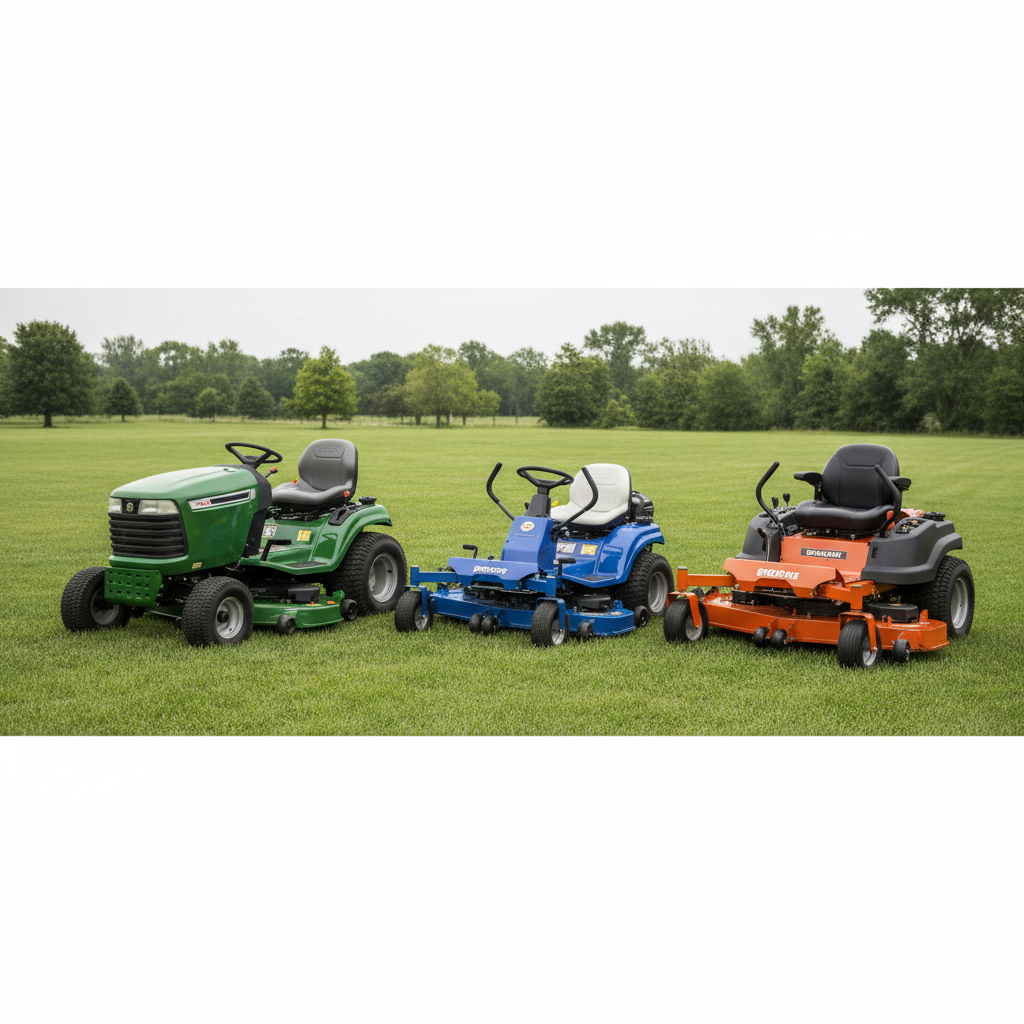
There is no universal single best lawn tractor manufacturer, as the ideal machine depends on property acreage, terrain topography, and towing requirements. John Deere leads the industry in overall build quality, deck airflow, and extensive dealer support, while Cub Cadet offers exceptional cut precision, tight steering radiuses, and hydrostatic value. For homeowners prioritizing reinforced cutting decks and ergonomic comfort, Husqvarna remains a proven alternative.
Why No Single Brand Wins for Every Property
Selecting the right lawn tractor requires looking beyond brand recognition to evaluate how machine engineering matches the physical demands of your landscape. A lawn tractor built for flat, open one-acre suburban turf requires completely different features than a machine tasked with towing utility trailers over undulating rural ground. Homeowners often debate brands based on horsepower labels, but structural durability, transaxle torque, and cutting deck aerodynamics actually dictate performance.
Manufacturers balance price point, component quality, and intended duty cycle across distinct consumer tiers. Entry-level models prioritize affordable grass cutting with lightweight stamped steel frames, whereas premium residential models incorporate heavy cast-iron front axles, reinforced cutting decks, and serviceable hydrostatic transmissions designed for decades of service.
Top Lawn Tractor Manufacturers Compared
A small group of established manufacturers dominates the North American riding tractor market. Understanding the distinct strengths of each brand clarifies which design suits your maintenance routine:
John Deere: Long recognized for dependable lawn care machinery, John Deere separates its tractor line into consumer residential models like the 100-Series (S100, S120, S130) and heavy-duty premium units like the X300 and X500 Select Series. Deere tractors are renowned for their Accel Deep and Edge cutting decks, which optimize airflow to prevent grass clumping. Dual-pedal Twin Touch hydrostatic controls provide intuitive forward and reverse maneuvering, while a nationwide dealer network guarantees parts availability.
Cub Cadet: Manufactured under Stanley Black & Decker, Cub Cadet has captured strong market share with its XT1 and XT2 Enduro Series. These tractors stand out for their class-leading 16-inch turning radius, responsive steering gear, and corrosion-resistant e-coat frame protection. Cub Cadet pairs Kohler and Kawasaki engines with dependable hydrostatic transmissions, offering an impressive blend of cutting speed, smooth operation, and competitive pricing.
Husqvarna: Husqvarna designs rugged tractors equipped with ClearCut fabricated and reinforced stamped cutting decks that excel in dense, overgrown turf. Their ergonomic high-back seats, pedal-operated hydrostatic drive systems, and heavy-duty brush guards appeal to property owners who demand durability across uneven terrain.
Craftsman and Troy-Bilt: Positioned for budget-conscious homeowners, Craftsman and Troy-Bilt offer accessible riding mowers for modest suburban yards up to 1.5 acres. While they utilize lighter-gauge frames and sealed transmissions, they provide reliable grass discharge and straightforward maintenance for basic mowing.
Key Engineering Factors to Evaluate
To determine which manufacturer delivers the best fit for your landscape, inspect the critical mechanical systems before purchasing:
Cutting Deck Construction and Size: Cutting decks range from 36 inches to 54 inches wide. Stamped decks stamped from 11-gauge to 13-gauge sheet metal offer curved airflow channels ideal for bagging and clean mulching. Heavier fabricated decks, welded from plate steel, withstand impacts from roots and rocks. When planning equipment storage, checking riding lawn mowers clearance dimensions ensures the tractor fits cleanly through garden gates and shed doorways.
Hydrostatic Transmissions vs. Gear Drive: Modern lawn tractors almost exclusively feature hydrostatic drive, which uses hydraulic fluid pressure to deliver infinitely variable forward and reverse speeds without shifting gears. Premium models employ Tuff Torq or Hydro-Gear transaxles with cooling fans and heavy internal gears capable of towing aerators, spreaders, and garden carts without overheating.
Engine Displacement and Filtration: Reliable performance stems from reputable V-twin powerplants engineered by Kawasaki, Kohler, or Briggs & Stratton. Twin-cylinder engines produce smoother power delivery, reduced vibration, and superior torque under heavy grass loads. Property owners researching conventional riders alongside gas riding lawn mowers should ensure the engine features pressurized lubrication and replaceable oil filters for prolonged longevity.
Lawn Tractors vs. Garden Tractors and Zero-Turns
A common buying mistake is confusing a lawn tractor with a garden tractor or zero-turn rider. Lawn tractors are engineered primarily for mowing lawns and light utility towing using front steering wheels. Garden tractors feature heavier frames, larger wheels, and commercial-grade transaxles capable of ground-engaging work like plowing, tilling, and grading.
Zero-turn mowers, by contrast, utilize dual independent rear wheel motors controlled by lap bars. While zero-turn platforms mow large flat fields faster and pivot instantly around trees, lawn tractors offer superior straight-line stability on gentle slopes and provide greater versatility for multi-season hauling. Evaluating alternative choices like Toro riding lawn mowers helps clarify whether front-engine tractor steering or agile lever controls best suit your landscape layout.
Frequently Asked Questions
What is the difference between a lawn tractor and a garden tractor?
A lawn tractor is designed primarily for cutting grass and towing light attachments like yard sweepers. A garden tractor features a heavier chassis, larger wheels, and heavy-duty transmission rated for ground-engaging attachments such as tillers and snow plows.
How many hours does a residential lawn tractor typically last?
With consistent maintenance, including regular oil changes, air filter servicing, and grease lubrication, a quality residential lawn tractor typically delivers between 500 and 1,000 operating hours, translating to roughly 10 to 15 years of standard suburban use.
Which lawn tractor brand is best for mowing on slopes?
Tractors with low centers of gravity, robust hydrostatic transmissions, and pressurized engine lubrication perform best on slopes. John Deere and Cub Cadet models equipped with cast-iron front axles and wide tires provide dependable traction on gentle hills up to 15 degrees.
Is a hydrostatic transmission worth the extra money over gear drive?
Yes. Hydrostatic transmissions allow smooth, seamless foot-pedal speed adjustments without stopping or clutching. This makes navigating around flowerbeds, trees, and fence corners substantially faster, safer, and less tiring for the operator.
Related Maintenance and Operating Guides
To keep your equipment running at peak operating efficiency, explore our related technical walkthroughs and maintenance tutorials:
- Consult our detailed breakdown on yard.
- Consult our detailed breakdown on marshall stanmore iii vs harman kardon onyx studio 8.
What cutting deck width should I choose for my lawn size?
For lawns between half an acre and one acre, a 42-inch cutting deck provides an ideal balance between cutting speed and agility. Properties spanning one to two acres benefit from 46-inch to 50-inch decks, while yards larger than two acres justify 54-inch decks.
Technical Standards and Compliance
Mechanical safety standards, operational tolerances, and protective gear guidelines align with benchmark specifications established by the American National Standards Institute (ANSI).









