

Many gasoline lawn mowers with 4-stroke engines can use automotive motor oil if the SAE viscosity and any listed service rating match the owner’s manual. Oil sold as lawn-mower oil is often a convenient match for common small-engine grades, not a different kind of lubricant. 2-stroke mowers are different: they need 2-stroke oil mixed with fuel or supplied as the manufacturer specifies, not a straight crankcase fill of car motor oil. Confirm the engine type and the manual before you add oil.
Can you use automotive motor oil in a lawn mower?
For a typical gasoline walk-behind or riding mower with a 4-stroke engine, the short answer is often yes, with conditions. Automotive motor oil is made for 4-stroke engines. If the bottle’s viscosity grade and any service classification named in the mower or engine manual match what that manual allows, car oil can be an acceptable substitute for oil marketed as lawn-mower oil.

Pros
- Large-size design named in product title
- Sharpening and balancing functions listed
- Listed as a new upgraded version

Pros
- Adjustable 15-to-45-degree range in title
- Sharpening and balancing functions listed

Pros
- Sharpener and balancer functions in title
- 15-to-45-degree adjustable setting listed
- Built for lawn mower blade maintenance
Pros
- Includes replacement gaskets and a 98079-55846 spark plug
- Matches Honda HRR216 and HRS216 lawn mower models
- Designed around the 16100-Z8B-901 carburetor specification
Cons
- Restricted to select Honda GCV160 mower applications
- Installation requires basic mechanical tools and skills
What must match is more than the word oil on the label. You need the right job for the oil (crankcase lubrication, not fuel mix), the viscosity the engine maker listed, and any service rating the manual actually names. Convenience packaging helps you grab a common small-engine grade quickly. It does not create a separate law of physics. A matching automotive oil and a lawn-mower-labeled oil can do the same job when they meet the same written spec.
The short answer is no when the machine is a 2-stroke, when the oil would go into gasoline instead of a crankcase, or when the grade or service class on the bottle does not match the manual. It is also no if you cannot confirm the engine type. Guessing from the aisle sign is not enough. Not every mower accepts car oil, and no single grade is correct for every climate or every engine. To evaluate matched hardware tolerances, consult our detailed overview of jbl partybox club 120 vs sony srs xv500.
Know the engine type before you pour
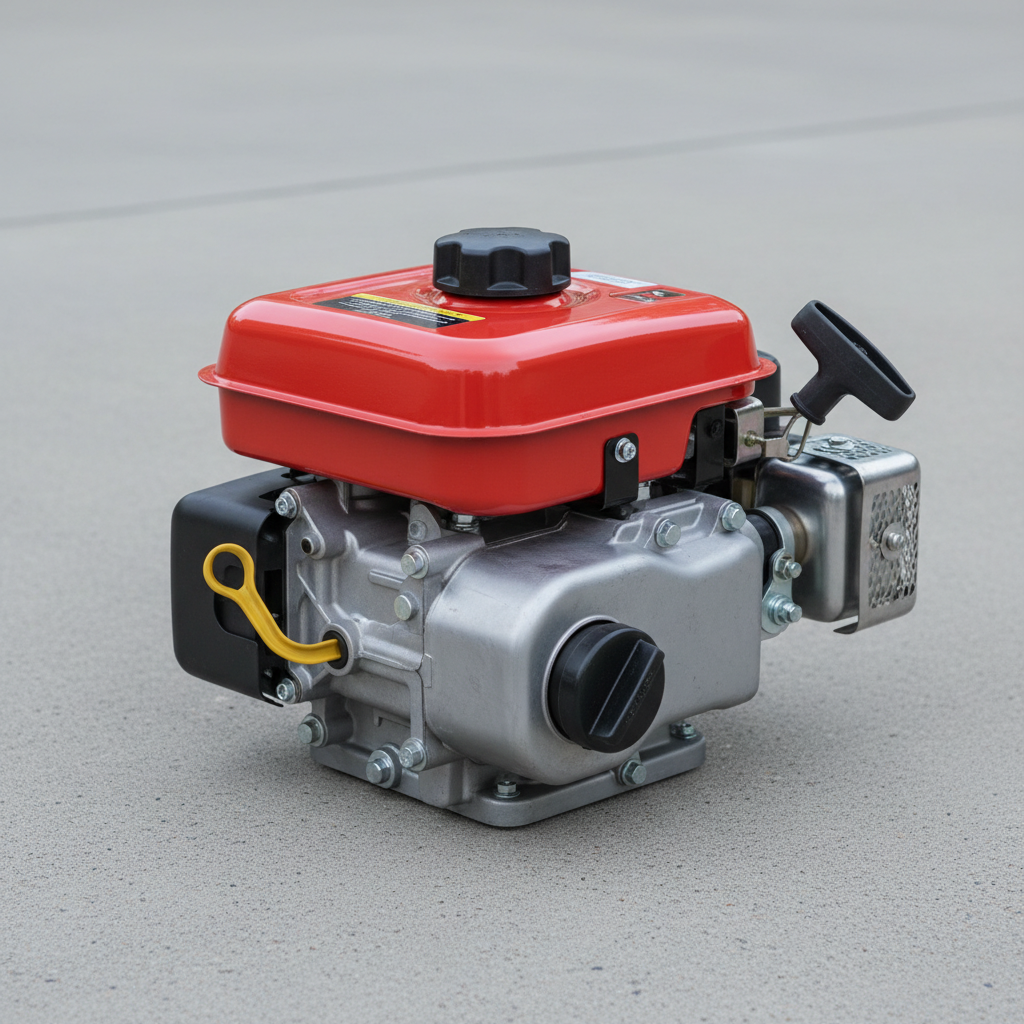
Oil does two different jobs depending on how the engine is built. Mixing those jobs up is the fastest way to damage a mower. To evaluate matched hardware tolerances, consult our detailed overview of jbl partybox club 120 vs sony srs xv500.
How oil works in a 4-stroke mower
A 4-stroke engine keeps lubricating oil in a crankcase or sump, separate from the gasoline. The oil circulates to bearings, the piston, and other moving parts, then returns to the sump. You check it with a dipstick or fill marks and change it as a liquid, not as part of the fuel. This is the usual setup on modern walk-behind mowers and riding mowers.
How oil works in a 2-stroke mower
A 2-stroke engine is lubricated by oil designed to mix with fuel and burn, or by a manufacturer-specified 2-stroke oil system. There is typically no separate crankcase fill of automotive motor oil. The oil has to be formulated to mix, lubricate, and leave the engine with the exhaust in a controlled way. Typical 4-stroke car oil is not built for that job. When planning workspace deployment, consider the engineering criteria outlined in our z890 vs x870e motherboard guide.
How to tell which engine you have
Labels and the owner’s manual beat visual guesses. Still, the machine itself often gives useful cues:
- A 4-stroke usually has a dipstick or dedicated oil fill cap and an oil drain. Fuel and oil are stored and added separately.
- A 2-stroke often has no separate crankcase fill. The tank, cap, or manual refers to mixed fuel or 2-stroke oil.
- If you see only a gas cap and no dipstick, do not assume you should pour motor oil into the tank or a random hole.
Do not assume every older mower is a 2-stroke, or that every large rider is a 4-stroke, without checking. Engine shrouds, aftermarket tanks, and missing stickers can mislead you. For additional operational safety benchmarks, see our published testing notes on marshall stanmore iii vs harman kardon onyx studio 8.
Where the oil goes on walk-behind and riding mowers
On a walk-behind 4-stroke mower, the fill port and dipstick are usually on the engine, often near the top or side of the crankcase. On a riding mower, the engine still has a crankcase fill, but the dipstick may sit farther from the seat, under a hood, or behind a panel. Some riders also have a transmission, hydrostatic drive, or gearbox that takes a different fluid. That fluid is not automatically the same as crankcase motor oil. Walk-behind and riding mowers follow the same spec logic for engine oil; only access, capacity, and extra components change.
Why the owner’s manual is the deciding source
The mower manual, or the engine maker’s guidance for that engine model, decides what is acceptable. Shelf labels and generic advice cannot see your climate, your engine family, or whether the crankcase shares duties with any other component. To compare alternative configurations, check our hands-on review of dyson v8 cyclone vs bissell featherweight stick.
The manual usually lists approved SAE viscosity grades, sometimes more than one depending on temperature; any required service classification; whether automotive oil is acceptable; how to check the level; and the basic change procedure. It may also warn about overfill, filters, or special notes for the first hours of a new engine. Those details are model-specific. Inventing a universal grade, hour interval, or capacity would be guessing.
If the booklet is missing, use the engine’s model label. Small engines typically carry a stamped or printed model, type, and code on the blower housing or a nearby plate. With that information, look up the engine manufacturer’s published oil guidance for that model. Dealer literature for the mower brand can help if it points back to the same engine guidance. A neighbor’s bottle or a one-grade rule from memory is not a reliable substitute.
Push mowers and riding mowers use the same decision process: identify the engine, read the approved viscosities and ratings, then match the bottle. Capacities and fill points differ. The authority does not. Users looking for related component recommendations can explore our bissell crosswave hydrosteam vs shark stainforce breakdown.
Matching viscosity, SAE grades, and service ratings
Viscosity describes how readily the oil flows and how well it maintains a lubricating film. Oil that is too thick moves slowly when cold. Oil that is too thin may not keep the film the designer expected when the engine is hot. Small air-cooled engines care about both ends of that range.
Single-grade and multi-grade oil
SAE grades are a shorthand for that flow behavior. A single-grade oil such as SAE 30 is commonly listed for small engines in warm weather. It does not carry a winter “W” rating, so it thickens more as temperature drops. A multi-grade oil such as 10W-30 is formulated to flow more readily when cold while still behaving like a thicker grade once the engine is hot. Manuals often list multi-grades where starting temperatures vary.
Treat those grades only as examples you may see in a manual, not as a default recipe. Some engines call for other grades. Some manuals allow more than one option. The correct choice is the one written for your engine and conditions, not the most familiar car grade in the garage.
What on the bottle actually matters
Compare the SAE grade first. If the manual also names an API or other service classification, the bottle should meet the class the manual names. Do not assume a newer passenger-car category is automatically better for a mower, or that an older category is automatically unsafe. Those judgments belong to the engine maker, not to marketing on the front label.
Words such as “high mileage,” “high mileage additive,” “racing,” “diesel,” or “for lawn and garden” are not a substitute for the written viscosity and service spec. Lawn-and-garden branding usually means the blender put a common small-engine grade in a smaller bottle. It does not prove superiority over a matching automotive oil, and it does not authorize a mismatch.
Climate, air-cooled engines, and when grade choice matters more
A mower can need a different grade than the car that shares the same driveway because the engines are cooled differently and used differently. Many lawn-mower engines are air-cooled. They can run hotter than a typical water-cooled car engine, especially in tall grass, on hills, or when the cooling fins and screen are dirty. That is one reason manuals often specify a grade suited to summer mowing rather than whatever is already in the car.
Very cold starts may call for a multi-grade oil if the manual allows it, because thicker oil flows more slowly at low temperature. A single-grade oil that is fine in midsummer can make a cold pull-start or electric start harder. Storage in a hot shed does not by itself change the in-use grade, but it is a reminder that the oil sitting in the crankcase still has to match the weather when you next run the machine. Winter use, if the manual contemplates it at all, is another reason to reread the viscosity notes instead of assuming last July’s bottle is still the right pick.
Every climate recommendation should follow the manual. Charts in owner’s books are written for that engine family. They are not a universal outdoor-temperature law, and no grade can be promised to prevent overheating. Keep the cooling air path clean and avoid overloading the deck; oil grade is not a substitute for those basics.
How to check, add, and change oil in a 4-stroke mower
Once the oil matches the manual, the remaining risk is usually level and procedure. The outline below is general. If your booklet conflicts with it, follow the booklet.
Checking the level
- Park the mower on a level surface. A tilt toward the fill side or away from it will lie to the dipstick.
- Stop the engine and let it sit briefly so oil can drain back to the sump. Do not check a roaring engine.
- Locate the dipstick or fill port. Wipe the dipstick, reseat it the way the manual describes (some thread in; some rest in the tube), then read it.
- The oil should sit between the add and full marks, or at the full mark if that is how the maker designed the stick. If there is no dipstick, use the fill-neck marks the manual shows.
Hot oil and a hot muffler can burn skin. Give the machine a moment, and keep hands and rags clear of the exhaust. If the manual says to disconnect the spark-plug lead during service so the engine cannot start, do that and keep the lead away from the plug.
Adding oil without overfilling
Add slowly, a little at a time, then recheck. Small crankcases jump from low to overfull faster than a car. Stop at the full mark. Extra oil is not extra protection. Recheck after the first short run and a brief sit if the manual tells you to, because oil can settle into passages and the reading can change.
Changing the oil
A typical 4-stroke change looks like this:
- Run the engine briefly so the oil is warm, not scalding. Warm oil drains more completely.
- Stop the engine, disconnect the spark-plug lead if required, and keep children and pets away.
- Place a drain pan under the drain plug or drain hose. Remove the plug carefully and let the oil empty.
- Replace the drain plug securely. Do not strip threads by over-tightening; use the method the manual shows.
- Refill with the specified grade. Do not pour by memory of a car’s capacity.
- Check the level, restart briefly if the procedure calls for it, shut down, and recheck.
Riding mowers may have a different dipstick location, a filter, or a drain hose routed through the frame. Change the filter only if that machine uses one and only with the type the manual names. There is no universal interval in hours or seasons that fits every engine and every duty cycle. Use the maintenance schedule written for your mower, and shorten the interval in your own judgment only when the oil is obviously dirty, fuel-diluted, or the machine works in severe dust—without treating a round number as a rule.
2-stroke mowers: do not treat car oil like crankcase oil
Typical automotive 4-stroke motor oil is not a substitute for 2-stroke oil in the fuel. 2-stroke oil is meant to mix and burn. Car oil is meant to stay in a sump, resist breakdown over a long drain interval, and work with a different set of additives. Putting unmixed car oil in a 2-stroke fuel system, or treating the gas tank like a crankcase, can starve the engine of the lubrication it was designed to get, leave heavy deposits, or make the machine smoke and run poorly.
If someone pours straight motor oil into 2-stroke fuel, or uses the wrong oil in a 2-stroke oil tank, do not keep running the engine to see what happens. Fresh fuel mixed with oil labeled for 2-stroke engines, at the ratio named by the engine manual and the oil maker together, is the conservative correction when the mistake is caught early. There is no universal mix ratio that is safe to publish for every saw, trimmer, or mower. The number on the oil bottle and the number in the engine book have to agree; if they conflict, stop and resolve that before you mix a can.
Do not experiment with diesel engine oil, outboard oil, cooking oil, or leftover 4-stroke motor oil in the gas can. Buy oil labeled for 2-stroke engines and follow the mixing instructions that apply to that product and that engine.
Small-engine oil, synthetic oil, and what the label does not guarantee
Oil labeled for lawn mowers is usually a preselected viscosity for common small engines. That is convenient when you do not want to decode a wall of automotive bottles. It is not automatically superior to an automotive oil that meets the same written viscosity and service requirements. Compare the spec, not the shelf category.
Synthetic or synthetic-blend motor oils are acceptable only when they meet the manual’s viscosity and service requirements. A synthetic base is not a license to ignore the book, extend drains by a guessed factor, or assume the engine will run cooler by a stated amount. Conventional oil that matches the spec is still the oil the manual approved if that is what it lists. Marketing claims about longer engine life or lower temperature are not a substitute for the grade the designer named.
Detergent packages and high-mileage passenger-car formulas should not be assumed safe or unsafe as a class. Some small-engine manuals accept modern automotive oils; some are picky. The manual is the filter. Do not treat detergent as a known harm or a known benefit for rings, valves, or clutches unless your documentation says so.
On some riding mowers, a wet clutch, gearbox, transaxle, or hydraulic drive has its own fluid specification. Those components must not be assumed to take crankcase motor oil. Using engine oil in a hydrostatic reservoir, or drive fluid in the crankcase, is a different mistake from choosing SAE 30 versus 10W-30 for the engine.
Risks of the wrong oil or the wrong amount
Oil that is much too thick for the conditions the manual assumed can hinder cold starting and slow flow to parts that need a film right away. Oil that is much too thin may not protect parts as designed when the engine is hot. Either mismatch can increase wear. That is a reason to match the book, not a promise that one wrong fill will destroy an engine on a timetable.
Underfilling can starve moving parts. A low sump also makes it easier for the pickup to gulp air on slopes. Overfilling can whip oil into foam, raise crankcase pressure, push oil past seals, foul the spark plug, and send oily smoke out the exhaust. The mower may run messily or leak onto the deck and belt area.
Using 2-stroke practice on a 4-stroke—such as pouring mix oil into the crankcase as if ratio math applied—or putting car oil in 2-stroke fuel can cause poor lubrication or heavy deposits. Putting gasoline in the crankcase, or oil in a 4-stroke fuel tank, is a contamination problem, not a lubrication upgrade.
Warranty language varies by brand and by what actually failed. Ignoring the manual can give a manufacturer a reason to deny an oil-related claim. That is not the same as saying every use of automotive oil voids warranty as a legal fact. Keep the receipt for the oil and follow the written spec if a warranty matter matters to you.
If you already used the wrong oil or overfilled
If the only issue is a matching-viscosity automotive oil in a 4-stroke that allows that oil, you may not need to do anything beyond confirming the level and looking for leaks or smoke on the next run.
Do not keep running the engine just to see what happens if the grade is clearly wrong, the crankcase is overfilled, oil went into the fuel of a 4-stroke, automotive oil went into 2-stroke fuel, or gasoline went into the crankcase. A drain, correct refill, and—for a 2-stroke—fresh fuel mixed as specified is the conservative next step when the engine has barely run. A drain is not a promise that no damage occurred.
Stop and seek a small-engine technician if the machine already ran poorly, smoked heavily, knocked, refused to start after the mistake, or locked up. Do not tear the engine down from a generic article, and do not pour chemical flushes or solvents into the crankcase unless a qualified shop directs that for your specific engine. If you are unsure whether the oil reached the combustion chamber or a drive unit, treat that uncertainty as a reason to get the machine inspected before more mowing.
Used oil, spills, and basic safety
Used motor oil and oily rags belong in closed containers, away from children, pets, and heat. Take used oil to a local household-hazardous-waste site or an auto-parts collection point that accepts it. Do not dump it on soil, in household trash, or down a drain. Wipe spills so they are not a fire or slip hazard on the garage floor or the mower deck.
While you check or change oil, work on a level surface, keep the mower stable, and respect hot surfaces. Disconnect the spark-plug lead when the manual calls for that. Wash skin that contacts used oil and do not leave open pans where someone can step in them.
Never substitute cooking oil, hydraulic fluid, gear oil, diesel engine oil, or gasoline for specified 4-stroke crankcase oil. Those fluids are built for other jobs. The right answer to “can I use motor oil in my lawn mower” is still conditional: many 4-stroke mowers can, when the viscosity and listed ratings match the manual; 2-stroke mowers cannot use car oil as if it were crankcase fill or an improvised fuel mix.
For more hands-on benchmarks and buying recommendations, consult our guides on heavy-duty chainsaw buyer guide, as well as automated robotic lawn mower guide.
Mechanical safety standards, operational tolerances, and protective gear guidelines align with benchmark specifications established by the American National Standards Institute (ANSI).









