
Quick Answer: How To Start A Flooded Lawn Mower?
A flooded gasoline lawn mower has too much fuel for the spark to ignite a normal mixture. Stop priming and stop cranking with the choke closed. Outdoors and away from flames, set the controls to run or choke-off and try again after excess fuel can clear. If it still will not fire, disconnect the spark-plug lead, dry or replace the…
What a flooded lawn mower engine is
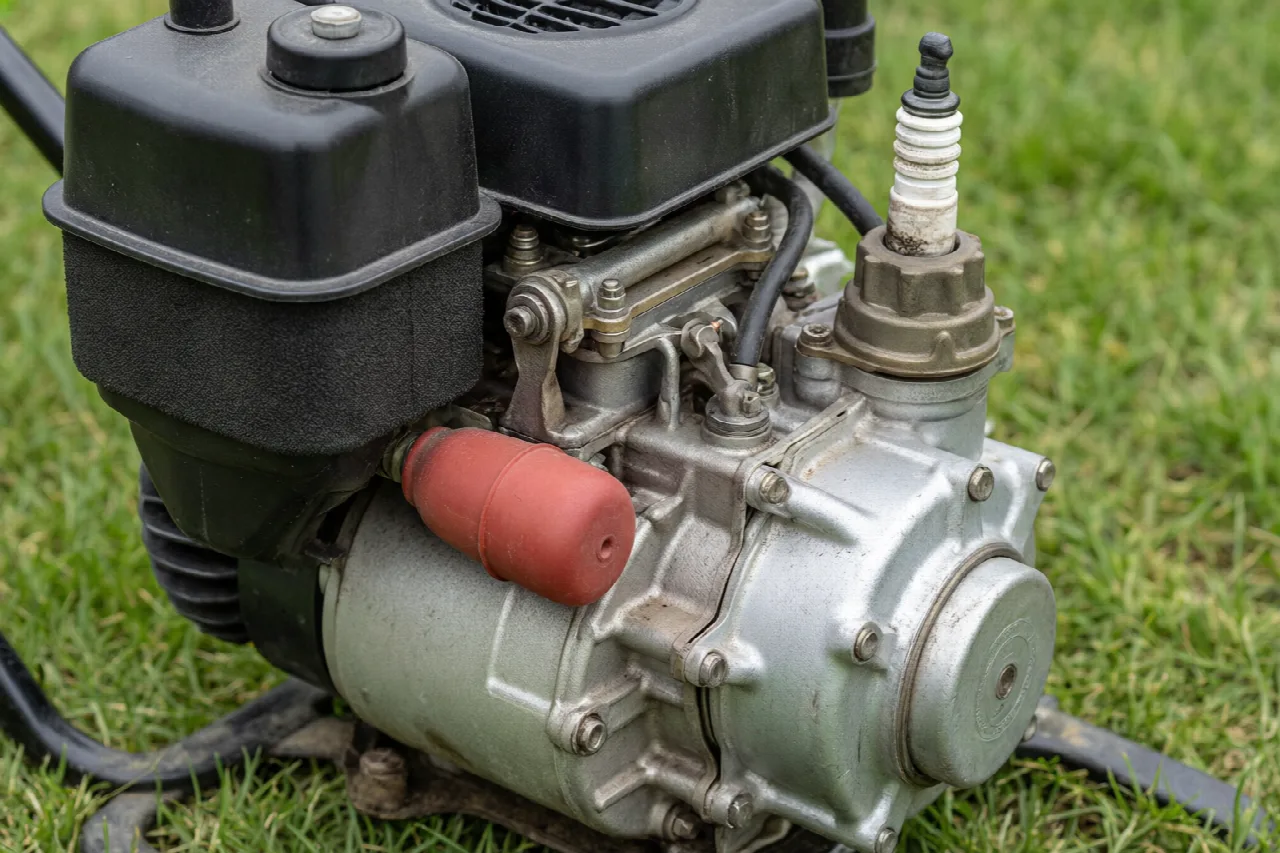
A flooded engine is not automatically a ruined engine. On a typical walk-behind gasoline lawn mower, flooding means the combustion chamber and the nearby intake passages hold more gasoline than the spark can light. A 4-stroke small engine needs a workable balance of air and fuel. When the mixture is too rich, the plug may still spark, but the charge will not burn cleanly enough to keep the piston moving. The starter rope still pulls. Safety controls still click. The engine simply will not catch, or it pops once and dies.
That distinction matters because several other no-start problems feel similar from the handle. An empty tank, a closed fuel valve, stale gasoline after storage, a soaked paper air filter, a cracked spark plug, or a loose spark-plug boot can all produce a silent or coughing engine. Flooding is specifically a rich-mixture problem. Treat the signs below as typical clues, not as a laboratory diagnosis and not as proof of every possible cause. For broader ecosystem context, read through our operational guide on jbl partybox club 120 vs sony srs xv500. For complementary hardware performance, examine our breakdown on riding lawn mower.
What “flooded” means in a small gasoline engine
In a typical 4-stroke walk-behind mower, air enters through the air filter and carburetor. Gasoline is metered by the carburetor. Many machines also have a primer bulb that pushes a small extra charge toward the intake when the engine is cold. A choke plate can reduce incoming air so the first revolutions see a richer mix. The spark plug then ignites that mix in the combustion chamber.
Flooding happens when gasoline outruns air. Liquid fuel can wet the spark-plug electrode, wash lubricating oil from the cylinder wall, and leave a raw gasoline smell at the muffler, primer, or air filter. A wet or fuel-washed plug is a common finding after over-priming or after many failed starts with the choke closed. It is still only a clue. The same wet plug can reappear immediately if the carburetor keeps feeding fuel after you have dried the cylinder once.
Signs that point toward excess fuel
Look for a pattern, not a single symptom:
- A sharp gasoline odor at the air intake, muffler, or around the carburetor after failed start attempts.
- A spark plug that looks wet, shiny, or washed with fuel rather than dry.
- An engine that cranks freely but will not idle or take throttle.
- A foam or paper air filter that is damp with fuel.
- Fuel dripping from the carburetor bowl area after the mower has been sitting.
Little or no fuel smell and a bone-dry plug point away from a current flood. An empty tank, a shut fuel valve, or a tank cap that cannot vent can starve the engine instead. Those are different jobs. A plug that is dry and still produces no fire points toward ignition, a disconnected lead, or another fault, not toward more primer strokes.
Everyday starting mistakes that flood a walk-behind mower
Many floods on a typical walk-behind 4-stroke come from starting technique rather than a sudden internal failure. Extra primer pumps after the engine already smells of fuel add liquid that the spark cannot use. Leaving the choke closed through many rope pulls keeps air out while more fuel arrives. Repeated failed starts without opening the choke or pausing can load the combustion chamber. Using a full cold-start routine on an engine that is already warm does the same thing. Holding the primer as if more fuel were always better is another reliable way to create a rich mixture.
A carburetor that does not shut off fuel can flood the engine even when your technique is careful. Inside many float-type carburetors, a float and inlet needle are supposed to stop gasoline from entering the bowl once the level is high enough. If the needle sticks, the float cannot rise, or debris holds the seat open, fuel keeps arriving. Clearing the cylinder once will not hold if the carburetor is still overflowing onto the air filter or into the intake.
What this article does not treat as the same job
This sequence is general 4-stroke walk-behind practice. A 2-stroke mower that uses mixed oil and gasoline, a riding mower with a different control layout and often a different fuel system, and any electric or battery mower are not the same task. Electric machines have no carburetor flood. Riders may have more than a primer and a choke lever, and a rider that starts but will not move is usually not a flooding problem. If your machine is one of those, use its manual rather than forcing these steps onto it.
Safety checks before you touch fuel or the spark plug
Gasoline vapors ignite easily. A hot muffler can burn skin and can ignite spilled fuel. A mower that still has the spark-plug lead connected can kick when you do not expect it. Put those risks ahead of any urge to keep pulling the rope.
Where the work should happen
Do this outdoors or in a space with strong, continuous ventilation. Do not open the fuel system in a closed garage. Keep cigarettes, pilot lights, grinders, and other sparks away from the mower and away from rags that have absorbed fuel. Keep children and pets away from the deck, the starter rope, and any open gasoline. For complementary field maintenance guidelines, examine our breakdown of dyson v8 cyclone vs bissell featherweight stick.
If the engine or muffler is still hot
Let the machine cool until you can handle the spark-plug area and nearby metal without burning yourself. Spilled gasoline on a hot muffler or engine is a fire hazard. If you already smell a large amount of fuel on a hot engine, stop, move people away, and do not keep cranking. Follow the owner’s manual and local fire guidance rather than improvising around a hot, wet engine.
When the spark-plug lead must come off
Disconnect the spark-plug boot before you remove the plug or put your hands near the blade path for any reason other than a normal start attempt. Pull the boot itself when you can, rather than yanking the wire. With the lead off, the engine is much less likely to kick over while a wrench is on the plug. Reconnect the boot only when you are ready for a deliberate start attempt. To evaluate matched hardware tolerances, consult our detailed overview of bissell crosswave hydrosteam vs shark stainforce.
What you should not do
- Do not siphon gasoline by mouth.
- Do not work in a closed room with the fuel system open.
- Do not smoke or set an exposed-element work light next to the carburetor.
- Do not crank the engine with the plug removed while anyone stands in line with the plug hole. Raw fuel can spray out.
- Do not pile gasoline-soaked rags indoors. Follow local guidance for those materials; storage and disposal rules are not universal.
If fuel lines are cracked, the tank is leaking, or a carburetor bowl is missing or hanging loose, stop. That is a service problem, not a starting trick.
How to clear the flood and start the mower
This is general small-engine practice, not a guaranteed recipe and not a substitute for the starting decal on your handle. Control symbols, primer use, and choke positions vary by machine. When the decal or owner’s manual disagrees with a generic sequence, the decal and manual win.
Stop adding fuel immediately
Stop pressing the primer. Stop holding a closed choke through more failed pulls. More gasoline will not correct a mixture that is already too rich. If the mower has a fuel shutoff, you may close it later if you need to stop flow for inspection or service. The first move is simply to quit enriching the mix.
Set the controls so the engine can breathe
On many walk-behind mowers you will move the choke to Off, Open, or Run, depending on how the lever is labeled; set a separate throttle to a high or Run position if the mower has one; and leave the primer untouched. Some engines use a single lever that combines choke and throttle. Some use a choke you close only for a cold first start. Read the symbols on your machine. After a flood, the goal is more air, not more fuel.
Wait, then try a first restart without extra fuel
Waiting in a ventilated place can help excess gasoline evaporate from the intake and combustion chamber. There is no single required wait that applies to every engine and every outdoor temperature, so do not treat a kitchen-timer value as a rule. Give the machine a pause, then pull the starter or use electric start without priming again.
A short series of starter pulls with the choke open is a reasonable first try. “A short series” is a qualified description, not a required count. If the engine coughs, keep the choke off, or only flick it closed briefly if the machine is cold and then open it again. If nothing changes, stop cranking. Continuous pulling can flood the engine again and keeps you next to an open fuel system for no benefit.
When to look at the air filter or spark plug
If the open-choke attempt fails and the engine still smells strongly of raw gasoline, inspect the air filter and, if you are comfortable with basic tools, the spark plug. You do not need to strip the carburetor for this step.
A paper filter that is wet with fuel may need to dry fully or be replaced, depending on its type and how soaked it is. A foam filter that is only fuel-damp may be dried according to the manual; do not invent a cleaning chemical here. Do not make a habit of running the engine with a missing filter in dusty grass. For a short clearing attempt, some people briefly run without a soaked paper element so the engine can breathe, then they refit a dry filter. Follow the manual if it forbids running without the element.
How to handle a wet plug and clear raw fuel
Work only on an engine that is cool enough to handle. Disconnect the spark-plug lead first. Brush loose debris from around the plug so grit does not fall into the hole. Remove the plug with the correct socket, and keep the hole aimed away from people, pets, and ignition sources.
If the plug is wet with fuel, dry it with a clean lint-free cloth or replace it with the type specified for that engine. Do not guess a heat range or gap from memory if the manual lists a specific plug. With the plug still out and the lead still disconnected, pull the starter a short series of times to expel liquid fuel from the combustion chamber. Expect a mist of gasoline. Keep that spray off hot metal and away from your face.
Refit a dry plug by hand so you do not cross-thread it, then snug it. This article will not give a torque figure or a gap setting; those belong in the manual for your engine. Reconnect the boot firmly.
Do not pour gasoline down the spark-plug hole. Do not remove the carburetor to dump the bowl unless you already know that job and have a way to catch fuel outdoors. Do not use ether or aerosol starting fluid, especially on a hot engine. Those products are easy to misuse and sit outside a conservative clear-and-start sequence.
How to set up the next start attempt
After the plug is back in, attempt a start with the choke off, or only briefly on if the engine is truly cold and the manual calls for it. Set a separate throttle to Run or high. Do not use the primer, or use it only as the decal shows for a dry, cold start, not for an engine that just had a wet plug. Hold the blade-brake or safety bail as the machine requires. Make one measured series of pulls, then stop and reassess.
If fuel pours from the carburetor, the air filter soaks again immediately, or a strong leak appears, stop. That is no longer a simple flood from over-priming.
If the mower still will not start
A careful clear-and-dry attempt should either produce a start or tell you the problem is not a one-time puddle of fuel. The items below are possible explanations, not conclusions. Do not keep adding gasoline to “test” each idea.
The plug may still be the weak point
A plug can be wet again if the carburetor is still feeding. It can also be cracked, worn, heavily carboned, or simply the wrong type for the engine. A plug that was wiped once may still not spark well. Replacement with the specified plug is a modest next step. Do not invent compression readings or a replace-by-hours interval that your manual does not give.
Air filter, stale fuel, and a clogged tank vent
A soaked paper air filter can choke the engine almost as effectively as a closed choke plate. Old gasoline can smell sour or varnish-like and can leave gum in the carburetor so the engine is hard to start even when it is not flooded. People then over-prime, and a storage problem becomes a flood. A tank cap or vent that cannot let air in can also starve the carburetor after a few seconds of running.
If the mower sat for months with untreated fuel in the bowl, you may be looking at varnish and clogged passages rather than a simple flood. That is a different repair. Distinguishing the two keeps you from flooding a machine that was already reluctant to start for another reason.
Thinking about spark without unsafe testing
If you need to confirm spark, prefer a purpose-made inline tester and the procedure in the owner’s or service manual. Do not treat holding a live plug against the block as a casual trick. You can get a shock, you can ignite fuel vapors, and a faint spark in open air does not always match spark under compression.
Fuel dripping after the mower sits
Gasoline that continues to drip from the carburetor after shutdown often points to a float and inlet needle that are not shutting off. Debris, a worn needle, a stuck float, or a bowl that was disturbed can cause this. Clearing the cylinder will not last. Repeated starting only pumps more fuel onto the ground and into the air filter. That is a service job or a skilled carburetor repair, not another round of priming.
Electric start and a weak battery
Some walk-behind mowers have electric start. A weak battery can make the engine turn too slowly to start, which feels like a no-start. That is not flooding. Slow cranking plus a closed choke can, however, create a flood on top of a battery problem. Charge or test the battery according to the manual rather than holding the key and the choke together.
Empty tank, flood, or storage varnish
- Empty or shut-off fuel: little smell of raw gas at the intake, a dry plug, and no reason to keep priming.
- Flood: a strong raw-fuel smell, a wet plug, recent extra priming, or a choke left closed.
- Storage varnish: hard starting after a long sit, a possible stale-fuel odor, and flooding only after the operator keeps priming a machine that will not catch.
Keep 2-stroke oil mix and rider drive systems out of the diagnosis unless you have already identified that machine.
When to stop DIY and get the mower serviced
Stop immediately if you see continuous fuel leaks, fuel on a hot engine, visible dripping from the carburetor after shutdown, a strong indoor fuel odor, damaged spark-plug threads, or no start after a careful clear-and-dry attempt. Further rope pulls will not make a leaking inlet needle safer.
Jobs beyond a basic clear-and-start attempt
Leave these to a qualified technician unless you already have the skill, the manual, and a safe outdoor workspace:
- Carburetor disassembly, float and inlet-needle replacement, and bowl gasket work.
- Ignition-coil or flywheel work.
- Blade-brake, flywheel-key, and under-deck repairs that require the blade to come off.
- Fuel-tank or line replacement when there is an active leak.
Shop prices, part prices, and how long a carburetor cleaning takes vary. They are not useful as universal claims, and they do not change the stopping point: if fuel keeps leaking or the engine will not start after a careful clear-and-dry attempt, further DIY cranking is the wrong next step.
What to tell a shop so the visit is useful
Bring the model and type numbers from the mower and from the engine if they are on separate labels. Describe what you already did in plain language: whether the engine smelled flooded, whether you over-primed, whether the choke was left closed, whether fuel drips while the machine sits, and whether the plug was wet. That information is more useful than a guess about a named part.
How to avoid flooding the next start
There is no universal primer-pump count and no universal number of seconds to leave the choke closed. The starting decal on the mower is the procedure written for that control layout.
Cold engines versus already-warm engines
A cold engine often needs choke and, on some designs, a small number of primer strokes. A warm engine that just died in the yard usually needs little or no choke and no extra primer. Using a full cold-start routine on a hot engine is a typical path back to a rich mixture.
Habits that create another flood
- Pulling the rope many times with the choke closed after the engine has already coughed.
- Pumping the primer “just to be sure” when you already smell gasoline.
- Ignoring a drip from the carburetor and trying to start through it.
- Letting a paper filter stay fuel-soaked and compensating with still more primer.
Storage and fuel habits that make the next start harder
Gasoline that sits for a long time can go stale and can leave deposits that make cold starting difficult. Hard starting then tempts people to over-prime. Check the owner’s manual for how that manufacturer wants the mower stored. Whether to use a stabilizer, whether to run the bowl dry, and how long fuel may be left in the tank are not universal rules. This article will not name a brand, dose, or octane grade as a required fix.
Keep the air filter clean and dry, keep the spark-plug boot fully seated, and stop a start attempt when the engine smells flooded instead of adding more fuel. Those habits prevent most repeat floods on an otherwise healthy walk-behind 4-stroke.
Buyer FAQs: How To Start A Flooded Lawn Mower Solved
Can you start a flooded mower by only waiting?
Sometimes. If the flood is light and the carburetor is not still feeding, opening the choke and waiting in fresh air can be enough. If the plug is wet or fuel is dripping, waiting alone is often not enough.
Should you remove the spark plug every time?
No. Change the controls first. Remove the plug when the smell is strong, open-choke pulls fail, and you can work on a cool engine outdoors with the lead disconnected.
Does a flooded engine mean the carburetor must come off?
Not at first. Over-priming and a closed choke can clear without carburetor work. Ongoing dripping after the mower sits is a stronger reason to treat the float and inlet needle as a service issue.
Technical Standards and Compliance
For more hands-on benchmarks and buying recommendations, consult our guides on heavy-duty chainsaw buyer guide, as well as high-CFM commercial leaf blower guide.
Mechanical safety standards, operational tolerances, and protective gear guidelines align with benchmark specifications established by the American National Standards Institute (ANSI).