Mow your lawn when the grass is dry and actively growing, typically once a week during the peak growing season (spring and early summer), and adjust frequency based on growth rate. The best time of day is mid-morning (around 8–10 AM) after dew has dried but before the heat of midday, or early evening (4–6 PM) to avoid stressing the grass. Avoid mowing during drought, extreme heat, or when the grass is wet, and never cut more than one-third of the grass blade height at a time.
What Is the Best Time of Day to Mow?
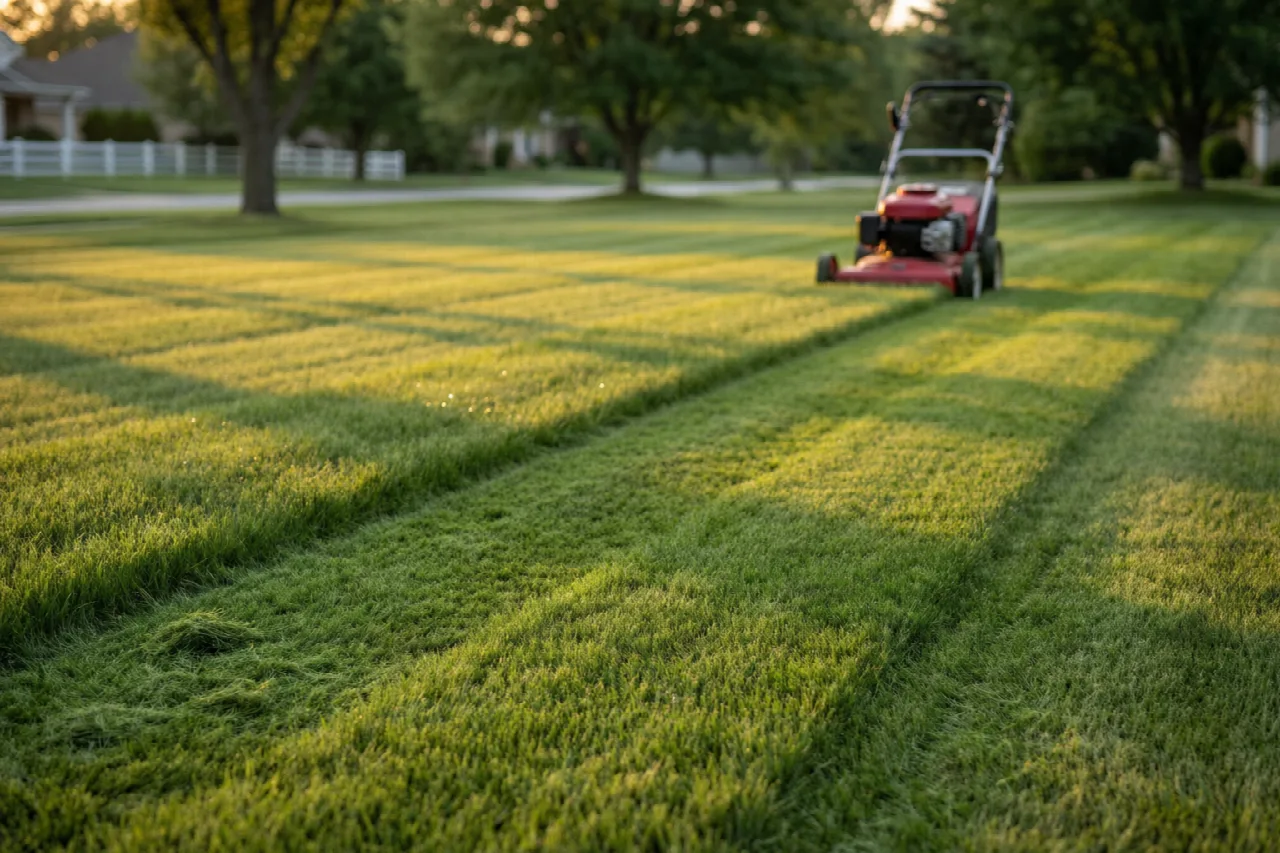
Timing your mowing within the day can make a noticeable difference in the health of your lawn. The goal is to cut when the grass is dry and the temperatures are mild, so the grass recovers quickly rather than struggling through stress.
Why Mid-Morning or Early Evening Is Recommended
Mid-morning, roughly between 8 and 10 AM, is often ideal because the morning dew has had time to evaporate, leaving the blades dry and easier to cut cleanly. The temperature is still moderate, so the grass is not yet under the intense heat of the afternoon. Early evening, around 4 to 6 PM, is another strong option because the sun is less intense and the grass has the cooler overnight period to recover before the next day’s heat arrives.
The Risks of Mowing in the Heat of Midday
Mowing during the hottest part of the day, typically from late morning through mid-afternoon, can stress the grass. High temperatures cause moisture to evaporate quickly from the freshly cut blades, which can leave the lawn looking scorched and increase water loss. The mower operator also faces greater heat exposure, making the task less comfortable and more tiring. If midday is your only option, consider raising the mower deck slightly and watering afterward to help the grass recover.
Should You Mow When the Grass Is Wet?
Mowing wet grass is generally not recommended. Wet blades tend to clump together, which can lead to an uneven cut and leave clumps of clippings on the lawn. Wet conditions also increase the risk of fungal diseases, because the moisture can be spread by the mower and the clippings can smother the grass underneath. If the grass is only lightly damp from dew, waiting until it dries is the safer choice.
How Often Should I Mow During the Growing Season?
Frequency depends on how quickly your grass grows, which is influenced by the season, the climate, and the type of grass you have. The key is to mow often enough that you never remove more than one-third of the blade height in a single cut.
Mowing Frequency in Spring and Early Summer
During the peak growing season, which for many lawns is spring and early summer, grass can grow rapidly. In most cases, mowing once a week is sufficient, but some fast-growing lawns may need mowing every five to seven days. The best guide is to watch the grass: when it reaches about one-third above your desired height, it is time to mow.
When to Reduce Mowing Frequency
As summer heat and drought arrive, grass growth often slows, especially for cool-season varieties. During these periods, you can reduce mowing to every ten days or even every two weeks, depending on growth. Mowing less frequently during stress helps the grass retain moisture and reduces the risk of damage from cutting too short.
Adjusting for Cool-Season vs. Warm-Season Grasses
Cool-season grasses, such as Kentucky bluegrass, fescue, and ryegrass, grow most actively in spring and fall, so they need more frequent mowing during those times and less in the heat of summer. Warm-season grasses, like Bermuda, Zoysia, and St. Augustine, thrive in the summer heat and may need more frequent mowing during the hottest months. Understanding your grass type helps you set a realistic schedule.
What Grass Height Should I Maintain?
Maintaining the correct mowing height is one of the most important parts of lawn care. The right height keeps the grass healthy, helps it compete with weeds, and supports a strong root system.
The One-Third Rule
The one-third rule is a simple guideline: never remove more than one-third of the grass blade height in a single mowing. For example, if you want to keep your lawn at 3 inches, you should mow when it reaches about 4.5 inches. Cutting off more than one-third can shock the grass, expose the soil, and encourage weed growth.
Recommended Heights for Common Grass Types
Different grass types have different ideal heights. Cool-season grasses generally do well at 2.5 to 3.5 inches, while warm-season grasses often prefer a shorter cut of 1 to 2 inches, depending on the variety. St. Augustine grass, however, is an exception and prefers a taller height of around 3 to 4 inches. Always check the specific recommendation for your grass type and adjust for your local conditions.
How Mowing Height Affects Root Health and Weed Resistance
Keeping grass at the proper height encourages deeper root growth, which makes the lawn more drought-tolerant and better able to access nutrients. Taller grass also shades the soil, reducing moisture loss and making it harder for weed seeds to germinate. Cutting too short, sometimes called scalping, can weaken the grass and leave the lawn vulnerable to weeds and disease.
When Should I Avoid Mowing?
There are times when mowing does more harm than good. Recognizing these conditions can save your lawn from unnecessary stress and damage.
Avoid Mowing During Drought or Heatwaves
During a drought or an extended heatwave, grass is already under stress from lack of water. Mowing adds additional stress and can increase water loss from the cut blades. If the lawn is brown or dormant, it is best to leave it alone until conditions improve. If you must mow, raise the deck height and avoid cutting too short.
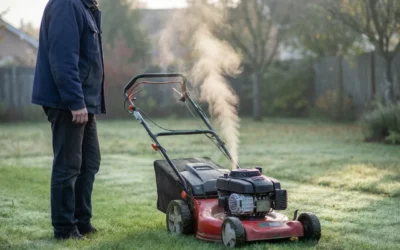
Mowing Frozen or Frost-Covered Grass
Mowing frozen or frost-covered grass can damage the blades, leaving them bruised and more susceptible to disease. The cold makes the grass brittle, so the mower can tear rather than cut cleanly. Wait until the frost has thawed and the grass has had time to recover before mowing.
The Problems with Mowing Wet Grass
As mentioned earlier, mowing wet grass can lead to an uneven cut, clumping, and the spread of fungal diseases. Wet soil can also be compacted by the weight of the mower, which reduces oxygen flow to the roots. For the healthiest lawn, wait until the grass is dry before mowing.
How Do Weather and Seasonal Changes Affect Mowing?
Your mowing schedule will naturally shift as the weather and seasons change. Being flexible and observant helps you keep the lawn healthy all year.
How Rainfall Affects Mowing Frequency
Rainfall is a major driver of grass growth. After a period of rain, grass can grow quickly, so you may need to mow more often. Conversely, during a dry spell, growth slows and mowing becomes less frequent. Always let the grass dry out after rain before mowing to avoid the issues associated with wet grass.
When to Stop Mowing in Autumn or Winter
As temperatures cool in autumn, growth slows for warm-season grasses and eventually stops for cool-season grasses once the soil gets cold. In many regions, the last mow of the season happens in late fall. During winter, most lawns go dormant and do not need mowing. The exact timing depends on your climate and grass type.
Adjusting Mowing in Spring When Growth Accelerates
In spring, as temperatures warm and days lengthen, grass growth accelerates. You may need to increase mowing frequency from every two weeks to once a week or more. Starting the season with a slightly higher cut and gradually lowering it can help the lawn transition smoothly.
Frequently Asked Questions About Mowing Timing
Here are answers to some common questions about when and how to mow.
Is It Better to Mow Before or After Fertilizing?
It is generally better to mow before fertilizing. Mowing first removes excess growth and allows the fertilizer to reach the soil more easily. After mowing, you can apply the fertilizer and water it in if needed. Avoid mowing immediately after fertilizing, as the mower can pick up and redistribute the granules unevenly.
Can I Mow in the Evening Without Harming the Lawn?
Yes, early evening is a good time to mow, as long as the grass is dry. The cooler temperatures reduce stress on the grass, and the overnight period gives it time to recover. Just be sure to finish before it gets too dark to see clearly, and avoid mowing when the grass is wet from evening dew.
What Should I Do If I Miss a Mowing and the Grass Is Too Tall?
If the grass has grown too tall, do not try to cut it all at once. Instead, raise the mower deck to a higher setting and make a first pass to remove the top portion. Then lower the deck and make a second pass to reach your desired height. This approach follows the one-third rule and avoids stressing the grass.