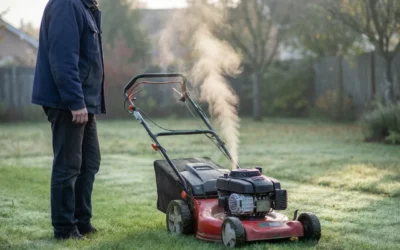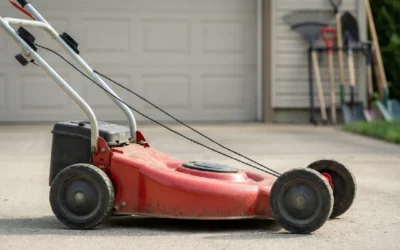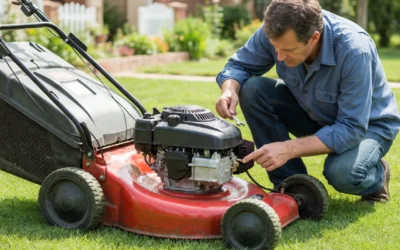
A lawn mower that won’t start usually has a fuel, spark, air, or compression problem. Check in this order: confirm there is fresh fuel in the tank, verify the spark plug is clean and producing a spark, inspect the air filter for clogs, and check the carburetor for blockages. For electric or battery mowers, check the battery charge and connections. If the engine turns over but won’t fire, the issue is likely fuel or spark; if it won’t turn over at all, suspect the battery, starter, or a locked engine.
Start With the Fuel System
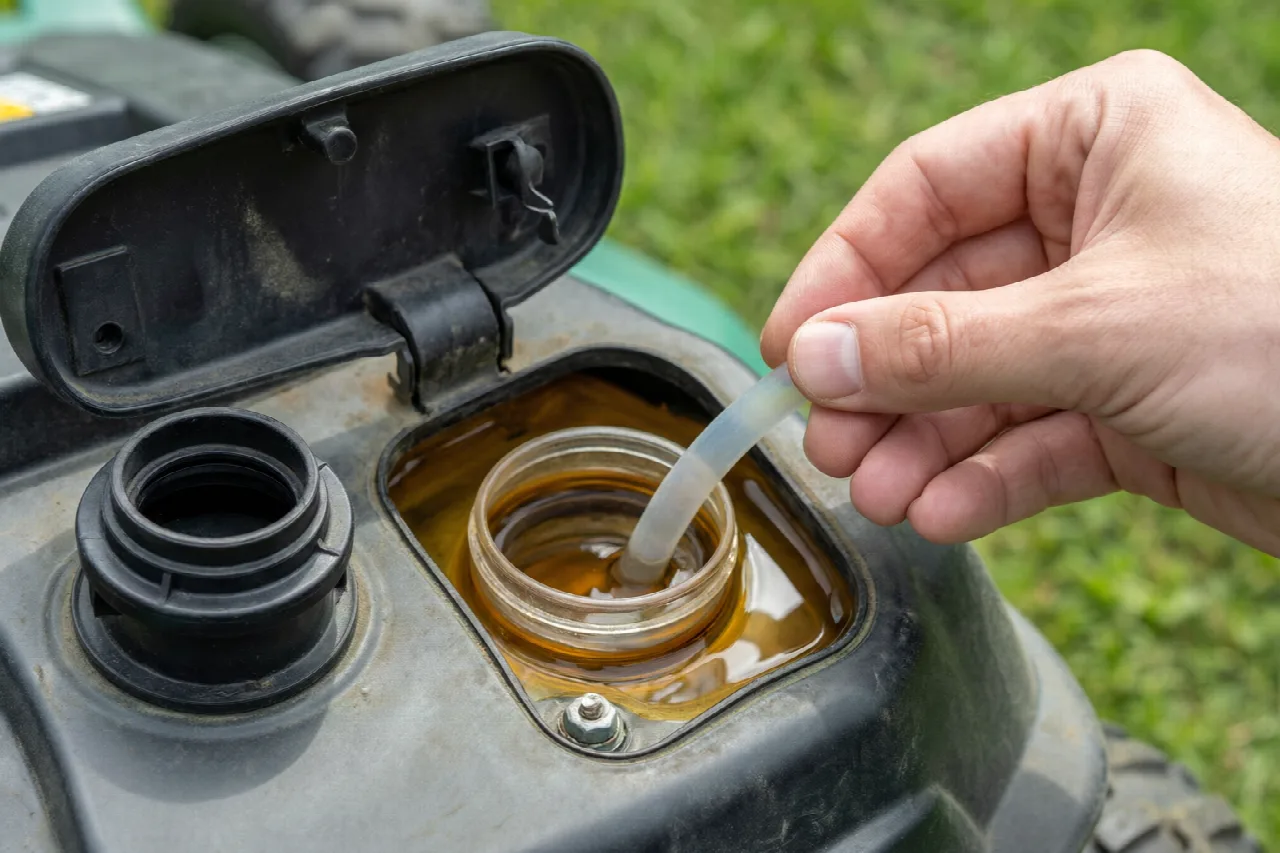
The most common reason a lawn mower won’t start is a fuel system problem. Begin by confirming there is fresh fuel in the tank—fuel older than 30 days can degrade and lose combustibility, especially if mixed with ethanol. Stale fuel clogs the carburetor and prevents the engine from firing. If your mower has been stored for months, drain the old fuel and replace it with fresh gasoline.
Next, inspect the fuel line for cracks or leaks and check the fuel filter for blockages. The fuel filter, typically located between the tank and carburetor, can become clogged with sediment and prevent fuel from reaching the engine. If the filter is dirty, replace it. Water contamination in the fuel tank is also a common culprit—if you suspect water, drain the tank, clean it, and refill with fresh fuel. For mowers with a fuel shutoff valve, verify it is in the open position. Poor fuel flow is responsible for a significant portion of starting failures on small engines.
Check the Spark Plug
A worn or fouled spark plug prevents ignition and is the second most common cause of starting failure. Remove the spark plug wire and unscrew the spark plug from the engine head using a spark plug socket. Inspect the electrode for heavy carbon buildup, corrosion, or gap widening. A spark plug covered in black soot indicates a rich fuel mixture or incomplete combustion.
To test whether the spark plug produces a spark, reinstall it in the wire, hold the threaded end about 1/4 inch from a bare metal part of the engine, and pull the starter cord. You should see a thin blue spark jump the gap. If no spark appears, the spark plug is dead and needs replacement. Most lawn mowers use a standard spark plug gap of 0.028 to 0.031 inches, though consult your manual for your specific model. Replacing a fouled spark plug is often an immediate fix and costs only a few dollars.
Inspect the Air Filter and Carburetor
A clogged air filter restricts oxygen flow to the engine and prevents proper combustion. Locate the air filter housing on the engine—it is typically a plastic or metal canister connected to the carburetor. Remove the filter and hold it up to light; if no light passes through it, the filter is too dirty and must be replaced. Even a partially clogged filter can cause hard starting.
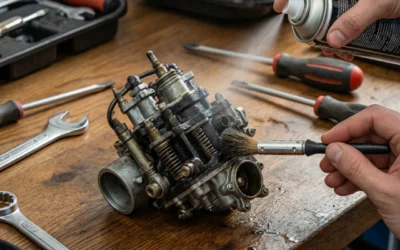
The carburetor mixes fuel and air for combustion. If stale fuel sits in the carburetor over winter, the fuel varnishes and clogs the small passages, preventing the engine from receiving the proper fuel mixture. Signs of a blocked carburetor include the engine turning over but refusing to fire, or starting briefly then dying. Cleaning the carburetor requires draining the fuel, removing the carburetor bowl, and flushing the passages with a carburetor cleaner. If you are not comfortable with disassembly, a carburetor cleaning kit and solvent can dissolve light buildup without removing the carburetor.
Battery and Electrical Issues for Electric and Riding Mowers
For electric mowers, verify the battery is fully charged and the connections are clean and tight. Corroded battery terminals can prevent current from flowing to the starter motor. If the battery is more than three to five years old, it may no longer hold a charge and will need replacement. For cordless electric mowers, ensure the battery pack is seated correctly in the charger and that the charger itself is powered and functioning.
For riding mowers with electric starters, turn on the key and listen for a clicking sound from the starter solenoid. A single loud click indicates battery power is reaching the starter but the starter motor is not turning—likely a failed starter motor or solenoid. Rapid clicking suggests a weak or dead battery. Check that battery terminals are tight, free of corrosion, and connected with the red cable to the positive post and the black cable to the negative post. If the battery tests good but the engine still won’t crank, the starter motor or solenoid may need replacement.
Compression and Mechanical Problems
If the engine will not turn over at all and the spark plug and battery are good, the engine may be locked or seized. Remove the spark plug and attempt to pull the starter cord by hand. If the cord will not move, something is mechanically blocking the piston or crankshaft. This can occur if the engine sat unused for years and internal corrosion has frozen the components, or if an object fell into the cylinder and jammed the piston. A locked engine typically requires professional repair or engine replacement.
Low engine compression can also prevent starting. A compression tester measures the pressure the piston generates during the compression stroke. Normal compression for small lawn mower engines typically ranges from 90 to 110 pounds per square inch, though specifications vary by model. Low compression indicates worn piston rings, a leaking valve, or internal damage. Testing compression requires a gauge and some mechanical knowledge; if you suspect low compression, consult your mower manual or contact a qualified small-engine repair specialist.