Why Timing Matters for Lawn Health
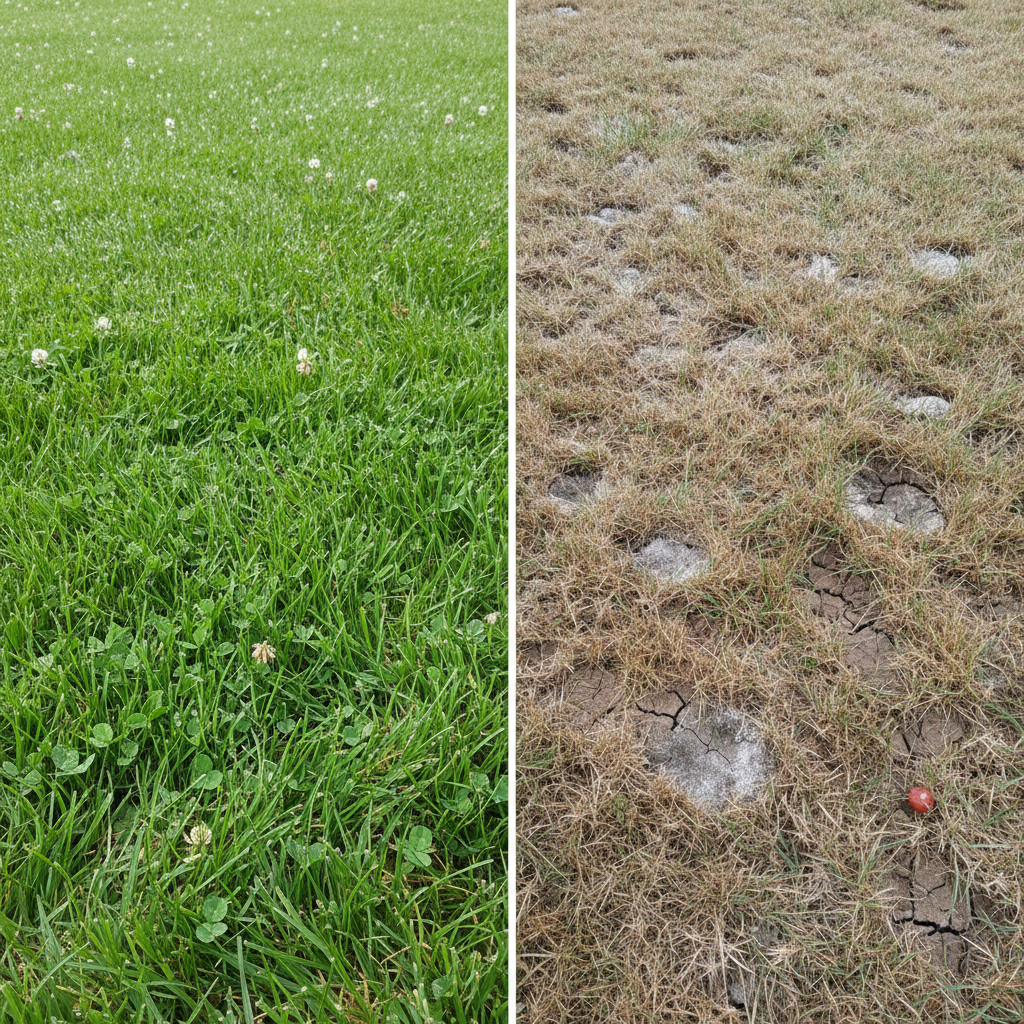
Lawn mowing timing directly impacts grass recovery, stress levels, and overall appearance. When you mow at the wrong time—whether due to moisture, temperature, or grass height—you create conditions that invite disease, slow healing, and weaken your turf. The grass blade is a living tissue that requires specific conditions to recover efficiently from cutting stress.
Mowing wet grass causes several problems: blades clump together, creating matted patches that promote fungal diseases like brown patch and dollar spot. Wet grass also clogs your mower deck, reducing cutting efficiency and potentially damaging equipment. Additionally, mowing during extreme heat or early morning dew increases stress on already vulnerable grass, slowing recovery and making the lawn susceptible to disease.
Conversely, mowing at optimal times—when grass is dry, at proper height, and during cooler parts of the day—allows grass to heal quickly, maintain disease resistance, and develop a thick, healthy canopy.
Best Time of Day: Why Mid-Morning (9am-11am) Is Optimal
Mid-morning (9am-11am) is the ideal window for mowing because it balances multiple factors:
- Dew has dried: Early morning dew creates wet conditions that damage grass and clog mower decks. By 9am, moisture has typically evaporated, allowing clean cuts.
- Temperature is moderate: The sun has warmed the grass enough to improve cutting quality, but hasn’t reached peak heat that stresses plants.
- Grass is alert: Grass is actively growing and photosynthesizing during mid-morning, allowing faster recovery from cutting stress.
- You have daylight: Mid-morning mowing gives you full daylight and time to complete the task safely.
Why Early Morning Mowing Is Problematic
Mowing before 9am introduces moisture issues. Dew clings to grass blades, creating wet conditions that:
- Prevent clean cuts (wet blades bend rather than snap cleanly)
- Cause clumping and uneven grass distribution
- Increase disease risk by spreading fungal spores through wet clippings
- Clog mower decks, reducing efficiency
- Stress grass during its most vulnerable morning state
Afternoon and Evening Mowing: Less Ideal
Afternoon mowing (12pm-4pm) coincides with peak heat stress. Mowing during this window:
- Exposes freshly cut grass to intense sun, increasing water loss
- Slows recovery because grass is already thermally stressed
- Increases disease susceptibility in weakened turf
Evening mowing (after 4pm) is problematic because grass has limited time to recover before nightfall. Grass recovers best during daylight hours when photosynthesis is active. Evening-mowed lawns also remain wet overnight, creating ideal conditions for fungal diseases.
Ideal Grass Height and Moisture Conditions
The One-Third Rule: Proper Cutting Height
Never remove more than one-third of the grass blade in a single mowing. This fundamental rule prevents stress and maintains lawn density:
- If mowing to 2 inches: Grass should be 3 inches tall before mowing
- If mowing to 2.5 inches: Grass should be 3.5-4 inches tall
- If mowing to 3 inches: Grass should be 4-4.5 inches tall
Removing more than one-third in a single cut stresses the plant, slows recovery, and weakens disease resistance. Most lawns benefit from mowing when grass reaches 3-4 inches tall, then cutting to 2-2.5 inches.
Moisture Assessment: How to Know if Grass Is Too Wet
Check grass moisture before mowing:
- Walk through the lawn: If your shoes get wet or grass clumps to your feet, it’s too wet to mow
- Observe clipping patterns: Wet grass leaves visible footprints that persist; dry grass springs back quickly
- Check for dew: If moisture beads on grass blades, wait 1-2 hours for evaporation
- Wait after rain: Allow 24-48 hours after rainfall before mowing, depending on soil drainage
Waiting Period After Rain
The timeframe to resume mowing after rain depends on soil type and rainfall amount:
- Sandy soil: 12-24 hours (drains quickly)
- Loamy soil: 24-36 hours (moderate drainage)
- Clay soil: 36-48 hours (drains slowly)
- Heavy rainfall: Add 12-24 hours to these estimates
Seasonal Best Practices by Grass Type
Cool-Season Grasses: Spring and Fall Peak Growth
Cool-season grasses (Kentucky bluegrass, perennial ryegrass, tall fescue) thrive in northern climates and have two peak growing periods:
- Spring (April-May): Increase mowing frequency as growth accelerates. Mow 2-3 times weekly during peak growth.
- Summer dormancy (June-August): Growth slows during heat. Raise mowing height to 3-3.5 inches to protect roots and reduce stress.
- Fall (September-October): Second peak growth period. Resume regular 2-3x weekly mowing as temperatures cool.
- Winter: Minimal growth. Mow only when grass exceeds 4 inches, typically 1-2 times monthly.
Warm-Season Grasses: Summer Peak Growth
Warm-season grasses (Bermuda, Zoysia, St. Augustine, Bahiagrass) dominate southern climates with summer-focused growth:
- Spring (March-April): Transition from dormancy. Begin mowing when growth resumes, typically 1-2 times weekly.
- Summer (May-September): Peak growth period. Mow 2-3 times weekly at 1-2 inches height for dense turf.
- Fall (October-November): Growth slows as temperatures decline. Reduce frequency to 1-2 times weekly.
- Winter dormancy (December-February): Grass is brown and dormant. Minimal mowing needed; focus on spring preparation.
Mowing Frequency: How Often Should You Mow?
Mowing frequency differs from timing (when during the day). Frequency depends on grass type, season, and growth rate:
| Season | Cool-Season Grass | Warm-Season Grass |
|---|---|---|
| Peak Growth | 2-3x weekly (Spring/Fall) | 2-3x weekly (Summer) |
| Moderate Growth | 1-2x weekly (Early Spring/Late Fall) | 1-2x weekly (Spring/Fall) |
| Slow Growth | 1x weekly or less (Summer dormancy) | 1x weekly or less (Winter dormancy) |
The one-third rule drives frequency: as grass grows faster during peak seasons, you must mow more often to avoid removing too much blade. During slow-growth periods, mowing less frequently maintains the lawn without excessive stress.
Weather Conditions: Guidelines for Different Climates
Temperate Climates (Northern US/Canada)
Temperate zones support cool-season grasses with distinct seasons. Adjust timing for:
- Spring: Mow mid-morning as soon as grass reaches 3 inches; soil is often wet early in season
- Summer: Shift mowing slightly earlier (8:30-10am) to avoid peak afternoon heat; raise blade height
- Fall: Return to standard 9-11am window; growth accelerates as temperatures cool
- Winter: Mow only during dry spells; avoid frozen or frost-covered grass
Tropical and Subtropical Climates (Southern US/Hawaii)
High humidity and heat require adjusted timing:
- Year-round growth: Warm-season grasses grow continuously; mow 2-3x weekly during peak months
- Early morning advantage: Mow 7-9am before humidity peaks and heat becomes extreme
- Moisture management: High humidity means grass stays wet longer; wait 24-48 hours after rain even in sandy soil
- Avoid midday heat: Never mow 11am-4pm during summer; heat stress combined with cutting creates severe stress
Arid Climates (Southwest/High Desert)
Low humidity and intense heat demand careful timing:
- Early morning mowing: Mow 7-9am before temperatures exceed 85°F
- Raise blade height: Keep grass at 3-4 inches to shade soil and reduce water loss
- Reduce frequency: Growth is slower; mow 1-2x weekly instead of 2-3x
- Avoid peak heat: Never mow between 11am-6pm; heat stress is extreme
- Extended drying time: Grass dries quickly; check moisture even in mid-morning
Rainy Climates (Pacific Northwest)
Frequent rainfall and cool temperatures require patience:
- Extended wait times: Allow 48-72 hours after rain due to poor drainage and clay soils
- Consistent timing: Mid-morning (9-11am) remains optimal when conditions allow
- Mow during dry windows: Plan mowing around weather forecasts; don’t wait for perfect conditions
- Disease management: Wet conditions increase fungal risk; ensure mower blades are sharp and clean between uses
Common Mowing Timing Mistakes to Avoid
- Mowing wet grass: Causes disease, equipment damage, and poor cutting quality. Always wait for grass to dry.
- Removing more than one-third: Stresses grass and slows recovery. Follow the one-third rule consistently.
- Mowing during peak heat: Exposes fresh cuts to intense sun, increasing water loss and stress. Avoid 12-4pm in summer.
- Evening mowing: Grass has limited recovery time before nightfall. Avoid mowing after 4pm.
- Mowing too short: Weakens disease resistance and encourages weeds. Maintain recommended height for your grass type.
- Ignoring seasonal changes: Adjust frequency and height seasonally. Don’t use summer mowing schedules in spring or fall.
- Mowing frozen or frost-covered grass: Damages blades and stresses dormant grass. Wait for thaw in winter.
Frequently Asked Questions
Can I mow my lawn on a cloudy day?
Yes, cloudy days are actually ideal for mowing. Overcast conditions reduce heat stress on freshly cut grass and prevent rapid water loss. The key is still waiting for grass to dry from dew or rain. Mid-morning remains the best window even on cloudy days—aim for 9-11am when moisture has evaporated.
What if I can only mow in the evening?
If evening is your only option, mow earlier rather than later—aim for 3-4pm instead of after 5pm. This gives grass a few hours of daylight to begin recovery. Ensure grass is completely dry before mowing, and avoid mowing more than one-third of the blade. Monitor for increased disease if evening mowing becomes routine, as wet overnight conditions increase fungal risk.
How long should I wait after rain to mow?
Wait 24-48 hours after rain, depending on soil type. Sandy soils drain quickly and may be ready in 12-24 hours. Clay soils drain slowly and require 36-48 hours. Heavy rainfall may require an additional 12-24 hours. Check grass moisture by walking through the lawn—if your shoes get wet or grass clumps to your feet, wait longer.
Does grass type affect the best mowing time?
Yes, grass type affects seasonal timing and frequency but not daily timing. Cool-season and warm-season grasses have different peak growth periods (spring/fall vs. summer), so adjust mowing frequency accordingly. However, the optimal time of day (mid-morning, 9-11am) remains consistent across all grass types. The one-third rule and moisture requirements also apply universally.
Is it better to mow before or after fertilizing?
Mow before fertilizing. Mowing removes clippings that would interfere with fertilizer contact with soil. Wait 2-3 days after mowing before applying fertilizer to allow grass to recover slightly. Never mow within 24-48 hours after fertilizing, as this removes newly applied nutrients and stresses the plant.