Can You Use Car Oil in a Lawn Mower? Quick Answer
No, car oil is not recommended for lawn mower use, though it may work temporarily in a 4-stroke engine during an emergency. Car oils lack the specific detergent additives and viscosity requirements that lawn mower engines need. Using the wrong oil can cause engine sludge buildup, poor lubrication, accelerated wear, and potential warranty voidance. 2-stroke mowers should never use car oil under any circumstances. Always consult your mower’s manual for the correct oil specification.
Understanding Lawn Mower Oil Requirements
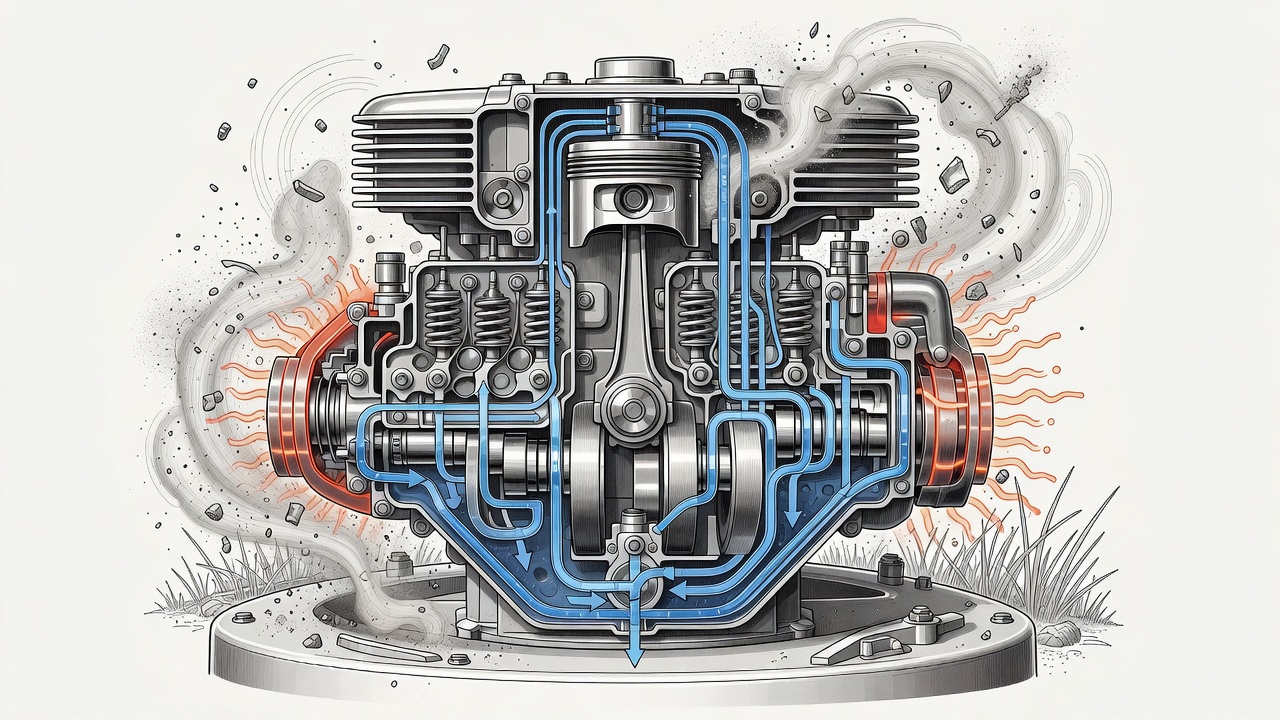
Lawn mowers have different lubrication needs than cars, despite both using internal combustion engines. The distinction stems from how these engines operate, the conditions they endure, and the performance standards manufacturers set.
Lawn mower engines typically run at higher RPMs than car engines and operate in dusty, debris-filled environments. They’re designed to work intermittently rather than for extended periods, and they often lack the sophisticated cooling and filtration systems found in automobiles. These factors mean lawn mower oils are formulated with different detergent levels, viscosity ranges, and additive packages.
Your lawn mower’s manual specifies the exact oil type needed—usually an SAE rating like SAE 30, 10W-30, or 5W-20. This specification exists because the manufacturer has tested what works best for that particular engine design. Using a different oil, even one that might seem similar, can compromise lubrication quality and engine longevity.
2-Stroke vs. 4-Stroke Mower Engines: A Critical Distinction
Before considering any oil substitution, you must identify what type of engine your mower has. This distinction is non-negotiable when evaluating car oil compatibility.
4-Stroke Engines
Most modern residential lawn mowers use 4-stroke engines. These engines have a separate oil reservoir and rely on splashing or pump circulation to distribute oil to moving parts. The oil remains in the crankcase and gets recycled continuously. In an emergency, a 4-stroke mower might run on car oil for a short period, though it’s still not ideal and carries risks.
2-Stroke Engines
Some smaller mowers, string trimmers, chainsaws, and older equipment use 2-stroke engines. These engines require oil to be mixed directly with fuel before it enters the tank—typically at ratios like 50:1 or 32:1 (fuel to oil). The oil-fuel mixture is burned as part of combustion, so it must lubricate the engine while being consumed.
Never use car oil in a 2-stroke mower. Car oils are designed to remain in the engine and recycle. They contain detergent packages and viscosities that will clog 2-stroke combustion chambers, damage spark plugs, and cause engine failure. 2-stroke engines specifically require 2-stroke oil, which is formulated to burn cleanly and provide adequate lubrication during combustion.
Viscosity and Detergent Compatibility Issues
Even if your mower is a 4-stroke engine, using car oil introduces two significant compatibility problems: viscosity mismatch and detergent levels.
Viscosity Ratings Explained
Viscosity refers to how thick or thin oil is. It’s rated using the SAE (Society of Automotive Engineers) scale. Common lawn mower oils are SAE 30 (straight weight) or 10W-30 (multigrade, where “W” stands for winter rating).
Car oils typically use ratings like 5W-30, 0W-20, or 10W-40—designed for engines that start in cold weather and maintain highway speeds. These formulations may be too thin for lawn mower engine specs, leading to inadequate lubrication of moving parts. If the oil film is too thin, metal-to-metal contact increases, accelerating wear on pistons, valves, and bearings.
Conversely, some car oils might be thicker than recommended for your mower, causing sluggish engine starting and reduced fuel efficiency.
Detergent Package Differences
Car oils contain robust detergent additives designed to keep car engines clean during thousands of miles between oil changes. Lawn mower oils have lighter detergent packages optimized for shorter operating intervals and the specific combustion characteristics of small engines.
When car oil circulates through a lawn mower engine, its excess detergents can interact unpredictably with the fuel and combustion byproducts, sometimes causing sludge buildup rather than preventing it. Over time, this sludge coats internal engine components, reducing efficiency and increasing the risk of carbon deposits, stuck valves, and bearing damage.
Potential Risks of Using Car Oil
Engine Sludge and Deposit Buildup
The most common consequence of using incorrect oil is sludge formation. Sludge is a thick, mud-like residue that accumulates on cylinder walls, valve train components, and oil passages. It reduces heat transfer, restricts oil flow, and can eventually block critical lubrication pathways.
Poor Lubrication and Accelerated Wear
If viscosity is incompatible, moving parts don’t receive adequate oil film protection. This accelerates wear on:
- Piston rings and cylinder walls
- Valve stems and guides
- Crankshaft and connecting rod bearings
- Cam shafts (if present)
Accelerated wear may not manifest immediately but compounds over time, eventually leading to loss of compression, hard starting, rough idling, and power loss.
Warranty and Repair Implications
Most lawn mower warranties explicitly require using the manufacturer-recommended oil. If you use car oil and the engine fails prematurely, the manufacturer may deny warranty coverage, leaving you responsible for expensive repairs or replacement.
Environmental and Performance Issues
Incompatible oil can increase emissions, make the engine run hotter, and reduce fuel efficiency. Over time, these factors compound engine stress and shorten overall lifespan.
Emergency Use vs. Regular Maintenance: When Might Car Oil Work?
There is a narrow scenario where car oil in a 4-stroke mower is acceptable: emergency, temporary use only. If your mower is low on oil and you’re in a location where lawn mower oil is unavailable, using car oil to complete a single mowing session is unlikely to cause immediate, catastrophic damage—especially if the car oil viscosity is close to your mower’s specification (e.g., 10W-30 car oil in a mower calling for SAE 30).
However, this is a last resort, not a strategy. If you do use car oil temporarily:
- Use the closest viscosity match to your mower’s manual specification
- Run the mower conservatively at moderate speeds
- Drain and replace with proper mower oil immediately after finishing
- Monitor the engine for unusual sounds, smoking, or overheating
Do not make car oil a regular practice. Temporary use occasionally might not destroy your engine immediately, but regular substitution will accelerate wear and void your warranty.
Proper Lawn Mower Oil Selection
Selecting the correct oil is straightforward and inexpensive:
Check Your Manual
Your mower’s manual specifies the exact oil type. Common recommendations include:
- SAE 30 – Traditional straight-weight, used in older mowers and warm climates
- 10W-30 – Multigrade, works across temperature ranges; most common for modern residential mowers
- 5W-20 or 5W-30 – Lighter weights for cold-climate operation
Synthetic vs. Conventional
Many manufacturers now approve synthetic lawn mower oils. Synthetics offer advantages:
- Better lubrication at temperature extremes
- Extended drain intervals (though most residential mowers still change oil annually)
- Improved engine cleanliness
- Slightly better fuel efficiency
Conventional oils are less expensive and work perfectly well if changed regularly. Unless your manual specifically recommends synthetic, conventional mower oil is sufficient and economical.
Quantity Matters Too
Add the amount specified in your manual, usually 16-20 ounces for a typical push mower. Too little oil causes inadequate lubrication; too much can cause overpressure, seal damage, and oil leakage.
Why Lawn Mower Oil Exists as a Distinct Product
You might wonder why lawn mower oil is separate from car oil if internal combustion engines are fundamentally similar. The answer lies in engineering economics and specialized requirements.
Lawn mower manufacturers design engines for low cost and seasonal use. They optimize for the specific operating envelope of residential lawn care—periodic use at moderate loads in variable ambient conditions. The oil formulation reflects these constraints.
Car manufacturers design engines for continuous operation, extended drain intervals, and performance across extreme conditions. Their oil formulations are more robust and expensive, making them overkill for lawn mower needs while potentially incompatible with small-engine specifications.
When you buy lawn mower oil, you’re getting a product engineered specifically for your equipment’s requirements—not a compromise or downgrade.
Frequently Asked Questions
Can I use 10W-30 car oil in my 4-stroke lawn mower?
Possibly in an emergency, though it’s not recommended. If your mower manual specifies 10W-30 and car oil with the same rating is all you have access to, it might work temporarily for a single mowing session. However, car oil formulations differ from lawn mower oil in detergent content and additive packages. Drain and replace with proper mower oil afterward. Make this a one-time emergency measure, not a regular practice.
What happens if I accidentally use car oil in my 2-stroke mower?
Using car oil in a 2-stroke mower can cause rapid engine damage. Car oil will not burn cleanly and will clog the combustion chamber, foul spark plugs, and leave heavy residue in the engine. The mower may fail to start, run poorly, or stall. Stop using it immediately, drain the fuel tank, and consult a small-engine repair shop. This is one of the most harmful mistakes you can make with a 2-stroke engine.
Is lawn mower oil more expensive than car oil?
Lawn mower oil is generally less expensive than car oil and costs only $4-8 per quart. A typical mower requires less than a quart per season. The minimal cost compared to potential engine repair bills makes using the correct oil a no-brainer investment in equipment longevity.
How often should I change lawn mower oil?
Most manufacturers recommend changing oil every 50-100 hours of operation or annually, whichever comes first. For residential users who mow once weekly during growing season, this typically means once per year. Check your manual for the specific interval. Keeping oil fresh prevents sludge accumulation and ensures optimal lubrication.
Conclusion
While car oil might technically run in a 4-stroke lawn mower for a short emergency period, it should never be considered a regular substitute. The risks—sludge buildup, accelerated wear, warranty voidance, and premature engine failure—far outweigh any convenience. Lawn mower oil is inexpensive, widely available, and formulated specifically for your equipment’s needs.
Always consult your mower’s manual for the correct oil specification and use that product. Identify whether you have a 2-stroke or 4-stroke engine; if it’s 2-stroke, car oil is absolutely prohibited. For 4-stroke engines, stick with the recommended oil type and viscosity rating. This simple maintenance step will keep your mower running reliably for years and protect your investment.