

Quick Answer: Do Electric Mowers Need Oil?
Do electric mowers need oil? The short answer is no. Electric lawn mowers do not use engine oil for operation. Unlike gas-powered mowers, electric models operate with an electric motor instead of an internal combustion engine, which means they don’t require oil changes or engine lubrication. However, certain moving components like wheel bearings or blade mounting hardware may need periodic lubrication to function properly.
Why Electric Mowers Don’t Need Engine Oil
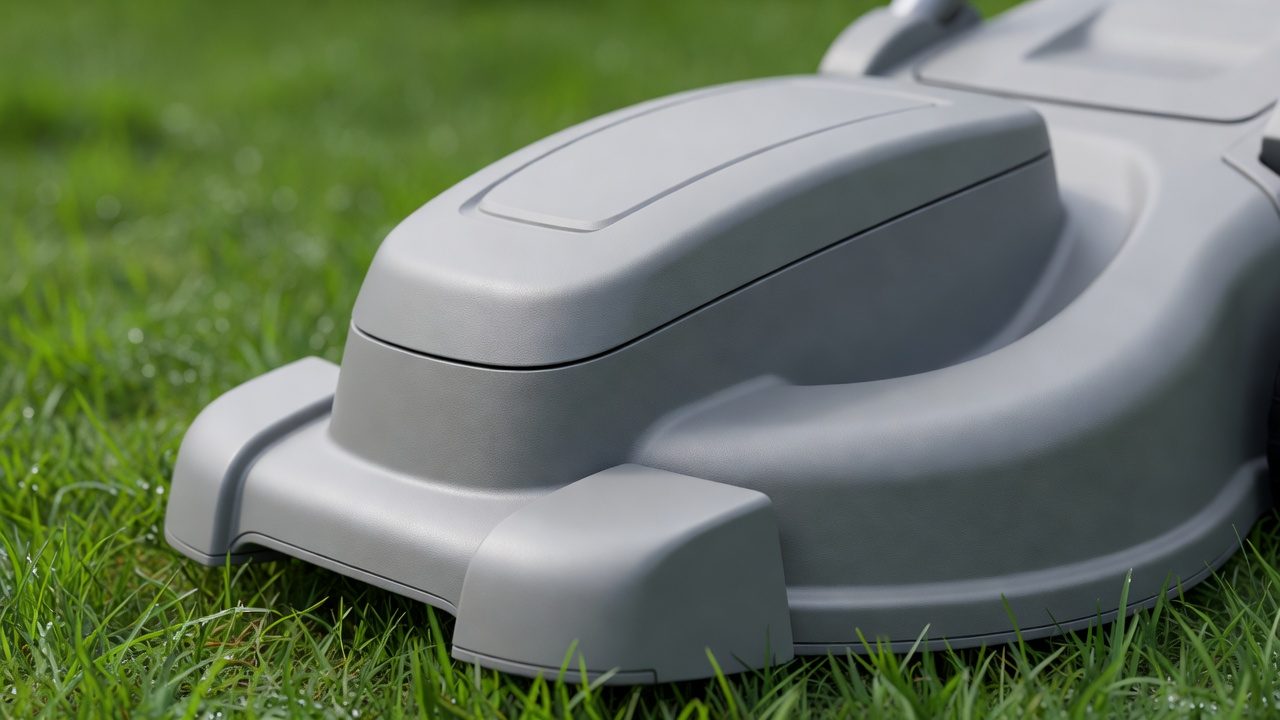
The fundamental difference between electric and gas lawn mowers lies in their power source and mechanical design. Gas-powered mowers rely on internal combustion engines that burn fuel to create motion. This combustion process generates significant heat and friction, requiring engine oil to lubricate moving parts, reduce wear, and prevent damage.
Electric mowers operate using an electric motor powered by either a battery or a cord plugged into an electrical outlet. Electric motors work through electromagnetic forces rather than combustion, which eliminates the heat, friction, and wear associated with burning fuel. Since there’s no combustion happening inside the motor, there’s no need for oil to lubricate engine components or absorb contaminants.
This design difference means electric mower owners can skip several maintenance tasks required by gas mower owners, including:
- Checking engine oil levels
- Performing regular oil changes
- Replacing oil filters
- Managing spark plugs
- Maintaining air filters
- Storing fuel properly
The absence of these components and maintenance requirements is one of the primary advantages of electric lawn mowers. Without the need for engine oil, electric models are generally simpler to maintain and operate.
What Lubrication Electric Mowers May Require
While electric mowers don’t need engine oil, certain moving parts may still require occasional lubrication to ensure smooth operation and prevent premature wear. The specific lubrication needs depend on the mower’s design and manufacturer recommendations.
Common Components That May Need Lubrication
Wheel bearings and axles: The wheels on electric mowers rotate on axles that may contain bearings. Over time, these bearings can dry out or accumulate debris, leading to increased friction and potential damage. Some manufacturers recommend applying a small amount of lubricant to wheel bearings periodically. For troubleshooting and reliability insights, consult our in-depth z890 vs x870e motherboard report.
Blade mounting bolts: The bolts that secure the cutting blade to the mower deck may benefit from lubrication to prevent seizing and make blade removal easier during maintenance. However, it’s important not to over-lubricate, as excess lubricant can attract grass clippings and debris.
Pivot points and hinges: If your electric mower has folding handles, adjustable cutting heights, or other moving mechanisms, the pivot points may require occasional lubrication to maintain smooth operation. Readers comparing setup options can review our technical analysis on marshall stanmore iii vs harman kardon onyx studio 8.
Deck wheels: Some mower designs include wheels on the cutting deck itself, which may need lubrication similar to the main wheels.
Types of Lubricants for Electric Mowers
The type of lubricant recommended for electric mower components varies by manufacturer and application. Common options include:
- Light machine oil: Suitable for bearings and small moving parts
- White lithium grease: Often recommended for pivot points and hinges
- Silicone-based lubricants: May be appropriate for certain applications
It’s essential to consult your owner’s manual for specific lubricant recommendations, as using the wrong type of lubricant can potentially damage components or create safety hazards. For complementary field maintenance guidelines, examine our breakdown of dyson v8 cyclone vs bissell featherweight stick.
Electric vs. Gas Mower Maintenance Comparison
Understanding how maintenance differs between electric and gas mowers helps you appreciate the simplified care requirements of electric models while ensuring you still address necessary upkeep tasks.
Maintenance Tasks Eliminated with Electric Mowers
Electric mower owners can skip several maintenance tasks required by gas mower owners:
- Oil changes: Gas mowers typically require oil changes every 25-50 hours of operation or at least annually. Electric mowers eliminate this task entirely.
- Spark plug replacement: Gas engines use spark plugs that wear out and need periodic replacement. Electric motors don’t use spark plugs.
- Air filter maintenance: Gas engines require clean air filters to function properly. Electric motors don’t have air intake systems that need filtering.
- Fuel system maintenance: Gas mowers require fuel stabilizers, carburetor cleaning, and proper fuel storage. Electric mowers run on electricity, eliminating fuel-related concerns.
Maintenance Tasks Still Required for Electric Mowers
Despite their simpler design, electric mowers still require regular maintenance to operate effectively:
- Blade sharpening: All lawn mowers need sharp blades for clean cuts, regardless of power source.
- Battery care: Cordless electric mowers require proper battery storage and charging practices to maintain battery life.
- Cleaning: Regular cleaning of the mower deck prevents grass buildup and corrosion.
- Component inspection: Checking wheels, handles, and other moving parts for wear or damage is important for safety and performance.
Safety Considerations for Electric Mower Lubrication
When performing any maintenance on electric mowers, including lubrication, it’s important to follow proper safety procedures to prevent injury or damage to the equipment.
General Safety Precautions
- Disconnect power: Always unplug corded electric mowers or remove the battery from cordless models before performing any maintenance.
- Wait for components to cool: Allow the mower to cool completely before handling or lubricating any parts.
- Wear protective gear: Use gloves and eye protection when working on mower components.
- Work on a stable surface: Ensure the mower is on a flat, stable surface before performing maintenance.
Lubrication-Specific Safety Tips
- Avoid electrical components: Never apply lubricant to electrical connections, switches, motor housings, or battery compartments. Lubricants can damage electrical components and create safety hazards.
- Use appropriate lubricants: Only use lubricants recommended by the manufacturer for specific applications. Using incorrect lubricants can damage components or void warranties.
- Apply sparingly: Over-lubricating components can attract debris, create messes, and potentially cause damage. Apply lubricant sparingly and wipe away excess.
- Keep lubricants away from cutting areas: Ensure lubricants don’t contact the cutting blade or areas where grass is processed.
When to Consult Your Owner’s Manual
Your electric mower’s owner’s manual is the most reliable source for maintenance information specific to your model. Manufacturer recommendations are based on the mower’s design, materials, and intended use, making them more accurate than general guidelines.
Information to Look for in Your Manual
- Maintenance schedule: Recommended intervals for inspecting and lubricating components
- Approved lubricants: Specific types of lubricants recommended for different applications
- Application instructions: How much lubricant to apply and where to apply it
- Safety warnings: Any specific precautions for your mower model
- Troubleshooting: What to do if components become difficult to move or operate
If you don’t have your owner’s manual, many manufacturers provide digital versions on their websites. You can also contact customer support for your mower’s brand for specific maintenance guidance.
Practical Maintenance Tips for Electric Mower Owners
To keep your electric mower operating smoothly, consider these practical maintenance tips:
Regular Maintenance Routine
- Before each use: Check that the blade is secure, wheels rotate freely, and all safety features function properly.
- After each use: Clean grass clippings from the mower deck and inspect for any visible damage or wear.
- Monthly: Check wheel bearings and pivot points for smooth operation. Apply lubricant if components feel stiff or noisy.
- Seasonally: Perform a thorough inspection of all moving parts, sharpen or replace the blade as needed, and clean the mower thoroughly.
Signs Your Electric Mower Needs Lubrication
Watch for these indicators that components may need lubrication:
- Squeaking or grinding noises from wheels
- Difficulty adjusting cutting height
- Stiff or hard-to-fold handles
- Wheels that don’t rotate smoothly
- Blade bolts that are difficult to remove
Storage Considerations
Proper storage can help maintain your electric mower and reduce maintenance needs:
- Store in a dry location to prevent corrosion
- Keep the mower clean before storing
- For cordless models, store batteries according to manufacturer recommendations
- Consider covering the mower to protect from dust and debris
Conclusion
Electric lawn mowers don’t need engine oil because they operate with electric motors rather than internal combustion engines. This eliminates the need for oil changes and related maintenance tasks required by gas-powered mowers. However, certain moving components like wheel bearings, blade bolts, and pivot points may require occasional lubrication to ensure smooth operation and prevent premature wear.
The key to proper electric mower maintenance is consulting your owner’s manual for model-specific recommendations regarding lubrication schedules, approved lubricants, and application methods. By following manufacturer guidelines and performing regular maintenance, you can keep your electric mower operating efficiently for years to come while enjoying the simplified maintenance compared to gas-powered alternatives.
Remember that while electric mowers are generally easier to maintain, they still require attention to ensure safe, effective operation. Regular cleaning, blade maintenance, and occasional lubrication of moving parts will help your electric mower provide reliable service throughout its lifespan.
Technical Standards and Compliance
Mechanical safety standards, operational tolerances, and protective gear guidelines align with benchmark specifications established by the American National Standards Institute (ANSI).









