
Do You Have to Sharpen New Mower Blades? Direct Answer
In most cases, no, new mower blades come pre-sharpened from the factory and are ready to use immediately. OEM (original equipment manufacturer) blades and quality replacement blades ship with a factory-set cutting edge, typically at a 30-degree angle, designed to balance cutting performance and durability. However, a quick visual inspection before installation is worthwhile: cheap, generic, or certain aftermarket blades occasionally arrive with a dull, uneven, or burred edge. If you spot obvious defects, a light touch-up is worth the effort. More importantly, new blades dull quickly during the first few mowing sessions, so checking the edge after 2 to 3 uses matters more than pre-sharpening.
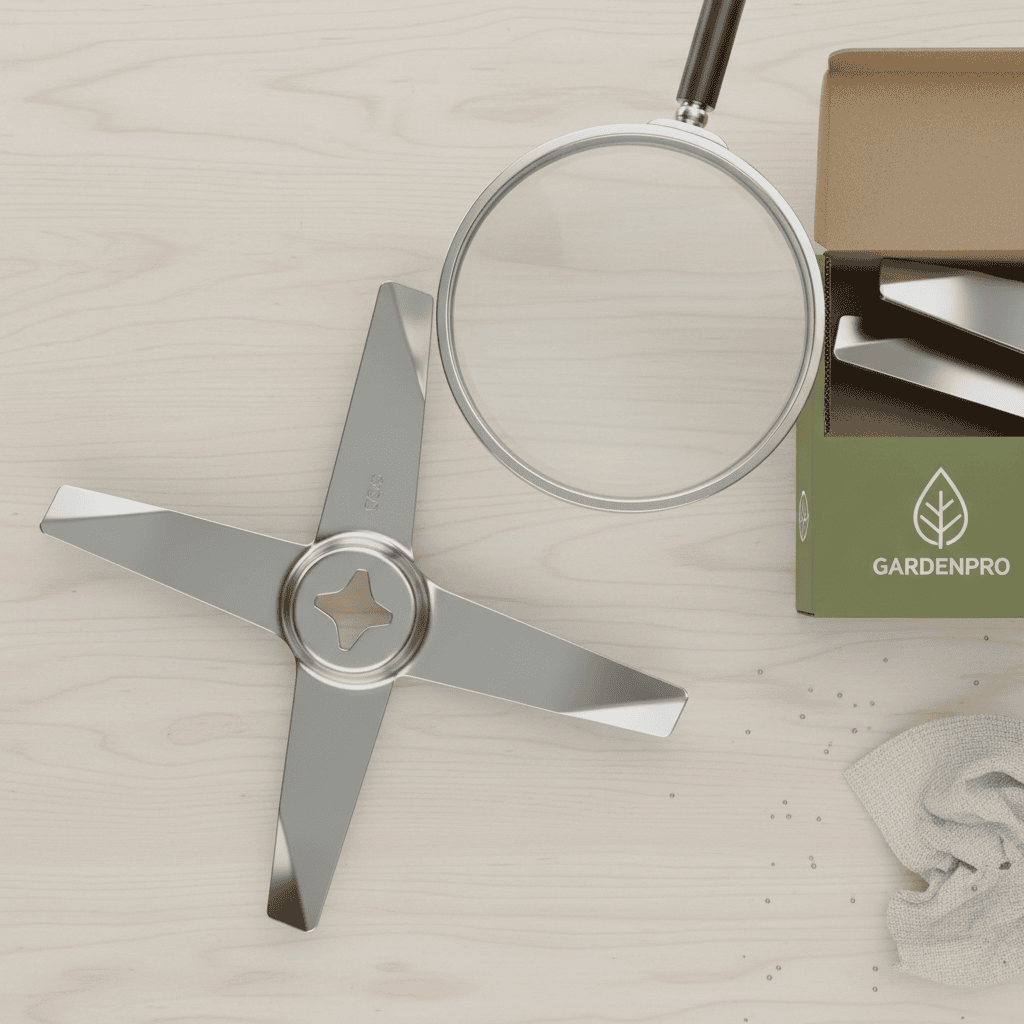
Why New Mower Blades Aren’t Razor-Sharp Out of the Box
When you first unbox a new mower blade, it may not feel sharp to the touch, and that’s intentional. Manufacturers ship blades with a deliberately moderated edge for several reasons:

Pros
- Large-size design named in product title
- Sharpening and balancing functions listed
- Listed as a new upgraded version

Pros
- Adjustable 15-to-45-degree range in title
- Sharpening and balancing functions listed
Pros
- Includes replacement gaskets and a 98079-55846 spark plug
- Matches Honda HRR216 and HRS216 lawn mower models
- Designed around the 16100-Z8B-901 carburetor specification
Cons
- Restricted to select Honda GCV160 mower applications
- Installation requires basic mechanical tools and skills
- Safety during manufacturing and shipping: Razor-sharp blades pose significant liability risks during production, packaging, and transit. A deliberately blunted edge reduces the chance of worker injury and blade damage.
- Protective coating: New blades often arrive with a thin factory paint or protective coating that covers the cutting wedge. This coating makes the edge feel thick and dull to the touch, even though the steel beneath is sharpened. During your first few minutes of mowing, this paint wears away and exposes the sharp steel underneath.
- Durability trade-off: An overly sharp blade dulls faster and is more prone to chipping when it strikes rocks, roots, or hard ground. The factory edge strikes a balance: sharp enough to cut cleanly, but blunt enough to resist rapid damage.
A common phrase in lawn equipment circles is that new blades should be “bluntly sharp”, sharp enough to slice grass cleanly but not so sharp that they fail within the first hour of use.
OEM vs. Aftermarket Blades: Quality Varies
Not all new blades are created equal. The source and brand of your replacement blade affects its initial edge quality:
- OEM blades (from mower manufacturers): Typically arrive consistently pre-sharpened and balanced. These are manufactured under strict quality controls and are ready to install immediately.
- Quality aftermarket blades: Reputable replacement blade brands (like Gator, MaxPower, and established regional suppliers) also ship pre-sharpened and meet similar standards to OEM products.
- Cheap or generic blades: Budget blades, impulse-buy hardware store options, and no-name aftermarket blades occasionally arrive with dull, uneven, or burred cutting edges. These may benefit from a light sharpening touch-up before installation, or they may simply underperform from the start.
If you’re purchasing a replacement blade and cost is your only consideration, budget blades can work, but factor in the possibility that you’ll need to sharpen or even replace them sooner than a quality option.
How to Inspect a New Blade Before Installation
Before mounting your new blade, spend two minutes checking its condition. This simple step helps you avoid poor performance or wasted effort. For additional operational safety benchmarks, see our published testing notes on z890 vs x870e motherboard.
Visual Inspection
- Look for paint or coating: Run your eye along the entire cutting edge. If you see a glossy finish or paint, that’s the factory protective coating. This is normal and will wear off quickly during mowing.
- Check for nicks, chips, or burrs: Rotate the blade slowly and look for any obvious damage, rough spots, or uneven sections along the edge. Small factory imperfections are rare but do happen, especially with cheaper blades.
- Inspect both cutting ends: Lawn mower blades typically have two cutting edges (one on each end). Check both.
Feel Test (Safe Way)
- Paper test: Hold the blade at a slight angle and try to cut a piece of copy paper with the edge. A properly sharpened blade should cut paper cleanly or with minimal pressure. If the blade crushes or tears the paper without cutting, it may be too dull.
- Fingernail test: Gently press your fingernail (not your skin) against the edge at a shallow angle. A properly sharpened blade should catch slightly on the nail. Do not run your finger along the edge, that’s how accidents happen.
Balance Check
- Weight distribution: Grip the blade gently at its center hole and let it hang horizontally. A balanced blade should stay level or tilt only slightly. Significant tilting suggests an imbalance that may cause vibration during mowing.
If your inspection reveals an obviously dull, chipped, or heavily burred edge, a quick sharpening before installation is worthwhile. Otherwise, install the blade and monitor performance after your first few mows.
Why New Blades Dull Quickly in the First Few Mowing Sessions
Even if your new blade passes inspection with a clean edge, expect it to dull noticeably during your first 2, 3 mowing sessions. This is normal and happens for several reasons: To compare alternative configurations, check our hands-on review of marshall stanmore iii vs harman kardon onyx studio 8.
- Factory coating wear: The protective paint coating wears away quickly, exposing the underlying steel. As the edge makes contact with grass, soil, and debris, it begins to flatten and dull.
- High initial stress: A new blade, especially if it’s not perfectly balanced, experiences slightly higher stress during the first uses. Uneven contact with the grass can accelerate dulling.
- Debris and soil contact: Even in a well-maintained lawn, mower blades encounter small stones, dirt particles, and hard soil. Each contact contributes to wear. New blades are especially susceptible during their first hours of use.
This initial dulling is why checking the blade after your first few mows is more valuable than sharpening before you install it. If your new blade performs poorly from day one, the issue is likely a defect (poor quality or shipping damage), not lack of sharpening.
Signs Your Blade Needs Sharpening (New or Old)
Whether you’re running a new blade or an older one, watch for these indicators that sharpening is overdue: Users looking for related component recommendations can explore our dyson v8 cyclone vs bissell featherweight stick breakdown.
- Ragged, brown grass tips: A dull blade tears grass instead of cutting it cleanly. Within hours of mowing, the torn tips turn brown or tan, making your lawn look stressed or diseased.
- Uneven cut: The mower leaves patches of taller grass despite even blade height and lawn slope.
- Visible dust clouds while mowing: Dull blades create more dust and fine debris than sharp ones.
- Increased vibration: A very dull blade or an imbalanced blade causes noticeable shaking during operation.
- Visible flat spots or wear on the cutting edge: Inspect the edge closely, sharp blades have a thin, clearly defined line; dull blades have a thicker, blunted edge.
How Often Should You Sharpen Mower Blades?
Once you’ve passed the initial installation phase, follow this maintenance schedule to keep your blades performing well:
- General guideline: Sharpen lawn mower blades every 20 to 25 hours of use, which translates to roughly 1 to 2 times per mowing season for most homeowners.
- Residential use (small to medium lawns, once-weekly mowing): Sharpen 1 to 2 times per season, typically early spring and late summer.
- Intensive conditions: If you mow sandy, overgrown, or debris-heavy turf, or if you mow multiple properties professionally, check blades every 8 to 12 hours of use or even more frequently.
- Seasonal start and end: Many homeowners sharpen at the beginning of the mowing season and again mid-season, which aligns with the 20 to 25 hour guideline for typical use.
University of Maryland Extension recommends sharpening after every 10 hours of use for maximum lawn health, though many homeowners find the 20 to 25 hour schedule sufficient for good results.
Key Installation and Care Tips
- Inspect before installing: Spend a minute checking the edge and balance. If it looks obviously defective, sharpen it or exchange it.
- Check after 2 to 3 mows: This tells you whether the new blade is holding its edge or if there’s a deeper problem.
- Balance after sharpening: Always balance the blade after sharpening, even a slight weight difference causes vibration and premature wear.
- Keep records: Note the date you install or sharpen each blade. This helps you maintain a consistent schedule.
- Don’t over-sharpen: Sharpening removes material from the blade. Over-sharpening can reduce its lifespan. A light touch-up is often better than aggressive grinding.
Frequently Asked Questions About Sharpen New Mower Blades
Q: Will a new blade cut better if I sharpen it before using it?
A: Not significantly. A properly sharpened factory edge performs well from day one. Over-sharpening a new blade can actually affect its balance and durability. If the blade looks clean and passes your inspection, install and use it. If it underperforms after 2 to 3 mows, then troubleshoot (check for debris clogging, balance issues, or actual dullness).
Q: Why does my new blade feel dull when I touch it?
A: The protective factory coating (paint or wax) covers the blade and makes the edge feel thick and blunt. This coating wears away within minutes of your first mowing. Don’t mistake this surface coating for a dull edge, the steel beneath is sharpened.
Q: How can I tell if a cheap aftermarket blade needs pre-sharpening?
A: Use the paper test: try to cut a piece of copy paper with the blade. If it cuts cleanly, the edge is adequate. If it crushes or tears the paper, sharpen it. Also visually inspect for nicks, burrs, or obvious manufacturing defects. Quality control on budget blades is inconsistent, so a quick check before installation is worthwhile.
Q: Should I balance a new blade before installing it?
A: Check it for balance (the hanging test described above), but most new blades ship balanced from the factory. If it tilts significantly, that’s a defect, contact the supplier or sharpen it to ensure you don’t accidentally make it worse. Always balance after sharpening, which does remove material and can shift the weight distribution.
The Bottom Line
New mower blades are pre-sharpened and ready to use straight out of the box in the vast majority of cases. A quick 2-minute visual and feel inspection before installation costs nothing and can catch the rare defective blade. After you install it, monitor performance over the first few mows, rapid dulling or poor cutting may indicate a quality issue or a deeper problem like a bent blade or deck misalignment. Once you’re confident the blade is working, follow the standard 20 to 25 hour sharpening schedule to keep your cuts clean and your lawn healthy.
Related Reading on Blade Edges
Many owners find new blades sharp enough out of the box, but a quick check of balance is still worthwhile. If you also maintain a chainsaw, the article on how to sharpen a chainsaw chain with a file covers a related technique. Safety information on outdoor equipment is available through American National Standards Institute (ANSI).