

Direct Answer: Does a New Mower Blade Need to Be Sharpened?
No — a new mower blade does not need to be sharpened before use. Factory edges are ground to a functional angle (typically 30–35 degrees on rotary blades) and adequate for immediate installation. However, sharpening before first use is recommended for aftermarket blades, large lawns, or coarse grass varieties, where a refined edge delivers measurably better cut quality and supports healthier turf.
The Short Answer: Can You Use a New Mower Blade Right Out of the Box?
Yes. A new mower blade — whether OEM or aftermarket — arrives with a ground edge ready for use. Install it, torque it to spec, and mow. The factory edge will cut grass adequately from the first pass.
That said, “adequate” and “optimal” are not the same thing. Factory edges vary in refinement depending on blade origin and manufacturing tolerances. An OEM blade from a major brand like Honda, Husqvarna, or Toro typically leaves the factory with a clean, consistent bevel. A budget aftermarket blade may carry burrs, uneven grinds, or a blunter edge angle that technically cuts but tears more than slices.
The practical takeaway: if you bought an OEM blade and your lawn is small-to-medium with standard cool- or warm-season turf, skip the pre-sharpening and mow. If you bought an aftermarket blade on price or you’re maintaining a larger property, five minutes with a file or bench grinder before installation pays dividends immediately.
OEM vs. Aftermarket Blades: How Edge Quality Differs at the Factory
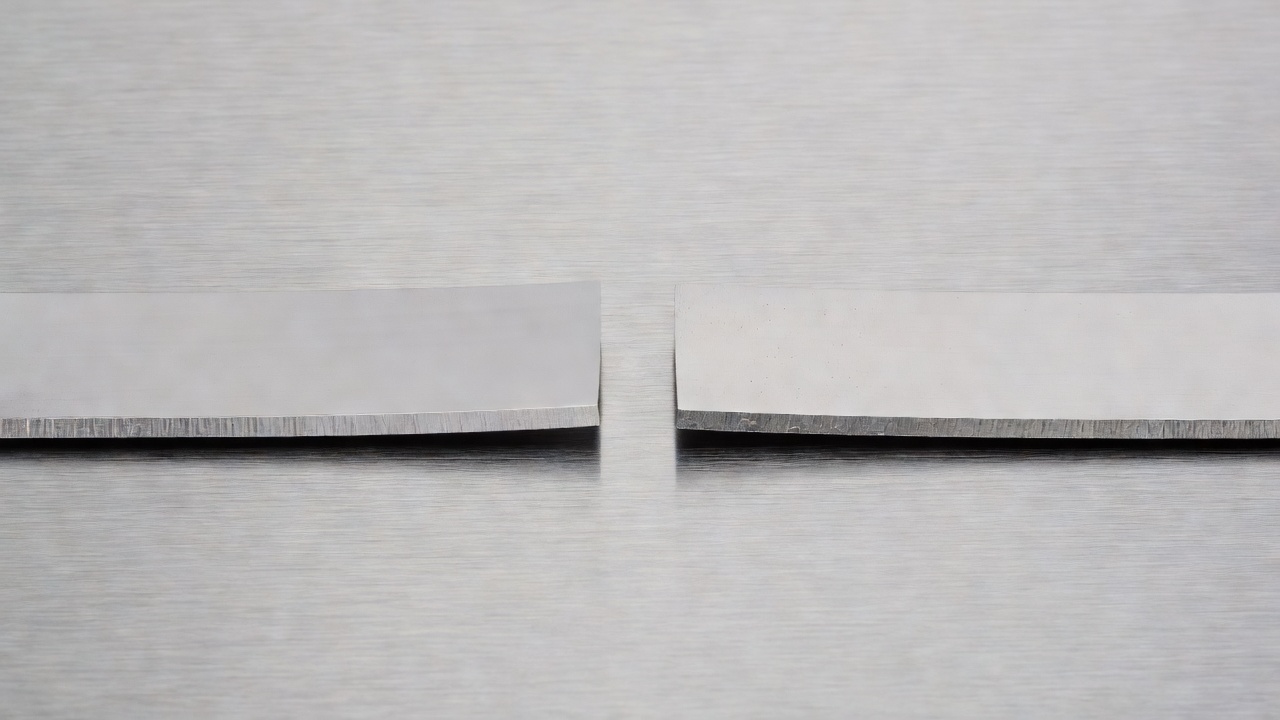
Understanding where your blade was made and to what standard changes the sharpening calculus significantly. For troubleshooting and reliability insights, consult our in-depth jbl partybox club 120 vs sony srs xv500 report.
OEM Mower Blades
OEM (Original Equipment Manufacturer) blades are produced to the tolerances specified by the mower brand. The edge geometry — angle, bevel width, and surface finish — is controlled as part of the product specification. These blades undergo quality inspection before packaging and, in most cases, arrive with an edge consistent enough for first-use performance without modification. For troubleshooting and reliability insights, consult our in-depth jbl partybox club 120 vs sony srs xv500 report.
- Edge angle matches the mower’s design specification
- Surface finish is typically smoother, reducing drag through grass
- Blade balance is verified at the factory, minimizing vibration risk on installation
- Higher per-unit cost, but no preparatory work required for most users
Aftermarket Mower Blades
Aftermarket blades are manufactured by third parties to fit OEM specifications but are not held to identical quality standards. Reputable aftermarket suppliers (Oregon, Stens, MaxPower) produce blades that rival OEM edge quality. Budget-tier aftermarket blades sourced from low-cost manufacturers are more variable — edge angles can be inconsistent, surface finish rougher, and minor burrs from the grinding process are more common.
- Edge quality ranges from near-OEM to noticeably rough depending on brand tier
- May require deburring even if full sharpening is not needed
- Balance should always be checked before installation (see checklist below)
- Lower upfront cost, but a quick edge inspection before first use is good practice
Rule of thumb: Run your finger carefully along the flat (non-beveled) face of the blade. A factory edge ready for use feels smooth with no detectable burr. A rough, scratchy texture or visible uneven grind line signals the blade will benefit from a light pass with a file or sharpener before installation. Readers comparing setup options can review our technical analysis on z890 vs x870e motherboard.
Why Blade Sharpness Matters: Cut Quality and Grass Health
The quality of the cut a mower blade delivers is not cosmetic — it has direct consequences for turf health and lawn appearance.
Clean Cut vs. Torn Grass
A sharp blade slices through grass blades in a single clean motion, leaving a precise cut tip that seals quickly. A dull or rough factory edge tears and shreds the grass blade rather than cutting it. Torn grass tips: For complementary field maintenance guidelines, examine our breakdown of marshall stanmore iii vs harman kardon onyx studio 8.
- Turn brown within 24–48 hours as the damaged tissue desiccates — a visible sign of poor cut quality often misattributed to drought or disease
- Create ragged entry wounds that are slower to heal and remain open longer
- Increase the lawn’s susceptibility to fungal disease and pest damage, because pathogens exploit the compromised tissue at torn cut surfaces
Grass Disease Susceptibility
Torn grass cuts increase susceptibility to fungal disease and pest damage. Common turf pathogens including Rhizoctonia solani (brown patch) and Pythium species exploit mechanical damage as entry points. A clean cut from a sharp blade reduces that vulnerability. This is not a marginal concern on established lawns maintained through humid summers — it is a recurring pathway for disease pressure.
Mowing Efficiency
A sharper blade requires less engine effort to cut through grass at a given ground speed. Over a full mowing season, a consistently sharp blade reduces fuel or battery consumption and places less load on the spindle bearings and deck belt. The effect of a single marginally dull factory edge is small, but the principle underscores why starting sharp makes sense for anyone maintaining a large property. To evaluate matched hardware tolerances, consult our detailed overview of dyson v8 cyclone vs bissell featherweight stick.
Blade Type Considerations: Rotary vs. Reel Mower Blades
Mower type determines both the factory-edge standard and whether pre-sharpening is a realistic DIY task.
Rotary Mower Blades
Rotary blades are the flat, spinning blades found on the vast majority of residential walk-behind and riding mowers. They operate by striking grass at high speed rather than shearing it between two precision surfaces. Factory edges on new rotary blades are typically ground to 30–35 degrees — an angle adequate for initial use and maintainable at home with a hand file, angle grinder, or dedicated blade sharpener. When planning workspace deployment, consider the engineering criteria outlined in our bissell crosswave hydrosteam vs shark stainforce guide.
Pre-sharpening a rotary blade before first use is a straightforward DIY task. Remove, sharpen, balance, reinstall. Total time: 10–20 minutes for a confident beginner.
Reel Mower Blades
Reel mowers cut through a scissor action between a rotating helical reel and a fixed bedknife. The edge maintenance process — called backlapping — involves applying lapping compound and spinning the reel in reverse to hone both the reel blades and bedknife simultaneously. This is a precision process distinct from standard rotary blade sharpening and is not typically performed by users before first use on a new blade set.
New reel mower blades and bedknives are factory-lapped to cutting tolerance before shipping. A new reel mower or replacement reel assembly is ready for use without user sharpening. If the reel does not cut cleanly on first use, the bedknife gap requires adjustment before any sharpening is considered.
Summary: For rotary mowers, optional pre-sharpening is a practical DIY step. For reel mowers, skip pre-sharpening — adjust the bedknife gap and use the mower as delivered.
First-Use Inspection Checklist: What to Check Before Installing a New Blade
Whether you sharpen or not, a pre-installation inspection takes under five minutes and prevents common first-use problems.
- Edge condition: Inspect the bevel under good light. Look for visible burrs, uneven grind lines, or nicks from shipping. A light deburring pass with a flat file costs 60 seconds and removes any rough spots that would tear rather than cut.
- Shipping damage: Check for bends, warping, or impact marks along the blade body or cutting edge. A bent blade causes vibration at operating speed and must not be installed.
- Blade balance: Hang the blade on a nail or blade balancer through the center hole. If one side drops, material must be removed from the heavier side before installation. An unbalanced blade causes vibration that accelerates spindle and bearing wear — a repair cost far exceeding the time spent balancing.
- Center hole fit: Confirm the center hole diameter and blade length match your mower’s spec. An ill-fitting blade is a safety hazard regardless of edge quality.
- Installation torque: Tighten the blade bolt to the manufacturer’s specified torque (commonly 35–50 ft-lbs on residential rotary mowers — check your owner’s manual). Under-torqued blades slip; over-torqued bolts damage the spindle.
- Edge angle (optional): If you own a blade angle gauge, confirm the bevel matches the recommended angle for your mower type (typically 30–35 degrees for rotary blades). Mismatched angles from aftermarket blades reduce cutting efficiency and accelerate re-dulling.
When Sharpening a New Blade Makes Sense: Situations Worth the Extra Step
Sharpening a new blade is not mandatory, but it is the right call in specific situations. Use this decision framework to self-select.
Sharpen Before First Use If:
- You purchased a budget aftermarket blade with no recognized brand name. Inspect the edge — if it feels rough or shows visible grinding inconsistency, a light sharpening removes the variable and gives you a known starting edge.
- Your lawn is large (half an acre or more). The cumulative benefit of a sharper edge — reduced tip browning, lower fuel load, cleaner cut across more grass — justifies the time investment.
- Your grass variety is coarse or thick. Zoysia, Bermuda, St. Augustine, and tall fescue are denser and tougher than fine fescue or Kentucky bluegrass. A refined edge handles coarse turf more cleanly from the first pass.
- The factory edge is visibly uneven on inspection. Trust your eyes. An edge that looks inconsistent will perform inconsistently.
- You are replacing a blade mid-season and want cut quality consistent with a recently sharpened existing blade. Matching edge sharpness across a double-blade deck, for example, produces a more uniform cut.
Skip Pre-Sharpening If:
- You bought an OEM blade and the edge is smooth and consistent on inspection.
- Your lawn is small (under a quarter acre) with standard turf.
- You plan to sharpen the blade on a regular schedule (every 20–25 hours of use) — the factory edge will reach your first scheduled sharpening without meaningful degradation on a small property.
The bottom line: inspect first, then decide. A two-minute edge check eliminates guesswork and is the single most useful habit a new blade installation can build.
Everything You Need to Know: Does A New Mower Blade Need To Be Sharpened FAQ
Can I use a brand-new mower blade without doing anything to it first?
Yes. Install it, torque it to spec, check balance, and mow. The factory edge is functional for immediate use. A pre-installation inspection (edge, balance, damage) is recommended but sharpening is optional.
How do I know if a new mower blade’s factory edge is good enough?
Run a finger carefully along the flat (non-beveled) face near the cutting edge. A ready-to-use blade feels smooth with no burr or rough texture. Hang the blade on a balancer — if it sits level, balance is acceptable. If the edge feels rough or one side drops noticeably on the balancer, address both before first use.
Does an unbalanced new mower blade cause damage?
Yes. An unbalanced blade causes vibration at operating speed that accelerates spindle bearing and deck wear. Always balance-check a new blade before installation, particularly aftermarket blades where manufacturing tolerances are less controlled. A blade balancer costs under $10 and takes 60 seconds to use.
How often should a mower blade be sharpened after the first use?
Sharpen rotary mower blades every 20–25 hours of use, or at minimum once per mowing season for typical residential lawns. Inspect after mowing over rocky or sandy soil — a single encounter with debris can nick an edge enough to require immediate sharpening. This article is scoped to new-blade first use; scheduled maintenance sharpening is a separate topic with its own interval guidance.

Pros
- Large-size design named in product title
- Sharpening and balancing functions listed
- Listed as a new upgraded version

Pros
- Adjustable 15-to-45-degree range in title
- Sharpening and balancing functions listed

Pros
- Sharpener and balancer functions in title
- 15-to-45-degree adjustable setting listed
- Built for lawn mower blade maintenance
Pros
- Includes replacement gaskets and a 98079-55846 spark plug
- Matches Honda HRR216 and HRS216 lawn mower models
- Designed around the 16100-Z8B-901 carburetor specification
Cons
- Restricted to select Honda GCV160 mower applications
- Installation requires basic mechanical tools and skills
For more hands-on benchmarks and buying recommendations, consult our guides on residential zero-turn lawn mower guide, as well as high-CFM commercial leaf blower guide, as well as automated robotic lawn mower guide.
Mechanical safety standards, operational tolerances, and protective gear guidelines align with benchmark specifications established by the American National Standards Institute (ANSI).









