Quick Answer: Choosing the Best Dyson Robot Vacuum
Critical factors when choosing a dyson robot vacuum in 2026 include verified suction output for carpets and hard floors, all-in-one docks that handle emptying and mop care for weeks, and sensor systems that map multi-level homes while avoiding obstacles. Prioritizing models with anti-tangle brushes and HEPA filtration delivers measurable reductions in maintenance time and allergen recirculation. For more on…

Pros
- Industry-leading suction power for deep carpet cleaning
- Unique extending side duct solves the common robot vacuum edge-cleaning problem
- Comprehensive HEPA filtration is excellent for allergy sufferers
- Low-profile design with built-in LED light ring navigates under furniture easily
Cons
- Lower average user rating suggests occasional software or connectivity bugs
- Run time of up to 65 minutes may require multiple recharging breaks for larger homes
- Higher price point compared to entry-level robotic vacuums
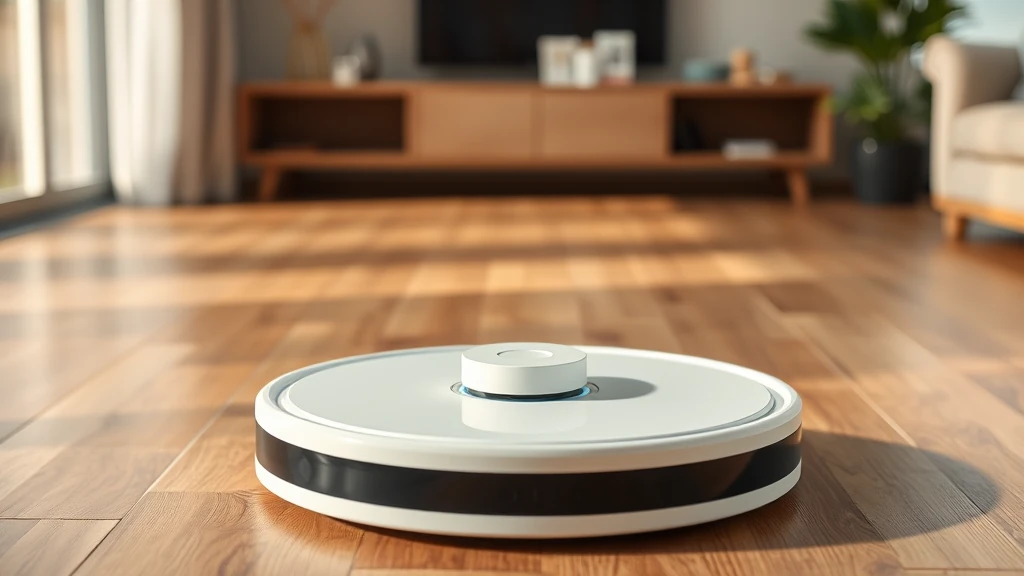
The Dyson 360 Vis Nav Robot Vacuum represents a bold step forward in automated home maintenance, combining Dyson's legendary suction engineering with advanced visual mapping. Designed for homeowners who refuse to compromise on cleanliness, this premium robotic vacuum is engineered to tackle everything from fine dust on hardwood floors to deeply embedded pet hair in thick carpets. If you want a hands-off cleaning solution that actually matches the power of a traditional upright vacuum, this device is built for you.
Unrivaled Suction and Edge Cleaning
What sets this robot vacuum apart is its raw cleaning performance. Sporting twice the suction power of traditional robotic vacuums, it utilizes a triple-action brush bar that blends carbon fiber filaments, stiff nylon bristles, and woven nylon to sweep up debris of all sizes. Furthermore, Dyson has solved the classic edge-cleaning issue with an innovative extending side duct. Instead of using spinning side brushes that scatter dirt, the vacuum automatically redirects suction directly to the wall's edge, ensuring no corner is left untouched.
Intelligent 360 Navigation and App Control
Equipped with 26 onboard sensors and a unique 360-degree vision system, the vacuum continuously analyzes its surroundings to build a highly detailed map of your home. Through the MyDyson app, users can customize their cleaning routines, define restricted zones, and analyze deep clean reports that show dust hotspots. The low-profile chassis allows it to slide under low furniture, while an integrated LED light ring ensures it can navigate and clean effectively even in pitch-black rooms.
Considerations and Room for Improvement
While the mechanical engineering is top-tier, real-world feedback highlights a few areas of caution. The battery life caps out at around 65 minutes in quiet mode, meaning the unit will need to return to its dock to recharge frequently during large-house cleanups. Additionally, some users have reported minor software optimization issues with the mapping interface, which can occasionally require patience during the initial setup phase.
The Verdict
The Dyson 360 Vis Nav Robot Vacuum is a powerhouse that redefines expectations for automated floor care. While it comes with a premium price tag and a slightly shorter battery run time, its unmatched suction, edge-to-edge cleaning capability, and medical-grade HEPA filtration make it an outstanding investment for allergy sufferers and pet owners looking for a truly deep clean.
Key Technical Factors to Consider Before Buying
Suction Power and Multi-Surface Performance
Suction measured in Pa or air watts determines how effectively a unit extracts embedded dirt from carpet fibers and fine dust from hard floors. Models advertising 12,000 Pa or higher, or those claiming double the suction of typical robots, handle high-traffic zones and pet hair more thoroughly. Adaptive modes that boost power on carpets while conserving battery on hard surfaces extend runtime and protect delicate finishes.
Look for brush designs that maintain constant contact without scattering debris, such as wide-diameter bars or dual rubber rollers. Practical guideline: aim for at least 40-65 minutes of runtime at standard power to cover 1,500-2,000 square feet before docking. Units below this threshold often require multiple cycles in larger homes.
Self-Emptying Stations and Hands-Free Maintenance
All-in-one docks that empty dust into bags lasting 30-75 days, wash mops with heated water or air drying, and refill clean water tanks minimize daily interaction. Bagless bases with HEPA filtration trap 99.97 percent of particles down to 0.3 microns, reducing allergen release during emptying. Capacity calculations show a 2.7-3L bag typically supports 7-9 weeks in average pet homes with daily use.
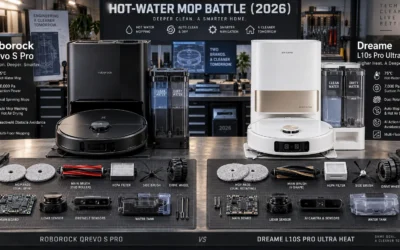
Stations with 50-167 degree Fahrenheit cleaning cycles prevent mold on pads and keep rollers ready. Prefer designs that separate wastewater to avoid recontamination. These features prove especially useful when evaluating options for multi-pet households seeking reduced chore frequency. Readers comparing setup options can review our technical analysis on roborock qrevo s pro vs dreame l10s pro ultra heat.
Navigation Accuracy and Obstacle Avoidance
LiDAR or multi-sensor arrays with 360-degree mapping create floor plans that enable systematic coverage and multi-level memory. Systems detecting objects as small as 3x3x3 cm or using structured light and AI vision avoid cords, toys, and pet waste without cameras for privacy-conscious users. Low-profile chassis under 3.8 inches reach under furniture while dual-link suspension prevents sticking.
App-supported no-go zones and room-specific scheduling further refine paths. For homes with complex layouts, models supporting four-floor maps reduce setup time on upper levels. Explore additional mapping details in our guide to robot vacuum with mapping capabilities.
Mopping Systems and Anti-Tangle Design
Integrated mopping with spinning pads at 200 RPM or roller systems spinning at 270 RPM remove stains more effectively than static pads. Liftable mops of 10-10.8 mm prevent carpet wetting, while extendable arms reach edges. Zero-tangle or dual-spiral brushes certified for 0 percent hair wrap handle long pet hair up to 30 cm without manual clearing. For complementary field maintenance guidelines, examine our breakdown of why is my robot vacuum not dispensing water.
Water flow adjustable in 30 levels or continuous self-cleaning rollers maintain performance across cycles. Choose units that auto-detect floor type and adjust accordingly for seamless transitions. These elements support thorough pet mess removal when paired with strong suction.
Filtration, Runtime, and Connectivity
Whole-machine HEPA filtration trapping 99.99 percent of particles as small as 0.1-0.3 microns benefits allergy sufferers. Runtime of 65-180 minutes with recharge-and-resume ensures complete home coverage. Voice control via Alexa or Google Assistant and app scheduling add convenience for remote operation. To evaluate matched hardware tolerances, consult our detailed overview of can robot vacuums cross high thresholds.
Noise levels around 55 dB allow daytime use without disruption. Verify 2.4 GHz Wi-Fi compatibility and sealed systems that expel cleaner air. These specs contribute to long-term reliability across brand options.
We compared top-rated dyson robot vacuum models by cross-referencing manufacturer specifications for suction ratings, dock functions, navigation sensors, and runtime against aggregated user satisfaction metrics from verified purchase data. Evaluation weighted practical utility metrics such as anti-tangle performance in pet environments, multi-surface adaptability, and station autonomy lasting 30-75 days. Brand reliability factors including filtration efficiency and app stability received equal emphasis to raw power figures. When planning workspace deployment, consider the engineering criteria outlined in our robot vacuum not connecting to wifi guide.
Warranty coverage and long-term maintenance costs informed final rankings, ensuring selections prioritize documented consistency over promotional language. This process identifies units that deliver measurable cleaning coverage and reduced intervention across varied home sizes within the $297.99 to $297.99 range.
Wrap-Up: Which Model Delivers True Value?
After analyzing the full set of specifications and performance indicators, the standout recommendations address distinct buyer needs. These selections balance the data on suction, self-maintenance, and navigation for practical daily use.
Best Overall Dyson Robot Vacuum: Dyson 360 Vis Nav Robot Vacuum. It delivers the highest claimed suction relative to competitors, combined with 26-sensor 360-degree navigation, whole-machine HEPA filtration trapping 99.99 percent of 0.1-micron particles, and up to 65 minutes of runtime. The wide brush bar and edge-reaching side duct support thorough wall-to-wall cleaning on hard floors and carpets, making it suitable for most households seeking independent operation via the MyDyson app.
Best Value / Budget Choice: Shark AV2501AE AI Robot Vacuum. At the lower end of the entry-level to premium, it provides Matrix Clean grid navigation, 60-day bagless self-empty with true HEPA filtration, up to 120 minutes runtime, and effective pet hair capture via self-cleaning brushroll. Precision LiDAR mapping and Alexa compatibility deliver solid multi-surface results without premium features that increase cost.
Best for Pet Hair and Multi-Surface Homes: eufy C28 Robot Vacuum and Mop Combo. Its 15,000 Pa suction, DuoSpiral zero-tangle brush handling 30 cm hair, HydroJet roller mop spinning at 270 RPM with continuous self-cleaning, and 75-day all-in-one station with 50 degree Celsius hot air drying address heavy pet debris and stains effectively. Privacy-safe LiDAR and automatic carpet boost further suit mixed-floor layouts. For complementary pet-focused options, see coverage of shark ion robot vacuum designs and related ecovacs deebot t20 omni robot vacuum and mop systems.
Frequently Asked Questions About Dyson Robot Vacuum
Is a dyson robot vacuum worth the investment in 2026?
Yes, modern dyson robot vacuum units with self-emptying docks lasting 60-75 days and adaptive suction reduce weekly cleaning time significantly for busy or pet households. Gains in navigation accuracy and multi-surface mopping justify the cost when compared to traditional vacuums requiring daily effort.
How long do self-empty bags or bases last on average?
Most bases hold debris for 30 to 75 days depending on home size, pet presence, and cleaning frequency. Models with 2.7-3L sealed bags or bagless HEPA systems typically reach 7-9 weeks under moderate daily use before replacement or emptying is needed.
Do these dyson robot vacuum models handle both carpets and hard floors effectively?
Yes, units with automatic carpet boost, mop lifting of 10 mm or more, and multi-surface brushes transition seamlessly while protecting rugs from moisture. Adaptive power modes maintain performance without manual adjustments across floor types.
What maintenance do mopping stations require?
All-in-one docks need periodic bag changes every 6-9 weeks and occasional tank refills, with heated drying reducing mold risk. Regular checks of rollers and filters every few months sustain optimal function without daily intervention.
Can I control a dyson robot vacuum with voice assistants?
Most current models integrate with Alexa and Google Assistant for starting cleans, checking status, and scheduling. App mapping further enables room-specific commands, as detailed in our overview of smallest robot vacuum features that often share similar connectivity.
Battery and Charging Safety Reading
Charging a robot vacuum overnight is convenient, but it keeps a battery and dock connected to your home’s wiring for hours. Review general electrical safety information from International Electrotechnical Commission (IEC) before leaving any charger unattended.