Direct Answer: Lawn Mower Oil Capacity
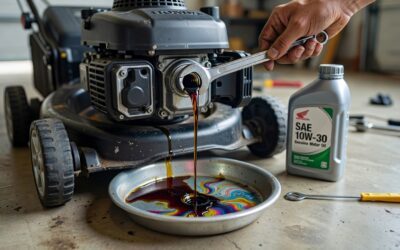
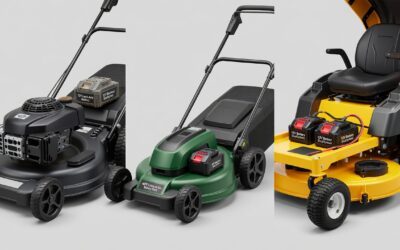
Most residential 4-stroke lawn mowers require 0.5 to 1.5 quarts of oil, with capacity varying by engine displacement and mower type. Small push mowers typically hold 0.5–0.75 quarts, mid-size walk-behind mowers need 0.75–1.25 quarts, and larger riding or zero-turn mowers require 1–1.5 quarts. Always check your owner’s manual for your specific model’s exact capacity. Use SAE 30 oil for warm climates or 10W-30 for year-round operation unless your manual specifies a different grade. Fill to the dipstick mark without overfilling, as excess oil can cause engine damage, smoking, and seal failure.
Why Oil Capacity Matters for Lawn Mower Maintenance
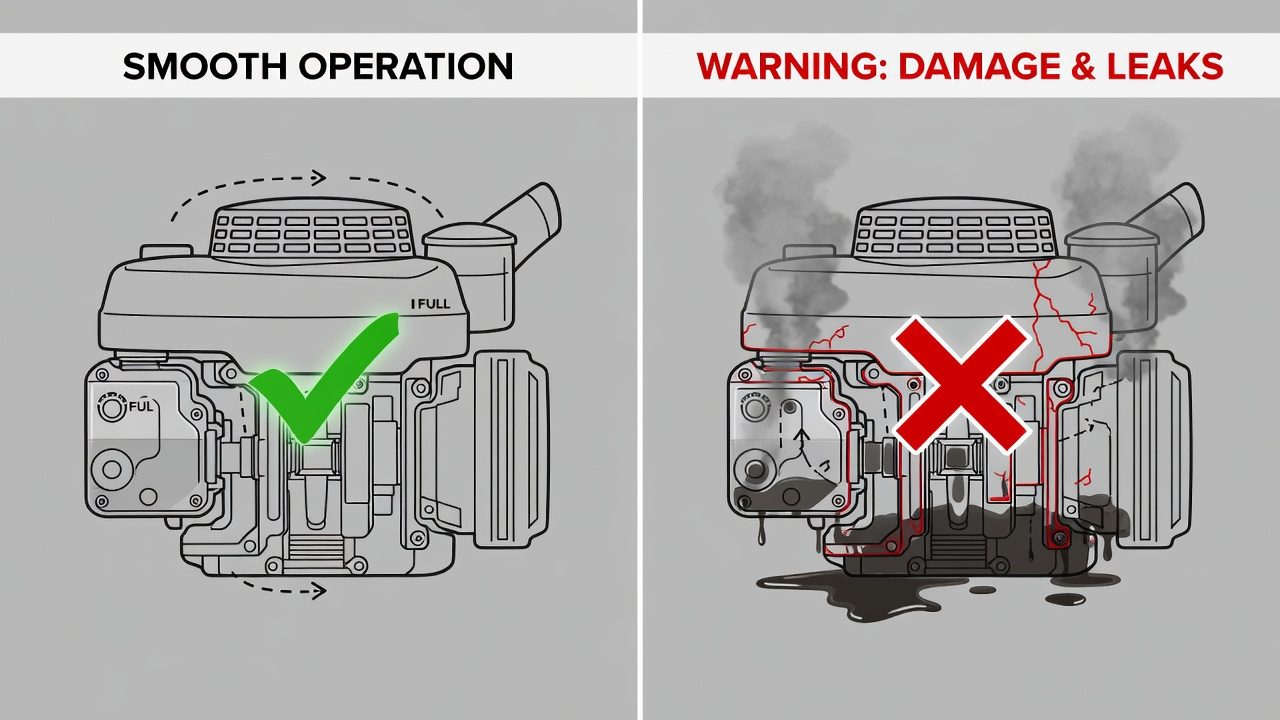
Engine oil in a lawn mower lubricates moving parts, reduces friction, dissipates heat, and protects against corrosion and wear. Correct oil levels are critical because lawn mower engines are small, high-RPM designs that are more sensitive to oil imbalances than automobile engines.
Consequences of incorrect oil levels:
- Too little oil: Leads to inadequate lubrication, increased friction, accelerated wear on pistons and cylinder walls, and potential engine seizure.
- Too much oil: Causes hydro-locking (liquid entering the combustion chamber), fouled spark plugs, excessive smoking, oil leaks from seals, and damaged internal components.
- Wrong oil viscosity: Thick oil may not flow properly in cold weather; thin oil may not provide adequate protection in heat.
Oil capacity varies between mowers because engine displacement—the volume of the cylinder—differs. A small 140cc push mower engine has much less internal volume than a 420cc riding mower engine, so it requires proportionally less oil to fill the crankcase properly.
Typical Oil Capacities by Mower Type
Small Push Mowers (20–22 inches)
Compact push mowers with single-cylinder 4-stroke engines (typically 140–190cc) require 0.5 to 0.75 quarts of oil. These mowers are designed for residential yards and have the smallest engines in the consumer market. Always use the lower end of your manual’s range initially, then top up if needed.
Mid-Size Walk-Behind Mowers (21–24 inches)
Standard walk-behind mowers with 200–280cc engines typically hold 0.75 to 1.25 quarts. This category includes most homeowner mowers sold at major retailers. The larger engine displacement means increased oil capacity to maintain proper film thickness and cooling.
Larger Walk-Behind and Self-Propelled Mowers
Heavy-duty walk-behind mowers and self-propelled models with 300–420cc engines generally require 1 to 1.5 quarts. These mowers are built for larger properties and thicker grass, with more robust engines that generate greater heat and friction.
Riding Mowers and Zero-Turn Mowers
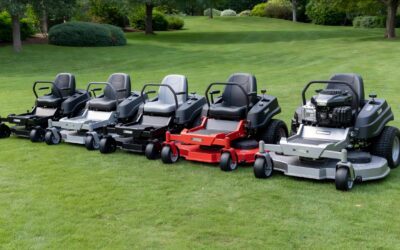
Riding mowers and commercial zero-turn mowers with V-twin engines or larger displacement engines may require 1.5 to 2 quarts or more, depending on the specific engine. Some models use multi-cylinder engines with separate oil systems, so always verify your manual.
2-Stroke Mowers (Older or Specialty Models)
Two-stroke engines, found in some older mowers or brush cutters, do not have a separate crankcase oil reservoir. Instead, oil is mixed directly with fuel at a ratio of typically 1:50 or 1:40 (consult your manual). Do not add crankcase oil to a 2-stroke engine, as this will cause fouling and damage.
Selecting the Right Oil Type and Viscosity
Understanding Oil Viscosity Grades
Oil viscosity is measured using the SAE (Society of Automotive Engineers) scale. Lower numbers flow more easily in cold weather; higher numbers provide thicker protection at high temperatures.
- SAE 30: A straight-weight oil suitable for warm climates (above 50°F). It provides good film strength during hot-weather operation but may thicken excessively in cold weather.
- 10W-30: A multi-viscosity oil with “W” denoting winter performance. The “10W” rating means it flows like SAE 10 in cold weather; the “30” means it performs like SAE 30 at operating temperature. This grade works year-round in most climates.
- 5W-30: Flows even better in cold weather than 10W-30, suitable for regions with harsh winters or early-season mowing.
Recommended Oil Types
Conventional mineral oil: The standard choice for most residential lawn mowers. It is affordable, readily available, and meets the requirements of small engines. Examples include SAE 30 or 10W-30 grades from major brands.
Synthetic oil: Premium option offering extended oil change intervals (100+ hours instead of 50) and better performance across temperature extremes. Synthetic oils are more expensive but beneficial for mowers used in extreme heat or cold. Check your manual—some older engines have rubber seals incompatible with synthetics.
Small-engine specific oils: Formulated with detergents and anti-wear additives optimized for high-RPM small engines. These are preferred over automotive oils, though automotive oils in the correct viscosity grade are often acceptable.
Can You Use Car Engine Oil in a Lawn Mower?
Most automotive SAE 30 or 10W-30 oils are acceptable in 4-stroke lawn mowers because they meet similar viscosity and performance standards. However, small-engine oils are preferable because they contain additives specifically formulated for high-RPM, air-cooled engines. Avoid oils with ZDDP (zinc) meant exclusively for older cars, as zinc additives can leave excessive deposits in small engines.
How to Check and Fill Your Lawn Mower Oil
Locating the Oil Dipstick or Fill Cap
Most lawn mowers have a dipstick with a yellow or orange handle located on the side of the engine. Some models use a screw-in fill cap instead. Consult your owner’s manual for the exact location. Never guess—checking the wrong location can lead to overfilling or underfilling.
Checking Oil Level
- Park the mower on level ground.
- Allow the engine to cool for at least 5 minutes after operation (warm oil can give false readings).
- Remove the dipstick by twisting or pulling, depending on your mower’s design.
- Wipe the dipstick clean with a rag or paper towel.
- Reinsert the dipstick fully, then remove it again to check the level.
- The oil should reach the “full” mark on the dipstick. If it is below the “low” or “add” mark, add oil in small increments.
Filling Without Overfilling
- Use a clean funnel to avoid spills and debris entry.
- Add oil slowly in small increments (a quarter-quart at a time for small mowers).
- Recheck the dipstick after each addition.
- Stop when the level reaches the full mark—do not overfill above the mark or into the upper neck of the dipstick.
- Replace the dipstick or cap securely to prevent oil leaks during operation.
Oil Change Intervals
Most manufacturers recommend changing oil every 50 to 100 operating hours or annually, whichever comes first. New mowers often require an oil change after the first 5 to 10 hours of operation. Check your manual for your specific mower’s schedule. Regular oil changes remove dirt, debris, and moisture that accumulate in the crankcase.
Finding Your Mower’s Exact Oil Capacity
Consult Your Owner’s Manual
The most reliable source for oil capacity is your owner’s manual. It specifies the exact quart or liter amount, oil viscosity grade, and fill procedure for your model. Manuals also include diagrams showing dipstick location and correct fill levels.
Locating a Lost Manual
- Manufacturer website: Most brands (Briggs & Stratton, Kohler, Honda, Toro, Husqvarna) offer manual downloads by model number.
- Model and serial number: These are typically stamped on a plate on the mower frame or engine. Use them to search the manufacturer’s database.
- Online retailers: Amazon, eBay, and specialty sites often sell replacement manuals for popular mower models.
- Engine manufacturers: If your mower uses a common engine (Briggs & Stratton, Kohler, Honda), you can search for the engine manual directly by model number.
Frequently Asked Questions
Q: What should I do if I accidentally overfill my lawn mower with oil?
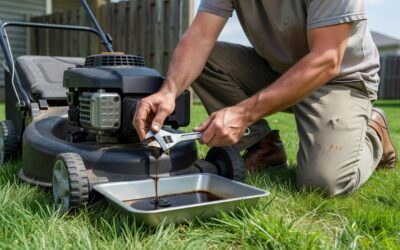
A: Drain the excess oil immediately. Place the mower on level ground, locate the drain plug or remove the dipstick, and allow excess oil to drain into a container. Recheck the level with the dipstick. Overfilled engines may emit smoke, leak oil, or suffer internal damage if run, so correcting this before starting the engine is critical.
Q: Can I use 0W-20 or synthetic oil in my older lawn mower?
A: Check your manual first. Older lawn mowers often specify SAE 30 or 10W-30 only. Some older engines have rubber seals and materials incompatible with synthetic oils or very thin viscosity grades like 0W-20. Using the wrong oil can cause leaks or seal degradation. When in doubt, stick to the manufacturer’s recommendation.
Q: How often should I check my lawn mower oil during the season?
A: Check oil before each use, especially if the mower sat unused for a week or more. Oil can escape through small leaks or be consumed during operation. Spending 30 seconds checking oil before mowing prevents costly engine damage from low oil levels.
Q: Is there a difference between “lawn mower oil” and regular engine oil?
A: Lawn mower oils are formulated for high-RPM, air-cooled small engines and typically contain detergents, anti-wear agents, and rust inhibitors optimized for these engines. Regular automotive oils are formulated for liquid-cooled, lower-RPM engines. While automotive oils in correct viscosity grades (SAE 30, 10W-30) often work, small-engine oils are preferred for longevity and performance. Always prioritize your manual’s recommendation over generic labels.
Key Takeaways
Lawn mower oil capacity ranges from 0.5 quarts for small push mowers to 1.5+ quarts for riding mowers, determined by engine displacement. Always consult your owner’s manual for exact capacity and recommended viscosity. Use SAE 30 for warm climates or 10W-30 for year-round operation unless specified otherwise. Check oil before each use on level ground with a cool engine, fill to the dipstick mark, and avoid overfilling. Change oil every 50–100 operating hours or annually to maintain engine health. Taking these steps ensures your mower runs smoothly and lasts for years.