

Quick Answer: How Sharp Should Lawn Mower Blades Be?
Direct Answer: Lawn mower blades should be sharp enough to cleanly sever grass without tearing or crushing the blade tips. A properly sharp blade will cut through paper or cleanly slice a blade of grass when tested. Most residential mowers need sharpening every 20 to 40 hours of mowing or 1 to 2 times per season, depending on lawn conditions and debris encountered.

Pros
- Large-size design named in product title
- Sharpening and balancing functions listed
- Listed as a new upgraded version

Pros
- Adjustable 15-to-45-degree range in title
- Sharpening and balancing functions listed
Pros
- Includes replacement gaskets and a 98079-55846 spark plug
- Matches Honda HRR216 and HRS216 lawn mower models
- Designed around the 16100-Z8B-901 carburetor specification
Cons
- Restricted to select Honda GCV160 mower applications
- Installation requires basic mechanical tools and skills
Why Blade Sharpness Matters for Lawn Health
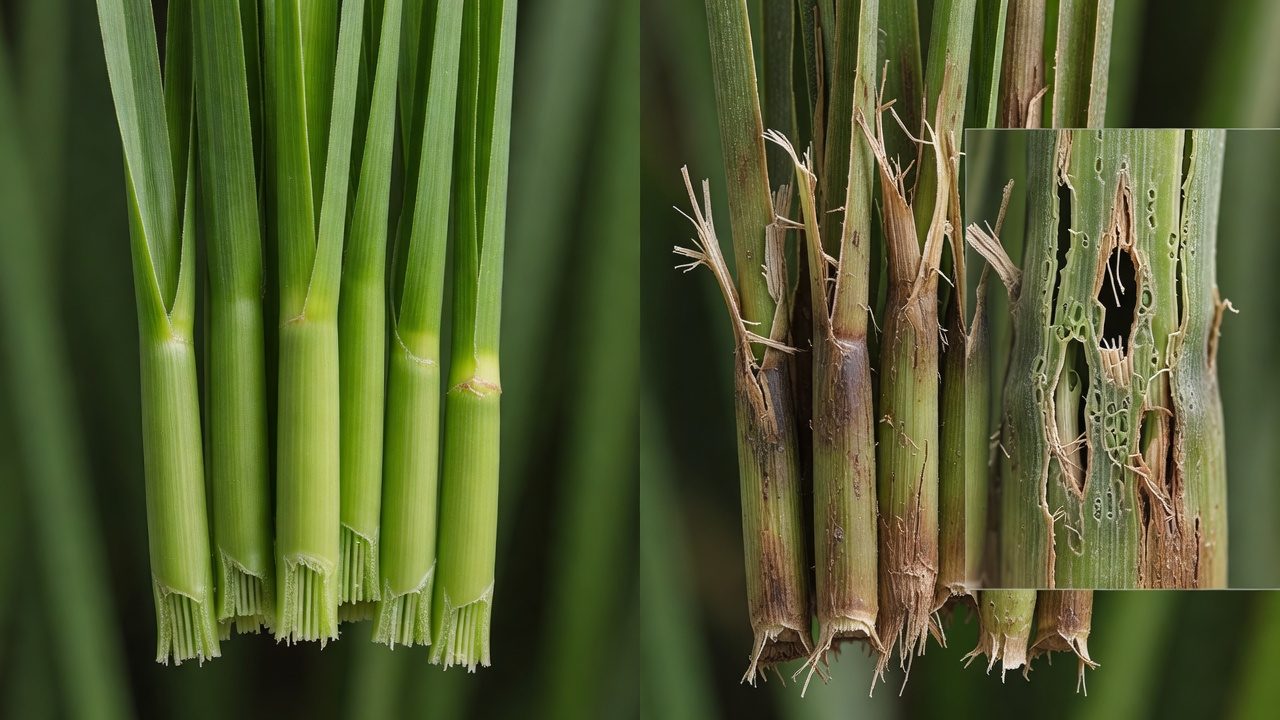
The difference between a sharp blade and a dull one is the difference between a clean cut and a torn wound on your grass. When a mower blade is sharp, it severs the grass stem cleanly, which promotes faster healing and healthier regrowth. The cut seals naturally, reducing water loss and preventing disease entry points.
Dull blades, by contrast, crush and tear the grass rather than cut it. This bruising creates ragged, brown-tipped leaf edges that are visible within hours of mowing. Torn grass is more susceptible to fungal and bacterial infections, drought stress, and pest damage. Over time, lawns mowed with dull blades develop a weakened appearance, require more frequent cutting, and struggle to recover from stress.
A lawn cut with sharp blades looks greener, feels healthier underfoot, and recovers more quickly from seasonal stresses like heat or foot traffic. This is why professional groundskeepers prioritize blade sharpness as a cornerstone of lawn care. Users looking for related component recommendations can explore our jbl partybox club 120 vs sony srs xv500 breakdown. For complementary hardware performance, examine our breakdown on our comprehensive riding lawn mower guide.
Signs Your Mower Blades Need Sharpening
Several visual and tactile indicators tell you when sharpening is due:
- Ragged, brown grass tips: The most obvious sign. If your lawn looks like it was torn rather than cut, dull blades are the culprit.
- Uneven cutting height: Dull blades lose their bite and skip patches, leaving some grass taller than adjacent areas.
- Increased mowing noise: A sharp blade cuts quietly; a dull blade clangs and strains against the grass, producing a distinctive grinding or tearing sound.
- Reduced cutting power: You notice the mower working harder, moving slower, or bogging down in normal lawn conditions.
- Visible blade wear: Inspect the blade edge itself. A sharp blade has a thin, reflective cutting edge; a dull blade has a rounded or flat edge visible to the naked eye.
- Excessive vibration: Dull or unbalanced blades cause noticeable vibration in the deck and handles.
How to Test Blade Sharpness Safely
Before sharpening, confirm your blades actually need it using these simple tests:
The Paper-Cut Test
With the engine off and spark plug wire disconnected, hold a piece of standard printer paper vertically and gently touch the blade edge to it. A sharp blade will cleanly slice the paper; a dull blade will tear or crush it without cutting. This is a safe, quick indicator of edge condition.
The Visual Inspection
Look at the blade edge under good light (use a flashlight if needed). Tip the mower deck to access the blade safely. A sharp blade has a thin, clean edge line. A dull blade has a rounded, flat, or worn edge, sometimes visibly chipped or damaged. Compare both sides; wear is often uneven.
The Grass Blade Test
Pluck a blade of grass from your lawn and lay it on a hard surface. Press the mower blade against it gently (engine off). A sharp blade will cleanly sever it in one motion; a dull blade will crush or bend it without cutting.
Safety note: Always disconnect the spark plug wire before inspecting or testing mower blades. Wear heavy gloves to protect against accidental contact with sharp edges, and keep hands clear of the blade path.
Sharpening Frequency Based on Mowing Conditions
Sharpening needs vary based on your lawn and mowing habits:
| Mowing Condition | Sharpening Frequency | Notes |
|---|---|---|
| Light residential lawn, no debris | 1 to 2 times per season | Clean lawns with minimal sticks, stones, or tough weeds sharpen less frequently. |
| Heavy residential use | Every 40 to 60 hours of mowing | Weekly mowing or high-traffic areas accelerate wear. |
| Rough terrain, debris | Every 20 to 30 hours of mowing | Rocky, weedy, or overgrown areas dull blades much faster. |
| Commercial or frequent mowing | Every 10 to 20 hours of mowing | Daily or near-daily use requires frequent sharpening for consistent results. |
As a practical rule, track your mowing hours or simply sharpen blades when you notice the signs listed above. For most homeowners, this works out to once or twice per season.
Blade Sharpness Standards by Mower Type
Rotary Mowers (Most Common)
Rotary mower blades are flat bars that spin horizontally and rely on impact and blade edge sharpness to cut. These blades should have a cutting edge sharp enough to cleanly cut paper. The edge angle is typically 30, 35 degrees (measuring from the blade flat to the cutting edge). Rotary blades are the most common on residential push and riding mowers. For troubleshooting and reliability insights, consult our in-depth dyson v8 cyclone vs bissell featherweight stick report.
Reel Mowers (Push or Ride)
Reel mowers use multiple spinning cylinders with helical blades that cut against a stationary bar, like scissors. They require a finer sharpness standard and often need professional sharpening to maintain precision. The blade-to-bar relationship must be precise, so reel blade maintenance is more technical than rotary blade care.
Commercial Zero-Turn Mowers
Commercial rotary mowers often use dual or triple blades and require the same sharpness standard as residential rotary mowers, a clean paper-cut edge, but must be sharpened more frequently due to heavy use. Commercial operators often sharpen weekly or after every 20, 30 hours of mowing. Readers comparing setup options can review our technical analysis on bissell crosswave hydrosteam vs shark stainforce.
Check your mower’s manual for manufacturer-specific blade angle recommendations, as some models specify exact degrees for optimal performance and safety.
DIY Blade Sharpening vs. Professional Service
DIY Sharpening: When It Makes Sense
DIY blade sharpening is practical for rotary mower owners and saves money if done correctly. You’ll need:
- A metal file (bastard cut or mill file, 10 to 14 inches) or angle grinder with a metal wheel
- Heavy work gloves
- Safety glasses
- A flat surface or blade holder to secure the blade
- A spark plug wrench and socket set
The basic process: Disconnect the spark plug wire, tip the mower (or remove the blade, depending on design), mark one blade end with paint or tape so you can balance it later, and file the cutting edge at the manufacturer’s recommended angle (typically 30 to 35 degrees). File only on the beveled edge, moving in one direction from the top of the blade downward. Maintain the existing angle and don’t over-file. File each blade the same number of strokes to keep them balanced.
After sharpening, check blade balance using a blade balancer or by hanging the blade on a nail through its center hole. An imbalanced blade causes harmful vibration and uneven cutting. If one side is heavier, file it slightly more to rebalance.
Professional Sharpening: When to Use It
Professional service is worth considering if:
- You have a reel mower, which requires precision balancing and angle work
- Your blade is chipped, cracked, or severely damaged, professional grinding can restore it
- Your blade is significantly out of balance or you’re unsure about balancing it yourself
- You prefer to avoid the risk of over-filing or angle errors
- You operate a commercial mower and want consistent results across multiple blades
Most local lawn equipment shops offer sharpening services for $10-$30 per blade and can often do the work while you wait or within a day.
Safety Considerations During Blade Maintenance
Mower blades are sharp and dangerous. Follow these safety practices:
- Always disconnect the spark plug wire before inspecting, handling, or sharpening blades. This prevents accidental engine start.
- Wear heavy-duty work gloves (leather or cut-resistant) when handling blades.
- Use safety glasses when filing or grinding to protect your eyes from metal shavings.
- Secure the blade or mower deck so it cannot move while you’re working on it.
- Never reach under the mower deck while the engine is running or without the spark plug disconnected.
- If using a grinder, follow all grinder safety practices: Wear face shield and gloves, secure the blade firmly, and keep your hands clear of the grinding wheel rotation.
- After sharpening, test the blade is secure before restarting the engine and mowing.
- Allow metal to cool after filing or grinding before handling to avoid burn.
Buyer FAQs: How Sharp Should Lawn Mower Blades Be Solved
What does a sharp lawn mower blade feel like when you touch it?
A sharp blade will be noticeably sharp to the touch, similar to a kitchen knife edge. You should feel a distinct thin edge when you run your fingertip (gently, with a gloved hand) along the cutting edge perpendicular to the blade direction. A dull blade will feel rounded or flat, with no distinct edge. Never test with bare skin; always wear heavy gloves.
Can I sharpen a severely damaged or bent blade?
Minor chips and wear can be filed out by sharpening. However, if a blade is severely bent, cracked, or has deep gouges, replacement is safer and more cost-effective than repair. A compromised blade can break during use, creating a dangerous projectile. Most replacement blades cost $15-$50 and are quick to install.
How do I know if my blade is balanced after sharpening?
Use a blade balancer (a simple tool that costs $5-$15 and slides over the blade’s center hole) or hang the blade on a smooth nail driven through its center hole. The blade should stay level; if one side dips down, that side is heavier and needs additional filing. Balanced blades prevent vibration and ensure even cutting.
Should I sharpen both blades on a dual-blade mower the same way?
Yes. Both blades must be sharpened identically and balanced identically to prevent vibration and uneven cutting. File each blade the same number of strokes and check balance on each. Many owners bring dual-blade mowers to professionals to ensure consistency.
Maintaining Sharp Blades Between Sharpening Sessions
Extend the time between sharpenings by minimizing blade stress:
- Clear the lawn before mowing of sticks, stones, and debris that dull or chip blades.
- Mow at the correct height for your grass type, cutting too short increases blade stress.
- Avoid mowing wet grass when possible, as wet grass clogs the deck and increases friction.
- Keep the deck clean by scraping buildup after mowing to prevent rust and corrosion.
- Store the mower properly over winter; drain fuel and store in a dry location to prevent rust on blades.
Sharp blades are the foundation of good lawn care. By sharpening regularly, testing blade condition, and following safety practices, you’ll keep your mower running efficiently and your lawn looking healthy and vibrant.
Related Maintenance and Operating Guides
To keep your equipment running at peak operating efficiency, explore our related technical walkthroughs and maintenance tutorials:
- Consult our detailed breakdown on heavy-duty chainsaw buyer guide.
Technical Standards and Compliance
Mechanical safety standards, operational tolerances, and protective gear guidelines align with benchmark specifications established by the American National Standards Institute (ANSI).









