

Quick Answer: How to Clean Your Lawn Mower
Clean your lawn mower by disconnecting the spark plug wires, removing grass and debris from the deck using a brush or compressed air, checking and cleaning the air filter, inspecting the spark plug, and sharpening the blade if needed. For gas mowers, perform quick cleaning after each use and deep maintenance seasonally; electric mowers require less intensive upkeep but still need deck and filter attention. Always ensure the engine is cool and the mower is on a level surface before starting.

Pros
- Large-size design named in product title
- Sharpening and balancing functions listed
- Listed as a new upgraded version

Pros
- Adjustable 15-to-45-degree range in title
- Sharpening and balancing functions listed

Pros
- Sharpener and balancer functions in title
- 15-to-45-degree adjustable setting listed
- Built for lawn mower blade maintenance
Pros
- Includes replacement gaskets and a 98079-55846 spark plug
- Matches Honda HRR216 and HRS216 lawn mower models
- Designed around the 16100-Z8B-901 carburetor specification
Cons
- Restricted to select Honda GCV160 mower applications
- Installation requires basic mechanical tools and skills
Why Regular Lawn Mower Cleaning Matters
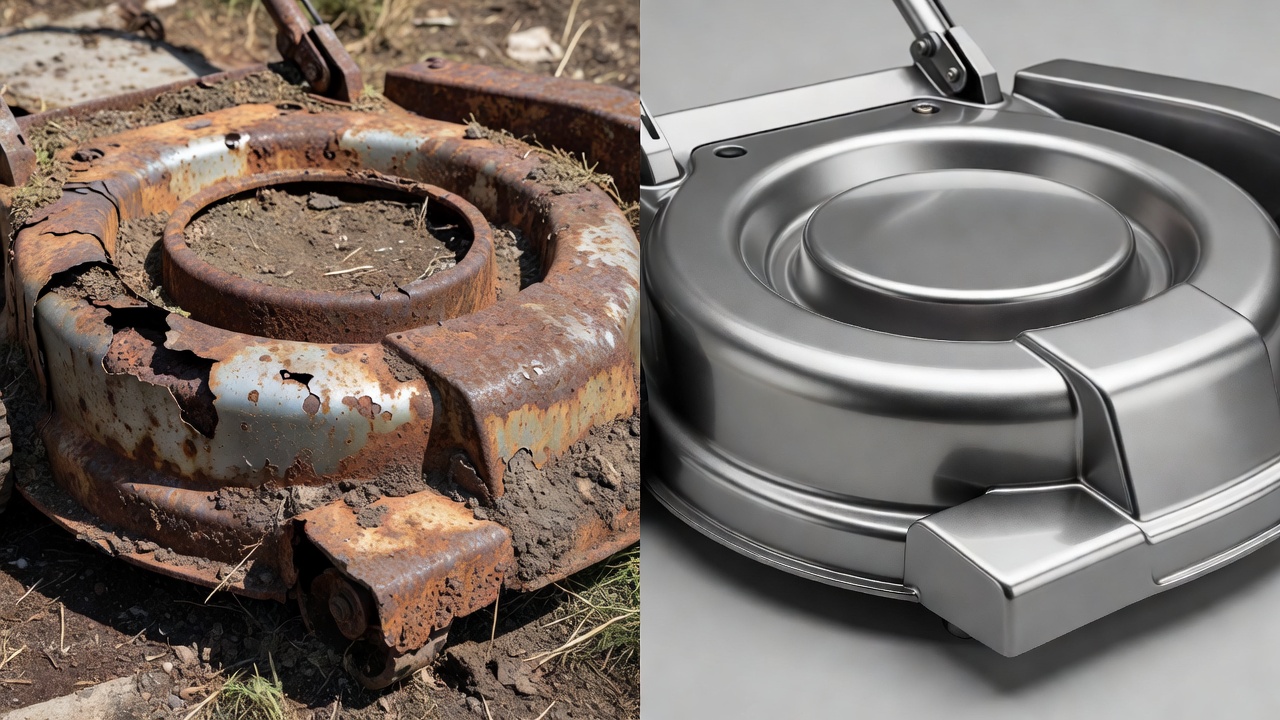
Grass clippings, dirt, and moisture buildup on your mower create multiple problems. Wet grass sticks to the deck and hardens, reducing cutting efficiency and eventually causing corrosion that shortens the mower’s lifespan. A clogged air filter forces the engine to work harder, consuming more fuel and producing less power. Dirty spark plugs and fuel system residue lead to starting difficulties and rough operation. Regular cleaning prevents these issues, maintains consistent performance, and can add years to your equipment’s life.
Quick Post-Use Cleaning (After Each Mowing)
The easiest maintenance happens immediately after mowing, when debris is still loose: For additional operational safety benchmarks, see our published testing notes on jbl partybox club 120 vs sony srs xv500.
- Disconnect the spark plug wires — Always disable the engine before any maintenance. This is the single most important safety step.
- Tip the mower safely — For push mowers, tip it on its side (spark plug side up to prevent oil leakage). Never tip toward the carburetor side.
- Remove grass from the deck — Use a plastic scraper or wooden stick to dislodge dried clippings. Avoid metal tools that can damage the deck. A pressure washer on low setting (below 1500 PSI) can work, but allow the mower to dry completely afterward.
- Clear the chute and discharge opening — Remove packed grass that restricts airflow and buildup that attracts moisture.
- Wipe down external surfaces — A damp cloth removes dust and prevents dirt from settling into crevices.
This 5-10 minute task prevents the hardened, corrosive layer that develops when grass sits for days. For additional operational safety benchmarks, see our published testing notes on jbl partybox club 120 vs sony srs xv500.
Weekly Air Filter and Spark Plug Inspection
Your mower’s air filter and spark plug are the first indicators of engine health. Inspect them weekly during mowing season:
Air Filter Maintenance
A clogged air filter restricts airflow, forcing the engine to run rich (too much fuel, too little air), which increases fuel consumption and reduces power. Check your air filter every week of active use: To compare alternative configurations, check our hands-on review of z890 vs x870e motherboard.
- Locate the filter — Usually a plastic canister on top of or beside the engine, held by a wing nut or clips.
- Remove and inspect — The filter may be foam, pleated paper, or a combination. Compare against a clean replacement to judge darkness.
- Foam filters (reusable) — Tap gently to remove loose dirt. Wash in warm soapy water, rinse thoroughly, let dry completely, then lightly coat with foam filter oil (a specialized product) before reinstalling. Replace yearly.
- Paper filters (disposable) — Tap gently to dislodge surface dirt. If the filter is dark or clogged, replace it. Paper filters typically last one full season of regular use.
Spark Plug Inspection
A fouled or worn spark plug causes hard starting, rough running, and power loss. Check and replace as needed:
- Remove the spark plug cap — Pull straight up on the rubber boot, not the wire.
- Unscrew the spark plug — Use a spark plug socket and ratchet.
- Inspect the electrode — A healthy plug has a light tan or gray color with a small (0.028–0.035 inch) gap between the center and side electrodes. Black, oily, or wet plugs indicate fuel mixture or ignition problems and should be replaced.
- Replace if needed — Spark plugs are inexpensive (typically $3–8 each). Replace yearly at minimum, or more often if your mower is older or heavily used.
Deep Seasonal Cleaning (Spring and Fall)
Before heavy mowing season (spring) and before storage (fall), perform thorough maintenance:
Fuel System Care
Stale gasoline causes starting problems and clogs the carburetor. For fall storage: Users looking for related component recommendations can explore our marshall stanmore iii vs harman kardon onyx studio 8 breakdown.
- Option 1: Drain the tank — Empty all fuel into a safe container. Run the engine until it stalls to clear fuel lines. Dispose of old fuel safely at a recycling center.
- Option 2: Add fuel stabilizer — Pour a fuel stabilizer product (like Sta-Bil) into a full tank per manufacturer instructions. Run the engine for 15 minutes to circulate the stabilizer through the fuel system. This prevents gum and varnish buildup and keeps fuel viable for up to 12 months.
For spring startup after storage, if you used stabilizer, simply refill with fresh gas and start normally. If you drained the tank, refill with fresh gas and prime the engine.
Carburetor and Fuel Line Inspection
The carburetor meters fuel to the engine and is prone to clogging from stale gas deposits: Before finalizing equipment decisions, refer to our comprehensive dyson v8 cyclone vs bissell featherweight stick comparison.
- Look for leaks — Fuel leaking from the carburetor base indicates a damaged gasket or internal damage.
- Inspect fuel lines — Check rubber lines for cracks or brittleness. Replace if damaged.
- Cleaning vs. replacement — A heavily clogged carburetor may require removal and soaking in carburetor cleaner, or professional service. If your mower doesn’t start or runs very poorly after winter, carburetor issues are likely.
Blade Sharpening and Inspection
Dull blades tear rather than cut grass, creating ragged edges that brown and weaken the lawn:
- Disconnect spark plug wires — Critical safety step before touching the blade.
- Mark the blade — Use tape or marker on one side so you balance it correctly after sharpening.
- Remove the blade — Unscrew the center bolt and carefully lift the blade free.
- Inspect for damage — Look for cracks, dents, or deep nicks. Damaged blades must be replaced, not sharpened.
- Sharpen the edge — Use a metal file, sharpening stone, or angle grinder to file each end of the blade at the same angle, removing equal amounts of metal from both sides. The edge should be sharp but not razor-thin (a 30–45 degree angle is typical).
- Check balance — Hang the blade on a nail through its center hole. A properly balanced blade stays level; if one side dips, remove a bit more metal from that side.
- Reinstall securely — Torque the center bolt to the manufacturer’s specification (typically 35–90 ft-lb for residential mowers).
Sharpen blades every 20–40 hours of use, or at least twice per season for regular users. For broader ecosystem context, read through our operational guide on bissell crosswave hydrosteam vs shark stainforce.
Gas vs. Electric Mower Cleaning Differences
While the deck and filter maintenance apply to both types, significant differences exist:
| Task | Gas Mower | Electric Mower |
|---|---|---|
| Spark Plug | Inspect and replace yearly or as needed | N/A — no spark plugs |
| Air Filter | Clean or replace weekly during use; replace yearly | May have a filter; check manufacturer specs; less critical than gas mowers |
| Fuel System | Drain or stabilize; carburetor maintenance required | N/A — battery-powered only |
| Oil Changes | Change oil every 50–100 hours of use; check level regularly | N/A — electric motor requires no oil |
| Deck Cleaning | Required; same method as electric | Required; same method as gas |
| Battery Maintenance | N/A | Store battery in cool, dry location; charge per manufacturer specs; replace after 3–5 years typically |
Electric mowers are generally lower-maintenance: no spark plugs, no fuel system, no oil changes. However, deck cleaning and blade sharpening still apply. Battery care is the main difference — store batteries indoors during winter and charge them periodically if storing for extended periods.
Storage Preparation and Winterization
Proper storage prevents rust, fuel degradation, and starting problems in spring:
Gas Mower Winterization
- Clean the entire mower — Remove all grass, dirt, and moisture from the deck, undercarriage, and engine.
- Change the oil — Fresh oil prevents acid buildup during storage. Run the engine briefly to warm the oil (making it flow better), then drain and refill with the recommended grade.
- Prepare the fuel system — Either drain the tank or add stabilizer (see fuel system care section above).
- Replace or service the spark plug — Start spring with a fresh plug.
- Clean the air filter — Replace disposable filters; clean and dry foam filters.
- Inspect the blade — Sharpen if needed so you’re ready for spring.
- Store in a dry location — A garage, shed, or covered area prevents rust from moisture exposure. Use a tarp if storing outside.
Electric Mower Storage
- Clean the deck and undercarriage — Moisture and grass speed corrosion.
- Remove the battery — Store separately in a cool, dry place (50–70°F is ideal). Charge to about 50% before storage to maintain battery health.
- Cover the mower — Protect from dust and moisture.
Troubleshooting Common Cleaning-Related Problems
Mower won’t start after winter: Stale fuel is the usual culprit. Drain the old fuel, refill with fresh gas, replace the spark plug, and try again. If it still won’t start, the carburetor may need professional cleaning.
Engine runs rough or loses power: Check the air filter first — a clogged filter is the most common cause. Next, inspect the spark plug. If both are clean, the carburetor may need attention or the blade may be dull (hard starting under load).
Deck rust or corrosion: This indicates water sitting on the deck. Ensure you’re drying the mower thoroughly after each cleaning and storing it in a dry location. Light surface rust can be removed with a wire brush and light oil; deep rust may require deck replacement.
Fuel leaking from the carburetor: This is usually a failed gasket and requires carburetor removal and repair. Have a professional service this if you’re not experienced with small engine work.
Common Questions on How To Clean Lawn Mower Answered
How often should I clean my lawn mower?
Quick cleaning (removing grass and debris) should happen after every mow. Weekly inspection of the air filter and spark plug is recommended during mowing season. Deep seasonal cleaning (fuel system, blade sharpening, oil change) should occur before spring use and before fall storage. If you mow heavily (2–3 times per week), increase inspection frequency.
Can I use a pressure washer to clean my mower deck?
Yes, but with caution. Use a pressure washer set to 1500 PSI or lower to avoid damaging the deck or forcing water into the engine and carburetor. Never spray directly at the fuel tank, carburetor, or engine block. A gentle hand-scrubbing with a brush or low-pressure rinse is safer for older mowers. Always let the mower dry completely before starting the engine.
Do I need to change the oil in my lawn mower?
Yes, for gas mowers. Change the oil every 50–100 hours of use (typically once per season for residential users), or at least annually if you use your mower lightly. Fresh oil reduces wear and prevents sludge buildup. Electric mowers have no oil to change. Consult your owner’s manual for the correct oil grade and capacity.
What’s the best way to store a lawn mower long-term?
Clean the entire mower, prepare the fuel system (drain or stabilize), change the oil, replace the spark plug, and store in a dry location like a garage or shed. For gas mowers, remove the battery (if equipped) and disconnect the spark plug wires to prevent accidental starting. Keep the mower covered to protect from dust. For electric mowers, remove the battery and store separately in a cool place. Check on your mower periodically during storage to ensure no moisture or pests have affected it.
For more detailed testing breakdowns and top recommendations, check our in-depth guide to residential zero-turn lawn mower guide.
For more hands-on benchmarks and buying recommendations, consult our guides on heavy-duty chainsaw buyer guide, as well as high-CFM commercial leaf blower guide, as well as automated robotic lawn mower guide.
Mechanical safety standards, operational tolerances, and protective gear guidelines align with benchmark specifications established by the American National Standards Institute (ANSI).









