Quick Answer: How to Dispose of a Lawn Mower
The best disposal method depends on your mower’s condition. If it’s functional, donate it to a charity, community organization, or online marketplace like Craigslist or Facebook Marketplace. For non-functional mowers, take it to a scrap metal recycler, schedule municipal bulk trash pickup, or visit a local hazardous waste facility. Always drain fuel and oil before disposal to comply with environmental regulations and prevent safety hazards.
Assess Your Mower’s Condition First
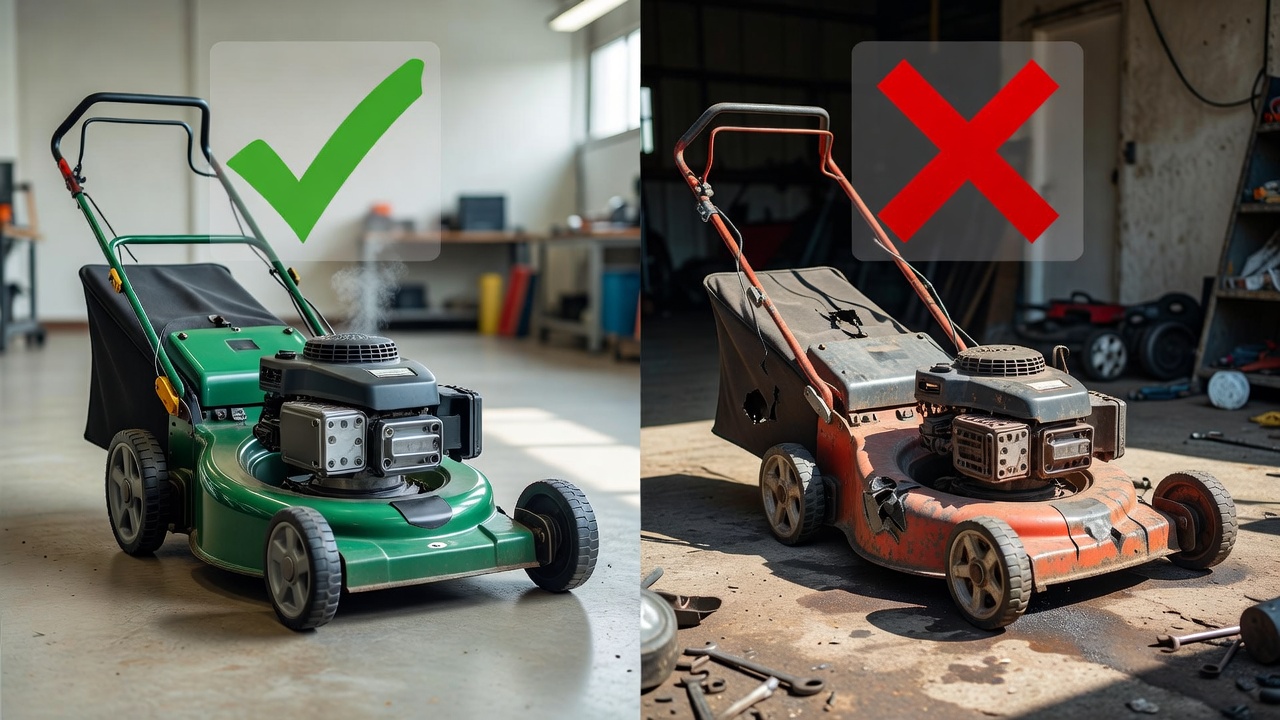
Before choosing a disposal method, evaluate your mower’s current state. Understanding whether it works, its type, and its overall condition will help you select the fastest and most appropriate option.
- Does it still run? A functional mower has donation value and opens several options. A broken mower typically requires recycling or scrap metal services.
- What type is it? Gas mowers require fuel drainage and pose more hazardous waste concerns. Electric or battery-powered mowers may have battery disposal requirements.
- What’s its condition? Significant rust, damage, or missing parts usually make donation impossible but don’t prevent recycling.
Donation: The Best Option for Functional Mowers
If your lawn mower still works, donation is often the easiest and most rewarding disposal method. It keeps the equipment out of landfills, helps someone in need, and typically requires minimal effort on your part.
Where to Donate a Lawn Mower
- Goodwill and Salvation Army: Many locations accept lawn mowers if they’re in working condition. Call your local store to confirm acceptance and drop-off options.
- Habitat for Humanity ReStore: These nonprofit home improvement centers often accept lawn mowers and other landscaping equipment. Check your local ReStore’s website for specific policies.
- Community organizations: Parks departments, community gardens, schools, and local nonprofits may accept equipment donations. Contact your city or county office to find interested organizations.
- Online marketplaces: Craigslist, Facebook Marketplace, OfferUp, and Nextdoor are fast ways to give away or sell a working mower locally. Free listings often attract pickup quickly.
- Tool libraries and community workshops: Some cities operate shared equipment programs that accept donated lawn mowers for community use.
Preparing Your Mower for Donation
Before donating, prepare the mower to ensure it’s safe and appealing to the recipient:
- Test the engine to confirm it starts and runs reliably.
- Change the oil if it appears dirty or overdue.
- Clean the deck and exterior to remove grass, dirt, and debris.
- Check that the blade spins freely and the cutting height adjusts properly.
- Fill the tank with fresh fuel if the mower will sit before pickup.
- Include the owner’s manual and any keys or attachments if available.
Recycling and Scrap Metal Services
For mowers that no longer work, scrap metal recycling is an environmentally responsible option. Lawn mowers contain valuable materials including steel, aluminum, and iron that can be reclaimed and reused.
How to Find Local Scrap Metal Recyclers
- Search “scrap metal recycling near me” or “scrap yards” on Google Maps.
- Call local recycling centers and ask if they accept lawn mowers.
- Contact your city’s public works or sanitation department for recommendations.
- Check iScrap App or Earth911.com’s recycling database for facilities in your area.
What Happens at a Scrap Metal Recycler
Scrap metal recyclers typically accept lawn mowers with the understanding that you’ve drained fuel and oil. The mower is dismantled, and metal components are separated, processed, and sold to manufacturers. Some recyclers may pay for the mower’s weight in scrap metal—typically $5 to $15 for an average residential mower—though prices fluctuate with metal markets. Others may charge a small drop-off fee if the mower has minimal scrap value.
Preparing for Scrap Metal Recycling
- Drain all fuel and oil completely (see preparation steps below).
- Remove the battery from electric or battery-powered mowers.
- Confirm the recycler’s specific acceptance requirements before visiting.
- Ask whether you’ll be compensated or charged a fee.
Municipal Hazardous Waste Programs
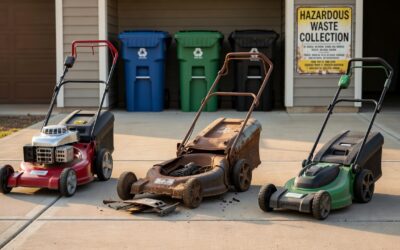
Most cities and counties operate hazardous waste collection programs that accept lawn mowers, especially gas-powered models with fuel and oil. These programs ensure proper disposal of toxic fluids and environmental compliance.
Why Hazardous Waste Programs Matter
Fuel and oil are environmental hazards that contaminate groundwater and soil if disposed of improperly. Municipal hazardous waste programs are equipped to handle, neutralize, and recycle these fluids safely. Many programs are free or low-cost to residents, making them a responsible choice.
How to Access Your Local Program
- Search “hazardous waste disposal [your city]” on your municipal website.
- Contact your city or county sanitation/public works department.
- Call your local waste management company (listed on your trash bill).
- Use the EPA’s hazardous waste locator tool at search.earth911.com.
What to Expect
Most programs offer seasonal collection events (often spring and fall) or year-round drop-off centers. You’ll typically need to:
- Drain fuel and oil before transport (or do so at the facility under staff supervision).
- Schedule an appointment or drop off during specified hours.
- Pay a small fee ($0–$25) or participate free as a city resident.
- Provide proof of residency if required.
Bulk Trash Pickup and Curbside Disposal
Many municipalities include large item pickup as part of their waste service. Lawn mowers are often accepted, though specific rules vary by location.
How Bulk Pickup Works
- Contact your waste management provider to confirm lawn mower acceptance.
- Schedule a pickup date (usually available monthly or quarterly).
- Place the mower at your curb on the scheduled day, following size and preparation guidelines.
- The collection crew transports it to a facility for recycling or proper disposal.
Key Restrictions
- Most programs require fuel and oil to be drained completely.
- Weight limits may apply (typically 100–150 pounds per item).
- Some services charge an additional fee per item ($15–$50).
- Advance notice (1–2 weeks) is usually required.
Check your waste management bill or call your local provider to confirm what’s accepted and any associated costs.
Essential Preparation Steps Before Disposal
Regardless of your chosen disposal method, safely preparing your mower is critical for environmental protection and worker safety.
How to Drain Fuel Safely
Fuel is flammable and toxic. Proper drainage prevents spills and fire hazards.
- Location: Work outdoors on a dry surface away from ignition sources.
- Tools needed: A clean plastic container (1–2 gallons), a siphon pump or fuel drain plug wrench, and absorbent rags.
- Process: If your mower has a fuel drain plug (usually under the tank), position the container below it and remove the plug to let fuel drain completely. If no drain plug exists, use a siphon pump inserted into the fuel tank opening (never siphon by mouth—fuel is toxic if ingested).
- Disposal: Take drained fuel to a gas station, automotive service center, or hazardous waste facility. Never pour fuel down drains or into soil.
- Timing: For mowers stored long-term, drain fuel a few days before disposal to allow residual fumes to evaporate.
How to Drain Oil
Oil disposal is regulated environmentally. Improper disposal contaminates water supplies and harms wildlife.
- Tools needed: An oil drain pan, a wrench (if needed to remove the drain plug), and clean containers or a collection bag.
- Process: Locate the oil drain plug under the engine (consult your manual for exact location). Position the pan underneath and remove the plug. Allow oil to drain completely for 5–10 minutes.
- Disposal: Most automotive shops, quick-lube facilities, and recycling centers accept used oil for free. Some hazardous waste programs also accept it. Never dispose of oil in household trash, down drains, or onto soil.
Battery Removal (Electric/Battery-Powered Mowers)
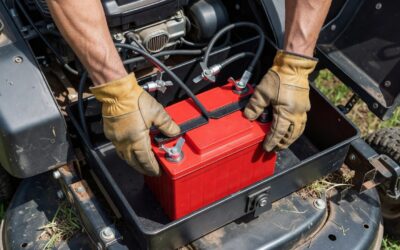
- Locate and safely disconnect the battery (consult your manual).
- Store the battery in a cool, dry place away from metal objects.
- Take the battery separately to an electronics recycler or hazardous waste facility—never include it with the mower.
- Many retailers (Home Depot, Lowes) offer battery recycling programs.
Final Inspection Before Handoff
- Confirm the fuel tank is empty (no smell or residue).
- Confirm the oil drain is empty and the plug is reinstalled.
- Check that no leaking fluids remain.
- Note any sharp or protruding parts and inform the recipient or facility.
Regional Variations and Legal Considerations
Lawn mower disposal rules vary significantly by location due to different environmental regulations, waste infrastructure, and local policies.
Why Regulations Differ
- Environmental sensitivity: Regions with sensitive groundwater or wetlands enforce stricter fluid disposal rules.
- Infrastructure: Areas with robust recycling networks may offer more free options than rural regions.
- Climate: Cold regions with strong seasonal weather patterns may limit hazardous waste collection to specific seasons.
What You Should Check Locally
- Curbside or bulk pickup policies: Some cities accept mowers; others prohibit them. Your waste provider’s website will specify.
- Hazardous waste facility hours and fees: Most are seasonal or limited to certain days.
- Donation organization policies: Goodwill and Salvation Army guidelines vary by location.
- Fuel and oil disposal laws: Some regions require certified disposal facilities; others allow multiple options.
Action step: Contact your city or county waste management department or visit their website to confirm the disposal methods available in your area. Many provide comprehensive guides for large item disposal.
Frequently Asked Questions
Can I put a lawn mower in the trash?
Most municipalities do not allow lawn mowers in regular trash bins due to their size and hazardous fluid content. Check your local waste management provider’s policy, but bulk pickup or hazardous waste programs are the standard options. Placing a mower in a trash bin may result in collection crews refusing to pick it up or violating local ordinances.
How much will a scrap yard pay for an old lawn mower?
Compensation depends on the mower’s weight and current scrap metal prices. A typical residential mower weighs 200–400 pounds and may fetch $5–$25 in scrap value. However, prices fluctuate based on market conditions for steel and aluminum. Some recyclers may charge a small drop-off fee if the mower is in poor condition. Call local scrap yards for current pricing.
Do I need to drain fuel before donating or recycling?
Yes, always. Fuel is flammable, toxic, and a serious safety and environmental hazard. Federal and state regulations require fuel to be drained before mowers are transported, donated, or recycled. Most facilities will refuse a mower with fuel still in the tank. Drain fuel at least a few days before disposal to allow fumes to evaporate completely.
What if my mower won’t start—can I still donate it?
Most charities and online buyers expect a mower to run or be easily repairable. If it won’t start and you’re unsure of the cause, donation is unlikely. However, if the issue is minor (clogged carb, dead battery), attempt a quick fix before offering it. If repair is beyond your capability or uneconomical, recycling or a hazardous waste program is your best option. Some nonprofits with workshop facilities may accept non-working mowers for parts or repair projects—call ahead to ask.
Conclusion
Disposing of a lawn mower doesn’t have to be complicated. Start by assessing its condition: working mowers are ideal for donation to charities, online marketplaces, or community organizations. Non-functional or damaged mowers belong at scrap metal recyclers, municipal hazardous waste facilities, or bulk trash pickup programs. The critical step in any disposal method is draining fuel and oil safely and responsibly—this protects the environment, ensures worker safety, and complies with local regulations. Contact your city or waste management provider to confirm available options in your area, then choose the method that fits your timeline and circumstances.