Direct Answer: How to Dispose of a Lawn Mower
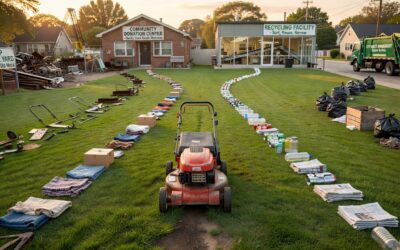
The best disposal method depends on your mower’s condition and type. Functional mowers should be donated to charities, schools, community gardens, or Habitat for Humanity ReStores. Broken mowers belong at scrap metal yards or municipal recycling centers where metal components are recovered. Gas-powered mowers require fuel and oil drainage before disposal at hazardous waste facilities. Electric mowers can go to e-waste recyclers that handle batteries safely. Always check your local waste management authority for specific drop-off locations, hours, and fees.
Assess Your Mower’s Condition
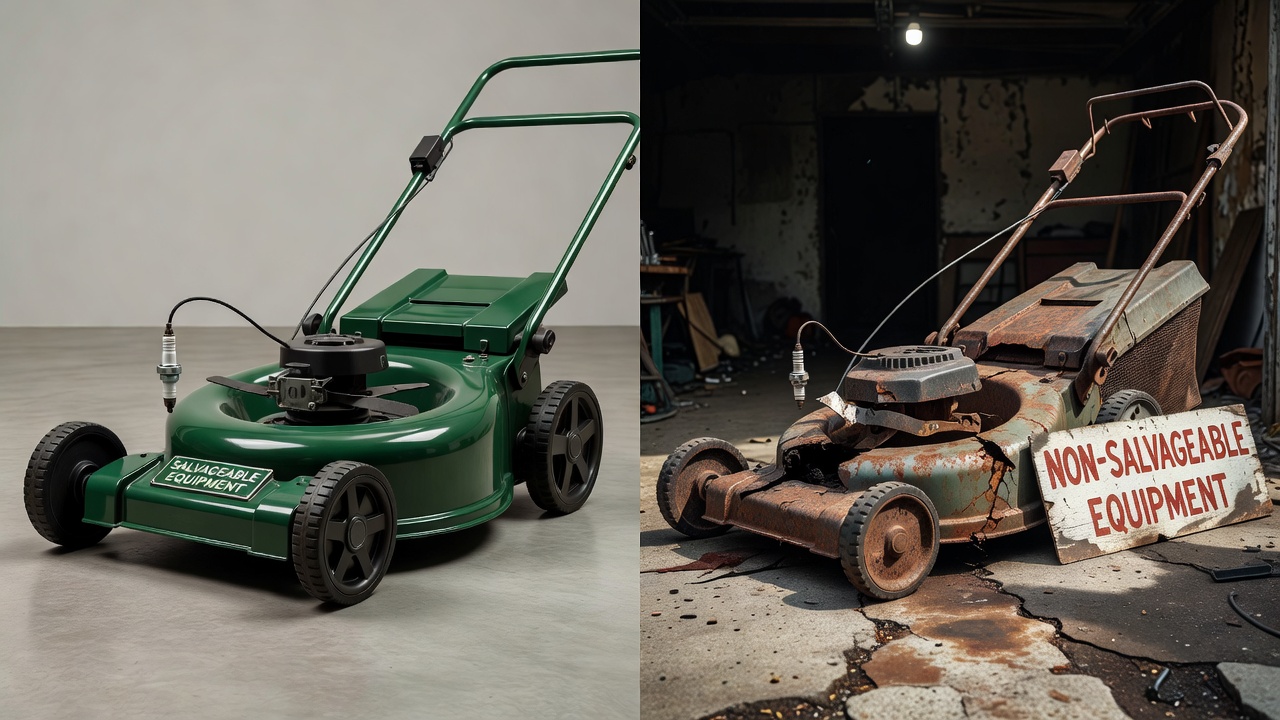
Before choosing a disposal method, determine whether your mower is functional or broken.
Is the Mower Still Working?
A working mower—even one that needs minor repairs—is valuable. If it starts, cuts grass, and has no major damage, donation is your best option. You’ll keep it out of landfills, help someone in need, and often receive a tax deduction.
Mowers with minor issues like dull blades, clogged carburetors, or flat tires can often be repaired by donation organizations. Many charities have volunteers or partners who handle light maintenance before passing mowers to new owners.
Is the Mower Broken Beyond Repair?
If the engine won’t start, the deck is cracked, or repairs would cost more than replacement, the mower is a candidate for recycling or scrap disposal. Broken mowers still have value as scrap metal—typically aluminum, steel, and iron components that can be melted down and reused.
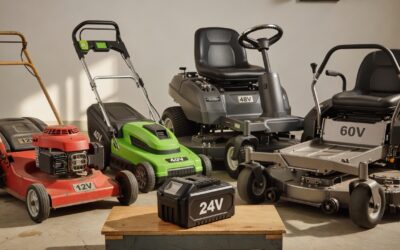
What Type of Mower Do You Have?
Mower type affects disposal logistics:
- Gas-powered mowers: Require fuel and oil removal; must go to hazardous waste facilities or scrap yards equipped to handle fuel residue
- Electric/battery mowers: Need e-waste recycling due to lithium batteries; many retailers and manufacturers offer take-back programs
- Manual push mowers: Lightweight and non-hazardous; easiest to donate or recycle
- Riding mowers: Heavy equipment; require specialized disposal; often accepted by scrap yards that have heavy equipment capacity
Donation Options for Working Mowers
Donating a functional mower is environmentally responsible and helps your community. Most organizations won’t accept broken equipment, so be honest about condition.
Where to Donate a Lawn Mower
- Habitat for Humanity ReStore: Accepts tools and equipment in working condition; has locations nationwide; issues tax-deductible receipts
- Goodwill and Salvation Army: Accept mowers at some locations; call ahead to confirm acceptance and arrange drop-off
- Community gardens and parks: Local nonprofits often need equipment; contact your city’s parks department or search community garden networks
- Schools and youth programs: Vocational schools, 4-H clubs, and agricultural extension services sometimes accept donated equipment for training
- Churches and religious organizations: Many run community service programs or maintain grounds and welcome equipment donations
- Facebook Marketplace, Craigslist, or Nextdoor: Free or low-cost listings reach neighbors who may repair and use the mower
- Tool libraries: Some communities operate lending libraries that accept donated tools and equipment
Donation Requirements and Pickup
Most organizations require mowers to be in working order or need only minor repairs. Before contacting a charity, verify:
- The mower starts and runs
- The deck isn’t cracked or severely rusted
- Blades are present (though they can be dull)
- No missing or broken handles
Many charities offer free pickup for large items like mowers, especially if you donate multiple pieces. Call ahead to arrange logistics—don’t assume they’ll come to you. Some require drop-off at their facility.
Step-by-Step Preparation Before Disposal
If your mower is headed for recycling or hazardous waste disposal, proper preparation is essential for safety and environmental protection.
Drain Fuel from Gas-Powered Mowers
Why it matters: Gasoline is flammable and toxic. Leaving fuel in the tank creates fire and environmental hazards during transport, processing, and storage.
How to drain fuel safely:
- Move the mower to an outdoor, well-ventilated area away from ignition sources
- Locate the fuel valve (usually on the underside of the tank) and turn it to the off position
- Place a metal container beneath the fuel line
- Loosen the fuel line connection and allow fuel to drain completely
- Reconnect the fuel line and store drained fuel in an approved container for proper disposal or reuse
- Run the engine until it stops to burn remaining fuel in the carburetor
Disposal of drained fuel: Take it to a local hazardous waste facility, auto parts store (many accept used fuel), or contact your waste management authority for guidance.
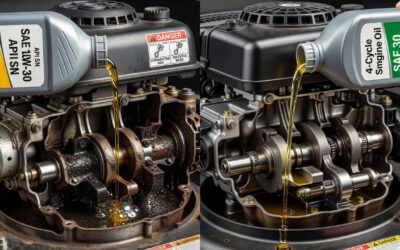
Remove and Dispose of Oil
Why it matters: Motor oil is toxic and persists in soil and water. One quart of oil can contaminate 250,000 gallons of water.
How to drain oil safely:
- Warm the engine slightly (run for 30 seconds) to thin the oil
- Locate the oil drain plug, usually at the bottom of the engine
- Place a drain pan beneath the plug
- Remove the plug and let oil drain completely (this may take 10-15 minutes)
- Replace the drain plug
- Remove and replace the oil filter if accessible
Disposal of used oil: Take it to a local quick-lube shop, auto parts store (AutoZone, O’Reilly, Advance Auto Parts accept free oil disposal), or municipal hazardous waste facility. Never pour oil down drains or into trash.
Remove Other Hazardous Materials
Inspect your mower for:
- Air filter: May contain hazardous debris; replace or clean before disposal
- Spark plug: Can be removed and disposed of with regular trash or recycled
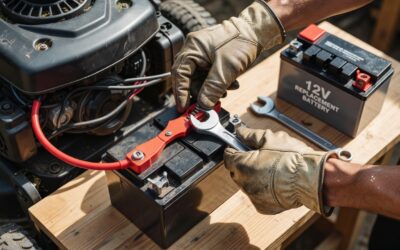
- Battery (if applicable): Remove and recycle separately; batteries contain toxic materials
- Plastic fuel lines: Some recyclers prefer these removed; ask when dropping off
Recycling and Scrap Metal Options
After fuel and oil removal, broken or unwanted mowers become valuable scrap material.
Where to Take Mowers for Scrap Metal Recycling
- Local scrap metal yards: Search “scrap metal near me” or check the Institute of Scrap Recycling Industries directory (isri.org). Call ahead to confirm lawn mower acceptance
- Metal recycling centers: Municipal or regional facilities that process ferrous and non-ferrous metals
- Auto recyclers: Some also accept lawn equipment
- Junk removal services: Companies like 1-800-GOT-JUNK or local equivalents will haul away mowers; fees typically $50-$150
What Scrap Yards Pay
Payment depends on current metal market prices and mower weight. Expect $5-$30 for a typical push mower’s scrap value. Riding mowers, being heavier, command $30-$80. Prices fluctuate with global commodity markets, so call for current rates. Some yards charge a drop-off fee if the item contains minimal metal.
Preparing Mowers for the Scrap Yard
- Drain all fuel and oil (required by most yards)
- Remove the spark plug and air filter if instructed
- Don’t disassemble the mower; yards have equipment to do this efficiently
- Bring proof of ownership if requested (receipt or ID)
Municipal and Hazardous Waste Disposal
If scrap yards aren’t convenient, municipal waste programs often accept lawn mowers.
What Local Waste Management Services Offer
Contact your city or county waste management authority to learn about:
- Bulk item pickup: Many municipalities offer free or low-cost curbside collection for large items on specific days
- Drop-off facilities: Hazardous waste centers accept gas mowers after fuel/oil removal
- E-waste events: Seasonal collections for electronic and battery-powered equipment
- Fees: Typically $0-$25 depending on your area and facility
Finding Your Local Facility
- Visit your city or county website and search “hazardous waste” or “bulk pickup”
- Call your waste management provider (usually listed on your trash bill)
- Use the EPA’s waste disposal locator (search “EPA waste disposal locator”)
- Contact your state’s environmental agency
Preparation for Municipal Disposal
- Gas mowers must have fuel and oil drained
- Know the facility’s hours and whether drop-off is free or fee-based
- Ask if you need an appointment or if it’s walk-in
- Have your address and ID ready
E-Waste Recycling for Electric Mowers
Battery-powered and electric mowers require specialized e-waste recycling because lithium and lead-acid batteries are hazardous.
Where to Recycle Electric Mowers
- Manufacturer take-back programs: DeWalt, Ryobi, Makita, and other brands often offer free or low-cost recycling for their equipment; check the manufacturer’s website
- Retailers: Best Buy, Home Depot, and Lowe’s accept e-waste and batteries at customer service desks, often free of charge
- E-waste recyclers: Certified e-waste companies like Greentech Recycling or local equivalents; find them through the e-Stewards directory (e-stewards.org)
- Municipal e-waste events: Many cities host seasonal e-waste collection days
Battery Disposal
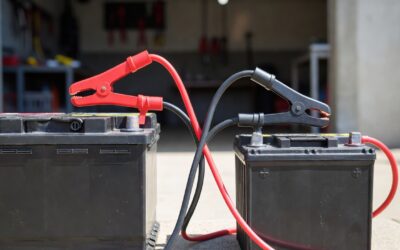
Never throw lithium or lead-acid batteries in regular trash. They can catch fire in garbage trucks or landfills. Remove the battery if possible and take it to a battery recycler, retailer, or hazardous waste facility separately. Many retailers that sell batteries accept old ones for recycling.
Preparing Electric Mowers for Recycling
- Remove the battery if detachable
- Note the mower’s model and brand (helps recyclers process it correctly)
- Don’t disassemble; recyclers handle that
Regional and Regulatory Considerations
Disposal regulations vary by location. Some states have strict e-waste laws requiring retailers to accept batteries. Others have free hazardous waste disposal days. Research your specific area:
- California: Strict e-waste and battery recycling laws; manufacturers often provide free take-back
- New York: Free e-waste drop-off at municipal facilities
- Texas: Limited state-level programs; rely on local municipal services or scrap yards
- Florida: Year-round hazardous waste facilities in most counties
Call your local environmental health department or waste management provider for your region’s specifics.
Cost Comparison
| Disposal Method | Cost | Best For | Environmental Impact |
|---|---|---|---|
| Donation (working mower) | Free | Functional equipment | Highest—extends product life |
| Scrap metal yard | $0-$30 (may pay you) | Broken mowers; fast turnaround | High—metal recycled |
| Bulk pickup (municipal) | Free-$25 | Any mower; convenient | Medium—depends on facility |
| Hazardous waste facility | Free-$20 | Gas mowers; safe fuel/oil disposal | High—proper material handling |
| Junk removal service | $50-$150 | Heavy riding mowers; no transport available | Medium—depends on service |
| E-waste recycler | Free-$30 | Electric/battery mowers | High—battery recovery |
Frequently Asked Questions
Can I Put a Lawn Mower in the Trash?
No. Most municipalities prohibit large items and fuel-containing equipment in regular trash. Disposing of a mower illegally can result in fines. Additionally, mowers in landfills contaminate soil and groundwater. Always use proper disposal channels.
How Much Will a Scrap Yard Pay for My Mower?
Payment typically ranges from $5-$30 for push mowers and $30-$80 for riding mowers, depending on weight and current scrap metal prices. Call your local yard for current rates. Some yards charge a small fee if metal content is minimal, but well-maintained mowers usually generate payment.
Is It Safe to Drain Fuel Myself?
Yes, if you follow safety precautions: work outdoors away from ignition sources, use metal containers, and never smoke. If uncomfortable with the process, a mechanic or the scrap yard can drain fuel for a small fee before accepting the mower.
Do Manufacturers Take Back Old Mowers?
Most gas mower manufacturers don’t have formal take-back programs, but electric mower makers (DeWalt, Ryobi, Makita, Ego) often do. Check the manufacturer’s website or customer service. Retailers like Home Depot and Lowe’s may offer trade-in or recycling incentives when you purchase a new mower.