Direct Answer: How to Dispose of a Lawn Mower
You have several disposal options: donate a working mower to charities, schools, or community organizations; take it to a local recycling center or scrap metal yard; schedule municipal bulk waste pickup; hire a private junk removal service; or sell it online if it’s functional. Before any disposal method, drain all fuel and oil into proper containers to prevent environmental damage and fire hazards.
Assess Your Mower’s Condition and Disposal Priority
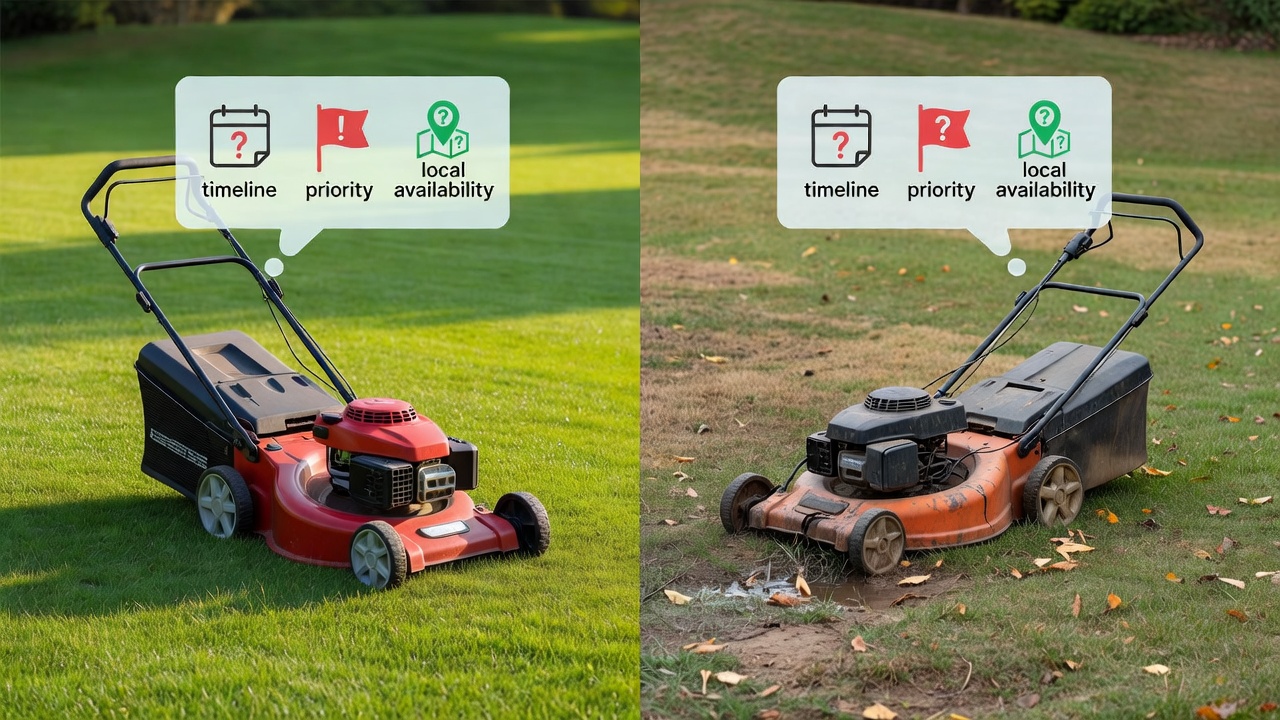
Before choosing a disposal method, ask yourself four key questions:
- Is it working? A functional mower opens donation and resale options; a broken one limits you to recycling or scrap services.
- How quickly do you need it gone? Same-day removal requires junk services; municipal pickup takes weeks but costs less.
- What’s your priority? Free removal, environmental responsibility, or speed will guide your choice.
- What services are available locally? Rural areas may lack recycling centers but have scrap yards; cities offer more municipal options.
This assessment narrows your options and helps you find the most practical solution for your situation.
Donation: Best Option for Working Mowers
Donating a working lawn mower is often the easiest and most rewarding disposal method. It keeps the equipment in use, benefits someone who needs it, and typically requires minimal effort on your part.
Where to Donate Locally
- Goodwill and Salvation Army: Many locations accept lawn mowers. Call ahead to confirm; some may require you to deliver it yourself.
- Habitat for Humanity ReStore: Accepts working tools and lawn equipment. Some ReStore locations even pick up large items.
- Local schools and community gardens: Contact your school district’s maintenance department or nearby community gardens—they often need equipment and may arrange pickup.
- Churches and nonprofits: Organizations serving low-income families, refugees, or homeless populations sometimes accept lawn equipment.
- Tool libraries and community makerspaces: Growing in many areas, these accept donated tools for community use.
- Facebook Marketplace and Nextdoor: Post it free for pickup. You’ll likely find someone within hours in populated areas.
Before donating, clean the mower, ensure it starts reliably, and provide any manuals or attachments. Most organizations appreciate a mower in visible good condition.
Recycling and Scrap Metal Services
If your mower no longer works or donation isn’t an option, recycling centers and scrap metal yards handle the environmental breakdown responsibly.
Recycling Centers
Local recycling facilities accept lawn mowers and dismantle them for metal, plastic, and rubber recovery. Contact your city or county waste management department for a list of accepted items and drop-off locations. Many centers charge $10–$30 to accept a mower, though some are free. Some facilities offer curbside pickup for large items if you schedule in advance.
Scrap Metal Yards
Scrap yards accept lawn mowers and pay for the metal content—typically $20–$100 depending on the mower’s size and current scrap metal prices. They handle fuel and oil draining as part of their process (though you can drain it beforehand to speed things up). Search online for “scrap metal near me” or “metal recycling” to find nearby yards. Bring your mower, ask about payment, and they’ll weigh it on-site.
E-Waste and Specialty Recyclers
Some recyclers specialize in equipment with electronic components (like electric mowers or those with battery systems). Check Earth911.com or your local waste management website to find certified e-waste facilities in your area.
Municipal Bulk Waste Pickup
Most cities and counties offer bulk waste pickup services that accept lawn mowers. This is often the cheapest or free option if available in your area.
How to Schedule Pickup
- Contact your city or county’s public works or waste management department by phone or website.
- Ask if lawn mowers are accepted (most are) and about any preparation requirements.
- Schedule a pickup date—typically once or twice monthly.
- Place the mower at your curb or designated area on the scheduled day.
Common Restrictions
- Fuel and oil must be drained before pickup.
- Mower size/weight may be limited (confirm before scheduling).
- Some programs require items placed in specific locations.
- Pickup dates may require 48-hour advance notice.
Call your local waste management office—this service is often included in your trash service or available for a small fee.
Private Junk Removal and Online Resale
When municipal options don’t work or you need faster removal, other alternatives exist.
Junk Removal Services
Companies like 1-800-Got-Junk, Junk King, or local alternatives pick up lawn mowers for a flat fee ($100–$300+). They handle all the lifting and hauling. Call for a quote, schedule a time window, and they’ll remove it the same day or within days. This is the most convenient but most expensive option.
Selling a Working Mower Online
If your mower is in good working condition, selling it online recovers money instead of spending it on disposal.
- Facebook Marketplace: List for free, negotiate locally, and arrange pickup. Fastest option in populated areas.
- Craigslist: Post in the “tools” or “for sale” section. Similar to Facebook Marketplace but slightly older user base.
- OfferUp and Letgo: Mobile-first platforms for local sales.
- eBay: Good for specialty or vintage mowers but requires shipping (expensive for mowers due to size/weight).
Price it realistically based on age, condition, and brand. Clean it first and take clear photos. Mention any maintenance history and whether it needs tune-ups.
Essential Safety Steps Before Disposal
Regardless of your chosen disposal method, always drain fuel and oil from your lawn mower. This prevents environmental contamination, fire hazards, and ensures safe handling by whoever receives it.
How to Drain Fuel
- Work outdoors in a well-ventilated area, away from ignition sources.
- Locate the fuel tank drain (consult your mower’s manual if unsure).
- Place a container underneath the drain valve or fuel line.
- Open the drain valve or loosen the fuel line and allow all fuel to drain completely.
- Store fuel properly in an approved fuel container, or dispose of it at a hazardous waste facility. Do not pour it down drains or into the ground.
- Close the valve or reconnect the fuel line securely.
How to Drain Oil
- Warm up the mower briefly (5–10 seconds of running) so oil flows more easily, then turn it off.
- Locate the drain plug on the engine (typically on the underside or side).
- Place a container underneath to catch the oil.
- Remove the drain plug and let oil drain completely (5–10 minutes).
- Replace the drain plug and wipe excess oil.
- Dispose of oil properly at an oil recycling center, automotive shop, or hazardous waste facility. Many accept oil for free.
Other Hazardous Materials
- Air filter: Some recyclers accept these; check with your facility.
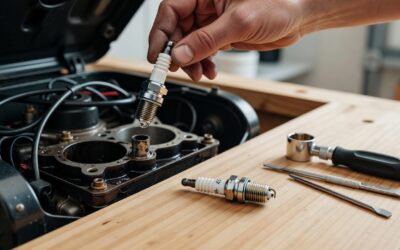
- Spark plug: Can be recycled with metal scraps or disposed of at hazardous waste facilities.
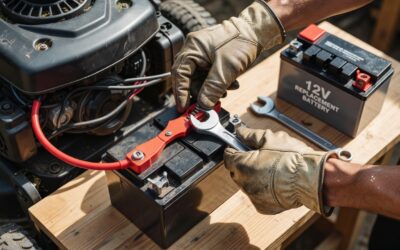
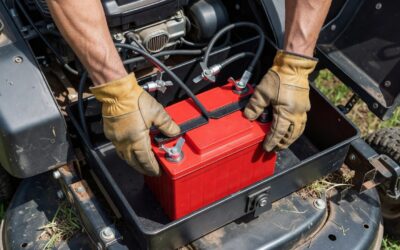
- Battery (electric mowers): Remove and take to a battery recycling center—required by law in most states.
Frequently Asked Questions
Can I put a lawn mower in the garbage or curbside trash?
No. Most waste management companies prohibit lawn mowers in regular trash due to size, hazardous fuel/oil, and safety risks. They must go through bulk pickup, recycling, or specialty disposal services.
What if my lawn mower is broken and won’t start?
Non-working mowers can still be recycled at scrap yards or recycling centers for their metal value. Donation is not an option, but scrap yards typically accept them and handle draining of any remaining fuel or oil. You may even receive payment based on metal weight.
Will a recycling center pick up my lawn mower, or do I have to drop it off?
Most recycling centers require drop-off, but some municipalities offer curbside bulk pickup. Contact your local waste management office to ask about pickup availability. If not available, you can arrange a ride-share or ask a neighbor for help transporting it to a facility.
How much does it cost to dispose of a lawn mower?
Costs vary: municipal bulk pickup is often free or $10–$20; recycling centers charge $10–$30; scrap yards may pay $20–$100; junk removal services cost $100–$300+. Donation and online sales are free and may earn you money. Call local services for exact pricing.
Summary: Choose the Right Disposal Method for Your Situation
The best way to dispose of a lawn mower depends on its condition, your timeline, and available local services. Working mowers deserve a second life through donation or resale. Broken or unwanted mowers belong at recycling centers or scrap yards. For convenience, municipal bulk pickup or junk removal works quickly. Always drain fuel and oil first—this protects the environment, prevents fire hazards, and ensures safe handling. Start by contacting your local waste management department to confirm what services are available in your area and which method suits you best.