Quick Answer: The 3–4 Inch Rule
Mow your lawn every 7–10 days during the growing season, or whenever grass reaches 3–4 inches tall—whichever comes first. This height-based approach works better than a fixed calendar schedule because grass grows at different rates depending on temperature, moisture, and sunlight. During dormant seasons (late fall through early spring in cool climates, or winter in warm climates), mowing may be unnecessary or reduced to once every 2–3 weeks.
Why Grass Height Matters More Than Calendar Days
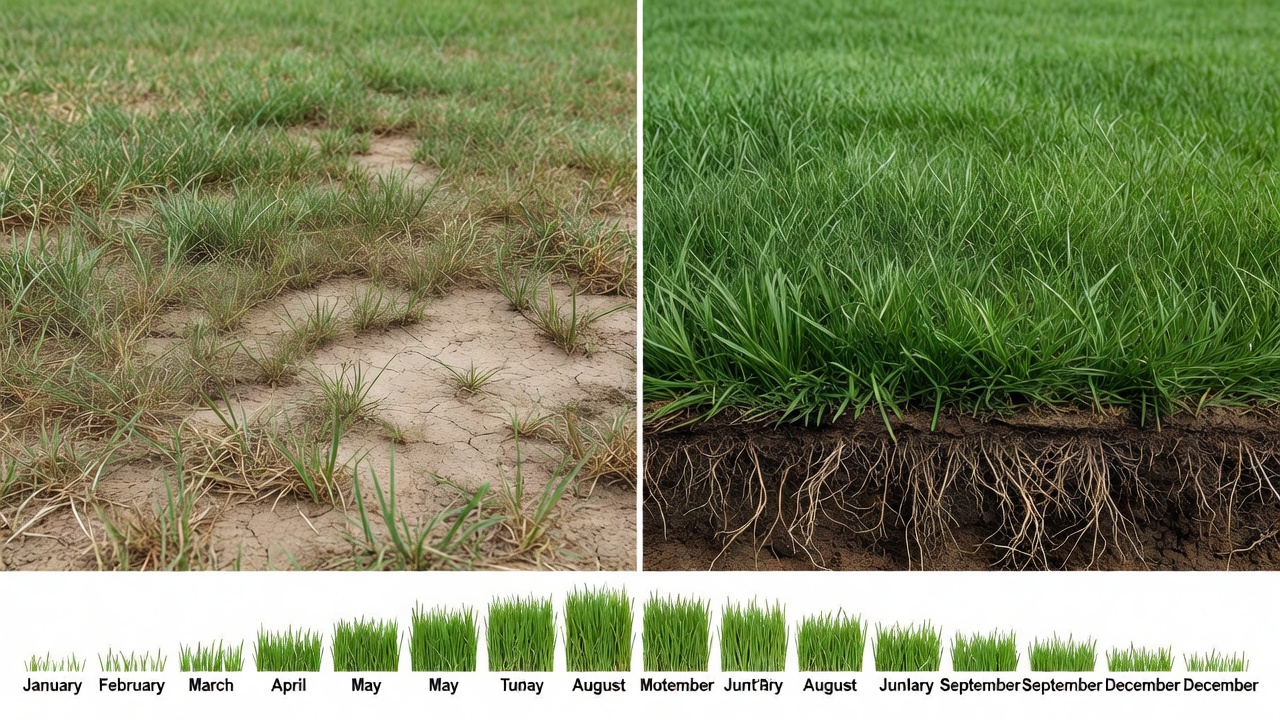
The most common mowing mistake is following a fixed schedule instead of watching grass height. Grass growth accelerates during peak growing seasons and slows dramatically during cool or dry periods. Mowing on a rigid weekly schedule means you might cut dormant grass too short in winter or leave actively growing grass too long in spring.
The one-third rule is the foundation of healthy lawn mowing: never remove more than one-third of the grass blade in a single cut. Cutting more than this stresses the plant, exposes soil to weeds and disease, and can turn your lawn brown. When you maintain a 3–4 inch target height and follow the one-third rule, you automatically mow at the right frequency for your grass’s current growth rate.
Benefits of mowing at the correct height:
- Deeper root systems that drought and heat stress
- Natural competition against weeds
- Reduced disease pressure
- Thicker, denser turf that looks better year-round
- Less frequent mowing during dormant seasons
Mowing Frequency by Grass Type
Your grass species is one of the biggest factors in mowing frequency. Cool-season and warm-season grasses have opposite peak growing periods, which completely changes your mowing schedule.
Cool-Season Grasses (Northern Climates)
If you live in the northern two-thirds of the United States or Canada, your lawn likely contains cool-season grasses like fescue, bluegrass, or perennial ryegrass. These grasses thrive in spring and fall when temperatures are mild and moisture is abundant.
Cool-season mowing schedule:
- Spring (March–May): Weekly or every 5–7 days as growth accelerates
- Early summer (June): Every 7–10 days as growth slows with heat
- Mid to late summer (July–August): Every 10–14 days or less frequently if drought stress occurs
- Fall (September–November): Weekly or every 7–10 days as cool weather reignites growth
- Winter (December–February): Little to no mowing; grass is dormant
The transition into summer is critical for cool-season lawns. As temperatures rise, raise your mower blade to 3.5–4 inches to help grass withstand heat stress. You can lower it slightly in spring and fall when cooler weather dominates.
Warm-Season Grasses (Southern Climates)
Warm-season grasses like Bermuda, Zoysia, and St. Augustine grow vigorously in summer and slow down or go completely dormant in winter. If you live in the southern United States, your lawn follows an opposite rhythm from cool-season grass.
Warm-season mowing schedule:
- Spring (March–May): Every 10–14 days as grass emerges from dormancy
- Summer (June–August): Every 5–7 days during peak growth
- Fall (September–November): Every 10–14 days as growth slows
- Winter (December–February): Little to no mowing; grass turns brown and dormant
Warm-season grasses tolerate shorter cuts, and many landscapers maintain them at 2–3 inches during the growing season. However, keeping them at 3–4 inches during the hottest months (July–August) provides extra shade to soil and improves drought tolerance.
Seasonal Variation and Growing Seasons
Lawn growth is not consistent year-round. Understanding your region’s growing season helps you anticipate when mowing frequency will spike or drop.
Spring: The Peak Growth Period
In both northern and southern climates, spring is when grass growth accelerates fastest. Longer daylight, warming soil temperatures, and spring rains create ideal growing conditions. You may need to mow weekly or even twice weekly during peak spring growth, especially if you had adequate winter moisture.
This is the time to sharpen your mower blade if you haven’t already. A dull blade tears grass tips and makes them susceptible to disease. Spring is also when you should establish your mowing height for the season ahead.
Summer: Growth Plateaus or Slows
In northern climates, summer heat and drought stress slow cool-season grass growth significantly. You may only need to mow every 10–14 days during July and August. Some northern lawns barely grow at all in peak summer if temperatures exceed 85°F regularly.
In southern climates, summer is the busiest mowing season. Warm-season grasses love heat and moisture, so you might be mowing twice weekly if you water regularly. If drought stress occurs, growth slows and you can reduce frequency.
Fall: A Second Growth Spurt
Fall brings a second peak growing season in cool-season climates. As temperatures drop and fall rains arrive, dormant-looking lawns suddenly explode with growth. Return to weekly mowing in September and October. This is the ideal time to overseed thin areas or address weeds before winter dormancy.
Winter: Dormancy and Minimal Growth
In cold climates, grass stops growing entirely and turns brown. In mild climates, growth slows dramatically. You may not need to mow at all, or only once every 2–3 weeks if grass continues slow growth. Always allow dormant grass to stay taller (3–4 inches minimum) to protect the crown from winter damage.
Climate and Geographic Factors
Beyond grass type, your specific climate zone affects mowing frequency in several ways.
Rainfall and Moisture
Adequate moisture accelerates grass growth dramatically. Lawns in rainy regions or those with irrigation systems need more frequent mowing than lawns in dry climates. A well-watered lawn might need mowing weekly, while a drought-stressed lawn might only need mowing every 2–3 weeks.
Temperature Zones
The USDA Hardiness Zone you live in determines your growing season length. Zones 3–5 (cold climates) have short growing seasons with two distinct peaks (spring and fall). Zones 6–7 (transition zones) have longer growing seasons with more gradual transitions. Zones 8+ (warm climates) have nearly year-round growth with only winter dormancy.
Sun and Shade Exposure
Lawns in full sun grow faster than shaded lawns. Shaded areas may need mowing every 10–14 days while sunny areas need it every 7 days. Thin or sparse shaded areas should be mowed less frequently to minimize stress.
Step-by-Step: Setting Your Mowing Schedule
Step 1: Identify Your Grass Type and Climate Zone
Look up your USDA Hardiness Zone and determine whether you have cool-season or warm-season grass. If you’re unsure, consult your local extension office or a lawn care professional. Your grass type is the primary determinant of your mowing schedule.
Step 2: Set Your Mower Blade Height
Most residential lawns should be mowed at 3–4 inches. Cool-season grasses can go down to 2.5 inches in spring/fall but should reach 4 inches in summer. Warm-season grasses can be kept at 2–3 inches but benefit from 3–4 inches in extreme heat. Shade-tolerant fescues should stay at 3.5–4 inches year-round.
Step 3: Start Mowing When Grass Reaches Target Height
Don’t mow on a schedule—mow when grass reaches your target cutting height. For a 3–4 inch mowing height, start mowing when grass reaches 4.5–5 inches. This ensures you remove only one-third of the blade.
Step 4: Adjust Frequency Seasonally
Track your mowing frequency over the first 4–6 weeks of each season. You’ll quickly notice when growth accelerates or slows. Adjust your frequency accordingly. During peak growth seasons, you might mow weekly; during dormant seasons, you might only mow every few weeks.
Step 5: Sharpen Your Blade Quarterly
A dull blade tears grass instead of cutting it, causing brown tips and disease. Sharpen your blade at the start of each season and again mid-season. This alone will improve lawn health and appearance more than almost any other maintenance step.
Mowing Frequency Quick Reference Chart
| Condition | Grass Type | Frequency |
|---|---|---|
| Peak growth season (spring/fall for cool-season; summer for warm-season) | Any | Every 5–7 days |
| Active growing season (mild temperatures, adequate moisture) | Any | Every 7–10 days |
| Transition seasons (early spring, late fall) | Any | Every 7–14 days |
| Heat or drought stress | Cool-season | Every 10–14 days |
| Cold stress or dormancy | Warm-season | Every 14–21 days or not at all |
| Dormancy (winter for cool-season or warm-season) | Any | Not needed or every 21+ days |
Common Mowing Mistakes That Reduce Lawn Health
- Mowing too short: Cutting below 2.5 inches stresses grass, encourages weeds, and exposes soil. Stick to 3–4 inches.
- Mowing too frequently: Mowing every 3–4 days weakens grass roots. Mow only when grass reaches your target height.
- Using a dull blade: Torn grass tips brown and become susceptible to disease. Sharpen quarterly.
- Mowing wet grass: Wet grass clumps, clogs the mower, and can slip and spread disease. Mow when grass is dry.
- Following a fixed schedule instead of grass height: Growth rates change seasonally. Use height as your trigger, not the calendar.
- Bagging all clippings: Mulched clippings return nutrients to soil and reduce fertilizer needs. Bag only if clumps form.
Frequently Asked Questions
How do I know if my lawn is growing too fast?
If you’re mowing more than twice weekly or grass reaches cutting height within 3–4 days, growth is accelerating. This usually means peak growing season, abundant moisture, or excessive nitrogen fertilizer. Reduce watering slightly (unless in drought) or delay fertilizer applications. Peak growth is temporary and will slow as temperatures shift.
Can I mow my lawn less frequently if I cut it longer?
Yes, to a point. Maintaining a 4-inch height instead of 3 inches means grass needs cutting less often because it takes longer to grow that extra inch. However, mowing heights above 4 inches can look unkempt for residential lawns and may harbor weeds. The one-third rule still applies: only remove one-third of the blade per cut. Longer grass simply means longer intervals between cuts during slow-growth periods.
What should I do if I missed a week of mowing and grass is very tall?
Never cut more than one-third of the blade, even if grass is 2–3 times taller than normal. Mow once, removing no more than one-third. Wait 3–5 days for grass to recover, then mow again if needed. Cutting tall grass all the way down in one pass will severely stress or kill it and invite disease. Gradual reduction over 2–3 weeks is safer.
Does mowing height affect how often I need to fertilize?
Yes. Taller grass (3.5–4 inches) shades soil, reduces evaporation, retains soil moisture better, and has deeper roots. This means you may need to fertilize 25–30% less often. Shorter grass requires more frequent watering, fertilizing, and pest management. Maintaining taller mowing heights reduces overall lawn maintenance demands.