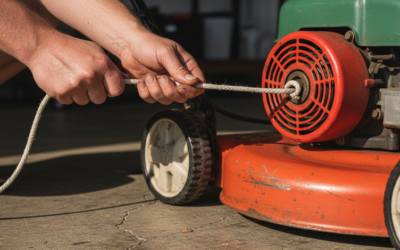
How to Fix a Lawn Mower: The Direct Answer
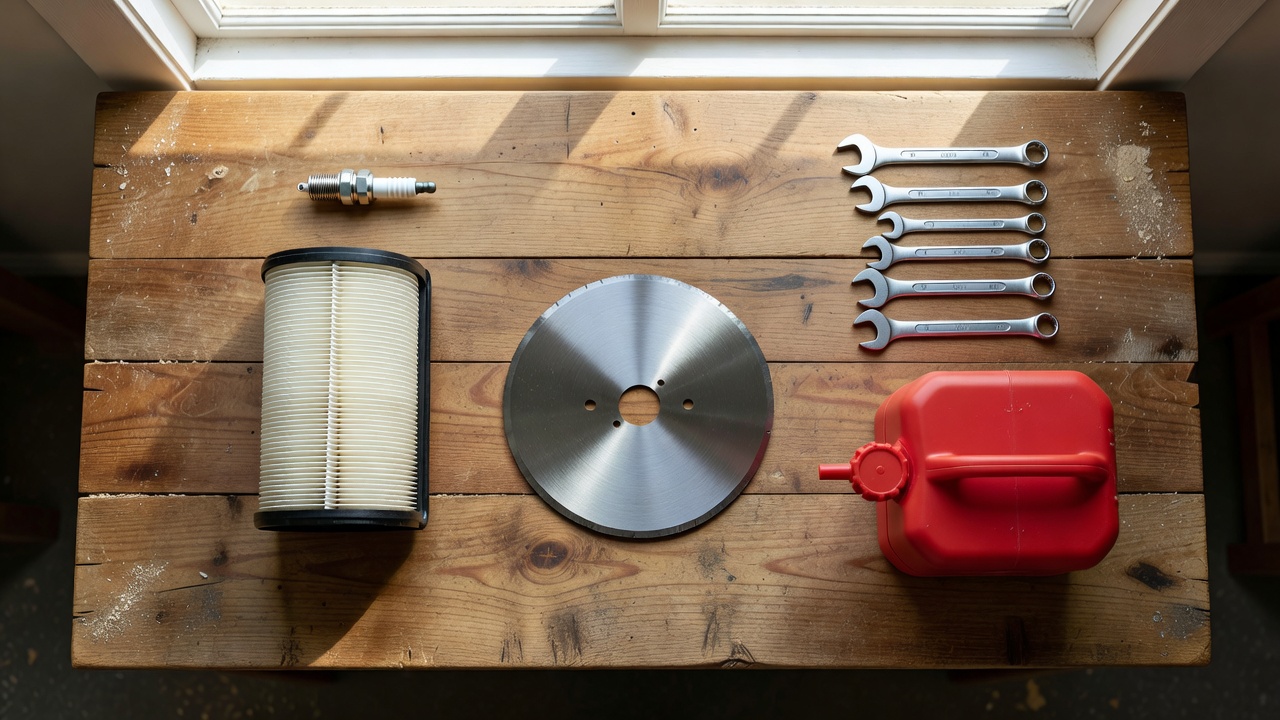
Most lawn mower problems—especially on gas walk-behind models—come down to a handful of common causes: old or stale fuel, a clogged air filter, a dirty or fouled spark plug, a dull or damaged blade, carburetor issues, and old engine oil. To fix a mower that won’t start, work through these checks in order of likelihood: drain and replace stale fuel, clean or replace the air filter, inspect and replace the spark plug, and clean the carburetor if the engine still won’t fire. For poor cutting quality, remove the blade, sharpen or replace it, and clear any grass buildup from the deck. Always disconnect the spark plug wire before any maintenance, and note that electric or battery mowers follow a different repair process (battery charge, switch, and motor checks instead of fuel and spark). If the mower still fails after these steps, the issue may require professional service.
Understanding Why Lawn Mowers Fail: Diagnosis Before Repair
Before you buy any parts or pick up a wrench, take a few minutes to diagnose the problem. Lawn mower repair is far easier when you know exactly what symptom you are trying to fix, because each symptom points to a different set of likely causes. Guessing and replacing parts at random wastes time and money.
Identify the Exact Symptom
Ask yourself what the mower is actually doing. The most common symptoms are:
- Engine won’t start at all – usually a fuel, spark, or air problem.
- Engine starts then dies – often a carburetor, fuel line, or fuel quality issue.
- Engine runs rough or surges – typically a clogged air filter, dirty carburetor, or bad fuel.
- Mower cuts poorly or leaves grass uneven – almost always a dull or damaged blade, or a clogged deck.
- Mower won’t self-propel – a drive cable, belt, or transmission issue rather than an engine problem.
Write down the symptom and when it happens (immediately, after a few minutes, or only under load). This information will guide every step that follows.
Know Your Mower Type
Repair procedures differ significantly by mower type:
- Gas walk-behind mowers – the most common DIY repair scenario; fuel, spark, air, and blade checks apply.
- Riding mowers – similar engine checks, plus battery, starter, and drive-system considerations.
- Electric or battery mowers – no fuel, spark plug, or carburetor; problems are usually battery charge, switch, wiring, or motor related.
- Reel (push) mowers – no engine at all; the only real maintenance is blade adjustment and sharpening.
This guide focuses on gas walk-behind mowers, which are the most common scenario for this type of search. If you own an electric mower, see the note in the FAQ section below.
Key Factors That Determine Which Fix You Need
Several variables influence the right repair approach. Considering them before you start will prevent frustration and unnecessary part purchases.
Mower Type
As noted above, a gas engine requires fuel, air, and spark to run. An electric mower requires battery charge, a working switch, and a functional motor. Make sure you are troubleshooting the correct system for your machine.
Symptom Type and Timing
Does the problem happen immediately, or only after the mower has run for a while? A mower that dies after 10 minutes may have a fuel delivery problem, while one that never fires likely has no spark or no fuel reaching the cylinder. Timing is a powerful diagnostic clue.
Your Skill Level and Tools
Most of the repairs in this guide require only basic tools: a socket wrench, screwdrivers, a spark plug socket, pliers, and a wire brush or carburetor cleaner. If you are comfortable using these, you can complete nearly every step below. If you are not, stop at the safety preparation step and call a professional.
Safety First: Non-Negotiable Precautions
Lawn mower blades are sharp and can cause serious injury, and gasoline is flammable. Follow these rules before any repair:
- Disconnect the spark plug wire and secure it away from the plug before touching the blade or any engine part.
- Drain fuel outdoors or work in a well-ventilated area away from open flames and sparks.
- Let the engine cool completely before working on it; mufflers and exhausts get extremely hot.
- Wear heavy gloves and eye protection when handling the blade or using cleaning chemicals.
- Tip the mower with the air filter and carburetor facing up when accessing the blade, to avoid oil or fuel leaks.
Step-by-Step Guide: How to Fix Common Lawn Mower Problems
Work through these steps in order. Each step addresses the most likely cause of the symptom you identified, starting with the cheapest and easiest fixes.
Step 1: Prepare the Mower Safely
Before any work, move the mower to a flat, well-ventilated area. Disconnect the spark plug wire and pull it away from the plug so the engine cannot accidentally start. If you are working on the blade, drain the fuel tank or clamp the fuel line to prevent spills when you tip the mower. Put on gloves and eye protection.
Step 2: Fix a Mower That Won’t Start
If the engine cranks but won’t fire, check these items in order of likelihood.
Replace Stale or Old Fuel
Old fuel is the number one cause of no-start conditions in small engines. Gasoline degrades over time, especially when blended with ethanol, and can leave sticky deposits in the fuel system. If the fuel in the tank is more than a few weeks old or smells sour, drain it completely using a siphon or by disconnecting the fuel line. Dispose of it properly, then refill with fresh fuel. If the mower has been sitting for months, also check the fuel line and fuel filter for clogs or cracks and replace them if needed.
Clean or Replace the Air Filter
A clogged air filter starves the engine of air, making it hard to start or causing it to run rough. Remove the air filter cover, take out the filter, and inspect it. Foam filters can be washed in warm soapy water, rinsed, dried, and lightly oiled. Paper filters cannot be cleaned effectively and should be replaced if dirty or damaged. While the cover is off, check that the carburetor intake area is free of debris.
Inspect and Replace the Spark Plug
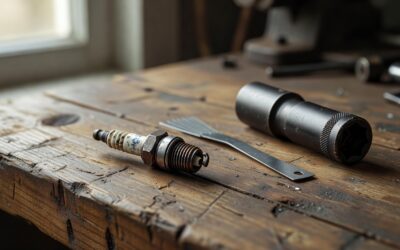
A dirty, fouled, or worn spark plug will prevent the engine from firing. Remove the spark plug with a spark plug socket, and inspect the electrode. If it is black, oily, or heavily coated with carbon, clean it with a wire brush or simply replace it with a new plug of the correct type for your engine. Check the plug gap against the specification in your owner’s manual, and adjust it gently if needed. When reinstalling, thread it in by hand first to avoid cross-threading, then tighten it snugly.
Clean the Carburetor
If the mower still won’t start after fresh fuel, a clean air filter, and a good spark plug, the carburetor is the likely culprit. A carburetor that is gummed up from old fuel can prevent the engine from getting the right fuel-air mixture. Remove the carburetor cover and air filter assembly to access it. Spray carburetor cleaner into the fuel inlet and through the jets, and clear any visible debris. In many cases, simply cleaning the exterior passages and the fuel bowl restores function. If the carburetor is severely clogged, it may need to be removed, disassembled, and soaked in cleaner, or replaced entirely.
Step 3: Fix Poor Cutting Quality
If the engine runs fine but the lawn looks ragged, the problem is almost always the blade or the deck.
Sharpen or Replace the Blade
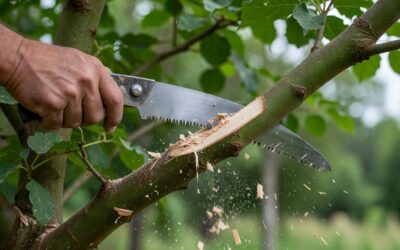
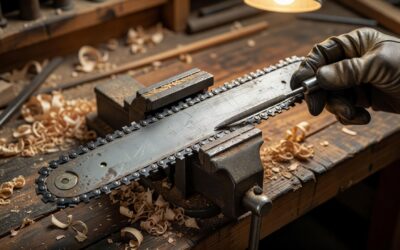
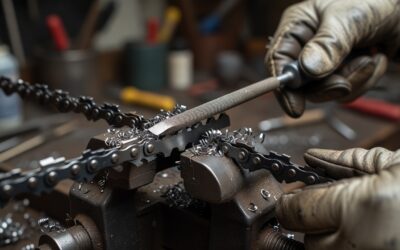
Disconnect the spark plug wire and drain the fuel before tipping the mower. Remove the blade bolt with a socket wrench, and take off the blade. Inspect it for dullness, nicks, cracks, or bends. A dull blade can be sharpened with a file or grinder, keeping the original cutting angle and removing equal material from both ends to maintain balance. A cracked, bent, or severely worn blade should be replaced. After sharpening, check the blade balance by hanging it on a nail or using a blade balancer; if one side dips, grind a little more off that side.
Clear Grass Buildup From the Deck
While the mower is tipped, scrape any caked-on grass from the underside of the deck with a putty knife or scraper. Heavy buildup restricts airflow and reduces cutting and bagging performance. Check the discharge chute and bagger attachment for clogs as well.
Step 4: Change the Engine Oil
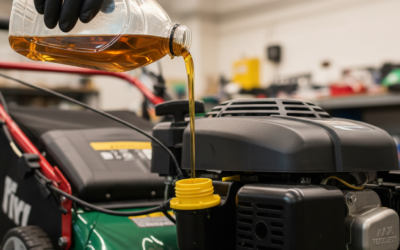
Old, dirty oil can cause hard starting and increased engine wear. Run the engine for a few minutes to warm the oil, then turn it off and disconnect the spark plug wire. Place a drain pan under the oil drain plug, remove the plug, and let the oil drain completely. Replace the plug, and refill with the oil type and amount specified in your owner’s manual. Dispose of the old oil at a recycling center or auto parts store—never pour it down a drain.
Symptom Quick-Reference Table
| Symptom | Most Likely Cause | Fix to Try First |
|---|---|---|
| Engine won’t start | Stale fuel, no spark, or clogged air filter | Drain and replace fuel; check spark plug; clean air filter |
| Starts then dies | Carburetor or fuel delivery issue | Clean the carburetor and check the fuel line |
| Runs rough or surges | Clogged air filter or dirty carburetor | Replace air filter; clean carburetor |
| Cuts poorly | Dull or damaged blade, deck buildup | Sharpen or replace blade; clean underside of deck |
| Won’t self-propel | Drive cable, belt, or transmission | Inspect drive cable and belt; consult manual or a pro |
When to Call a Professional: Limits of DIY Repair
Not every lawn mower problem is a safe or sensible DIY project. Know when to stop and call a professional to avoid causing more damage or putting yourself at risk.
Signs of Internal Engine Damage
If the engine has no compression, makes knocking or grinding noises, or smokes heavily, the problem may be internal—such as a worn piston, damaged valves, or a scored cylinder. These repairs require specialized tools and knowledge and are usually not cost-effective for a DIYer to attempt.
Repeated Carburetor or Fuel-System Failures
If you clean or replace the carburetor and the mower still fails, or if the same fuel-system problem keeps recurring, there may be a deeper issue such as contaminated fuel, a failing fuel pump, or debris in the tank. A professional can diagnose the root cause more efficiently than trial-and-error part replacement.
Transmission and Drive System Problems
Self-propelled mowers with transmission issues often require specialized parts and adjustment procedures. Unless you have the service manual and experience, leave these repairs to a shop.
Warranty Considerations
If your mower is still under warranty, check the warranty terms before attempting repairs. Improper disassembly or the use of non-approved parts can void coverage. In that case, contact the manufacturer or an authorized service center.
Frequently Asked Questions
Why does my lawn mower start then die?
The most common cause is a carburetor problem, usually from old fuel leaving gum and varnish deposits in the fuel passages. Start by draining the old fuel and adding fresh gas, then clean the carburetor with carburetor cleaner. Also check the air filter and fuel line for clogs, since restricted airflow or fuel flow can cause the engine to stall shortly after starting.
How often should I change the lawn mower oil?
For most gas walk-behind mowers, the oil should be changed at least once per season or after every 50 hours of use, whichever comes first. If you mow a large lawn frequently or operate in dusty conditions, change it more often. Always check your owner’s manual for the recommended oil type and interval for your specific engine.
Can I fix an electric or battery mower the same way?
No. Electric mowers have no fuel system, spark plug, or carburetor. If an electric mower won’t start, check the battery charge and connections first, then inspect the safety switch and the power button. On corded models, check the outlet, extension cord, and the switch. If the motor still doesn’t run, the issue may be internal and likely requires professional service.
How do I know if the blade needs sharpening or replacing?
If the grass looks torn, ragged, or brown at the tips after mowing, the blade is dull and needs sharpening. Inspect the blade for nicks, cracks, or bends whenever you remove it. Minor dullness can be corrected with a file or grinder, but a cracked, bent, or severely worn blade should be replaced, because a damaged blade can break at high speed and cause injury.