Direct Answer
To remove a spark plug from a lawn mower, shut off the engine and let it cool completely. Disconnect the spark plug wire by twisting gently and pulling it away from the plug. Use a spark plug socket (typically 13/16″ or 5/8″ depending on your engine) attached to a ratchet wrench to unscrew the plug counterclockwise. Once loose, carefully extract the plug by hand. If stuck, apply penetrating oil around the base, wait 15 minutes, and try again.
Safety Precautions Before Removal

Removing a spark plug requires basic precautions to prevent injury and engine damage. Never attempt spark plug removal while the engine is running or warm—always shut off the mower and allow the engine to cool for at least 10-15 minutes. A hot engine can cause burns, and a running engine poses serious injury risks from rotating parts.
Wear work gloves to protect your hands from sharp edges, debris, or hot surfaces. Safety glasses are recommended to prevent dirt or small metal fragments from entering your eyes. If your mower has been running recently, avoid touching the engine block, cylinder head, or any metal components near the spark plug area, as they retain heat.
Ground yourself before handling engine components to prevent static discharge that could damage sensitive parts. If you’re working in a garage or enclosed space, ensure adequate ventilation to avoid inhaling fumes. Finally, disconnect the spark plug wire before starting any work to ensure the engine cannot accidentally start while you’re working on it.
Understanding Your Spark Plug Setup
Most lawn mowers have a single spark plug, though some larger or commercial models may have two. The spark plug is typically located on the top or side of the engine block and connects to a high-voltage wire called the spark plug wire or ignition lead.
The spark plug wire terminates in a rubber boot that covers the spark plug terminal. This wire delivers the electrical spark that ignites the fuel-air mixture in the combustion chamber. Understanding this connection is important because improper wire removal can damage the connector or the spark plug itself.
Spark plugs vary by engine size and type. Small lawn mower engines typically use spark plugs with threads that fit a 13/16-inch or 5/8-inch socket. Check your mower’s manual or engine model number to identify your specific spark plug specifications. This information is essential for purchasing the correct removal tool and replacement plug if needed.
Tools and Equipment You’ll Need
The primary tool for spark plug removal is a spark plug socket—a specially designed socket with a rubber insert inside that grips the plug securely without damaging its ceramic insulator. Spark plug sockets come in two common sizes for lawn mowers:
- 13/16-inch socket: Standard for most small gasoline engines
- 5/8-inch socket: Used on some older or compact engine models
Attach the spark plug socket to a ratchet wrench with a 1/4-inch drive for small engines. A regular wrench can work in a pinch, but it risks slipping and damaging the spark plug hex nut.
Additional helpful tools include:
- Penetrating oil (like WD-40 or PB Blaster): For loosening stuck or seized plugs
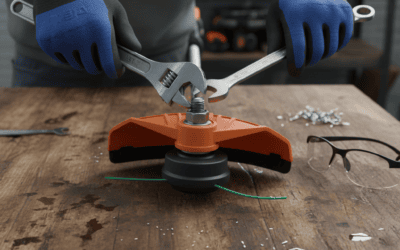
- Adjustable wrench: As a backup if you don’t have a spark plug socket
- Small wire brush: For cleaning corrosion around the plug base
- Dielectric grease: For protecting the wire connection (useful during reinstallation)
- Work gloves and safety glasses: Personal protective equipment
Step-by-Step Spark Plug Removal Process
Step 1: Prepare the Engine
Turn off the mower and ensure the engine has cooled for at least 10-15 minutes. Feel the engine block carefully—it should be cool to the touch. If you’ve just finished mowing, wait longer. A warm engine is uncomfortable to work on and can cause burns.
Step 2: Locate and Inspect the Spark Plug
Open the engine compartment or remove any covers that obstruct access to the spark plug. Look for the spark plug wire—a rubber-insulated cable with a boot covering the spark plug terminal. Trace the wire from the ignition coil down to where it connects to the spark plug.
Step 3: Disconnect the Spark Plug Wire
Grip the rubber boot of the spark plug wire—not the wire itself—and twist gently while pulling away from the spark plug. The boot should slide off smoothly. If it’s stuck, work it side-to-side gently while pulling. Do not yank the wire abruptly, as this can damage the connector or break the wire inside the boot. Set the wire aside carefully so it doesn’t touch the spark plug or engine components.
Step 4: Insert the Spark Plug Socket
Attach your spark plug socket to the ratchet wrench. Carefully lower the socket onto the spark plug, positioning it so the rubber insert inside the socket grips the plug’s hex nut. The socket should slide down smoothly and sit securely on the plug.
Step 5: Unscrew the Spark Plug
Once the socket is seated, turn the ratchet wrench counterclockwise to unscrew the spark plug. Apply steady, even pressure—don’t force it. If the plug doesn’t budge immediately, stop and apply penetrating oil (see the stuck plug section below). The plug typically requires only moderate turning force once it begins moving.
Step 6: Remove the Spark Plug by Hand
Once the spark plug is loose enough (usually after 4-5 full rotations), carefully unscrew it by hand, holding the socket with your other hand to keep it from falling. Take your time—rushing here risks dropping the plug into the cylinder, which creates a major problem. Lift the plug straight up and out of the engine.
Step 7: Inspect Before Reinstallation
Examine the removed spark plug. Look for excessive carbon buildup, oil deposits, or damage to the electrodes. A worn plug shows a wider gap between the electrodes or heavy deposits. If the plug shows significant wear or damage, it’s time to replace it. If it looks reasonable, you can clean it and reinstall it, or replace it with a new one per your mower’s maintenance schedule.
Dealing with Stuck or Seized Spark Plugs
Spark plugs occasionally become stuck in the cylinder head due to corrosion, carbon buildup, or improper installation. Forcing a stuck plug risks breaking it inside the engine, which creates expensive problems.
Why Plugs Get Stuck
Corrosion forms when moisture enters the engine or sits for extended periods without running. Carbon buildup accumulates over time from fuel combustion. Over-tightening during installation can also cause the plug to seize as the threads bind.
Removal Technique for Stuck Plugs
Step 1: Apply Penetrating Oil – Spray penetrating oil (WD-40, PB Blaster, or similar) around the base where the spark plug enters the cylinder head. The oil seeps down and lubricates the stuck threads. Wait 15-30 minutes for the oil to penetrate.
Step 2: Attempt Gentle Removal – After waiting, carefully attach your socket and try turning the ratchet with gentle, steady pressure. Don’t jerk or apply sudden force—let the penetrating oil do its work. If the plug still won’t budge, wait another 15-30 minutes and try again.
Step 3: Try Rocking Motion – If gentle turning fails, try rocking the ratchet back and forth slightly—turn it 1/4 turn counterclockwise, then 1/4 turn clockwise, gradually increasing the range. This breaks the corrosion bond without the shock of sudden force.
Step 4: Heat Application – For severely stuck plugs, carefully apply heat around the spark plug base using a heat gun (not a blowtorch—that’s too risky). Heat expands the metal and can break the corrosion seal. Wait for it to cool slightly, then try removal again with your socket and ratchet.
When to Seek Help – If the plug still won’t budge after 2-3 attempts over several days, the risks of breaking it inside the engine are high. Consider taking the mower to a small engine repair shop. Breaking a spark plug inside the cylinder requires professional removal and can be expensive.
Common Mistakes to Avoid
- Yanking the Spark Plug Wire: Always grip the rubber boot, not the wire itself. Pulling the wire can break internal conductors or damage the connection.
- Working on a Hot Engine: Burns are painful and preventable. Always wait for the engine to cool.
- Forcing a Stuck Plug: Patience and penetrating oil are your friends. Forcing risks breaking the plug inside the engine.
- Dropping the Plug into the Cylinder: Once the spark plug is out of the socket, it’s easy to accidentally drop it. Keep your hand directly under it as you remove it. If you do drop it, stop immediately and don’t try to fish it out yourself—get professional help.
- Over-Tightening During Reinstallation: Spark plugs should be snug but not cranked down with maximum force. Hand-tighten first, then add 1/2 to 3/4 turn with the socket wrench.
- Reconnecting the Wire Incorrectly: Simply pushing the wire boot back onto the spark plug isn’t always secure. Make sure it’s seated fully and clicks or seats firmly.
- Ignoring Maintenance Intervals: Check your mower’s manual for recommended spark plug replacement intervals, typically every 100-300 hours of operation.
Frequently Asked Questions
How often should I remove and inspect my lawn mower’s spark plug?
Most manufacturers recommend inspecting the spark plug annually before the mowing season and replacing it every 1-2 years or every 100-300 hours of operation, depending on your mower model. If you notice your mower starting poorly, running rough, or stalling frequently, a fouled or worn spark plug is often the culprit and warrants immediate inspection.
What should I do if I drop the spark plug into the cylinder?
Do not attempt to retrieve it yourself. Stop work immediately and take the mower to a small engine repair shop. A spark plug lodged in the cylinder can cause serious internal engine damage if the engine is started. Professional removal requires specialized tools and expertise.
Can I use a regular wrench instead of a spark plug socket?
While a regular wrench can work temporarily, it’s not ideal. A spark plug socket includes a rubber insert that protects the ceramic insulator from damage. A regular wrench can slip and crack the insulator or damage the hex nut. If you must use a wrench, work carefully and consider purchasing an inexpensive spark plug socket ($5-10) for future maintenance.
What does a damaged or fouled spark plug look like?
A healthy spark plug has a light tan or gray deposit on the electrodes. A fouled plug shows heavy black carbon buildup, oil deposits, or wet appearance. A damaged plug may have a cracked ceramic insulator, a burned or pitted electrode, or excessive wear on the gap between electrodes. If you see any of these signs, replace the plug.
Final Thoughts
Removing a spark plug from a lawn mower is a straightforward maintenance task that takes 10-15 minutes once you have the right tools and knowledge. The key is patience, proper technique, and safety precautions. By following these steps and avoiding common mistakes, you can confidently maintain your mower’s ignition system and keep it running smoothly for seasons to come.