

Quick Answer: Should You Mow Your Lawn Before Winter?
Yes, you should definitely mow your lawn before winter. Giving your turf a final cut down to approximately 2.0 to 2.5 inches in late autumn prevents tall grass blades from matting under heavy snow cover, warding off devastating pink and gray snow mold while deterring nesting winter field voles. However, avoid scalping below 2 inches to protect crown tissue from freezing windburn.

Pros
- Listed for golf courses and athletic fields
- Measures actual cutting height and cut quality per the listing
- Made of high-impact plastic according to the listing
- Markings printed in both inches and millimeters
Cons
- Listing does not provide dimensions or weight
- Measuring range details are not included
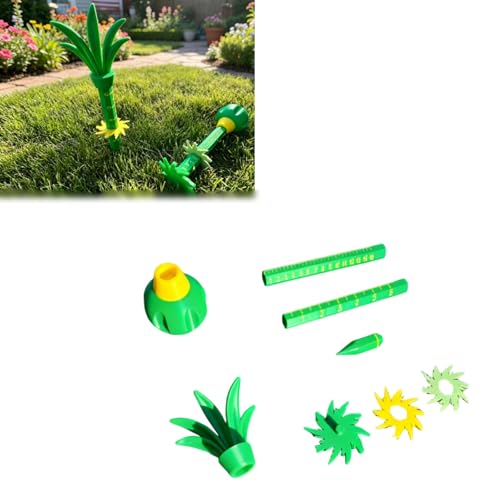
Pros
- Sliding marker can be preset for height checks
- Interchangeable attachments for handheld or in-ground use
- Listed as a 3D printed lawn measuring accessory
- Green color for easy visibility in the yard
Cons
- Third-party product; durability and materials are not stated
- Listing does not state a measuring range
Why Overwintering Tall Grass Causes Severe Lawn Diseases
Allowing grass blades to enter winter at summer heights (3.5 to 4 inches tall) creates severe agronomic hazards once snow falls. Heavy winter snowfall and ice pack compress tall grass blades flat against the ground, creating a dense, suffocating thatch layer.
Under this matted canopy, humidity remains trapped against the soil surface, forming a damp, dark incubator for psychrophilic (cold-loving) fungal pathogens. Pink snow mold (Microdochium nivale) and gray snow mold (Typhula incarnata) flourish under snow cover, rotting leaf tissue and leaving large, bleached, dead patches across the lawn when snow melts in March. Furthermore, matted grass provides an insulated canopy for burrowing field voles, which chew up grass crowns and dig extensive runway trenches throughout winter. Homeowners managing expansive lawns with gas riding lawn mowers should ensure decks are adjusted to proper winter heights before storing equipment.
The Danger of Scalping Too Short
While tall grass invites fungal disease, cutting grass too short before winter (scalping below 1.5 to 2 inches) is equally damaging. Grass leaf blades serve as insulation for the crown, the vital growing point located at the soil surface.
If you scalp the lawn excessively in autumn, sub-zero winter winds and freeze-thaw cycles subject exposed root crowns to winter desiccation (frost freeze-drying). Without a modest protective grass buffer, freezing soil temperatures fracture delicate crown cells, resulting in widespread winterkill that will not green up in spring. The ideal final mowing height for cool-season turf is strictly 2.0 to 2.5 inches.
Step-Down Mowing Strategy in Late Autumn
Do not shock your lawn by dropping your mower deck from summer height down to 2 inches in a single afternoon cut. Removing more than one-third of the grass canopy at once shocks the plant and depletes root reserves just as it enters winter dormancy.
Instead, employ a gradual ‘step-down’ mowing approach over your final three mowing sessions in October and November. If your summer height was 3.5 inches, lower the deck to 3.0 inches on the first pass, 2.5 inches the following week, and conclude at 2.0 to 2.5 inches for the final cut once active vertical growth ceases. Operators evaluating tractors such as Toro riding lawn mowers or shopping end-of-season specials through riding lawn mowers on clearance can dial in precision deck settings during autumn yard runs.
Managing Autumn Leaves and Final Lawn Feeding
Your final pre-winter mowing session offers the perfect opportunity to address fallen tree leaves. Leaving whole, wet leaves on winter turf blocks sunlight, smothers grass, and accelerates crown rot. Use a sharp mulching blade on your mower to pulverize leaves into dime-sized flakes.
These tiny leaf particles sift downward into the thatch layer, where earthworms and soil microorganisms break them down into rich organic humus over winter. Following your final cut, consider applying a late-fall winterizer fertilizer rich in potassium to reinforce grass cell walls against severe frost, ensuring rapid green-up when temperatures warm in spring.
Winterizing Warm-Season Grasses vs Cool-Season Turf
Homeowners managing warm-season turfgrass varieties like Bermudagrass, Zoysia, or centipedegrass must follow slightly different winter preparation rules than those with northern cool-season lawns. Warm-season grasses turn brown and enter full dormancy much earlier in autumn as nighttime temperatures dip below 50 degrees Fahrenheit. While you should still lower the cutting height slightly to prevent winter matting, never scalp dormant warm-season turf below two inches. Scalping exposes sensitive surface runners and stolons to freezing temperatures, increasing the risk of spring dead spot and severe winterkill.
Frequently Asked Questions
What height should grass be cut for winter?
Cool-season grasses should be cut to 2.0 to 2.5 inches for winter. This prevents snow mold from matting tall grass while shielding crowns from freezing winter windburn.
What happens if you do not cut grass before winter?
Uncut tall grass mats down under heavy snow, creating an ideal breeding ground for pink and gray snow mold fungi and providing nesting shelters for damaging lawn voles.
Should you mow after the first frost?
Yes, but wait until afternoon when the frost has completely melted. Never mow frosted grass, as heavy wheels crush frozen, brittle plant cells and leave permanent black tire tracks.
Can you cut warm-season grass short before winter?
Warm-season turf like Bermuda or Zoysia enters dormancy when soil drops below 55 degrees. Keep them at 2 to 2.5 inches; do not scalp dormant turf before winter cold snaps.
Related Maintenance and Operating Guides
To keep your equipment running at peak operating efficiency, explore our related technical walkthroughs and maintenance tutorials:
- Consult our detailed breakdown on marshall stanmore iii vs harman kardon onyx studio 8.
- Consult our detailed breakdown on dyson v8 cyclone vs bissell featherweight stick.
Should clippings be bagged on the last cut?
Bagging clippings on the final autumn cut is recommended if heavy tree leaves or thick grass clumps are present, ensuring turf stays dry and clean under winter snow.
Technical Standards and Compliance
Mechanical safety standards, operational tolerances, and protective gear guidelines align with benchmark specifications established by the American National Standards Institute (ANSI).









