

You just bought a new set of mower blades and the box is sitting on your workbench. Before you reach for the file or angle grinder, stop — the answer to whether you need to sharpen them first is straightforward, and getting it wrong costs you both time and blade life.
The Short Answer: New Mower Blades Do Not Need Sharpening
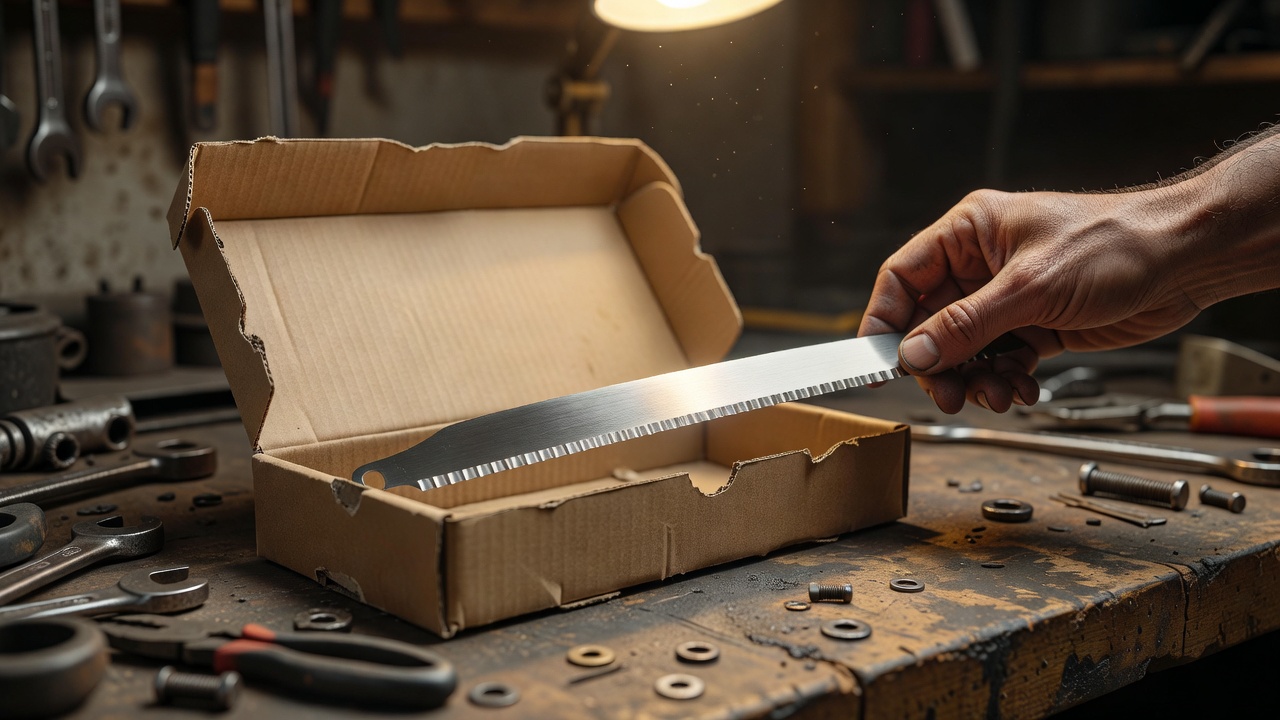
No — new mower blades are factory-sharpened and ready to install straight out of the box. Running them through a sharpening process before first use is unnecessary and risks over-thinning the factory edge, which shortens the blade’s usable lifespan. Unbox, inspect, install, and mow.
The only exception: a blade that arrived visibly nicked, chipped, or corroded from improper shipping or storage. That scenario is covered in the inspection section below. When planning workspace deployment, consider the engineering criteria outlined in our jbl partybox club 120 vs sony srs xv500 guide.
How New Mower Blades Are Sharpened at the Factory
Understanding the factory process removes the guesswork about whether the out-of-box edge is adequate. When planning workspace deployment, consider the engineering criteria outlined in our jbl partybox club 120 vs sony srs xv500 guide.
Mower blade manufacturers grind cutting edges to a bevel angle of approximately 30 to 45 degrees, depending on blade type and intended application. This range balances two competing needs: a steep angle produces a more durable edge that holds up to debris impact, while a shallower angle produces a finer cut but dulls faster. Most OEM and aftermarket blade manufacturers target the middle of this range — around 30 to 35 degrees — for standard lift and mulching blades used on residential mowers.
The grinding is performed by automated belt or wheel grinding systems calibrated to consistent tolerances across a production batch. The result is a uniform edge that is sharper than what most home sharpening setups can reliably replicate on a first pass without dedicated blade-balancing equipment. For additional operational safety benchmarks, see our published testing notes on z890 vs x870e motherboard.
Do Mulching, Standard Lift, and Reel Blades Have Different Factory Edges?
Yes — blade type affects the factory edge geometry:
- Standard lift blades (also called high-lift or 2-in-1 blades): Ground to a conventional straight bevel, typically 30–45 degrees. Designed to cut cleanly and discharge clippings efficiently. Factory edge is consistent and immediately usable.
- Mulching blades (3-in-1 blades): Feature a curved blade surface and a longer cutting edge that wraps partially around the underside of the deck. The factory bevel is the same degree range but the edge geometry is more complex. Because of this complexity, attempting to regrind a mulching blade before first use without a proper guide angle increases the risk of uneven edge removal.
- Reel mower blades: Operate on a different principle entirely — a scissor-like shearing action against a stationary bedknife. New reel blades require backlapping (a lapping compound process) to bed the reel against the bedknife, not conventional sharpening. Some reel mowers ship with this process already completed; check your owner’s manual before any first-use adjustment.
For standard residential walk-behind and riding mowers with rotary blades — mulching or standard lift — the factory edge is ready for use. No pre-sharpening required. To compare alternative configurations, check our hands-on review of marshall stanmore iii vs harman kardon onyx studio 8.
How to Inspect a New Blade for Shipping or Storage Damage
The “no sharpening needed” rule applies to a blade that arrives in factory condition. Blades can sustain edge damage during transit or from long-term shelf storage. A brief inspection before installation takes under two minutes and prevents installing a compromised blade.
Inspection Checklist
- Surface rust: Light surface oxidation on the flat body of the blade is cosmetic and does not affect performance. Rust on the cutting edge itself — especially pitting — can compromise the edge and warrants closer evaluation or a return.
- Visible nicks or chips: Run a marker along the cutting edge, then wipe it clean. Gaps or chips in the edge will be visible as breaks in the marker line. A single small nick under 1/8 inch can be dressed with a file; larger or multiple nicks indicate the blade should be returned or exchanged.
- Edge consistency: Sight down the blade length. The bevel should be uniform with no flat spots, rolled sections, or areas where the grind appears heavier on one side.
- Blade straightness: Lay the blade on a flat surface. It should sit flat with no visible bow or twist. A warped blade causes vibration immediately on installation.
- Center hole and mounting surfaces: Check that the center hole is clean, burr-free, and matches your mower’s arbor size. Burrs on the mounting surface prevent proper seating against the spindle hub.
When to Return Instead of Sharpening
If a new blade arrives with a chipped edge, visible warping, or pitted rust on the cutting surface, return or exchange it. A new blade with structural edge damage is a warranty or shipping-damage claim, not a sharpening job. Attempting to grind out significant damage on a new blade removes material that reduces the blade’s total serviceable life before it reaches its discard thickness. Users looking for related component recommendations can explore our dyson v8 cyclone vs bissell featherweight stick breakdown.
When to Schedule the First Sharpen After Using New Blades
This is the question most readers are actually working toward: not whether to sharpen before first use, but when the first sharpening becomes necessary after the blade goes into service.
General First-Sharpen Intervals
The most widely cited guideline from OEM maintenance schedules and cooperative extension service recommendations is to sharpen rotary mower blades every 20 to 25 hours of mowing time, or at minimum once per mowing season for typical residential use. For a homeowner mowing a half-acre lawn once per week during a 20-week season, that translates to roughly one sharpening per season if each mow takes under an hour. Before finalizing equipment decisions, refer to our comprehensive bissell crosswave hydrosteam vs shark stainforce comparison.
Higher-wear conditions accelerate the schedule:
- Mowing over sandy or gritty soil
- Frequent contact with gravel edges or hard landscape borders
- Mowing tall, thick, or wet grass
- Hitting rocks, roots, or debris — which may require immediate inspection and touch-up regardless of hours logged
Signs the First Sharpening Is Due
Rather than tracking hours precisely, most experienced operators watch for performance signals:
- Torn or ragged grass tips: A sharp blade severs grass cleanly. A dull blade tears it, leaving brown, frayed tips visible 24 to 48 hours after mowing. This is the most reliable indicator.
- Uneven cut height: Dull blades deflect grass stems rather than cutting them, producing an uneven surface even at a consistent deck height setting.
- Increased mowing effort or engine load: On walk-behind mowers, noticeable resistance or bogging. On riding mowers, a drop in engine RPM under load that wasn’t present when the blade was new.
- Visible edge rollover: On close inspection, the cutting edge has a visible rounded or rolled profile instead of a defined bevel.
Does Blade or Mower Type Change the Answer?
The core answer — no pre-sharpening needed — holds across most residential mower types, but the nuances are worth stating clearly.
Riding Mower Blades vs. Walk-Behind Mower Blades
Riding mowers typically use larger blades (18 to 22 inches) and may use multiple blades on wide decks. Blade size does not change the factory-sharpening process or the out-of-box readiness. However, riding mower blades are heavier and require correct torque specification during installation — a step that matters more given the higher operating speeds and the spindle loads involved. The sharpness question and the installation torque question are separate; both matter, but only the latter requires action before first use on a new blade.
Mulching Blades
As noted above, mulching blades have a more complex edge geometry. They come factory-sharpened and do not need pre-use sharpening. When the time comes for their first sharpening, the curved secondary cutting surfaces require more careful angle maintenance than a standard lift blade — use a blade sharpening guide or take them to a shop if you are not confident maintaining the correct bevel on a curved edge.
Reel Mower Blades
Reel mowers are the exception to the straightforward “install and mow” rule. The cutting quality of a reel mower depends on the precise contact between the spinning reel blades and the fixed bedknife. New reel mowers typically require a backlapping procedure to set this contact correctly. Check the owner’s manual — some manufacturers ship reel mowers pre-lapped; others require the user to complete the process before first cut. This is not sharpening in the conventional sense, but it is a necessary first-use preparation step unique to reel-style cutting systems.
Common Mistakes to Avoid With New Mower Blades
Over-Sharpening (Grinding the Edge Too Thin)
The most common mistake when someone does sharpen a new blade unnecessarily: grinding past the factory bevel and producing an edge thinner than the designed angle. An over-thinned edge is initially very sharp but chips and dulls dramatically faster under the impact loads a mower blade encounters — rocks, soil, dense stems. The factory 30–45 degree bevel is calibrated for durability, not just initial sharpness. Maintaining that angle matters more than achieving maximum sharpness.
Skipping the Torque Specification Check
New blade installation is the right moment to confirm the blade bolt torque specification for your specific mower model. Under-torqued blades can shift on the spindle, causing vibration and an uneven cut. Over-torqued bolts risk stripping the spindle threads or cracking the hub. The torque spec is in your owner’s manual or OEM service documentation — it ranges widely by mower model, from roughly 35 ft-lbs on small walk-behinds to over 90 ft-lbs on commercial riding mower spindles. Use a torque wrench, not a feel-based tighten.
Installing Without Checking Blade Balance
New blades from reputable manufacturers arrive balanced. However, if you have touched the edge with a grinder or file before installation — even briefly — recheck balance on a blade balancer cone before installing. An unbalanced blade transmits vibration directly to the spindle bearings and mower deck. Spindle bearing replacement is significantly more expensive than a $5 blade balancer. After any sharpening event during the blade’s life, balancing is a required step, not an optional one.
Incorrect Blade Orientation
New blades installed upside down are a common installation error that sharpness inspection will not catch. The cutting edge must face the direction of blade rotation; the lift fin or wing must face upward toward the deck. Most blades are stamped with “This side down” or a similar indicator. Confirm orientation against your mower’s blade rotation direction before torquing the bolt.
Confusing “New” With “Unused Old Stock”
A blade stored in a garage or shop for several years before installation is technically new but may have edge corrosion from humidity exposure. Apply the inspection checklist above regardless of whether the blade is fresh from a retailer or pulled from long-term storage. Edge pitting from oxidation can be light enough to miss at a glance but significant enough to affect cut quality from the first use.
Everything You Need to Know: Should I Sharpen New Mower Blades FAQ
Are new lawn mower blades already sharp when you buy them?
Yes. New rotary mower blades — both standard lift and mulching types — are factory-ground to a bevel of approximately 30 to 45 degrees and are ready for immediate use. No additional sharpening is needed before the first mow.
Can sharpening a new mower blade before use actually damage it?
It will not damage the blade outright, but it removes material unnecessarily and risks altering the factory bevel angle. An incorrectly ground edge — either too thin or at the wrong angle — dulls faster and chips more easily during normal mowing. The factory edge is optimized for the blade’s intended use; leaving it alone preserves that optimization.
How often should I sharpen mower blades after the first use?
The standard guideline is every 20 to 25 hours of mowing time, or once per season for typical residential use. Adjust the interval earlier if you are mowing over sandy soil, hitting frequent debris, or seeing torn grass tips and uneven cut height — both reliable signs the edge has dulled.
Do reel mower blades need to be sharpened before first use?
Not in the conventional sense, but reel mowers may require a backlapping procedure before first use to properly seat the reel against the bedknife. This is distinct from grinding-based sharpening. Check the owner’s manual for your specific reel mower — some ship pre-lapped, others require the user to complete the process. Standard rotary mower blades, including those on walk-behinds and riding mowers, do not share this requirement.

Pros
- Large-size design named in product title
- Sharpening and balancing functions listed
- Listed as a new upgraded version

Pros
- Adjustable 15-to-45-degree range in title
- Sharpening and balancing functions listed

Pros
- Sharpener and balancer functions in title
- 15-to-45-degree adjustable setting listed
- Built for lawn mower blade maintenance
Pros
- Includes replacement gaskets and a 98079-55846 spark plug
- Matches Honda HRR216 and HRS216 lawn mower models
- Designed around the 16100-Z8B-901 carburetor specification
Cons
- Restricted to select Honda GCV160 mower applications
- Installation requires basic mechanical tools and skills
For more detailed testing breakdowns and top recommendations, check our in-depth guide to residential zero-turn lawn mower guide.
For more hands-on benchmarks and buying recommendations, consult our guides on heavy-duty chainsaw buyer guide, as well as high-CFM commercial leaf blower guide, as well as automated robotic lawn mower guide.
Mechanical safety standards, operational tolerances, and protective gear guidelines align with benchmark specifications established by the American National Standards Institute (ANSI).









