What Exactly Is a Sawzall?
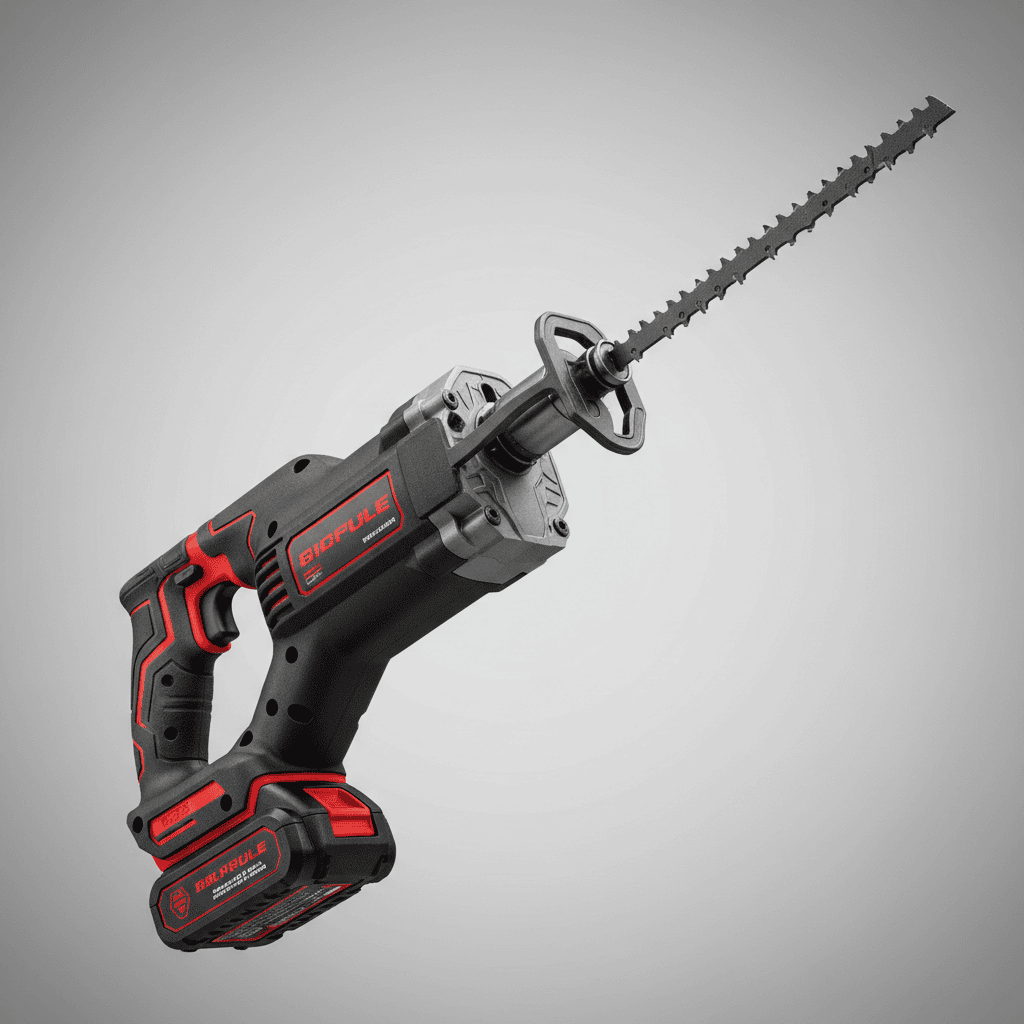
A Sawzall is a trademarked brand name for a reciprocating saw, originally introduced and manufactured by Milwaukee Tool. The name “Sawzall” has become so widely used that it is often used generically to refer to any reciprocating saw, regardless of the manufacturer. This is similar to how “Kleenex” is used for any tissue or “Band-Aid” for any adhesive bandage.
In technical terms, a Sawzall is a handheld power tool designed for cutting through a variety of materials. The term “reciprocating” refers to the back-and-forth, push-pull motion of the blade. This action allows the tool to make aggressive cuts, making it a staple in construction, demolition, and remodeling projects.
Is ‘Sawzall’ a Brand Name or a Type of Tool?
It is officially a brand name owned by Milwaukee Tool. However, due to its early market dominance and widespread adoption, the term has become a genericized trademark. In everyday language, many people use “Sawzall” to mean any reciprocating saw, even if it’s made by brands like DeWalt, Makita, or Bosch.
Who Originally Made the Sawzall?
Milwaukee Tool introduced the Sawzall in 1951. It was the first portable electric reciprocating saw and quickly became an industry standard due to its versatility and power.
What Does ‘Reciprocating’ Mean in This Context?
“Reciprocating” describes the blade’s movement: it moves forward and backward in a straight line at high speed. This linear motion is what allows the saw to cut on both the push and pull strokes, making it efficient for tough materials.
How Does a Sawzall Work?
The core mechanism of a Sawzall (or any reciprocating saw) is its motor, which converts rotational motion into the linear, back-and-forth motion of the blade. The blade is secured in a chuck at the front of the tool, and the user guides the blade through the material being cut.
What Is the Blade Motion of a Sawzall?
The blade moves in a straight, linear push-pull action. The stroke length (how far the blade moves forward and back) and strokes per minute (SPM) are key performance metrics. A longer stroke and higher SPM generally mean faster, more aggressive cutting.
What Types of Blades Are Used?
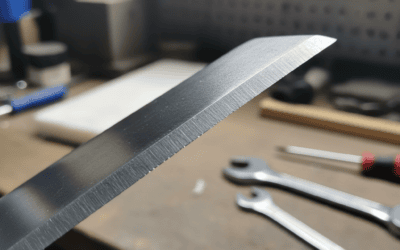
Sawzalls use a wide variety of blades designed for specific materials and tasks. Blades are typically categorized by:
- Material: Bi-metal (for metal), carbide-tipped (for tough materials like nail-embedded wood), high-carbon steel (HCS for wood and plastic).
- Tooth Design: Teeth per inch (TPI) determines the cut. Fewer teeth (coarse) cut faster in soft materials; more teeth (fine) provide smoother cuts in harder materials.
- Shank Type: Most modern saws use a universal 1/2-inch shank for quick, tool-less blade changes.
How Is It Different from a Jigsaw or Circular Saw?
- vs. Jigsaw: A jigsaw uses a thin blade that moves up and down for intricate, curved cuts in thinner materials. A Sawzall uses a thicker, more robust blade for straight, aggressive cuts in thicker, tougher materials.
- vs. Circular Saw: A circular saw uses a rotating disc blade for fast, straight cuts in lumber and sheet goods. A Sawzall is more versatile for irregular cuts, demolition, and cutting in tight spaces where a circular saw can’t reach.
Common Uses for a Sawzall
The primary strength of a Sawzall is its versatility and ability to cut through almost anything. It is the go-to tool for many professionals and DIYers for the following tasks:
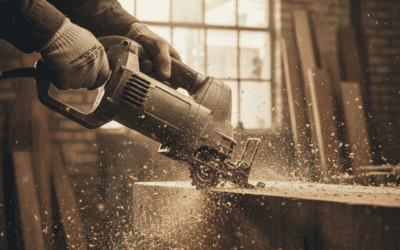
- Demolition: This is its most famous application. It excels at tearing out walls, cutting through studs (even with nails), removing old plumbing, and dismantling structures.
- Cutting Wood: From pruning tree branches to cutting through floor joists, wall studs, and plywood.
- Cutting Metal: With the right blade, it can cut through pipes, rebar, sheet metal, nails, screws, and bolts.
- Cutting Plastic and Drywall: It makes quick work of PVC pipes, conduit, and drywall for openings or removal.
- Flush Cutting: Many models allow the blade to be positioned flush against a surface, making it ideal for cutting pipes or nails close to a wall or floor.
Can It Cut Metal and Wood?
Yes, absolutely. This is a key advantage. By simply changing the blade, you can switch from cutting a wooden beam to cutting a metal pipe. This eliminates the need to switch tools mid-project.
Is It Used for Demolition?
Yes, it is the quintessential demolition tool. Its power, blade variety, and ability to cut through mixed materials (like wood with nails) make it unmatched for tearing things apart.
Why Do People Call All Reciprocating Saws ‘Sawzalls’?
This is a classic example of a genericized trademark. Milwaukee Tool’s Sawzall was the first and most dominant reciprocating saw on the market for decades. The brand name became so synonymous with the tool type that it entered the common lexicon. Other major brands now manufacture their own reciprocating saws under different names, but the “Sawzall” moniker persists.
Is Every Reciprocating Saw a Sawzall?
No. Technically, only saws made by Milwaukee Tool are Sawzalls. However, in casual conversation, the terms are often used interchangeably.
What Other Brands Make Similar Tools?
All major power tool manufacturers produce reciprocating saws, including:
- DeWalt
- Makita
- Bosch
- Black+Decker
- Ryobi
- Hilti
How Did the Name Become a Common Term?
Through early market leadership, brand recognition, and cultural adoption. When a product defines a category, its name often becomes the category’s shorthand.
Frequently Asked Questions
What is the difference between a Sawzall and a reciprocating saw?
There is no functional difference. “Sawzall” is a brand name for a reciprocating saw made by Milwaukee Tool. In common usage, the terms are synonymous.
What materials can a Sawzall cut?
With the appropriate blade, a Sawzall can cut wood (including nail-embedded wood), metal (pipes, rebar, sheet metal), plastic (PVC, conduit), drywall, and even some masonry.
Is a Sawzall the same as a jigsaw?
No. A Sawzall (reciprocating saw) is a heavy-duty tool for straight, aggressive cuts and demolition. A jigsaw is a lighter tool designed for intricate, curved cuts in thinner materials.
Who makes the best reciprocating saw?
“Best” depends on your needs and budget. Milwaukee, DeWalt, and Makita are consistently top-rated for professional use. Brands like Ryobi and Black+Decker offer excellent value for homeowners and DIYers.