

Direct Answer: What Is the Best Zero Turn Mower?
There is no single “best” zero-turn mower that fits every buyer. The right machine depends on your lawn size, terrain, budget, and whether you need residential or commercial-grade equipment. For most homeowners with 1 to 3 acres, the best choice balances a 42 to 54-inch deck, a reliable V-twin engine in the 22 to 25 HP range, and a comfortable seat backed by a solid warranty. For larger properties or frequent commercial use, the best choice shifts to wider 60 to 72-inch decks, heavier fabricated decks, and engines built for hundreds of hours of annual use. Instead of chasing one universal model, compare deck width, engine power, cut quality, durability, warranty, and dealer support to find the zero-turn mower that is best for your specific situation.
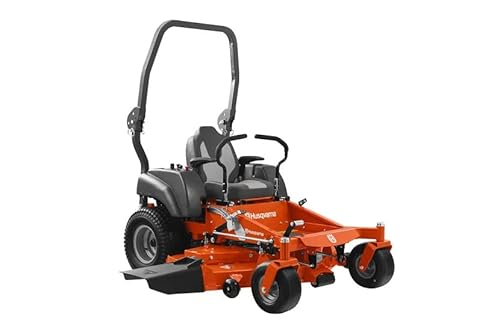
Pros
- Powerful 24HP/726cc Kawasaki V-Twin engine for reliable high-output performance
- Wide 61-inch fabricated 3-blade deck for efficient coverage of large areas
- Commercial-grade Hydro Gear ZT-3100 transmission for durable zero-turn handling
- Generous 5-gallon fuel tank and included ROPS for practical all-day use and safety
- 4-year consumer warranty coverage on the complete machine
Cons
- Large 61-inch deck and zero-turn frame require substantial storage space and may feel oversized for small residential yards
- Commercial-oriented components can demand more maintenance knowledge than basic consumer mowers
- No bagging, mulching kit, or additional attachments listed as standard equipment
The Husqvarna MZ61 is a robust zero-turn riding lawn mower from the brand's commercial-leaning lineup, pairing a heavy-duty fabricated deck with a ROPS safety structure. Its overall build emphasizes durability and operator protection for demanding outdoor work rather than lightweight residential convenience.
Performance centers on the 24HP/726cc Kawasaki FR730V Series V-Twin engine that supplies ample torque for thick or wet grass, while the 61-inch 3-blade fabricated deck cuts wide swaths efficiently. The Hydro Gear ZT-3100 commercial hydrostatic transmission enables smooth, precise zero-turn steering that reduces time spent trimming edges and navigating landscaping. A 5-gallon fuel tank further supports longer continuous runs on expansive properties.
Potential drawbacks include the mower's substantial size, which can make storage and transport more challenging for users with limited space. The commercial-grade components also mean the machine may require more frequent or specialized maintenance compared to simpler residential models, and no bagging or mulching systems are noted as included.
Overall, the Husqvarna MZ61 delivers the strongest value for owners of large lawns, estates, or light commercial grounds who prioritize cutting speed, engine reliability, and safety features. Smaller-yard users will likely find it oversized for their needs.
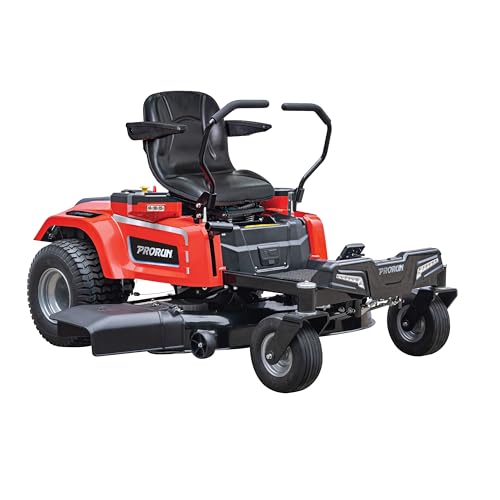
Pros
- High-efficiency brushless motors maximize power output and durability over traditional motors
- Up to 2 acres runtime with three included 10.0 Ah batteries supports substantial mowing sessions
- Zero-emission operation with gas-equivalent 20 HP power for quieter environmentally friendly use
- Six-port auto-switchover battery system provides flexible extended runtime options
- Durable 42-inch steel deck plus included mulch and towing kits add immediate functionality
Cons
- Runtime is limited to approximately 70 minutes or 2 acres which may require recharging for larger properties
- Fully battery-dependent design means performance relies on charge levels and spare battery availability
- 42-inch deck size may require more passes on expansive lawns compared to wider commercial models
The PRORUN PZT60V42 is a fully electric 60V zero-turn riding lawn mower built for residential and light commercial use. Its primary design centers on a robust 42-inch 14-gauge stamped steel twin blade deck powered by direct-drive brushless motors, giving an immediate impression of solid construction and modern battery-focused engineering. The mower arrives complete with three 10.0 Ah batteries, a charger, mulch kit, and towing kit for ready-to-work versatility.
In performance terms, four high-efficiency brushless motors deliver power equivalent to a 20 HP gas engine while producing zero emissions. The system supports up to 2.0 acres or 70 minutes of runtime, and six battery ports with auto switchover intelligently manage all PRORUN 60V battery sizes for continuous operation. A washout port on the steel deck further simplifies post-mow maintenance during real-world sessions.
Potential drawbacks include the finite 70-minute runtime window which can limit coverage on larger properties without spare batteries or recharge breaks. As a fully electric model, it also depends entirely on battery charge levels rather than continuous fuel refills, and the 42-inch deck width may demand extra passes compared with wider traditional options.
Overall the PRORUN PZT60V42 offers strong value for homeowners and small-property managers who want gas-like cutting power without emissions or noise. Those with medium-sized lawns seeking quiet efficient zero-turn performance and included accessories will benefit most from this electric mower.

Pros
- Strong 24HP FR730 engine power for demanding cutting conditions
- Wide 54-inch FAB deck reduces total mowing time
- Zero turn design delivers excellent maneuverability
- Fabricated deck supports durable everyday operation
Cons
- Sparse details beyond engine and deck leave other features unspecified
- Gas-powered FR730 engine needs regular fuel and maintenance
- Large 54-inch deck size may feel oversized on compact properties
The Husqvarna Z254F is a zero turn mower from the established Husqvarna brand in the riding lawn mowers category. It centers on a solid build that pairs a 24HP 726cc FR730 engine with a 54-inch FAB deck for straightforward residential grass care.
Performance stems directly from the listed specifications. The FR730 engine delivers the horsepower needed for steady operation across typical lawns while the wide FAB deck completes passes efficiently. Zero turn handling improves control in real yard layouts based on the model design.
Considerations arise from the limited data available. Secondary elements such as comfort features fuel capacity or extras receive no mention and the gas engine format involves routine upkeep. The large deck suits open areas better than confined spaces.
The Husqvarna Z254F provides the most value for owners of medium or large properties who want reliable engine power and a broad cutting width. Users with smaller lots or those seeking extensive accessory options should weigh the core specs carefully before purchase.
Why “Best” Depends on Your Lawn and Budget
If you search for “the best zero-turn mower,” you will find different answers on almost every website. That is not because reviewers disagree for no reason; it is because the best machine for a half-acre suburban lot is completely different from the best machine for a 5-acre property or a commercial landscaping business.
A small lawn does not need a 60-inch deck or a 30 HP engine. A large property will quickly frustrate a small residential mower that is not built for sustained use. A buyer on a tight budget may prefer a simpler, lighter machine, while a professional may prioritize durability and dealer support over upfront price. Before you can answer “which zero-turn mower is best,” you need to answer three questions about yourself:
- How big is the area I mow? Lawn size is the single biggest factor in deck width and machine class.
- How often and how long do I mow? Occasional weekend use is very different from daily commercial mowing.
- What is my budget for purchase and maintenance? Commercial-grade machines cost more upfront and usually cost more to service.
Once you define your situation, the “best” list narrows dramatically. The goal is not to find the most expensive or most powerful mower; it is to find the machine that matches your property and your usage without wasting money on features you do not need.
Key Factors to Consider Before Choosing a Zero Turn Mower
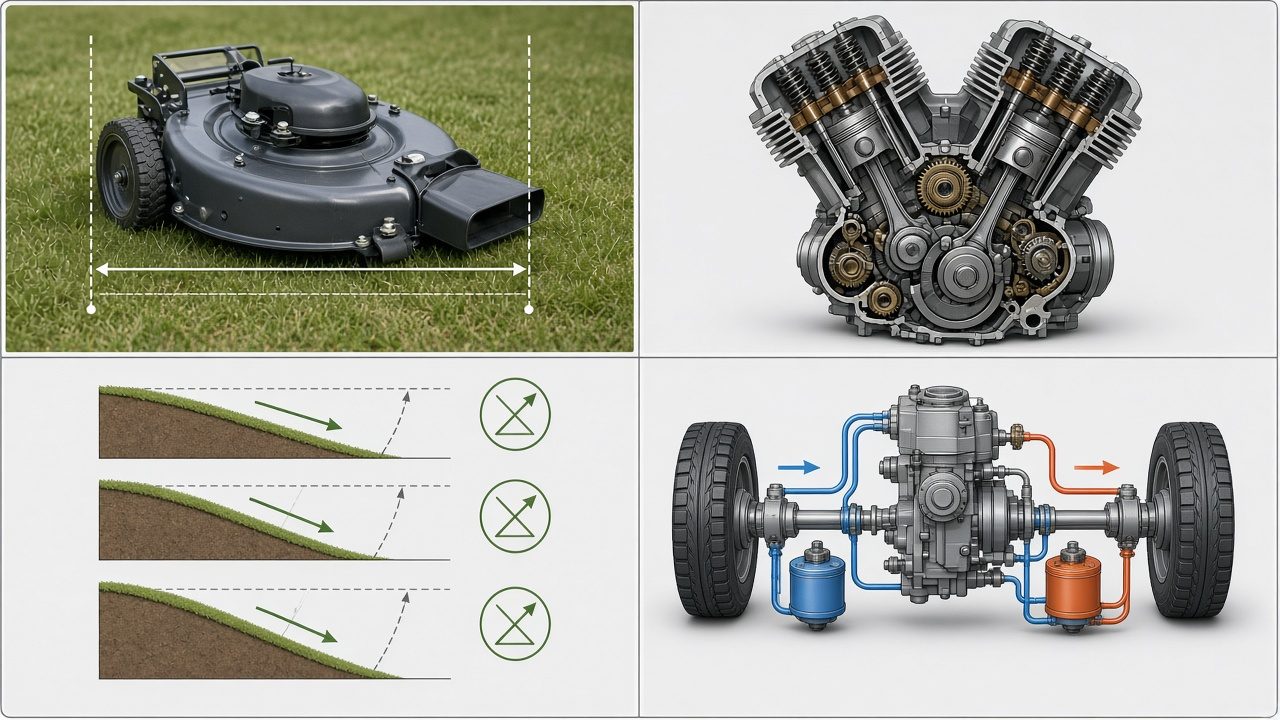
Every zero-turn mower is built around a few core specifications. Understanding these terms will help you compare models fairly and avoid being swayed by marketing language.
Deck Width
The deck width determines how much grass you cut in a single pass. Wider decks cover more ground per minute, which reduces mowing time, but they are also heavier, harder to maneuver in tight spaces, and more expensive. Narrower decks are easier to store, lighter on turf, and better for yards with flower beds, trees, and gates.
As a general rule of thumb: Readers comparing setup options can review our technical analysis on z890 vs x870e motherboard.
- Under 1 acre: 34 to 42-inch decks are usually enough.
- 1 to 2 acres: 42 to 48-inch decks offer a good balance.
- 2 to 3 acres: 48 to 54-inch decks save noticeable time.
- 3+ acres: 54 to 72-inch decks are worth considering.
Engine Horsepower
Horsepower affects how well the mower maintains blade speed in thick or tall grass. Most residential zero-turn mowers use V-twin engines in the 20 to 25 HP range, while commercial models often range from 25 to 35 HP. More power is helpful for wet, heavy, or overgrown grass, but it is not the most important spec by itself. A well-matched engine and deck will outperform a powerful engine paired with a poorly designed deck.
Transmission and Drive System
Zero-turn mowers use hydrostatic transmissions that allow each rear wheel to move independently. This is what gives the machine its signature zero-radius turns. Look for transmissions from established manufacturers and check whether the model uses serviceable, commercial-grade components. A stronger transmission matters more if you mow hills, wet ground, or many hours per season. For complementary field maintenance guidelines, examine our breakdown of marshall stanmore iii vs harman kardon onyx studio 8.
Terrain and Slope
If your property has steep slopes, you need a mower with good weight distribution, wide tires, and a low center of gravity. Some machines are better suited to flat ground, while others are designed with hill-holding features for sloped yards. Always check the manufacturer’s slope rating and never mow slopes that feel unsafe, regardless of the machine.
Residential vs. Commercial Class
Residential zero-turn mowers are designed for a few dozen hours of use per year. Commercial machines are built for hundreds of hours annually, with heavier frames, serviceable components, and stronger warranties. If you only mow your own lawn, a commercial machine is usually overkill. If you mow for a living, a residential machine will wear out quickly. To evaluate matched hardware tolerances, consult our detailed overview of dyson v8 cyclone vs bissell featherweight stick.
How to Match a Mower to Your Lawn Size
Matching deck width to lawn size is the fastest way to narrow your options. The table below offers a starting point, but your property’s shape, obstacles, and terrain can change the recommendation.
| Lawn Size | Recommended Deck Width | Machine Class |
|---|---|---|
| Under 1 acre | 34 to 42 inches | Residential |
| 1 to 2 acres | 42 to 48 inches | Residential |
| 2 to 3 acres | 48 to 54 inches | Residential or light commercial |
| 3 to 5 acres | 54 to 60 inches | Heavy residential or commercial |
| 5+ acres | 60 to 72 inches | Commercial |
What Deck Size Is Best for a 1-Acre Lawn?
For a 1-acre lawn, a 42 to 48-inch deck is a practical choice. It is wide enough to finish the job in a reasonable time, yet narrow enough to navigate around trees, landscaping, and fences. A 54-inch deck can work if your yard is open and flat, but it may feel cumbersome in tight areas.
What Deck Size Do I Need for 2 to 3 Acres?
For 2 to 3 acres, a 48 to 54-inch deck is the sweet spot for most buyers. This width reduces the number of passes you need to make while still fitting through standard gates and storage sheds. If your property is wide open, a 60-inch deck can save even more time, but check your gate and storage dimensions first.
What Should I Choose for 3+ Acres?
For 3 or more acres, consider a 54 to 72-inch deck and a machine built for longer run times. At this size, mowing becomes a significant time investment, so wider decks and more comfortable seats are worth the extra cost. If you mow commercially or plan to keep the machine for many years, a commercial-grade model will hold up better under sustained use.
Residential vs. Commercial Zero Turn Mowers: Which Do You Need?
One of the most important decisions is choosing between a residential and a commercial machine. The two classes look similar, but they are engineered differently.
How Many Hours Per Year Is Considered Commercial Use?
There is no universal number, but many manufacturers design residential mowers for roughly 50 to 100 hours of use per year, while commercial mowers are built for 500 or more hours annually. If you are mowing lawns for customers every week, you are firmly in commercial territory and should buy a machine rated for that workload.
What Features Separate Commercial Mowers from Residential Ones?
Commercial mowers typically have heavier steel frames, fabricated decks instead of stamped decks, serviceable spindles and bearings, larger engines, and higher-grade transmissions. They also tend to have better suspension seats and more durable tires. These features raise the price, but they reduce downtime and extend the machine’s working life.
Can a Residential Mower Handle Daily Commercial Mowing?
In most cases, no. A residential mower is not designed for the heat, vibration, and continuous operation of daily commercial work. Using one that way will lead to premature wear, more frequent repairs, and higher long-term costs. If you earn income with your mower, buy a machine built for commercial duty.
How to Evaluate Cut Quality, Deck Durability, and Comfort
Specs like deck width and horsepower are easy to compare, but the quality of the cut and the comfort of the operator matter just as much in daily use.
What Makes a Deck Durable, Stamped or Fabricated?
Deck construction is one of the most important durability factors. A stamped deck is formed from a single piece of steel and is common on residential mowers. It is lighter and less expensive, but it can be more prone to bending or cracking over time. A fabricated deck is welded from multiple pieces of heavier steel and is standard on commercial mowers. It resists impacts better and typically lasts longer, making it a good choice for rough terrain or frequent use.
How Do I Judge Cut Quality Before Buying?
Cut quality depends on blade design, deck airflow, and how well the deck lifts grass before cutting. A well-designed deck produces an even, clean cut with minimal clumping, even in thicker grass. The best way to judge cut quality is to test the mower on your own lawn or ask the dealer for a demonstration. Look for consistent stripes, no ragged tips, and even discharge.
Why Does Operator Comfort Matter for a Zero-Turn Mower?
Zero-turn mowers are fast and agile, but they also transmit vibration and require constant hand and foot control. A comfortable seat, well-placed controls, and a smooth ride reduce fatigue, especially if you mow for more than an hour at a time. High-back seats, armrests, and suspension systems are worth paying for on larger properties.
How to Compare Brands, Warranties, and Dealer Support
Brand reputation matters in the zero-turn market because these machines are long-term investments. However, brand loyalty should not replace careful comparison of specific models.
How Important Is Dealer Support When Buying a Zero-Turn Mower?
Dealer support is very important. Zero-turn mowers require periodic maintenance and occasional repairs, and having a local dealer who stocks parts and provides service can save you weeks of downtime. Before buying, ask about the dealer’s service department, part availability, and whether they offer pickup or loaner options. A slightly more expensive mower from a strong local dealer is often a better value than a cheaper machine with no local support.
What Warranty Length Should I Look For?
Warranty terms vary by brand and machine class. Residential mowers often come with 2 to 4 year warranties, while commercial models may offer shorter warranties with different coverage terms because they are used harder. Read the fine print to understand what is covered, including the deck, engine, transmission, and labor. A longer warranty is valuable, but only if the dealer honors it efficiently.
How Do I Compare Brands Fairly?
Compare brands on the same criteria: deck construction, transmission quality, engine serviceability, warranty terms, dealer network, and replacement part availability. Do not assume that a more expensive brand is automatically better for your situation. Look at the specific model’s specifications and test drive it if possible. A brand that excels in commercial mowing may not offer the best value for a small residential lawn.
Step-by-Step Guide to Finding Your Best Zero Turn Mower
If you are ready to buy, follow this checklist to turn a broad search into a confident purchase.
Step 1: Measure Your Lawn and Map Obstacles
Measure the total mowing area, not the total property size. Subtract the house, driveway, garden beds, and other non-lawn surfaces. Note any narrow gates, steep slopes, or tight corners, because these will affect the deck width you can use.
Step 2: Set a Realistic Budget
Include the purchase price, possible delivery fees, and an estimate for yearly maintenance. Remember that a higher-quality machine can cost less over its lifetime if it lasts longer and requires fewer repairs.
Step 3: Choose Your Machine Class
Decide whether you need a residential, heavy residential, or commercial mower based on your annual mowing hours and the condition of your terrain. If you are close to the boundary between classes, lean toward the more durable option.
Step 4: Narrow Down Deck Width and Engine Size
Use your lawn size to choose a deck width range, then select an engine with enough power for your grass type. Thick, fast-growing grass needs more power than thin, slow-growing grass.
Step 5: Compare Specific Models on Paper
Create a short list of models that fit your size and budget. Compare deck construction, transmission brand, seat comfort, fuel capacity, and warranty. Eliminate models that fail on durability or support, not just price.
Step 6: Test Drive Before You Buy
Visit a dealer and sit on each mower. Check that your legs reach the controls comfortably, that the steering levers feel natural, and that you can see the deck and front wheels. If possible, mow a small patch of grass to evaluate the cut and the ride.
Step 7: Verify Service and Parts Availability
Before signing, confirm that the dealer stocks common parts for the model you want and that their service team is familiar with it. Ask about the first service interval and what routine maintenance you will need to perform.
Everything You Need to Know: What Is The Best Zero Turn Mower FAQ
What is the best zero turn mower for a small lawn?
For a small lawn under 1 acre, look for a residential zero-turn mower with a 34 to 42-inch deck and an engine in the 20 to 22 HP range. A smaller deck is easier to maneuver around flower beds, trees, and fences, and it is lighter on the turf. Prioritize comfort and ease of use over raw power.
What is the best zero turn mower for a large lawn?
For a large lawn of 3 or more acres, choose a mower with a 54 to 72-inch deck, a fabricated deck for durability, and an engine in the 25 to 35 HP range. A wider deck reduces mowing time significantly, while a comfortable seat and smooth suspension make long sessions easier on your body.
Are zero-turn mowers worth the price compared to lawn tractors?
Zero-turn mowers cost more than traditional lawn tractors, but they offer faster mowing, tighter turning, and often a better cut. They are worth the price if you have a large open lawn, many obstacles to navigate, or limited time for mowing. For very small, simple lawns, a lawn tractor may be the more practical value.
How long should a zero-turn mower last?
With proper maintenance, a residential zero-turn mower can last 500 to 1,000 hours, while a commercial machine can last 2,000 hours or more. Regular oil changes, air filter cleaning, blade sharpening, and proper storage all extend the life of the machine significantly.
Related Maintenance and Operating Guides
To keep your equipment running at peak operating efficiency, explore our related technical walkthroughs and maintenance tutorials:
- Consult our detailed breakdown on zero turn.
Technical Standards and Compliance
Mechanical safety standards, operational tolerances, and protective gear guidelines align with benchmark specifications established by the American National Standards Institute (ANSI).









