

Quick Answer: What Size Lawn Mower For 5 Acres?
For a 5-acre property, you generally need a wide-deck riding mower or zero-turn mower with a cutting deck of at least 48 to 60 inches. A 48 to 54 inch deck is a practical starting point, while a 60-inch deck on a zero-turn or garden tractor significantly reduces mowing time. The right size also depends on terrain, obstacles, and how much time…
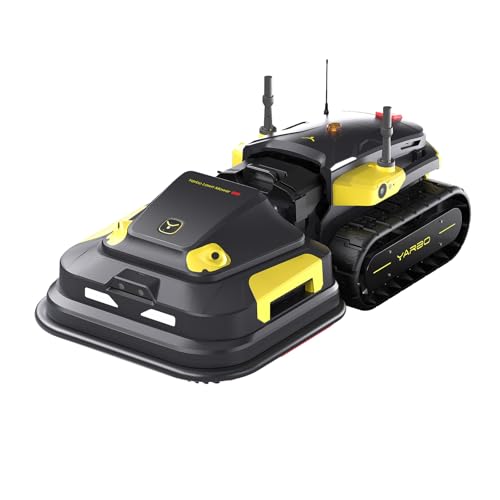
Pros
- Handles yards up to 6 acres without perimeter wires for flexible large-scale autonomous coverage.
- Advanced RTK AI vision and multi-sensor navigation ensure accurate obstacle avoidance on complex sites.
- Strong dual-motor cutting system with dual blade choices and wide height range tackles varied grass conditions effectively.
- Multi-terrain tracks enable stable performance on steep uneven muddy or stony ground up to 35 degrees.
- Modular construction suits premium applications like luxury hotels turf farms and expansive residential properties.
Cons
- Product weighs approximately 210 lbs and ships in four separate boxes requiring two adults for assembly.
- Remote control is sold separately increasing the total cost of a complete setup.
- Installation demands a 120 degree unobstructed sky view for the Data Center Set to operate correctly.
The YARBO Robot Lawn Mower Pro is a premium modular robotic lawn mower built for large yards covering up to 6 acres. Its robust construction features multi-terrain tracks and all-steel skid shoes that convey durability suitable for homes, golf courses, luxury hotels, and turf farms. Immediate impressions highlight a design focused on autonomy and adaptability rather than basic residential use.
Performance centers on a 300W dual-motor cutting system that resists clogging through optimized disc and ejection design, allowing longer sessions even in thick wet grass. Dual blade options support cool-season and warm-season varieties while the 0.8 to 4.0 inch height range and triple-fusion navigation with RTK-GPS binocular vision and multi-sensor PPVS deliver precise wire-free pathing and obstacle detection including suspended items. Tracks enable reliable operation on slopes up to 35 degrees and uneven or stony ground.
Key considerations include the substantial weight of about 210 lbs that ships across four boxes and needs two adults for assembly. The remote control is not included and must be purchased separately. Successful setup also requires a clear 120 degree sky view for the Data Center Set which may limit placement options in densely covered areas.
This mower provides strong value for owners of expansive or challenging properties who need reliable low-effort autonomous care. It is best suited to premium users managing large or complex lawns where advanced navigation terrain capability and modular flexibility outweigh simpler lighter residential alternatives.

Pros
- Covers expansive areas up to 6 acres without any perimeter wire installation
- Handles steep inclines up to 70% slopes thanks to patented all-terrain tracks
- Modular platform enables multi-season use beyond just mowing
- Wide 20-inch cutting deck with adjustable height for tailored professional results
- Advanced AI Vision and RTK navigation for precise autonomous pathing
Cons
- Leaf blower and snow blower modules must be purchased separately
- Heavy unit at approximately 200 lbs ships in 4 boxes and requires two adults for assembly
- Installation of the Data Center Set needs a 120 degree unobstructed sky view for optimal RTK performance
The YARBO Robot Lawn Mower stands out as a premium robotic solution built specifically for large properties. Its modular chassis and all-terrain tracks create an immediate impression of robust, purpose-built engineering ready for serious yard work without the usual wire boundaries.
Performance and key features shine through real-world capability. The mower manages up to 6.2 acres using AI Vision and RTK navigation, a 20-inch cutting deck, and adjustable heights from 1.2 to 4.0 inches. With 120 minutes of runtime and auto recharging, it follows scheduled routes efficiently. The patented tracks confidently tackle 70% slopes, uneven ground, and ditches that defeat most competitors, while the modular system allows future expansion into leaf and snow modules.
Drawbacks and considerations include the need to buy leaf blower and snow blower modules separately. The unit weighs about 200 lbs, arrives in four boxes, and requires two adults for assembly. Successful RTK setup also demands a clear 120 degree sky view for the Data Center Set.
Overall, the YARBO Robot Lawn Mower delivers exceptional value for owners of large or hilly properties who want truly hands-free, wire-free operation and multi-season potential. It is best suited for users prepared for initial setup investment who prioritize coverage, terrain capability, and long-term modularity over lighter consumer-grade models.

Pros
- Strong 24HP FR730 engine power for demanding cutting conditions
- Wide 54-inch FAB deck reduces total mowing time
- Zero turn design delivers excellent maneuverability
- Fabricated deck supports durable everyday operation
Cons
- Sparse details beyond engine and deck leave other features unspecified
- Gas-powered FR730 engine needs regular fuel and maintenance
- Large 54-inch deck size may feel oversized on compact properties
The Husqvarna Z254F is a zero turn mower from the established Husqvarna brand in the riding lawn mowers category. It centers on a solid build that pairs a 24HP 726cc FR730 engine with a 54-inch FAB deck for straightforward residential grass care.
Performance stems directly from the listed specifications. The FR730 engine delivers the horsepower needed for steady operation across typical lawns while the wide FAB deck completes passes efficiently. Zero turn handling improves control in real yard layouts based on the model design.
Considerations arise from the limited data available. Secondary elements such as comfort features fuel capacity or extras receive no mention and the gas engine format involves routine upkeep. The large deck suits open areas better than confined spaces.
The Husqvarna Z254F provides the most value for owners of medium or large properties who want reliable engine power and a broad cutting width. Users with smaller lots or those seeking extensive accessory options should weigh the core specs carefully before purchase.
Why Deck Width Matters for 5 Acres
The cutting deck width is the single most important factor in determining how long it takes to mow a large property. On a 5-acre lawn, every inch of deck width translates into meaningful time savings. A wider deck covers more ground with each pass, which means fewer passes across the property and less total mowing time.
To understand the relationship, consider the math. If you are mowing a rectangular area, the number of passes you make is roughly equal to the width of the property divided by the deck width. A 42-inch deck requires more passes than a 54-inch deck to cover the same area. Over a 5-acre property, that difference can amount to a significant number of extra passes and potentially an hour or more of additional mowing time.
Deck width also affects efficiency in practical ways beyond raw numbers. A wider deck tends to be more stable and can handle slightly rougher ground without scalping, provided the mower has adequate power. It also reduces the amount of turning and maneuvering required, which is especially important on open, unobstructed lawns where you can make long, straight passes.
However, wider is not always better. A very wide deck may be difficult to maneuver around trees, flower beds, and other obstacles. It may also be heavier, which can increase soil compaction and make the mower harder to control on slopes. The ideal deck width for 5 acres balances speed with maneuverability based on the specific layout of your property.
Riding Mower vs. Zero-Turn: Which Fits 5 Acres?
For 5 acres, the two main mower categories to consider are traditional riding mowers (including garden tractors) and zero-turn mowers. Each has distinct strengths, and the right choice depends on the shape of your lawn and how much time you want to spend mowing.
Traditional riding mowers, particularly garden tractors, are known for their stability and versatility. They typically have a front-mounted engine and a steering wheel, which many users find more comfortable for long sessions. Garden tractors also tend to have stronger frames and can accept attachments like carts, tillers, or snow blowers, making them useful beyond just mowing. On flat, open ground, a garden tractor with a 48 to 54-inch deck can handle 5 acres effectively, though it will take longer than a zero-turn. Users looking for related component recommendations can explore our z890 vs x870e motherboard breakdown.
Zero-turn mowers are designed for speed and maneuverability. Their pivoting rear wheels allow them to turn sharply, which is a major advantage when mowing around trees, landscaping, and irregular lawn edges. On a 5-acre property with many obstacles, a zero-turn can complete the job noticeably faster than a traditional riding mower because it wastes less time on turns. Zero-turns are also available with deck widths up to 60 inches or more, which further reduces mowing time.
The trade-off is that zero-turn mowers can be less stable on steep slopes, and they require some practice to operate safely, especially for beginners. They also generally cost more than comparable riding mowers. If your 5 acres is mostly open and flat, a garden tractor may be the more practical and economical choice. If your property has many trees, beds, or a complex shape, a zero-turn is likely worth the extra investment.
Recommended Deck Sizes for 5 Acres
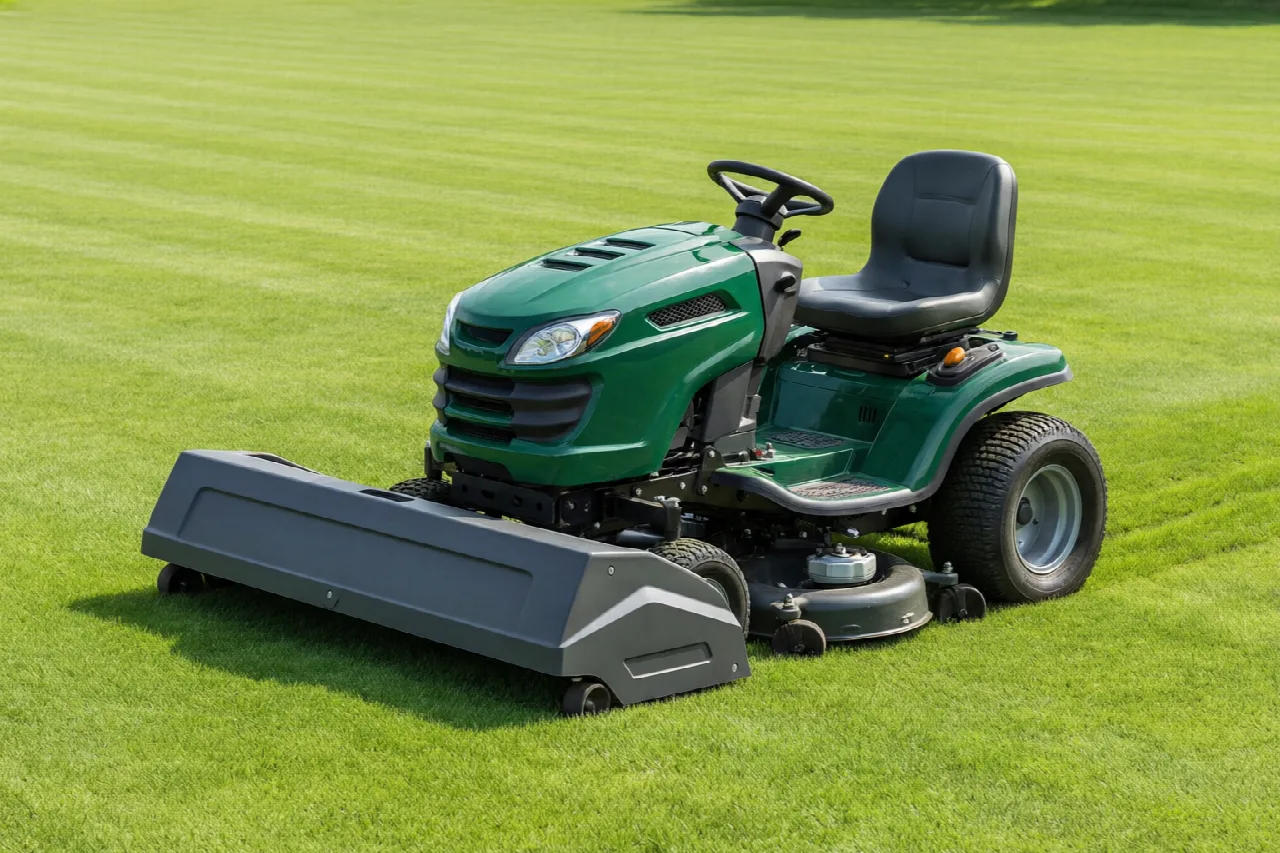
When selecting a mower for 5 acres, deck width is the primary specification to focus on. A 48-inch deck is the minimum practical size for this property size. It will get the job done, but you should expect to spend a considerable amount of time mowing, especially if the lawn has obstacles that slow you down. A 48-inch deck is a reasonable budget-conscious choice if you are willing to accept longer mowing sessions. Before finalizing equipment decisions, refer to our comprehensive marshall stanmore iii vs harman kardon onyx studio 8 comparison.
A 54-inch deck is a popular and balanced option for 5 acres. It provides a noticeable improvement in speed over a 48-inch deck while remaining manageable on most terrain. Many mid-range garden tractors and zero-turn mowers offer 54-inch decks, making this size widely available across different price points. For most homeowners with 5 acres, a 54-inch deck offers the best combination of speed, cost, and maneuverability.
A 60-inch deck is the premium choice for 5 acres, especially if you want to minimize mowing time. On a zero-turn mower, a 60-inch deck can cut mowing time significantly compared to smaller decks. This size is ideal for properties that are mostly open and free of tight obstacles. The main drawbacks are higher cost, larger physical footprint, and reduced maneuverability in tight spaces. If your 5 acres is relatively open, the time savings of a 60-inch deck may justify the extra expense. For broader ecosystem context, read through our operational guide on dyson v8 cyclone vs bissell featherweight stick.
It is also worth considering that some manufacturers offer decks between these sizes, such as 50 or 56 inches. These intermediate options can be a good compromise if you want more width than a 48-inch deck but are concerned about the bulk of a 60-inch model. Ultimately, the best deck size for your 5 acres depends on your specific lawn layout and how much time you are willing to spend mowing.
Other Size Factors: Engine Power and Mower Weight
While deck width is the most visible measure of mower size, engine power and machine weight also play important roles in how well a mower handles 5 acres. Engine horsepower determines how effectively the mower can cut thick grass and maintain blade speed, especially in tall or damp conditions. For a 5-acre property, you generally want an engine with at least 20 to 25 horsepower, though the exact requirement depends on the deck width and the terrain.
A larger deck requires more power to drive the blades and propel the machine, particularly when cutting thick grass or climbing slopes. If the engine is underpowered for the deck size, you may notice the blades slowing down, leaving an uneven cut or requiring you to slow down significantly. Choosing a mower with adequate horsepower for its deck width is essential for consistent performance over a full 5-acre mowing session.
Mower weight also matters, though it is often overlooked. Heavier mowers tend to have better traction, which is important on slopes and in wet conditions. The added weight helps keep the mower planted on the ground, reducing the risk of slipping or losing control. However, heavier machines also cause more soil compaction, which can be a concern on lawns that receive heavy foot traffic or have sensitive turf.
Weight also affects stability. A heavier, wider mower generally feels more stable at speed, but it can be harder to maneuver and may be more difficult to transport. When comparing mowers, consider the overall weight in relation to your terrain. On flat, firm ground, a lighter mower may be perfectly adequate. On hilly or uneven terrain, the extra weight and traction of a heavier machine can make a meaningful difference in safety and performance.
How Terrain and Lawn Shape Affect Your Choice
The physical characteristics of your 5 acres should heavily influence your mower selection. A flat, open, rectangular property is the easiest to mow and allows you to use a wide deck and a faster mower type. In this scenario, a 54 or 60-inch deck on a garden tractor or zero-turn will work efficiently, and you can focus on maximizing deck width to reduce mowing time.
If your property has slopes, the choice becomes more nuanced. Steep hills require a mower with good traction and stability. Zero-turn mowers can be less stable on slopes because of their low center of gravity and pivoting rear wheels, so a traditional garden tractor may be a safer choice for hilly terrain. Some manufacturers offer slope ratings for their mowers, and it is wise to check these specifications if your property has significant grades.
Lawns with many trees, flower beds, or irregular shapes present a different challenge. In these cases, maneuverability often matters more than raw deck width. A zero-turn mower excels at navigating around obstacles, allowing you to maintain speed while making tight turns. A smaller deck, such as 48 or 54 inches, may actually be more practical on an obstacle-filled property because it is easier to fit between tight spaces and around landscaping.
It is also worth considering the overall layout of your property. If you have large open areas punctuated by clusters of trees, a wider deck will help you cover the open stretches quickly, while the zero-turn’s maneuverability handles the tighter sections. In this mixed scenario, a 54-inch zero-turn often provides the best balance. Take time to walk your property and note the obstacles, slopes, and open areas before making a final decision on mower size and type.
Frequently Asked Questions About What Size Lawn Mower For 5 Acres
How long does it take to mow 5 acres with a 54-inch deck?
Mowing time depends on terrain, obstacles, and mower speed, but a rough estimate is 2 to 3 hours with a 54-inch deck on relatively open ground. A 60-inch deck can reduce this to around 1.5 to 2.5 hours, while a 48-inch deck may take closer to 3 to 4 hours. These figures assume reasonable conditions and an experienced operator.
Can a push mower handle 5 acres?
Technically, a push mower can cut 5 acres, but it is not a practical choice. Mowing 5 acres with a push mower would take many hours of strenuous physical effort and is generally not recommended. A riding mower or zero-turn is far more efficient and comfortable for a property of this size.
Should I buy a wider deck to save time?
If your property is mostly open and flat, a wider deck will save you meaningful time on every mowing session. However, if your lawn has many obstacles or slopes, the benefits of a wider deck may be offset by reduced maneuverability. Consider your specific lawn layout before choosing a wider deck, and balance time savings against cost and practicality.
Technical Standards and Compliance
Mechanical safety standards, operational tolerances, and protective gear guidelines align with benchmark specifications established by the American National Standards Institute (ANSI).









