

Quick Answer: When Can You Start Mowing the Lawn?
You can start mowing your lawn in spring once the grass actively breaks winter dormancy and reaches a height of 3 to 4 inches, with soil temperatures consistently holding above 50°F to 55°F. The ground must be sufficiently dry and firm to support foot traffic or mower wheels without leaving deep ruts or compacting the soil. Cutting too early disrupts root carbohydrate storage and increases vulnerability to lawn diseases.
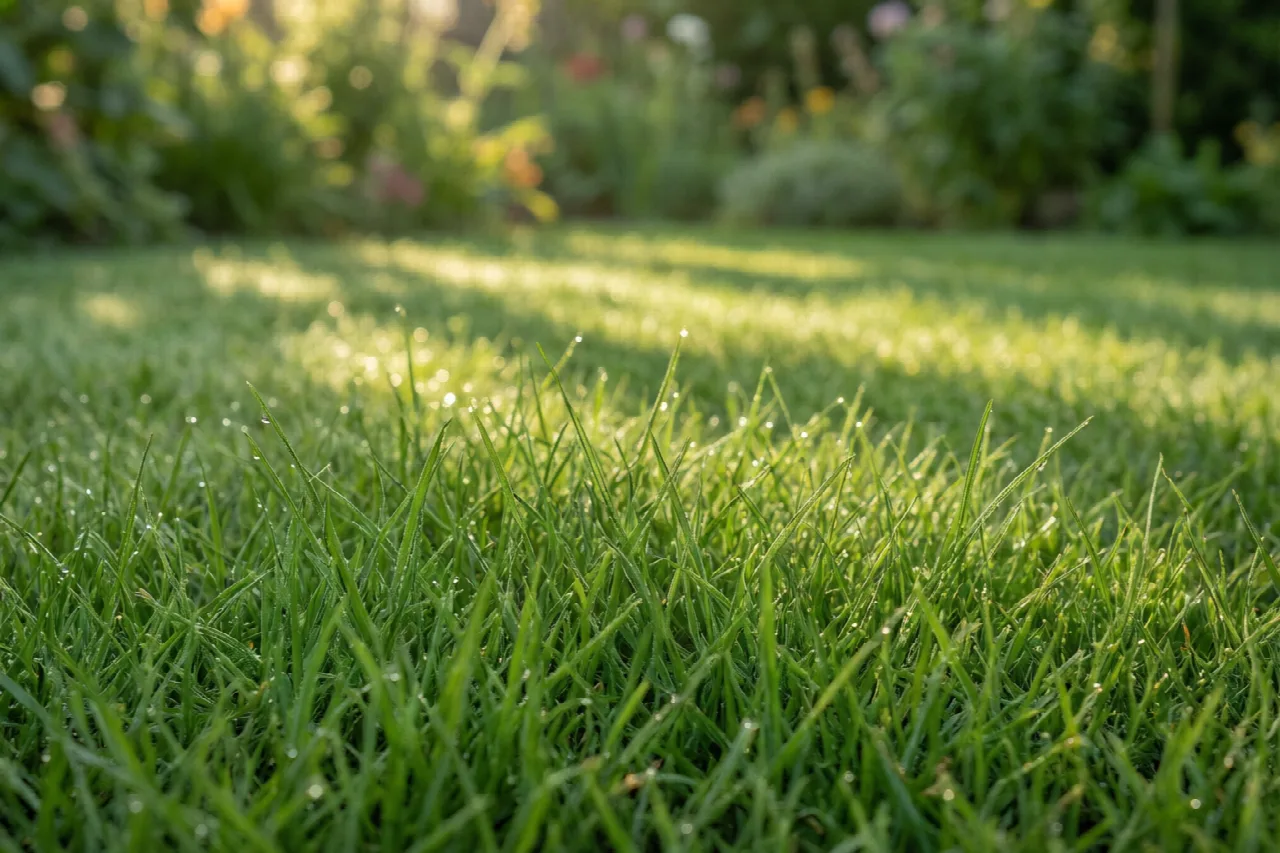
Key Signs Your Lawn Is Ready for Its First Spring Cut
Determining when to start mowing your lawn each spring requires observing environmental and turf conditions rather than following an arbitrary calendar date. Depending on your geographical region, the appropriate timing arrives anywhere from mid-March in warmer southern zones to late April or early May in colder northern areas.
The primary signal of turf readiness is active growth. Before grass can be safely mowed, root-zone soil temperatures must consistently average at least 50°F to 55°F for several consecutive days. When soil reaches this temperature threshold, roots resume moisture uptake and nutrient transport, triggering vertical blade elongation.
Another crucial indicator is turf height. Do not mow until grass stands at least 3 to 4 inches tall. Cutting grass before it attains this height deprives the plant of necessary leaf surface area needed to produce energy for springtime root establishment.
Finally, inspect soil moisture. Winter snowmelt and early spring rainstorms leave soil saturated. Walking across soft turf or operating heavy machinery such as gas riding lawn mowers on waterlogged soil will press grass into mud and create persistent compaction channels that suffocate roots.
The One-Third Rule for Spring Mowing
The standard guideline of proper turf care is the one-third rule: never cut more than one-third of the total grass blade height in a single mowing session. This principle is especially vital during early spring cuts when root systems are rebuilding after winter dormancy.
Removing more than one-third of blade length causes acute physiological shock. The plant diverts stored energy to rapid foliage regrowth rather than root development, resulting in shallow roots that struggle in summer drought. Furthermore, scalping turf exposes the soil bed to sunlight, triggering weed seeds like crabgrass to germinate rapidly.
If your lawn has overgrown before you could make the first cut, such as reaching 5 inches tall, adjust your cutting deck to its highest setting. Cut off only the top inch, wait three to four days for the grass to recover, and then make a second pass at your regular target height.
Cool-Season vs. Warm-Season Grass Growth Timelines
The specific variety of grass in your lawn dictates the schedule for the first seasonal cut. Turfgrasses fall into two primary botanical categories, each possessing distinct temperature requirements.
Cool-Season Grasses: Varieties like Kentucky bluegrass, perennial ryegrass, and tall fescue thrive in northern regions and transitional zones. These grasses resume active growth early in spring as soon as air temperatures reach 55°F to 65°F and soil temperatures reach 50°F. As a result, cool-season lawns are typically ready for their first cut between late March and mid-April.
Warm-Season Grasses: Grasses such as Bermudagrass, Zoysiagrass, and St. Augustine dominate southern climates. These grasses enter winter dormancy and require warmer conditions to green up. They generally do not initiate vigorous vertical growth until soil temperatures surpass 65°F. Mowing warm-season lawns too early while blades remain mostly dormant can scalp crowns and delay natural green-up.
When selecting mowing machinery, adjusting cutting heights according to turf species is critical. Machines that offer versatile deck configurations, such as models featured in riding lawn mowers clearance comparisons, enable operators to transition between early-season high cuts and summer maintenance heights easily.
Spring Lawn and Equipment Preparation Checklist
Before pulling the starter cord for the first cut of the year, several maintenance tasks will ensure both your turf and your mower perform reliably.
First, clear the lawn of fallen branches, pinecones, and thick mats of winter leaves. Raking lightly with a flexible leaf rake lifts matted blades, improves air circulation around turf crowns, and removes fungal mycelium from snow mold patches.
Second, sharpen your mower blades. Winter dormancy leaves grass tender, and a dull blade will tear and fray grass tips rather than cleanly slicing through them. Torn grass blades lose moisture quickly, turn brown, and serve as easy entry points for fungal pathogens.
Third, verify that the soil surface is firm before driving heavy equipment across your property. Uneven ground and slopes demand careful maneuvering, especially with powerful units like Toro riding lawn mowers that deliver substantial drive traction. If footsteps leave visible depressions, postpone mowing for another sunny day.
Frequently Asked Questions
What happens if you mow your lawn too early in spring?
Mowing too early stresses grass crowns while they expend energy to re-establish roots. If ground conditions remain soggy, mower wheels cause deep compaction and rutting. In addition, cutting dormant grass weakens leaf blades, making the turf vulnerable to spring weeds, moss invasion, and disease outbreaks.
How tall should grass be before the first spring mow?
Grass should generally reach 3 to 4 inches tall before its first cut. This height ensures that the root system has produced adequate energy reserves. Cutting the lawn when it reaches this stage allows you to trim off only 1 inch, leaving an optimal 2.5 to 3 inches of standing blade height.
Should I bag or mulch clippings on the first mow?
For the initial cut of spring, bagging clippings is often recommended if dead winter debris, fungus spores, or dense winter weeds are present. Once the lawn establishes healthy growth and dry conditions prevail, returning to mulching returns beneficial nutrients to the soil.
Can you mow the lawn if the ground is still spongy?
No, you should never mow when the ground is spongy or saturated. The weight of the lawn mower compresses wet soil particles, eliminating vital pore spaces needed for root oxygen and water infiltration. Wait until the upper inch of soil is completely dry and firm to the touch.
Related Maintenance and Operating Guides
To keep your equipment running at peak operating efficiency, explore our related technical walkthroughs and maintenance tutorials:
- Consult our detailed breakdown on marshall stanmore iii vs harman kardon onyx studio 8.
- Consult our detailed breakdown on dyson v8 cyclone vs bissell featherweight stick.
What time of day is best for the first spring cut?
Mid-morning (between 9:00 AM and 11:00 AM) or mid-afternoon (between 2:00 PM and 4:00 PM) is ideal. By this time, morning dew has evaporated completely, ensuring grass blades are dry and crisp, which prevents clumping and mower deck clogging.
Technical Standards and Compliance
Mechanical safety standards, operational tolerances, and protective gear guidelines align with benchmark specifications established by the American National Standards Institute (ANSI).









