

Quick Answer: When Is It Too Late to Mow the Lawn?
It is seasonally too late to mow the lawn once soil temperatures consistently drop below 50°F to 55°F (10°C to 13°C) and turfgrass enters complete winter dormancy, which typically occurs between late October and late November depending on your region. Mowing after top growth stops or while grass is frozen fractures plant crowns and invites snow mold. On a daily basis, it is too late to mow once evening dusk sets in and dew forms, as slicing damp turf tears leaf blades and spreads disease.
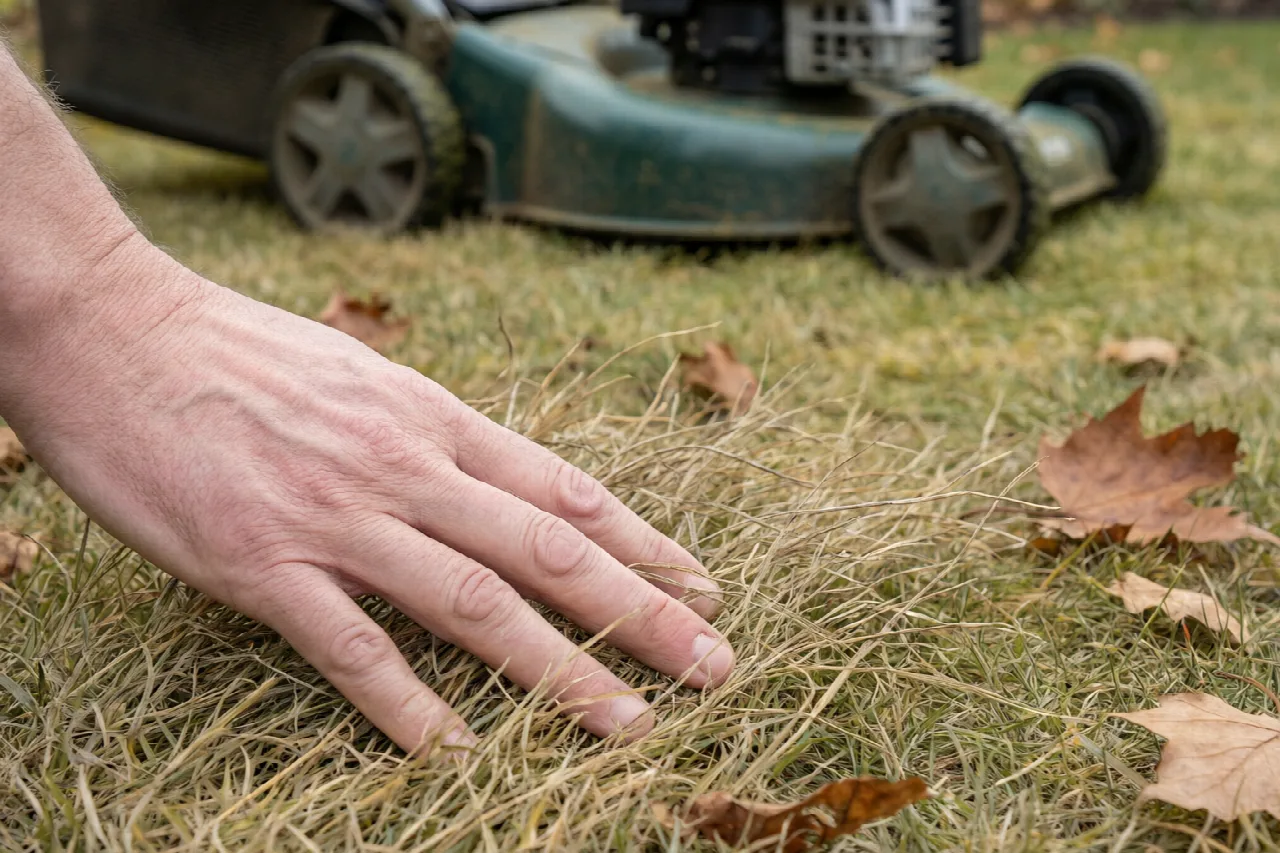
Understanding the Cutoff: Daily Timing vs. Seasonal Dormancy
Homeowners often evaluate late lawn mowing from two distinct perspectives: the latest allowable time of day and the biological end of the autumn mowing calendar. Both thresholds hold significant implications for turf vitality, carbohydrate storage, and turf disease susceptibility. Mowing outside recommended daily hours or past seasonal biological dormancy exposes turfgrass to structural damage that can degrade turf density come spring.
From an operational standpoint, operating machinery after sundown creates poor cutting conditions. As daytime temperatures drop in the evening, relative humidity spikes and surface dew forms rapidly across foliage. Slicing through wet grass causes mower blades to tear and shred delicate plant tissue rather than delivering a clean cut. Furthermore, operating heavy machinery such as gas riding lawn mowers in twilight limits operator visibility, raising the risk of scalping uneven mounds or striking hidden lawn debris.
Seasonal Cutoff: Temperature Thresholds and Dormancy Signs
Determining the final seasonal mow depends on soil temperature rather than an arbitrary calendar date. Turfgrass relies on ambient warmth and sunlight to fuel photosynthesis. As autumn progresses and daylight hours shrink, biochemical activity inside plant tissues steadily declines before entering complete dormancy.
Cool-season grasses like Kentucky bluegrass, perennial ryegrass, and tall fescue continue active cellular metabolism until soil temperatures fall below 50°F (10°C). Air temperatures generally track around 50°F to 55°F during this transition period. Warm-season grasses, including Bermudagrass, Zoysia, and St. Augustine, cease active upward growth earlier when soil temperatures drop below 55°F to 60°F. Once grass shows no measurable vertical growth over a ten-day period, regular mowing should cease.
Key indicators that the final mowing window has closed include:
- Complete lack of upward leaf blade elongation for seven to ten consecutive days.
- Consistent daytime air temperatures remaining below 50°F (10°C).
- Repeated hard frosts that glaze foliage with ice crystals.
- Color changes indicating chlorophyll withdrawal into the crown and root structure.
- Firm, cold soil indicating low subsurface root activity.
The Agronomic Risks of Mowing Frozen or Dormant Grass
Mowing once your lawn has entered deep dormancy delivers no aesthetic advantage and causes substantial mechanical injury. Perennial grasses store critical carbohydrate reserves within crowns and root systems to endure winter freezes. Clipping dormant leaves strips away protective vegetative cover, exposing sensitive crown tissue directly to sub-freezing winds and thermal shock.
Operating heavy garden equipment across frozen turf leads to cellular crushing. When grass blades freeze, moisture inside plant cells solidifies into brittle microscopic ice crystals. Foot traffic and rotary equipment like Toro riding lawn mowers shatter these frozen cells instantly under tire pressure. The damage manifests as blackened, dead tire paths that struggle to recover during spring green-up.
Moreover, late autumn cutting creates open wounds that invite psychrophilic fungal diseases. Both gray snow mold (Typhula incarnata) and pink snow mold (Microdochium nivale) proliferate under winter snowpacks. Jagged wounds made on dormant grass stay unhealed throughout winter, offering opportunistic pathogens direct access into root crowns during winter thaws.
Evening Constraints: Why Late-Day Cuts Damage Lawns
When evaluating the clock during a single day, mowing past 6:30 PM or 7:00 PM is ill-advised throughout summer and autumn. Grass requires several hours of daylight following a cut to seal severed vascular bundles at the blade tips. Trimming grass immediately before dark means wounds remain exposed to high nighttime humidity and standing moisture for eight to ten consecutive hours.
Wet clippings discharged in the evening clump together rather than dispersing evenly into the thatch layer. Clumps of damp clippings smother underlying shoots, creating discolored dead patches. In addition, community noise ordinances frequently prohibit loud gas equipment after dusk. Property managers researching equipment deals through riding lawn mowers clearance opportunities should schedule maintenance runs during mid-afternoon hours when the grass canopy is thoroughly dry.
Preparing Your Turf for the Final Cut of the Season
When dormancy approaches, execute a planned final mowing session rather than abruptly stopping or scalping your lawn. Allowing grass to enter winter too tall causes blades to mat down beneath snow cover, creating a humid microclimate ripe for mold. Conversely, cutting grass excessively short reduces energy stores and exposes root crowns to frost heave.
Employ an incremental step-down approach over your last two or three mowings. If your standard summer height for cool-season turf is 3.5 inches, lower the deck to 3.0 inches on the second-to-last pass, and finish at 2.0 to 2.5 inches on the final pass. Warm-season grasses should finish around 1.5 to 2.0 inches. Ensure your mower blades are freshly sharpened to guarantee crisp, clean cuts that minimize plant stress before winter arrives.
Frequently Asked Questions
Can you mow the lawn after the first frost?
Yes, you can mow after an early frost once the morning sun has completely melted all frost crystals and foliage is dry. Never step on or mow frosty turf while ice crystals coat the blades, as this shatters cell walls. If daytime temperatures rebound and grass continues growing, an additional cut is safe.
What is the latest time in the evening you should cut grass?
The latest recommended daily time is around 6:00 PM to 7:00 PM, or at least two hours prior to sunset. This allows adequate daylight for cut blade tips to dry and initiate wound healing before nighttime dew settles over the lawn surface.
What happens if grass is left too tall over winter?
Grass left taller than three or four inches tends to bend and mat under heavy winter snow. Matted foliage restricts airflow and traps moisture, creating an ideal breeding environment for destructive snow mold pathogens and providing nesting habitat for tunneling field rodents.
Related Maintenance and Operating Guides
To keep your equipment running at peak operating efficiency, explore our related technical walkthroughs and maintenance tutorials:
- Consult our detailed breakdown on marshall stanmore iii vs harman kardon onyx studio 8.
- Consult our detailed breakdown on dyson v8 cyclone vs bissell featherweight stick.
Should you bag or mulch clippings on the final mow?
Mulching is suitable if clippings are dry and finely pulverized. However, if fallen leaves cover the lawn or clippings form thick clusters, bagging the final cut is preferable. Removing excess organic debris ensures crown tissues receive adequate light and air circulation as winter begins.
Technical Standards and Compliance
Mechanical safety standards, operational tolerances, and protective gear guidelines align with benchmark specifications established by the American National Standards Institute (ANSI).









