Quick Answer: Where to Spray Starting Fluid on Lawn Mower?
Starting fluid is an ether-based or petroleum-based aerosol product designed to temporarily enhance fuel combustibility in cold or difficult starting conditions. When applied correctly, it reaches the combustion chamber where the engine’s ignition system can ignite it alongside normal fuel, allowing the engine to turn over and start.
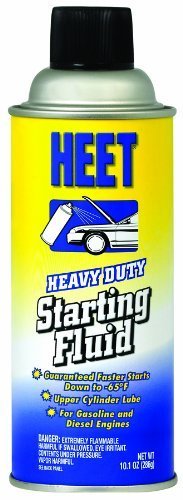
Pros
- Listed volume is 10.1 fl oz, for multiple uses
- Positioned for heavy-duty vehicles and equipment
- Liquid form in a bottle, per the product listing
Cons
- No customer reviews supplied to verify results
- No engine types or temperature range listed

Pros
- Sprays into the carburetor, air cleaner, or air intake
- Two 11 oz cans in one pack
- Listed for lawn mowers, generators, and small gas engines
- Manufacturer says it lubricates upper cylinders
- Manufacturer says it inhibits corrosion
Cons
- Labeled for gasoline engines, not diesel
- Manufacturer benefits are not independently verified
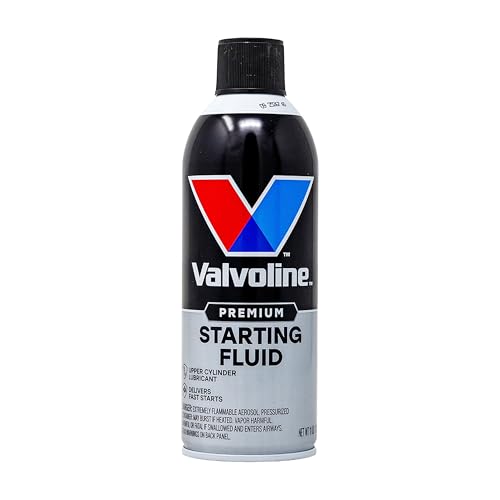
Pros
- 11 fl oz spray can, per listing
- Listed as suitable for cold starts and multiple equipment types
- Includes upper cylinder lubricant, per listing
- Weight listed as 0.86 pounds
Cons
- Lubrication and cleaning benefits are manufacturer-stated claims
- No usage or safety instructions are included in the listing data
The critical distinction lies in where the fluid enters the engine. The air intake system, specifically the air filter housing and carburetor intake, is the correct pathway because it routes the starting fluid into the cylinders where combustion occurs. Spraying it elsewhere creates serious risks:
- Spark plug holes: Introducing liquid directly into the cylinder can cause hydro-locking, where incompressible fluid prevents the piston from moving, potentially damaging internal components.
- Exhaust manifold or muffler: This will simply burn off without reaching the combustion chamber and poses fire hazards.
- Fuel tank or carburetor bowl: Bypassing the atomization process reduces effectiveness and may clog fuel lines.
Starting fluid works because ether has a much lower flash point than gasoline, meaning it ignites more readily at lower temperatures and with less initial fuel vapor. For a cold or reluctant-to-start small engine, this temporary boost can overcome the ignition threshold.
Key Factors to Consider Before Using Starting Fluid
Starting Fluid vs. Related Products
Confusion often arises between three similar but distinct products:
| Product | Primary Composition | Application Method | Purpose |
|---|---|---|---|
| Starting Fluid (Ether-based) | Diethyl ether or similar volatile compounds | Sprayed into air filter housing | Immediate starting assistance in cold or difficult conditions |
| Carburetor Cleaner | Acetone or similar solvents | Sprayed directly onto carburetor components or intake | Dissolves fuel varnish and clogs; cleaning rather than starting |
| Fuel Additive/Stabilizer | Detergents, lubricants, and corrosion inhibitors | Added to fuel tank | Long-term fuel quality maintenance and storage |
Using the wrong product in the wrong location reduces effectiveness and may harm the engine. Always verify the product label specifies it is starter fluid intended for small engines.
When Starting Fluid Is Appropriate
Starting fluid is a temporary troubleshooting tool, not a permanent solution. Use it when: Readers comparing setup options can review our technical analysis on z890 vs x870e motherboard.
- The mower has sat unused for several weeks and fuel has degraded
- You’re starting the engine in cold conditions below 50°F
- The mower has failed to start after 5-10 pull attempts with fresh fuel
If the mower consistently requires starting fluid to run, the underlying issue is likely a clogged carburetor, old fuel, worn spark plug, or low compression, problems that starting fluid masks but does not solve.
Push Mower vs. Riding Mower Access Points
While the principle remains the same, the physical location of the air intake differs: For complementary field maintenance guidelines, examine our breakdown of marshall stanmore iii vs harman kardon onyx studio 8.
- Push mowers: The air filter housing is typically mounted directly above or to the side of the carburetor, often accessible after removing a plastic cover or air filter canister lid.
- Riding mowers: The air intake may be located under the hood near the center of the deck, sometimes requiring removal of a side panel or air cleaner assembly for clear access.
Consult your specific mower’s manual for exact component locations, as designs vary significantly by manufacturer and model year.
Step-by-Step Guide: Locating the Air Filter Housing and Carburetor Intake
For a Push Lawn Mower
- Locate the engine: Most push mowers have a small single-cylinder gasoline engine mounted horizontally or vertically on the mower deck.
- Identify the air filter cover: Look for a plastic or metal dome-shaped cover with bolt fasteners, usually positioned above or beside the carburetor. It may be labeled “Air Filter” or show ventilation slots.
- Examine the intake path: Trace the air intake tube or passage from the air filter downward into the carburetor. The carburetor itself is a cylindrical or box-shaped component with fuel lines connected to it.
- Mark the spray point: The air filter housing opening or the carburetor intake throat (the open area where filtered air enters) is your target. If the air filter is removable, you can spray directly into the exposed housing opening beneath it.
For a Riding Lawn Mower
- Open the hood or access panel: Riding mowers typically have a hinged hood or removable side panels for engine access.
- Locate the air intake assembly: Look for a larger air cleaner box, often black plastic or metal, positioned above the carburetor and engine. It may have a round or rectangular shape.
- Identify access points: The air cleaner may have a removable top lid (held by clips or a single bolt) or a pre-drilled opening. Some designs allow you to spray directly into the air intake tube that connects to the carburetor.
- Confirm the carburetor location: The carburetor sits directly below the air intake box and has visible fuel lines. Do not spray into these fuel lines.
Visual Confirmation Checklist
- You can see or feel air flowing into the component when the engine is running (before applying starting fluid).
- The component is positioned upstream (before) the spark plugs, not downstream.
- No fuel lines connect directly to the spray point; all fuel connections should be downstream at the carburetor bowl.
- The area is dry and free of visible oil or fuel leaks.
Proper Technique and Safety Precautions
Preparation Steps
Before spraying starting fluid: To evaluate matched hardware tolerances, consult our detailed overview of dyson v8 cyclone vs bissell featherweight stick.
- Stop the engine: Never apply starting fluid to a running engine. Allow it to cool for 1-2 minutes after the last failed start attempt.
- Clear the area: Ensure no flammable materials, open flames, or sparks are nearby. Starting fluid vapors are highly flammable.
- Wear appropriate protective gear: Use gloves and consider eye protection. Ether-based products can irritate skin and eyes.
- Verify fuel quality: Confirm the mower has fresh gasoline. If the fuel is more than 30 days old or visibly degraded (cloudy, separated, or varnished), drain and replace it.
- Check the spark plug: A fouled or gapped spark plug may prevent ignition. If the plug is wet or black, remove and inspect it before applying starting fluid.
Application Technique
- Locate the air filter housing: Use the step-by-step guide above to identify your mower type and spray location.
- Remove obstructions: If the air filter cover is in place, you may need to remove it (usually 1-2 bolts or clips) to access the housing opening. Some products can be sprayed through small gaps, but direct access is more effective.
- Shake the starting fluid can: Agitate for 10-15 seconds to ensure proper pressure and mixture.
- Spray a short burst: Hold the can 6-8 inches from the air intake opening and press the trigger for 1-2 seconds. You should see a mist enter the intake; you do not need to hear liquid splashing inside.
- Replace any covers: If you removed the air filter cover, reinstall it or the air filter element immediately to prevent debris from entering the engine.
- Wait 10-15 seconds: Allow the starting fluid to distribute through the intake system and carburetor.
Starting the Engine
- Prime the engine (if applicable): Some mowers have a manual primer bulb. Depress it 3-5 times if your model has one.
- Engage the choke: If your mower has a choke lever, set it to full choke (usually a closed or “cold” position).
- Pull the starter cord or turn the key: Start the engine normally. The starting fluid should ignite within the first 1-2 pulls.
- Avoid over-cranking: If the engine does not start within 3-4 pulls, release the starter and wait 30 seconds. Do not apply more starting fluid immediately.
- Allow the engine to warm up: Once running, let it idle for 30-60 seconds before applying full throttle.
Signs You’ve Used Too Much Starting Fluid
- Black smoke or excessive exhaust: Indicates over-rich fuel mixture; stop and allow the engine to clear.
- Strong ether smell lingering after starting: Suggests unburned starting fluid in the cylinders; this is not immediately dangerous but indicates excess application.
- Engine coughs, sputters, or backfires: Can result from too much ether and ignition timing mismatch; this typically resolves within 30 seconds as the engine warms.
- Difficulty idling smoothly: If the mower idles roughly after starting with starting fluid, the fuel mixture or ignition timing may need adjustment (a sign of a separate mechanical issue).
Post-Start Safety
- Ventilate the area: Ether fumes can accumulate in enclosed spaces. If using the mower indoors (not recommended), ensure strong air circulation.
- Do not re-apply immediately: Wait at least 5 minutes between applications if a second attempt is necessary.
- Limit usage: Use starting fluid no more than 2-3 times per season. Frequent reliance indicates a maintenance issue requiring professional diagnosis.
Troubleshooting: When Starting Fluid Doesn’t Work
If the engine fails to start even after correctly applying starting fluid, investigate these common culprits:
- Spark plug failure: Remove and inspect the spark plug for moisture, oil fouling, or excessive gap (>0.030 inches). Replace if necessary.
- Clogged carburetor: Old fuel or varnish buildup blocks fuel flow. Clean or rebuild the carburetor using carburetor cleaner or a professional service.
- Fuel line blockage: Inspect the fuel line from tank to carburetor for kinks, clogs, or fuel filter saturation. Replace the fuel filter if equipped.
- Low engine compression: If the pull cord feels soft or offers no resistance, internal piston or ring wear may prevent ignition. This requires professional engine service.
- Incorrect choke engagement: Verify the choke closes fully in the “cold” position and opens completely during warm-up.
Everything You Need to Know: Where To Spray Starting Fluid On Lawn Mower FAQ
Can I spray starting fluid into the spark plug hole?
No. Spraying into the spark plug hole risks hydro-locking the engine, where incompressible liquid prevents the piston from compressing and may permanently damage internal components. Always use the air intake as your spray point. When planning workspace deployment, consider the engineering criteria outlined in our bissell crosswave hydrosteam vs shark stainforce guide.
How often can I safely use starting fluid on my lawn mower?
Use starting fluid occasionally, no more than 2-3 times per season in normal circumstances. Frequent reliance (more than once per month during mowing season) indicates an underlying problem such as a clogged carburetor, bad fuel, or faulty ignition components that should be addressed professionally rather than masked with repeated starting fluid applications.
Is starting fluid the same as carburetor cleaner?
No. Starting fluid (typically ether-based) is designed to ignite and assist engine starting. Carburetor cleaner (typically acetone-based) is a solvent meant to dissolve fuel varnish and deposits on carburetor components. While both are aerosols and may appear similar, they serve different purposes and should not be substituted for one another.
What should I do if the engine starts with starting fluid but won’t run without it?
This indicates the engine is not receiving adequate fuel during normal operation. Likely causes include a clogged fuel filter, blocked carburetor jets, or a malfunctioning fuel pump (on larger mowers). Drain old fuel, refill with fresh gasoline, and if the problem persists, have the carburetor professionally cleaned or replaced.
Summary: Key Takeaways
Starting fluid must be sprayed directly into the air filter housing or carburetor intake to reach the engine’s combustion chamber where it can ignite. Avoid the spark plug hole, exhaust, or fuel tank. Apply a short 1-2 second burst, wait 10-15 seconds, and start the engine normally. Use starting fluid only occasionally and as a temporary troubleshooting aid, not as a permanent solution to chronic starting problems. If your lawn mower consistently requires starting fluid, investigate the underlying cause, such as fuel degradation, carburetor fouling, or spark plug wear, rather than relying on repeated applications.
Related Maintenance and Operating Guides
To keep your equipment running at peak operating efficiency, explore our related technical walkthroughs and maintenance tutorials:
- Consult our detailed breakdown on residential zero-turn lawn mower guide.
Technical Standards and Compliance
Mechanical safety standards, operational tolerances, and protective gear guidelines align with benchmark specifications established by the American National Standards Institute (ANSI).