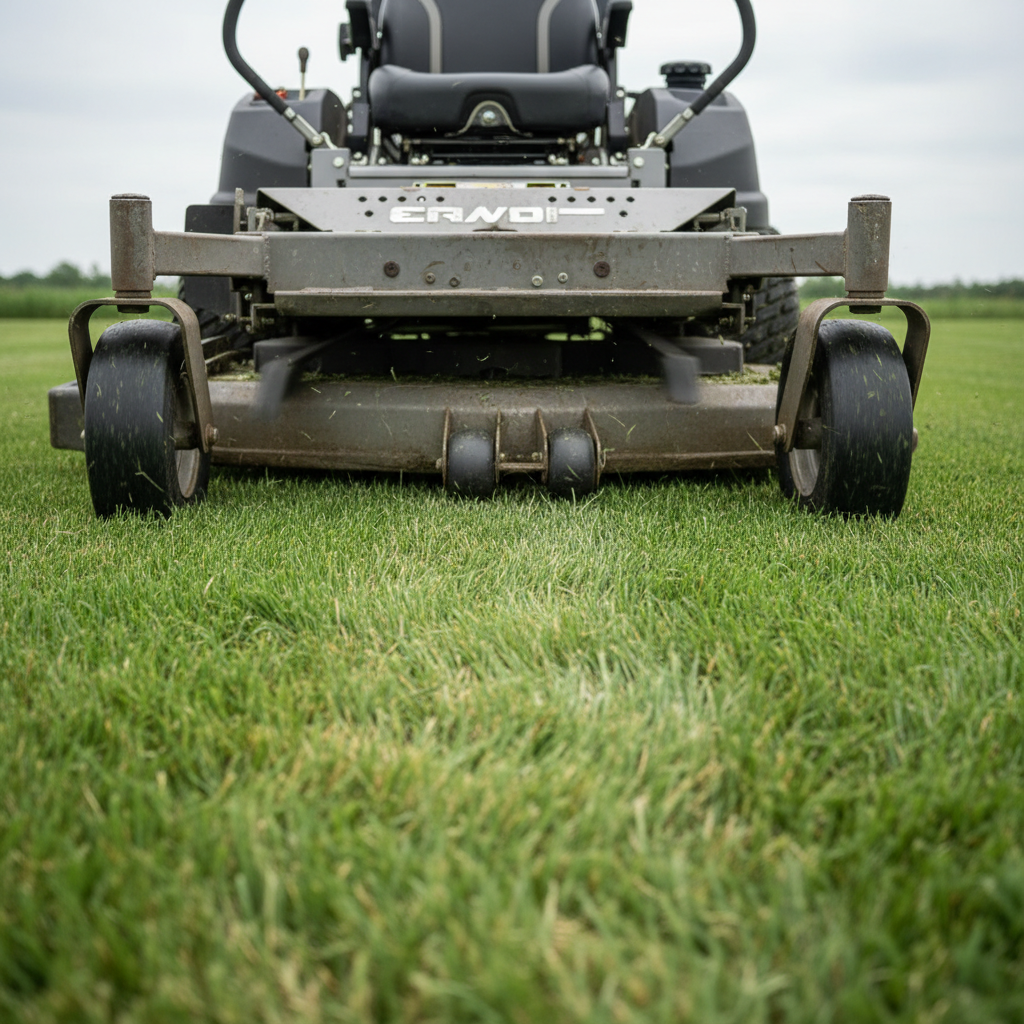
No single company makes the best zero-turn mower for every yard. “Best” depends on how often you mow, how rough the ground is, how much dealer support you need, and whether you want a residential, prosumer, or commercial-oriented machine. Compare manufacturers by cut quality, frame and deck durability, hydrostatic drive robustness, parts and service access, warranty coverage, and total cost of ownership—not by a universal brand ranking.

There is no single best zero-turn manufacturer

Search results and owner forums name different “best” brands because they are answering different jobs. A homeowner with a flat half-acre, a rural owner with several open acres, and a property-maintenance crew logging long weekly hours are not shopping for the same machine. Terrain, obstacles, operator skill, climate, and—often most of all—the nearest competent dealer change which manufacturer is a good fit.

“Who makes” the mower is also a fuzzier question than the hood badge suggests. The name on the machine may be a long-standing mower brand, a house brand sold through a big retailer, or a label owned by a larger outdoor-power group. Engines, hydrostatic transaxles, pumps, wheel motors, and even whole assemblies are frequently sourced from a small set of industry suppliers and used across multiple badges. Some machines are assembled in the brand’s own plant; others come from contract factories. That does not make every badge interchangeable, but it does mean the logo is only one layer of quality. Frame design, deck construction, cooling and service access, quality control, and the dealer who will stand behind the unit still have to be judged on their own.

A ranked manufacturer list is the wrong answer for the same reason a ranked list of pickup trucks is a weak answer if you do not know whether the truck will tow, commute, or sit in a driveway. Preference is not a universal ranking. Treat brand chatter as a starting map of market segments, then evaluate the actual machine and the local support behind it.

What people usually mean by “best”

When people say they want the best zero-turn mower, they rarely mean the loudest advertising or the most bundled accessories. They usually mean a bundle of results: a consistent cut, a machine that stays together at the hours they will actually run it, controls they can use all afternoon, and a path to parts when something wears out. Those factors matter more than cosmetics, extra cup holders, or a feature list that looks impressive on a hang tag.

Cut quality is the job the mower is hired to do

A zero-turn riding lawn mower is judged first by the lawn it leaves. Cut quality is even height from side to side and pass to pass, clean blade tips that slice rather than tear, and a deck that does not scalp on modest undulations or leave strips of uncut grass. Discharge should throw clippings far enough that they do not pile in windrows; mulching should process clippings finely enough that they disappear into the canopy rather than mat on top; bagging should fill evenly without constantly choking the chute. Striping is mostly a function of roller kits, tire pattern, grass type, and mowing direction—not proof that one factory is inherently superior.

The mower deck has to stay level and rigid while it works. A deck that flexes, a spindle that develops play, or baffles that leave dead air pockets will show up as washboarding, streaks, or clumps even if the engine sounds strong. Blade sharpness, belt condition, tire pressure, and ground speed all affect the same result, so “best cut” is never only a brand trait. It is a combination of deck design, setup, and how the operator uses the machine.

Durability, serviceability, and resale are not the same as features

Durability is how the frame, casters, deck shell, spindles, and hydrostatic drive hold up to the intended duty cycle. Serviceability is whether a technician—or a handy owner—can reach belts, idlers, filters, grease points, and hydro components with ordinary tools and without dismantling half the machine. Resale value, in typical used-equipment markets, tends to follow recognizable commercial-oriented lines, documented maintenance, and a deck that is not rusted through. That is a market pattern, not a guarantee that any particular badge will hold value.

Marketing features can still be useful. A comfortable seat, easy deck lift, and good visibility help an operator keep a straight line and a consistent pace, which improves the cut. They do not replace a weak spindle or a hydro that overheats in tall grass. Commercial-oriented machines are generally built for more hours and harsher use than typical homeowner models; that is a difference in design intent, not a promise that every commercial unit outlasts every residential unit.

Total cost of ownership beats the sticker brand

Total cost of ownership includes purchase price, fuel, blades, belts, spindles, hydro fluid and filters, tires, unexpected downtime during peak growing season, and the time spent waiting on parts. A cheaper badge with poor local support can cost more than a slightly simpler machine whose dealer stocks wear items. “Best” in this sense is the manufacturer whose machine you can keep cutting with, at the hours you run, without turning every repair into a project.

Match the maker to yard size, terrain, hours, and budget

Choose a class of machine before you fall in love with a badge. Yard size, obstacles, weekly mowing time, and ground conditions decide whether a light residential zero-turn, a heavier estate or prosumer model, or a commercial-oriented unit is the rational starting point.

Lot size, obstacles, and weekly hours

On a small, relatively flat suburban lot with beds, fences, and play equipment, maneuverability and a deck width that fits the gates and paths matter more than all-day durability. A residential zero-turn can be a time saver compared with a walk-behind, but only if the open areas are large enough that the machine is not constantly loading and unloading. Tight yards with many islands sometimes still favor a walk-behind or a smaller rider.

Large rural acres with long, open passes reward a wider deck, a stronger drive, and cooling that can handle sustained load in tall or damp grass. Weekly hours add up quickly on those properties. Light property-maintenance work—mowing several sites in a day, trailer loading, and less-than-perfect turf—pushes you toward the construction and service access of a commercial-oriented maker even if you are not a full-time landscaper.

Trees, beds, and irregular borders are where zero-turns earn their name. They typically steer by independently driving the rear wheels, which lets the machine pivot in a very tight radius on relatively open ground. That saves trimming time. It also means the front casters do not steer; they follow. On loose soil, wet turf, or gravel, casters can scuff or rut if the operator yanks the lap bars. A maker that offers good visibility to the deck edge, predictable lap-bar feel, and a deck that lifts high enough to clear roots and curbs will be easier to live with than a flashier machine that is clumsy in the same spaces.

Terrain can change the class—or rule out a zero-turn

Zero-turn mowers excel on open, relatively even ground. Hills, ditches, wet ground, hidden holes, and heavy debris change the calculation. A heavier commercial-style chassis, larger tires, and more robust casters can tolerate rougher turf and more abuse, but they do not repeal physics. Zero-turns are generally a weaker choice on significant slopes than some other riding mowers, because the steering method and weight distribution that make them nimble on the flat also make them less forgiving when the ground tilts. Never treat a forum “safe angle” as a rule. Use the slope and operation limits in the specific machine’s operator manual, and if the property is steep, wet, or broken, consider a different mower type rather than shopping for a more prestigious badge.

Debris, surface roots, and neglected lots punish decks and spindles. If you regularly hit sticks, pine cones, or hidden landscaping steel, a better-supported deck and serviceable spindles matter more than extra comfort options. Soft or wet ground argues for tire choice and operator restraint; it does not argue for ignoring the manual’s wet-slope warnings.

Spend a limited budget on what you will actually use

Budget should stay qualitative. Buy the durability and the service network you will actually use. A simpler, well-supported deck from a dealer who stocks blades and belts is often a better use of money than a feature-heavy machine from a seller who will not work on it next July. Do not stretch into a commercial chassis you will run twenty hours a year if that money would be better spent on a solid residential or prosumer unit plus routine maintenance. Conversely, do not buy the lightest homeowner frame if the property will punish it every week. There is no universal “best value brand,” only a fit between duty cycle, local support, and what you can maintain.

Residential, prosumer, and commercial-oriented makers

Manufacturers—and sometimes different lines from the same company—aim at different duty cycles. The useful distinction is intended use and construction intent, not a beauty contest among logos.

How the classes usually differ

Residential zero-turns are aimed at occasional home use: a typical suburban or small-acreage lawn, limited weekly hours, and an operator who values comfort, easy starting, and a lower purchase emphasis. Bodywork, seats, and convenience features get more attention. Frames, decks, and hydro components are built for lighter duty. That is appropriate when the machine will not live on a trailer or run all day in wet spring grass.

Prosumer or estate-class mowers sit in the middle. They target large properties and more hours than a typical homeowner machine, with heavier decks, stronger drivetrains, and fewer purely decorative parts, while still offering more comfort than a stripped commercial unit. For many rural homeowners this is the practical class: enough machine to finish the property without paying for contractor-level serviceability you will never use.

Commercial-oriented machines are built for frequent, often all-day use and for field service. In general terms you can expect heavier frames, thicker or better-supported decks, more serviceable spindles, stronger hydrostatic components, and simpler bodywork that comes off without a fight. Comfort is not absent, but the design priority is keeping the deck cutting and the drive cool when the grass is long and the day is hot. Some companies sell more than one class under related names, so read the line—not just the family brand.

When stepping up a class is wasteful, and when it is cheaper later

Buying more mower than you need is wasteful when the extra mass, complexity, and parts cost never see the hours they were designed for, or when you cannot comfortably handle a wider, heavier machine around the property. Stepping up a class can be cheaper over time when you are already bending residential decks, cooking lightweight hydros in tall grass, or losing weekends to repairs. The signal is repeated stress—scalped or cracked decks, frequent belt and spindle work, fading drive power in heat—not a desire to own a “pro” badge.

Do not assume every commercial-oriented brand outlasts every residential brand. A neglected commercial machine with a rusted deck and ignored hydro service can be a worse buy than a well-kept homeowner unit used within its limits. Class describes intent, not destiny.

Build quality and drivetrain factors worth comparing

Once you know the class, inspect the machine the way a technician would, not the way a brochure is written. Most of what matters is visible or easy to ask about. Advertised engine horsepower is a weak proxy for cut quality or longevity. A well-matched deck and a cool, well-maintained hydrostatic drive will out-cut and outlast a higher horsepower sticker on a flexing deck.

Deck, spindles, frame, and casters

Look at how the mower deck is reinforced, how the baffles are arranged, and whether the shell looks like it can take a hit from a root or a hidden brick without folding. Check spindle housings for solid mounting, grease access, and whether replacement is designed as a routine job. Ask how the deck hangs and how you level it; a deck that is hard to level will not stay cutting evenly. Belt routing and idler access tell you how painful a mid-season belt change will be.

On the frame, look for clean welds in high-stress areas, caster yokes that do not look undersized, and joints that do not rely on flimsy bolted brackets where a weld or a heavier forging would belong. Caster wheels and forks take constant abuse; cheap casters shimmy, flat-spot, or bend and then the deck tracks poorly. Tire size and quality affect both ride and cut. None of this requires a published steel-gauge number. It requires looking at the actual structure and asking the dealer what typically wears and how it is replaced.

Hydrostatic drive, cooling, and maintenance access

Zero-turns live or die by the hydrostatic drive. Some machines use integrated transaxles; others use hydraulic pumps feeding wheel motors. Both layouts can be durable when sized and cooled for the work, and both can fail early when overworked, overheated, or starved of clean fluid. What you can compare without a spec-sheet myth is cooling airflow, reservoir and filter access, hose routing that is not pinched or chafing, and whether the manufacturer documents a real maintenance interval. A hydro that is buried under plastic with no obvious way to clean the fins or change fluid is a future problem on a hot, dusty property.

A few engine and hydro suppliers show up across many brands. That is industry context, not proof that one pairing is universally superior. The same transaxle can have a long life in a light residential application and a short life under a wide deck in wet orchard grass. Judge the installation: cooling, load, filtration, and whether the dealer knows the unit.

Controls and comfort that affect the cut

Lap-bar feel, tracking adjustment, deck-lift range, visibility to the front edge, and vibration all show up in the lawn. If the bars are vague, the machine drifts, or the seat beats the operator up, the cut gets sloppy as the day goes on. These are demo items, not catalog poetry. Sit on the machine, engage the drive in a safe open area, and see whether you can hold a straight line and a consistent pace without fighting the controls.

Dealer support, parts, warranty, and ownership cost

For many buyers the local maker-dealer relationship decides whether a brand is “best.” An excellent design with no nearby parts counter can be a worse buy than a solid, less fashionable machine whose dealer can hand you a belt the same day. Peak growing season is when this becomes obvious: technician familiarity, parts lead time, and whether the selling dealer actually services what they sell matter as much as the stamp on the hood.

Ask who performs warranty work, what the process is, and what is typically excluded. Warranty length, hour limits, and coverage vary by brand, model class, and model year. Read the current contract in writing. Do not rely on a salesperson’s summary or on terms you remember from an older model year. Ask specifically about the deck, spindles, and hydrostatic components, because those are the expensive systems. Confirm whether maintenance records and approved fluids are required to keep coverage.

Long-term cost is mostly wear items and downtime. Blades and belts are consumables on every brand. Spindles, casters, and hydro service become expensive when access is poor or parts are slow. A machine that is down for two weeks in May is not a bargain. None of this requires invented dollar figures. It requires an honest estimate of your hours, a dealer who will talk about common repairs, and a willingness to budget for maintenance instead of assuming any brand is maintenance-free. No reputable maker is maintenance-free.

How to shortlist manufacturers without picking a winner

Turn the criteria into a short process. You do not need a national champion. You need two or three makers you can actually buy, demo, and service locally.

  • Write down lot size, typical grass height, obstacles, trailer use, and a realistic weekly hour count for the growing season.
  • Choose a class: residential, prosumer/estate, or commercial-oriented.
  • List makers that have a real local service dealer—not only a seasonal seller.
  • Compare similar deck widths so you are not judging a wide commercial deck against a compact homeowner deck.
  • On a demo, score tracking, cut in both directions, clumping in the conditions you actually have, comfort after more than a short parking-lot loop, and how easily you can reach belts, grease points, and hydro cooling.
  • If you test on any incline, stay well within the operator manual’s limits and stop if the machine feels light, unsettled, or hard to control.

Collect property information before you visit: gate widths, slope concerns, whether you bag or mulch, and how you will store and trailer the machine. That keeps the conversation on fit instead of on whatever is sitting at the front of the lot.

Used and previous-generation machines should be judged by condition, not reputation. Inspect the deck for rust-through, cracks, and bent baffles; check spindles for play and leaking grease; listen for hydro whine, weak drive, or a machine that will not hold a hill within its rated use; look at frame welds and caster forks; and ask for service records. A clean commercial chassis with a cooked hydro is not a deal. Factory origin and private-label models exist, so two hood badges can share major components. Ask what the selling dealer will stand behind after the sale, especially on used equipment.

There is no mandatory shortlist of brands to demo. The right two or three names are the ones that survive this filter in your town.

Safety and fit caveats that apply to every maker

Manufacturer reputation does not override physics or the machine-specific manual. A highly regarded brand does not make an unsafe slope safe, and it does not make thrown objects, blades, fuel, or hot exhaust less hazardous. Every zero-turn riding mower can injure the operator or bystanders if it is used outside its design or with safety systems defeated.

Rollovers and tip-overs are the central terrain risk. Because zero-turns steer with the rear drive wheels and carry castered fronts, they can be less stable on slopes, along ditch edges, and on wet or uneven ground than some other riding mowers. Do not invent a numeric slope limit. If the property has significant grades, choose a different mower type or leave those areas to a method the manual allows. If the machine is equipped with a rollover protective structure (ROPS) and the manual requires a seat belt, use both. Never fold a ROPS down for convenience on open ground where the manual expects it up. Never disable seat, blade, or drive interlocks.

Blades and thrown objects are hazards on every brand. Keep bystanders, children, and pets well clear. Inspect the yard for wire, rocks, and debris before you mow. Discharge away from people, windows, and traffic. Know how the blade-stop system behaves on the specific model and do not walk away from a deck that is still spinning. Fuel, spilled oil, dry grass packed against a hot engine or exhaust, and smoking around a machine are fire hazards; clean the deck and engine area and refuel only when the engine is cool and the manual’s procedure is followed. Hearing and vibration exposure add up over long days; use hearing protection and take breaks rather than treating numbness or ringing as normal.

Read the operator manual before you buy if you can, and before you mow if you already own the machine. Follow local rules for noise, discharge, and operation on public edges. This is ordinary caution, not a legal or medical advisory. If a slope, a repair, or a modification is outside what the manual describes, stop and get help from a qualified dealer technician. The “best” manufacturer is still the one whose machine you can operate inside its limits, service locally, and keep cutting grass without turning the yard into a hazard.