Before You Start: Tools and Materials You’ll Need
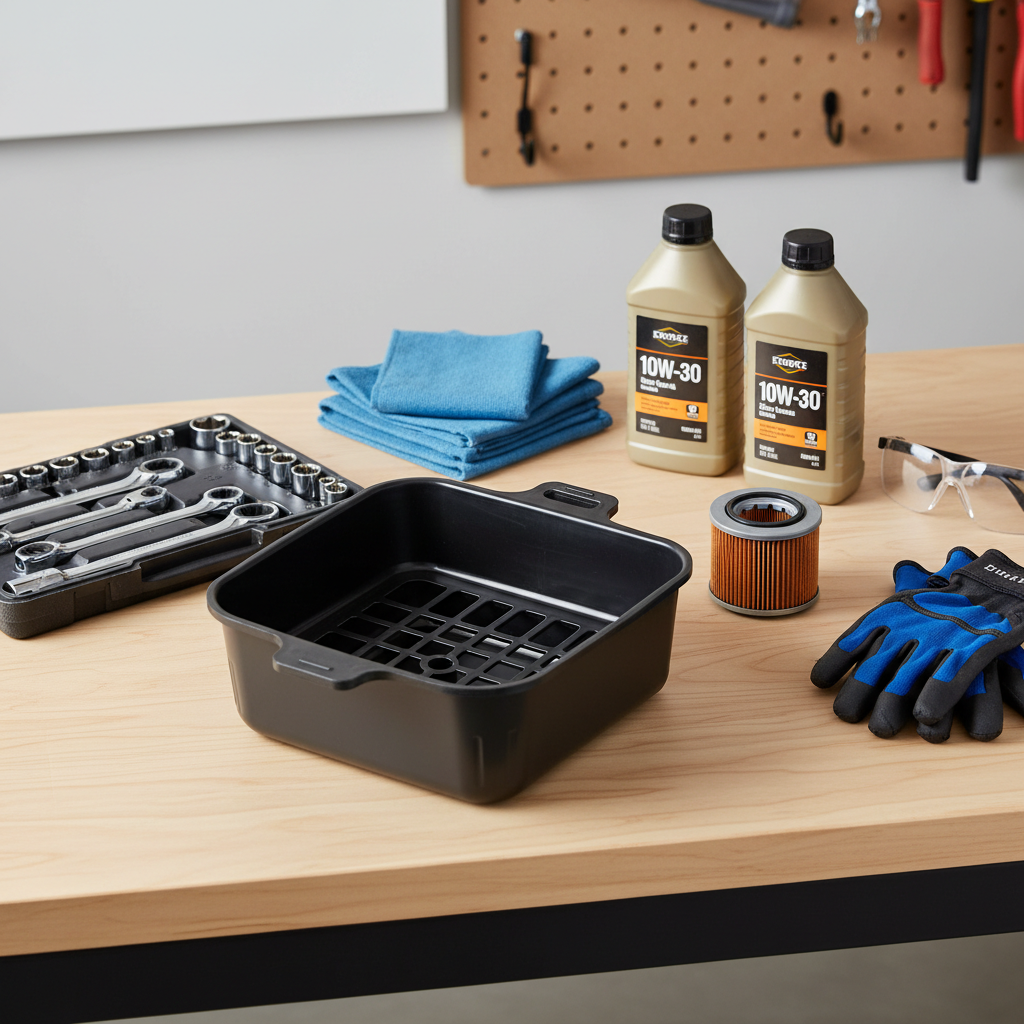
Gathering supplies before you begin prevents interruptions and ensures you can complete the job safely. Here’s what you’ll need for a standard Toro lawn mower oil change:
- Oil drain pan or container — at least 2-3 quarts capacity to catch old oil
- Socket wrench or adjustable wrench — to remove the drain plug (typically 3/8-inch or 1/2-inch)
- New engine oil — the type and viscosity specified in your owner’s manual
- Oil filter wrench — only if your model has a replaceable oil filter
- New oil filter — if your mower is equipped with one
- Rags or shop towels — for cleanup and checking oil levels
- Oil disposal bags or containers — for proper old oil disposal
- Safety glasses and work gloves — to protect yourself from hot oil and sharp edges
- Owner’s manual — specific to your Toro model for exact capacity and specifications
Safety note: Never work on a hot engine. Hot oil can cause severe burns. Always allow the engine to cool for at least 5–10 minutes before draining oil, though it should still be warm enough to flow freely.
Understanding Your Toro Mower: Engine Type Matters
Not all Toro mowers require oil changes. Before proceeding, identify your engine type:
- 4-stroke engines — Have a separate oil reservoir and require regular oil changes. This is the most common type on Toro walk-behind, riding, and zero-turn mowers.
- 2-stroke engines — Oil is mixed directly into the fuel. These do not have traditional oil changes and are less common on modern Toro mowers.
If you’re unsure, check your owner’s manual or look for an oil filler cap labeled “Oil” on top of the engine. If you see “Fuel Only” or a mixed fuel/oil ratio, you have a 2-stroke engine and should skip this process.
Preparing Your Mower for an Oil Change
Proper preparation ensures safe drainage and prevents engine damage.
Step 1: Warm Up the Engine
Start your mower and let it run for 30 seconds to 1 minute. Warm oil flows more freely and drains more completely than cold oil, which means you’ll remove more contaminants and debris. Turn off the engine and allow it to cool for 5–10 minutes—it should be warm but safe to touch.
Step 2: Position the Mower Safely
- Place the mower on a level, flat surface like a garage floor or driveway
- For walk-behind mowers, engage the blade brake or stop mechanism
- For riding or zero-turn mowers, disengage the blades, set the parking brake, and remove the ignition key
- If you need to tip a walk-behind mower to access the drain plug, tip it so the carburetor side is up (not down) to prevent oil from draining into the carburetor
Locating and Draining Old Oil
Step 3: Find the Drain Plug
The location varies by model and mower type:
- Walk-behind mowers: Usually on the bottom of the engine or underneath the mower deck, accessible from below
- Riding mowers: Typically on the side or bottom of the engine; consult your manual for exact location
- Zero-turn mowers: Often beneath the engine, similar to riding mowers
Refer to your owner’s manual or the Toro website (search for your model number) if you cannot locate the drain plug. Most plugs are a bolt or screw, typically 3/8-inch to 1/2-inch in diameter.
Step 4: Remove the Drain Plug
- Position your drain pan directly beneath the drain plug
- Using the appropriate wrench, slowly unscrew the drain plug by turning counterclockwise
- Once loose, carefully finish removing it by hand, keeping your fingers out of the direct drip path
- Allow old oil to drain completely into the pan, which typically takes 3–5 minutes
- Wipe the drain plug and the surrounding area with a clean rag to remove debris
Stuck drain plug? If the plug won’t budge, spray it with penetrating oil (like WD-40) and wait 10 minutes. Apply gentle, steady pressure with the wrench—avoid sudden force, which can round off the plug or wrench. If still stuck, consult your manual or contact a Toro service center.
Replacing the Oil Filter (If Equipped)
Not all Toro lawn mowers have replaceable oil filters. Smaller walk-behind mowers may use a sealed cartridge or no filter at all, while larger riding mowers and zero-turn models typically have spin-on oil filters.
How to Know if Your Mower Has an Oil Filter
- Check your owner’s manual for your model number
- Look for a cylindrical canister on the engine (usually 3–4 inches tall)
- If you don’t see one, your mower likely doesn’t require filter replacement
How to Replace the Oil Filter
If your Toro does have a removable filter, follow these steps:
- Locate the filter — typically on the side of the engine
- Position the drain pan beneath the filter to catch residual oil
- Remove the old filter — use an oil filter wrench to unscrew it by turning counterclockwise. Hand-tighten removal is possible if the filter isn’t too tight.
- Clean the filter housing — wipe the threaded surface where the new filter attaches
- Install the new filter — hand-tighten only; do not use the wrench to install. Tighten until snug, then an additional 3/4 turn
- Check for leaks — run the engine briefly and inspect around the filter for drips
Always replace the filter every time you change oil, or follow the interval in your owner’s manual.
Reinstalling the Drain Plug and Refilling Oil
Step 5: Reinstall the Drain Plug
- Inspect the drain plug for wear or damage; replace if necessary
- Screw the plug back in by hand first to avoid cross-threading
- Tighten with a wrench to secure it, but do not over-tighten (this can strip the threads or crack the plug)
- Wipe away any spilled oil
Step 6: Refill with New Oil
Using the correct oil type and capacity is critical for engine performance and longevity.
Oil Type and Capacity by Common Toro Models
| Mower Type | Common Oil Type | Typical Capacity |
|---|---|---|
| Walk-behind (gas, small engine) | SAE 30 or 10W-30 | 0.6–1.0 quart |
| Walk-behind (larger models) | 10W-30 or 5W-30 | 1.0–1.5 quarts |
| Riding mower (single-cylinder) | 10W-30 | 1.5–2.0 quarts |
| Riding mower (twin-cylinder) | 10W-30 | 2.0–3.0 quarts |
| Zero-turn mower | 10W-30 | 2.0–3.5 quarts |
Always check your specific model’s owner’s manual for exact capacity and oil grade.
- Locate the oil filler cap on top of the engine, typically marked “Oil” with an oil can symbol
- Remove the cap and inspect the dipstick (attached to the cap) for the current oil level
- Slowly pour new oil into the filler hole, checking the level frequently with the dipstick
- Fill until the oil reaches the “full” mark on the dipstick
- Reinstall the filler cap and dipstick securely
- Wipe away any spilled oil with a rag
Step 7: Check Oil Level and Run the Engine
- Start the engine and let it run for 30 seconds
- Turn off the engine and wait 2–3 minutes for oil to settle
- Remove the dipstick, wipe it clean, reinsert it fully, and remove it again to check the level
- The oil should be at the full mark; if low, add a small amount and recheck
- Replace the oil filler cap
Warning: Do not overfill. Excess oil can damage the engine, cause smoking, or result in poor performance. If you accidentally overfill, drain the excess back into your oil container.
Model-Specific Variations
Walk-Behind Mowers
Walk-behind mowers have the simplest oil change process. Most use small single-cylinder engines with minimal filtration. Capacity is typically 0.6–1.5 quarts. If you need to tip the mower to access the drain plug, tilt it carburetor-side up to prevent oil from entering the carburetor, which would cause starting problems.
Riding Mowers and Zero-Turn Mowers
Larger mowers with twin-cylinder or multicylinder engines require more oil (2–3.5 quarts) and often have spin-on oil filters. The process is the same, but allow extra time for oil to drain due to larger capacity. Check your manual for the exact oil filter type and torque specifications for the drain plug.
2-Stroke Engines (Rare)
If your Toro has a 2-stroke engine, do not attempt an oil change. Instead, mix fuel with the recommended oil ratio (typically 50:1) as specified in your manual. These engines are uncommon on modern Toro mowers but may appear on older models or certain specialty equipment.
Disposing of Old Oil Properly
Used motor oil is an environmental contaminant and must be disposed of responsibly. Do not pour it down the drain, into the ground, or into the trash.
- Take it to a local recycling center — most accept used motor oil for free
- Ask an automotive repair shop — many accept used oil from DIY maintenance (sometimes for a small fee)
- Check with your city or county — hazardous waste collection events often accept used oil
- Use oil disposal bags — specially designed bags allow you to seal old oil for trash disposal in some areas (check local regulations)
Troubleshooting Common Issues
The Engine Won’t Start After an Oil Change
- Check oil level: Low oil can prevent starting. Add oil to the full mark and try again.
- Check for overfill: Excess oil can foul the spark plug or clog the carburetor. Drain excess oil and recheck the level.
- Verify you didn’t tip the mower incorrectly: If oil entered the carburetor, the engine may need to dry out or the carburetor may require cleaning. Consult a professional if this persists.
Oil Is Leaking After Drain Plug Reinstallation
- The drain plug may not be tight enough. Use a wrench to snug it (but do not over-tighten).
- The drain plug threads may be stripped. If tightening doesn’t stop the leak, you may need a replacement plug or professional thread repair.
- Check that you fully removed the old drain plug before reinstalling it.
Oil Filter Won’t Come Off
- Spray penetrating oil around the filter base and wait 10 minutes.
- Use an oil filter wrench for better leverage; turn slowly and steadily.
- Ensure you’re turning counterclockwise.
- If still stuck after multiple attempts, contact a Toro service center to avoid damage.
You Don’t Know Your Model’s Oil Type or Capacity
- Find your model number on the mower’s frame or engine and visit the Toro website to download the owner’s manual.
- Call Toro customer service at 1-888-384-8760 (or consult their website for current contact info).
- Visit an authorized Toro dealer for manual copies or direct assistance.
How Often Should You Change Oil?
Oil change intervals depend on your mower’s usage and engine hours:
- First oil change: After the first 5 hours of operation (for new mowers)
- Regular intervals: Every 50–100 hours of operation, or at least once per season
- Commercial use: Every 25–50 hours or more frequently, depending on conditions
Consult your owner’s manual for your specific model’s recommended interval.
Frequently Asked Questions
Can I use synthetic oil in my Toro lawn mower?
Yes, synthetic oil (like 5W-30 or 10W-30 synthetic) can be used if it meets the viscosity and API certification specified in your owner’s manual. Synthetic oils offer better performance in extreme temperatures and longer intervals between changes. However, always verify with your manual to ensure compatibility. Some older Toro engines may not be certified for synthetic oil.
What if I don’t have an owner’s manual for my Toro?
Visit the Toro website and enter your model number (found on the mower frame) to download the manual. Alternatively, contact Toro customer service, visit an authorized dealer, or search online retailers like Amazon or eBay, which often sell printed manuals for older models.
Do I need to change the oil if my mower sits unused for a season?
If your mower hasn’t run for an extended period, you should change the oil before starting it again, especially if it was stored indoors where condensation may have accumulated. Old, contaminated oil can damage the engine. It’s good practice to change oil annually at the start of the mowing season.
How do I know if I overfilled the oil?
Signs of overfill include white smoke from the engine during operation, oil seeping from the breather or drain plug area, difficulty starting, or a burning oil smell. If you suspect overfill, turn off the engine immediately, allow it to cool, and drain excess oil back into a container until the dipstick shows the correct level.