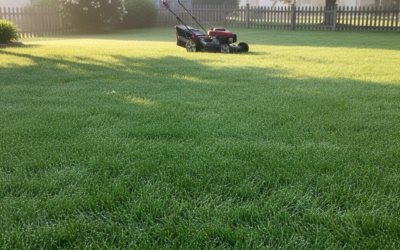
Best Time to Mow Your Lawn: The Direct Answer
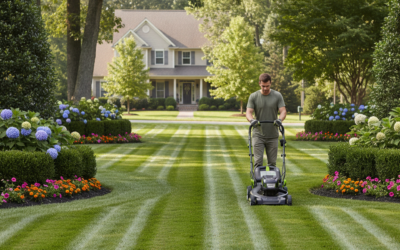
Mow your lawn between 8–10 a.m. and 2–3 p.m. This window allows morning dew to evaporate, reducing fungal disease risk, while avoiding the hottest part of the day that stresses grass. Always verify your local noise ordinances and HOA rules, as many communities restrict mowing to specific daylight hours (typically 7 or 8 a.m. to 5 or 6 p.m.). The ideal time balances grass health with community compliance.
Why Timing Matters When Mowing Your Lawn
Choosing the right time to mow isn’t just about convenience—it directly affects grass health, recovery, and your relationship with neighbors. Mowing at the wrong time can expose your lawn to fungal diseases, heat stress, and uneven cutting. Additionally, local noise ordinances and HOA regulations restrict when you legally can operate a mower in residential areas.
How Mowing Time Affects Grass Health and Recovery
Grass is a living plant that needs optimal conditions to recover from cutting stress. When you mow during unfavorable conditions—such as when the grass is wet, during extreme heat, or when disease pressure is high—the plant struggles to heal the cut blades. This weakens the lawn, makes it more susceptible to pests and disease, and can result in browning or patchy growth. Mowing at the right time allows grass to recover quickly and maintain a thick, healthy appearance.
The Role of Morning Dew in Lawn Mowing
Morning dew is moisture that collects on grass blades overnight. While it may seem harmless, wet grass creates ideal conditions for fungal diseases like leaf spot, rust, and powdery mildew. When you cut wet grass, you spread disease spores across the lawn and create open wounds on the blades that are vulnerable to infection. Waiting until dew evaporates—typically by late morning—significantly reduces disease risk.
Heat as a Factor in Mowing Decisions
Mowing during peak afternoon heat (typically 2–4 p.m. and beyond) stresses grass plants. The combination of cutting stress and extreme heat can cause the grass to brown, wilt, or enter dormancy prematurely. By mowing before the hottest part of the day, you give the grass time to recover during cooler evening hours, promoting faster healing and reducing heat stress.
The Ideal Mowing Window: Late Morning to Early Afternoon
The late morning to early afternoon window (8–10 a.m. to 2–3 p.m.) represents the sweet spot for lawn health. This timeframe balances multiple factors: dew has dried, temperatures are warm but not extreme, and the grass has the entire afternoon and evening to recover before nightfall.
When Should Dew Have Dried Before Mowing?
Morning dew typically evaporates between 8 and 10 a.m., depending on temperature, humidity, and cloud cover. On cooler or more humid mornings, dew may persist longer. A simple test: walk through your lawn—if your shoes get wet, wait longer. If the grass blades are dry to the touch, it’s safe to mow. This usually coincides with late morning, once the sun has warmed the air and evaporated surface moisture.
Why Late Morning to Early Afternoon Is the Sweet Spot
This window offers several advantages:
- Dew has evaporated: Fungal disease risk is minimized.
- Temperatures are moderate: Not cold enough to stress the grass, but not yet at peak heat.
- Grass is dry and firm: The mower cuts cleanly, and clippings don’t clump.
- Recovery time: The grass has the entire afternoon to recover before cooler evening temperatures.
- Noise compliance: Most noise ordinances permit mowing during these hours.
What Happens If You Mow During Peak Afternoon Heat?
Mowing after 3 p.m., especially during summer, exposes freshly cut grass to extreme heat stress. The plant’s water loss accelerates, and the grass may wilt or brown. Additionally, cutting stress combined with heat can trigger dormancy, causing the lawn to thin or develop bare patches. Mowing earlier in the afternoon ensures the grass recovers during cooler evening hours.
Times to Avoid Mowing Your Lawn
Just as important as knowing when to mow is understanding when not to mow. Avoiding these times protects your grass and prevents lawn damage.
Why You Should Avoid Early Morning Mowing
Mowing before 8 a.m. is problematic for several reasons:
- Dew is still present: Wet grass blades are vulnerable to fungal infections when cut.
- Disease spore spread: Mowing wet grass spreads disease spores across the lawn.
- Clumping and uneven cuts: Wet grass doesn’t cut cleanly and clumps in the mower deck.
- Mower damage: Wet grass is heavier and puts extra strain on the mower engine.
- Noise complaints: Many noise ordinances prohibit mowing before 7 or 8 a.m.
The Risks of Evening Mowing
Mowing after 4 or 5 p.m. creates a different set of problems:
- Overnight disease pressure: Freshly cut grass is vulnerable to fungal diseases overnight, especially if evening dew forms.
- Reduced recovery time: The grass has only a few hours to begin healing before nightfall and cooler temperatures.
- Noise ordinance violations: Many communities restrict mowing to end by 5 or 6 p.m.
- Stress accumulation: Evening mowing combined with overnight moisture creates ideal conditions for disease.
Can You Mow Wet Grass, and What Are the Consequences?
Technically, you can mow wet grass, but it’s not recommended. Consequences include:
- Clumping: Wet clippings stick to the mower deck and lawn, creating unsightly clumps that smother grass underneath.
- Uneven cuts: Wet grass bends and doesn’t cut cleanly, resulting in ragged blade edges.
- Fungal disease: Wet grass and open wounds create perfect conditions for disease spores.
- Mower damage: Excess moisture can corrode the mower deck and engine components.
- Soil compaction: Walking or driving a mower over wet soil compacts it, damaging root systems.
Local Noise Ordinances and Mowing Hours
Beyond grass health, local regulations dictate when you legally can mow. Noise ordinances are designed to protect residents from excessive noise during early morning and late evening hours.
Typical Noise Ordinance Restrictions
Most municipalities permit lawn mowing between 7 or 8 a.m. and 5 or 6 p.m. on weekdays, with more restrictive hours on weekends and holidays. Some areas allow mowing until 9 or 10 p.m., while others are stricter. Violations can result in fines ranging from $50 to several hundred dollars.
How HOA Rules Affect Mowing Times
Homeowners Associations (HOAs) often impose stricter rules than local ordinances. Common HOA restrictions include:
- Mowing only between 9 a.m. and 5 p.m.
- No mowing on weekends or holidays.
- Specific days designated for community mowing (e.g., Saturdays only).
- Restrictions on mower type (e.g., no commercial-grade equipment).
Where to Find Your Local Mowing Time Restrictions
Check these resources:
- City or county website: Search “noise ordinance” or “lawn maintenance regulations.”
- HOA documentation: Review your CC&Rs (Covenants, Conditions & Restrictions) or community handbook.
- Local police non-emergency line: Call to ask about mowing hour restrictions.
- Neighborhood social media groups: Ask neighbors about unwritten community norms.
Step-by-Step: Planning Your Mowing Schedule
Use this process to determine the best mowing time for your specific situation:
Step 1: Check Local Noise Ordinances
Before establishing your mowing routine, verify your city’s noise ordinance restrictions. This sets your legal window. For example, if your city allows mowing from 8 a.m. to 6 p.m., you know you cannot mow outside this window regardless of grass health considerations.
Step 2: Review HOA Rules (If Applicable)
If you live in an HOA community, check your CC&Rs or contact your HOA office for specific mowing restrictions. HOA rules often supersede city ordinances and may be more restrictive.
Step 3: Assess Weather and Dew Conditions
On your planned mowing day, check:
- Morning dew: Walk through the lawn at 8 a.m. If grass is wet, wait until 9 or 10 a.m.
- Temperature forecast: Avoid mowing if peak afternoon temperature will exceed 85–90°F.
- Humidity: High humidity delays dew evaporation; allow extra time.
- Recent rainfall: If it rained overnight, wait at least 24 hours for soil to dry.
Step 4: Choose Your Mowing Window
Select a time that satisfies three conditions:
- Legal: Within your local noise ordinance and HOA rules.
- Biological: After dew dries but before peak afternoon heat (8–10 a.m. to 2–3 p.m.).
- Practical: When you have time to complete the task without rushing.
For most homeowners, Saturday or Sunday mornings between 9 and 11 a.m. strikes the best balance.
Step 5: Establish a Consistent Schedule
Mow on the same day and time each week (or every 10 days, depending on grass growth). Consistency helps you avoid wet grass and ensures your lawn receives regular, predictable maintenance.
Seasonal Adjustments to Mowing Times
Mowing times may shift slightly with the seasons due to changes in daylight, temperature, and grass growth rates.
Spring Mowing Times
Spring grass grows rapidly as temperatures warm. Mow between 9 a.m. and 2 p.m. Dew typically evaporates by 8–9 a.m., and afternoon temperatures are moderate. You may need to mow weekly or every 10 days during peak spring growth.
Summer Mowing Times
Summer heat is the primary concern. Mow earlier in the day—between 8 and 11 a.m.—to avoid peak afternoon heat stress. If your area experiences extreme heat (above 90°F), consider mowing every 10–14 days to reduce stress frequency. Avoid mowing after 2 p.m. during summer.
Fall Mowing Times
Fall is ideal for mowing. Cool temperatures and moderate moisture reduce stress. Mow between 9 a.m. and 3 p.m. Continue mowing until grass stops growing (typically November in northern regions).
Winter Mowing Times
In northern climates, grass goes dormant in winter and requires no mowing. In southern regions with winter grass growth, mow between 10 a.m. and 2 p.m. when dew has dried and temperatures are warmest.
Daylight Saving Time Adjustments
When clocks change, adjust your mowing time accordingly. For example, if you typically mow at 9 a.m. and daylight saving time begins, you might shift to 10 a.m. to account for the earlier sunrise.
Drought and Excessive Rain Considerations
During drought: Mow less frequently and earlier in the day to minimize stress. Avoid mowing if grass is dormant or brown.
During excessive rain: Wait 24–48 hours after rain for soil to dry before mowing. Mowing wet soil causes compaction, which damages roots.
Frequently Asked Questions
Can I mow my lawn at 7 a.m.?
Technically, 7 a.m. may fall within your local noise ordinance window, but it’s not ideal for grass health. Morning dew typically hasn’t fully evaporated by 7 a.m., increasing fungal disease risk. Wait until 8–9 a.m. when dew has dried. If your ordinance allows 7 a.m. mowing, check local norms—neighbors may view it as early and inconsiderate.
Is it okay to mow at 3 p.m.?
Mowing at 3 p.m. is acceptable in spring and fall when temperatures are moderate, but risky in summer. If afternoon temperatures will exceed 85°F, mow earlier (8–11 a.m.) to avoid heat stress. In cooler seasons, 3 p.m. is within the acceptable window.
What if I can only mow in the evening?
If evening is your only option, mow as early as possible—between 4 and 5 p.m.—to give the grass some recovery time before nightfall. Avoid mowing after 5 p.m. if your ordinance permits, as disease risk increases overnight. Consider adjusting your schedule to mow on a weekend morning if possible.
How often should I mow, and does timing affect frequency?
Mow when grass reaches about one-third taller than your desired height (typically every 7–10 days during growing season). Timing doesn’t affect frequency, but consistent scheduling helps prevent dew and heat stress. Regular mowing on the same day and time is easier on grass than irregular, sporadic mowing.
Key Takeaways
- Optimal mowing time: 8–10 a.m. to 2–3 p.m., after dew dries and before peak heat.
- Avoid early morning (before 8 a.m.): Dew increases disease risk and creates uneven cuts.
- Avoid evening (after 5 p.m.): Grass doesn’t recover before nightfall; disease pressure increases.
- Check local ordinances: Noise restrictions typically allow mowing 7–8 a.m. to 5–6 p.m.
- Verify HOA rules: Community rules may be stricter than city ordinances.
- Adjust seasonally: Mow earlier in summer to avoid heat stress; more flexibility in spring and fall.
- Never mow wet grass: Wait for dew to evaporate and soil to dry after rain.