Direct Answer: Typical Chainsaw Weight Ranges
A standard chainsaw weighs between 6 to 15 pounds (2.7 to 6.8 kg). Electric and battery-powered models typically range from 6 to 10 pounds, while gas-powered chainsaws generally weigh 10 to 15 pounds, with professional-grade models often exceeding this range.
Why Chainsaw Weight Matters
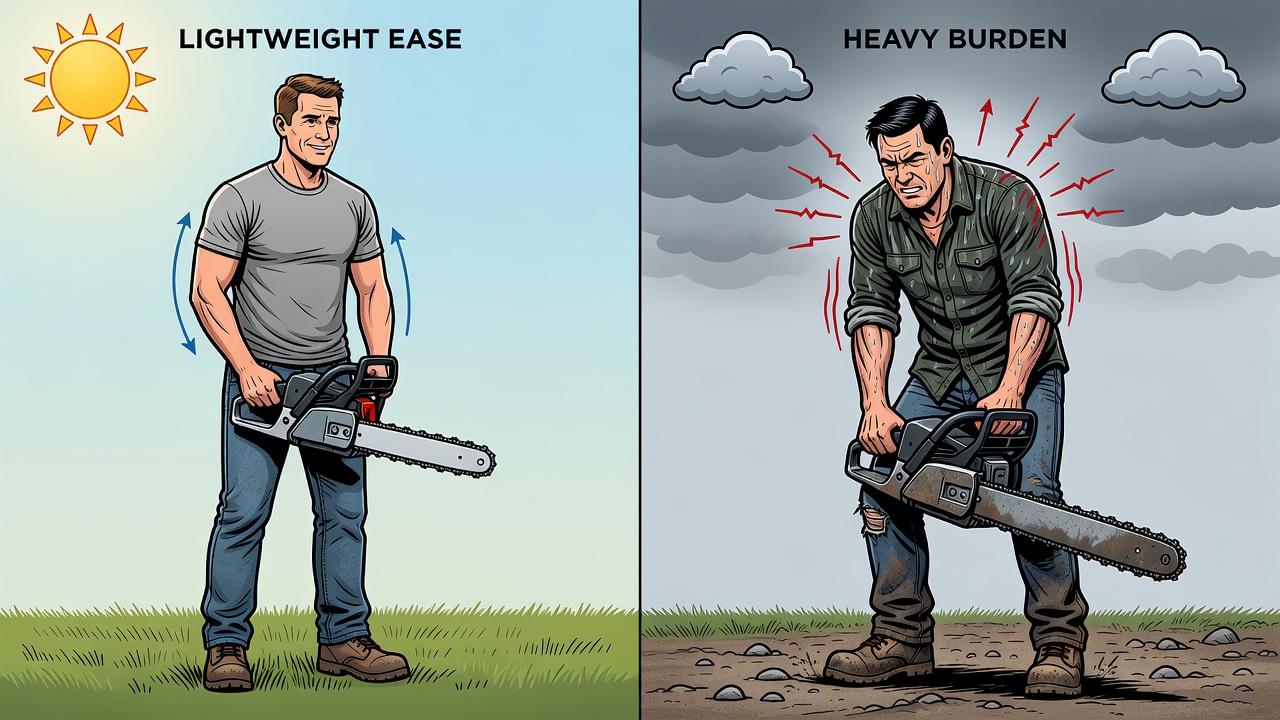
Weight is one of the most important factors in chainsaw selection because it directly impacts:
- User fatigue — Lighter saws reduce arm and shoulder strain during extended use
- Control and precision — Heavier saws can be harder to maneuver, especially overhead
- Portability — Weight affects how easily you transport and store the tool
- Safety — Lighter chainsaws are generally easier to handle safely, reducing accident risk
Understanding the difference between dry weight (the chainsaw alone) and operating weight (including fuel, oil, and bar) is essential. Operating weight is typically 1-2 pounds heavier than dry weight.
Weight Ranges by Chainsaw Type
Electric Corded Chainsaws
Electric corded chainsaws are the lightest option, typically weighing 6 to 9 pounds (2.7 to 4.1 kg). These models are ideal for homeowners tackling light to moderate tasks like trimming branches and cutting firewood. The lightweight design makes them accessible for users with limited upper body strength. The main trade-off is the cord, which limits mobility to the length of your extension cord.
Battery-Powered (Cordless) Chainsaws
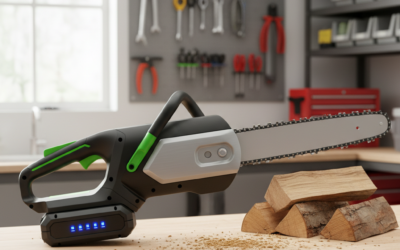
Cordless chainsaws powered by rechargeable batteries generally weigh 7 to 11 pounds (3.2 to 5 kg), including the battery pack. Battery weight varies significantly based on voltage and capacity. A compact 20V system will be lighter than a 60V professional-grade setup. Cordless models offer the convenience of no gas mixing, low maintenance, and quiet operation, making them increasingly popular for residential use.
Gas-Powered Chainsaws
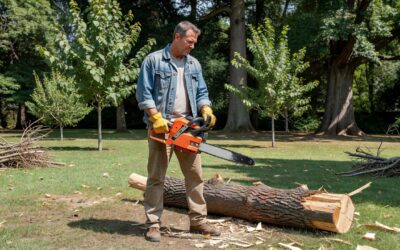
Gas chainsaws are the heaviest category, typically weighing 10 to 15 pounds (4.5 to 6.8 kg) for standard homeowner models. Professional-grade gas chainsaws can exceed 20 pounds (9 kg), especially larger displacement models designed for logging and heavy-duty work. The extra weight comes from the engine, carburetor, fuel tank, and cooling systems required to deliver greater cutting power.
Key Factors That Influence Chainsaw Weight
Bar Length
Bar length is one of the most significant weight factors. A shorter 10-inch bar is considerably lighter than a 20-inch bar because of the additional metal, chain, and structural support required. For every 2-3 inches of bar length added, expect 1-2 pounds of additional weight. Homeowners rarely need bars longer than 14-16 inches, while professionals may use 18-24 inch bars for felling and bucking.
Engine Size and Motor Power
For gas models, engine displacement (measured in cubic centimeters, or cc) directly correlates with weight. A 30cc engine weighs significantly less than a 50cc or 60cc engine. Likewise, electric motor power (measured in amps for corded models and volts for batteries) influences weight. Higher-powered motors and larger displacement engines require heavier components like thicker crankcases, larger fuel tanks, and reinforced frames.
Materials and Construction
Modern chainsaws use various materials to balance weight and durability. Magnesium alloy housings are lighter than aluminum, while plastic components reduce weight further. Professional-grade chainsaws often prioritize durability over weight, using thicker metal construction. Budget models may use lighter plastic to keep costs down, but this can affect longevity in heavy use.
Fuel Tank Size
Larger fuel tanks add weight. A gas chainsaw with a 0.5-liter tank will be lighter than one with a 0.8-liter tank, though the difference is modest (roughly 1 pound per additional 0.3 liters of capacity).
Weight Classes: Finding the Right Fit
Lightweight Chainsaws (Under 8 Pounds)
These are ideal for homeowners with light cutting tasks, including branch trimming, pruning, and small firewood projects. Lightweight models are easier to control, reduce fatigue, and are suitable for users with less upper body strength or those over 60. Most electric corded models and some battery-powered compact models fall into this category.
Medium-Weight Chainsaws (8-12 Pounds)
This is the sweet spot for most homeowners and semi-professional users. Medium-weight chainsaws offer a balance of power and control, suitable for regular firewood cutting, general tree maintenance, and occasional storm cleanup. Most battery-powered premium models and entry-level gas chainsaws land here.
Heavy-Duty Chainsaws (Over 12 Pounds)
Professional-grade chainsaws exceeding 12 pounds are built for demanding tasks like felling large trees, bucking logs, and commercial landscaping. These models have more powerful engines (typically 50cc+), larger bars (18 inches or more), and reinforced construction. They’re intended for experienced users and warrant proper safety training and protective equipment.
How to Assess Weight When Shopping
- Test in person — Visit a dealer and hold different models. A chainsaw that feels manageable in your hands is easier and safer to operate
- Check specifications — Always confirm dry weight; operating weight with fuel varies by model
- Consider your typical tasks — Light homeowner use rarely justifies the extra weight and cost of professional models
- Think about overhead work — If you’ll be cutting limbs above shoulder height, prioritize lighter models (under 10 pounds)
- Account for battery weight — For cordless models, factor in the battery pack weight as part of the total
Frequently Asked Questions
What is the lightest chainsaw available?
The lightest chainsaws are electric corded models, with some weighing as little as 5-6 pounds. Compact battery-powered models with small bars can also weigh around 6-7 pounds. These ultra-light saws are ideal for light pruning and branch trimming but typically have shorter bars and less cutting capacity than medium-weight models.
Can a lighter chainsaw cut as well as a heavier one?
Not necessarily. While a lightweight chainsaw is excellent for light to moderate tasks, heavier gas-powered models deliver more power due to larger engines. A light electric chainsaw can cut through small to medium branches efficiently, but a professional 50cc gas model will outperform it on thick logs or hardwood. Choose weight class based on your actual cutting needs rather than power alone.
How much does a chainsaw weigh with fuel and oil?
A gas chainsaw with fuel and oil typically weighs 1-2 pounds more than its dry weight. For example, a 12-pound dry chainsaw might weigh 13-14 pounds when fully fueled and oiled. Electric corded saws have no fuel, and battery weight is already factored into specifications, though you may add weight if carrying an extra battery pack.
Is a heavier chainsaw safer than a lighter one?
Weight alone doesn’t determine safety. A chainsaw that’s too heavy for you to control confidently poses a safety risk. Conversely, an underpowered lightweight saw that stalls or binds can also be dangerous. The safest chainsaw is one you can handle comfortably with proper technique, the correct size for your tasks, and one you operate with full protective gear and attention.