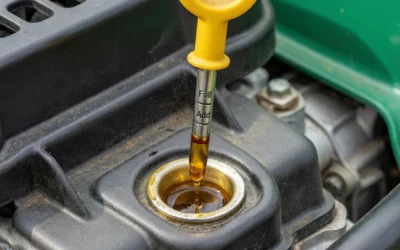
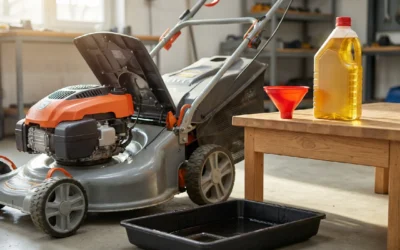
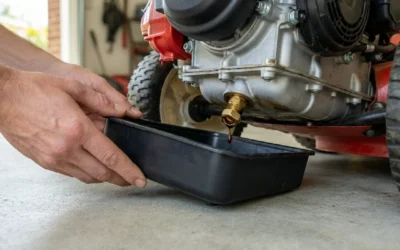
To change the oil in a Husqvarna lawn mower, first run the engine for a few minutes to warm and thin the oil, then turn it off and disconnect the spark plug wire for safety. Position the mower on a level surface, place an oil pan underneath, and drain the old oil either through the drain plug or an oil extraction tube, depending on your model. If your mower has an oil filter, replace it while the oil is drained. Refill the engine with the recommended oil grade and quantity—commonly SAE 10W-30 or 5W-30, with the exact capacity listed in your owner’s manual—then check the dipstick to confirm the level. Finally, dispose of the used oil at a recycling center or auto parts store. Note that walk-behind and riding Husqvarna mowers differ in drain plug location and oil capacity, so always consult your owner’s manual for model-specific details.
Why Changing Your Husqvarna Mower’s Oil Matters
Regular oil changes are essential for maintaining your Husqvarna lawn mower’s engine health and performance. Clean oil lubricates engine components, reduces friction, and prevents premature wear. Over time, oil breaks down from heat and use, losing its protective properties and allowing dirt and debris to accumulate. Neglecting oil changes can lead to sluggish performance, hard starting, reduced fuel efficiency, and eventually engine damage requiring costly repairs or replacement.
Most manufacturers recommend changing your Husqvarna mower’s oil every 50 operating hours or once per season, whichever comes first. If you use your mower frequently during peak cutting season, you may need to change the oil more often. Consulting your owner’s manual ensures you follow the maintenance schedule specific to your model, which helps keep your warranty valid and your engine running smoothly for years to come.
What You’ll Need Before You Start
Gather the necessary tools and materials before beginning your oil change. You’ll need an appropriately sized wrench or socket to access the drain plug, an oil pan to catch the old oil, a funnel to pour new oil safely into the engine, and absorbent rags or towels for cleanup. If your model has an oil filter, have a filter wrench or strap wrench available to remove and install the new filter.
For materials, you’ll need fresh oil in the type and grade specified in your owner’s manual—typically SAE 10W-30 or 5W-30 for most Husqvarna models. If your mower has an oil filter, purchase the correct replacement filter part number. You’ll also want safety gear including work gloves and safety glasses to protect your eyes and hands from hot oil and spills. Ensure you have a safe disposal plan for the used oil, such as a local recycling center or auto parts store that accepts waste oil.
Step-by-Step: How to Drain the Old Oil
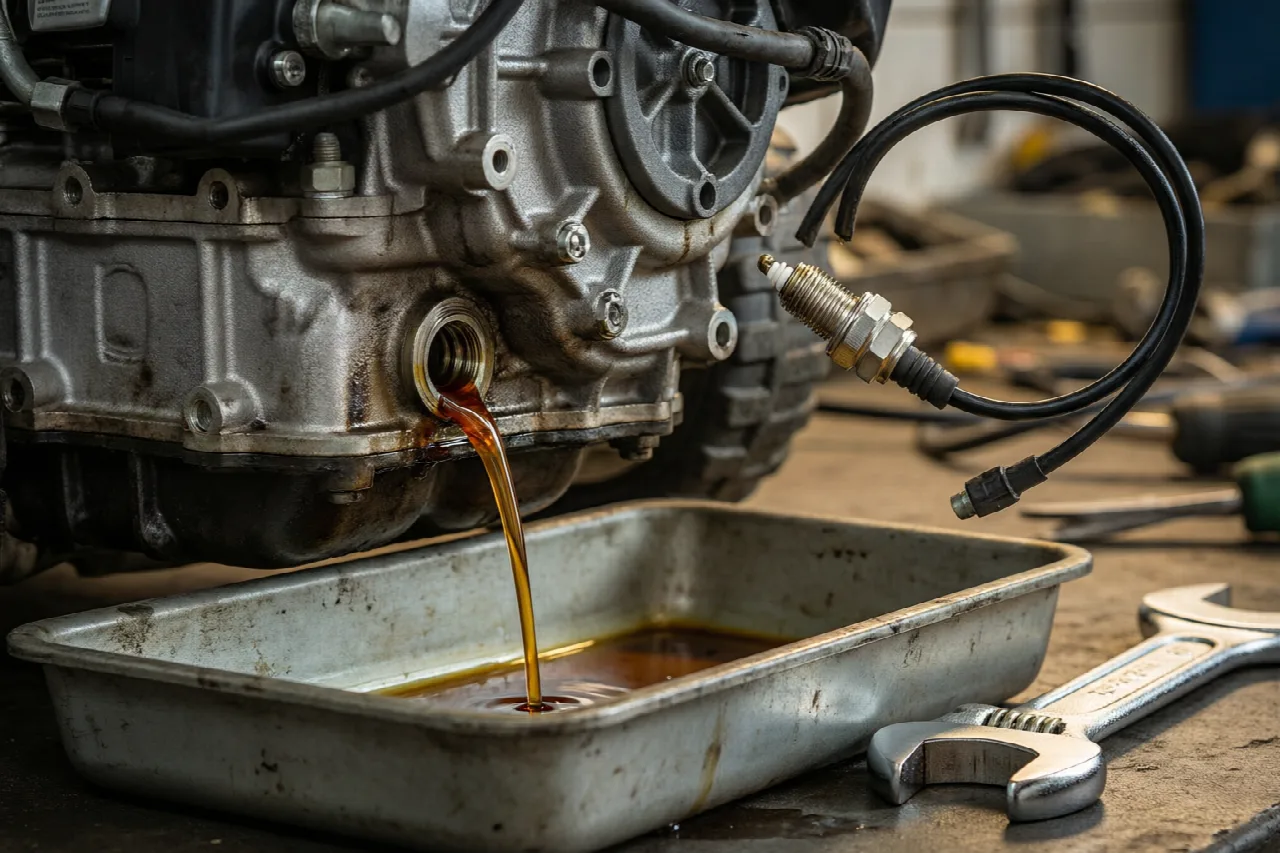
Begin by running your Husqvarna mower’s engine for two to three minutes to warm the oil. Warm oil flows more easily and carries away more contaminants than cold oil. After warming, turn off the engine and disconnect the spark plug wire by twisting and pulling it away from the spark plug. This critical safety step prevents accidental starting while you work on the mower.
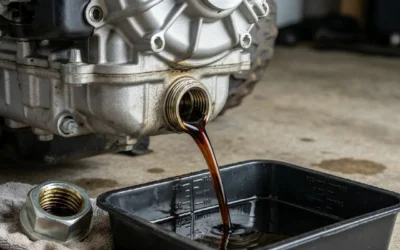
Place your mower on a level, flat surface. Position an oil pan directly underneath the drain plug location on your engine. If your model uses a drain plug, locate it on the underside of the engine block, position your wrench on the plug, and turn it counterclockwise slowly to break it loose. Once loose, carefully unscrew it by hand and set it aside in a safe place. Allow the old oil to drain completely into the pan, which may take several minutes. Some Husqvarna models, particularly smaller push mowers, may not have a drain plug. For these mowers, you can carefully tilt the mower so the engine side leans toward your oil pan, allowing oil to flow out through the filler tube opening—consult your manual for the correct tilt direction.
Replacing the Oil Filter (If Applicable)
Not all Husqvarna lawn mower models include an oil filter. Check your owner’s manual or inspect the engine for a cylindrical filter cartridge. If your model has an oil filter, replace it during every oil change for optimal engine protection. Using a filter wrench or strap wrench, carefully loosen the filter by turning it counterclockwise. Once loose, unscrew it by hand and allow any remaining oil to drain into your pan. Wipe the filter mounting surface on the engine with a clean rag to remove any dirt or old gasket material.
Apply a thin layer of fresh oil to the rubber gasket on the new filter, then hand-screw it onto the engine until the gasket contacts the mounting surface. Turn the filter an additional three-quarter turn to secure it firmly. Do not over-tighten, as this can damage the gasket and cause leaks. If you’re unsure whether your specific model has a filter or need the exact part number, contact your local Husqvarna dealer or check the documentation that came with your mower.
Refilling with Fresh Oil and Checking the Dipstick
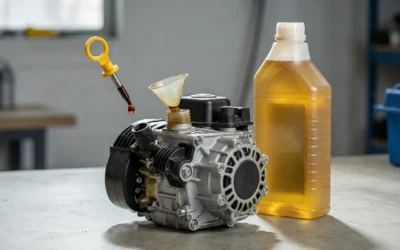
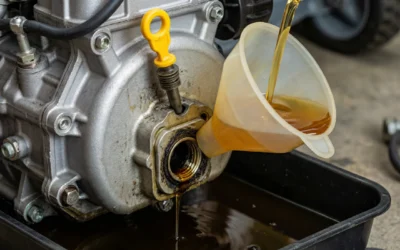
Before refilling, reinstall the drain plug if you removed one. Hand-screw it into the drain hole until snug, then use your wrench to tighten it firmly—do not over-torque, as this can strip the threads. Position your funnel in the oil filler opening on top of the engine and slowly pour in the recommended amount of fresh oil. Your owner’s manual specifies the exact capacity; most walk-behind Husqvarna models require 0.5 to 1.5 quarts, while riding mowers typically need 1.5 to 2.5 quarts.
Once you’ve added the approximate amount, wait a minute for the oil to settle, then remove the dipstick, wipe it clean with a rag, reinsert it fully, and pull it out again to read the level. The oil should reach the full mark on the dipstick. If it’s below, add a small amount more and recheck. Overfilling can cause engine damage, so pour carefully and verify multiple times. Once the level is correct, reinstall the dipstick or filler cap, wipe away any spills, and reconnect the spark plug wire by pushing it firmly onto the spark plug terminal until it clicks or seats.
Differences Between Walk-Behind and Riding Husqvarna Mowers
While the oil change process is similar across Husqvarna models, walk-behind and riding mowers have notable differences you should understand. On walk-behind push mowers, the drain plug is typically located on the side or bottom of the engine block and is easily accessible. These mowers usually hold less oil—often 0.5 to 1 quart—and may not have an oil filter. Some walk-behind models lack a drain plug entirely, requiring you to tilt the mower to drain the oil, which is why checking your manual is critical.
Riding mowers, by contrast, generally have larger engines with greater oil capacity, often 1.5 to 2.5 quarts or more depending on the model. The drain plug on a riding mower may be located under the engine deck, sometimes requiring you to access it from below the mower or from the side. Many riding mowers include an oil filter, which is not always present on walk-behind models. Additionally, riding mower oil capacity and filter part numbers vary significantly by engine type, so consulting your owner’s manual is especially important before starting your oil change.
Proper Disposal of Used Oil
Never pour used engine oil down a drain, onto the ground, or into a storm sewer. Used oil is a hazardous waste that can contaminate soil and water supplies. Fortunately, responsible disposal is straightforward. Store your used oil in a sealed, clearly labeled container away from children and pets. Many auto parts retailers, quick-lube shops, and municipal recycling centers accept used motor oil at no charge or for a small fee. Some areas offer seasonal collection events specifically for hazardous household waste, including used oil. Contact your local waste management department to find the nearest disposal location.
If you’ve collected oil from multiple oil changes, ensure your storage container is secure and protected from weather. Never mix used oil with other liquids, as this makes recycling more difficult. By disposing of your used oil responsibly, you protect the environment and help conserve a valuable resource—used oil is refined and reused in many applications, from hydraulic fluids to industrial lubricants.
Troubleshooting Common Oil Change Issues
If you notice oil leaking from your mower after an oil change, check your drain plug first. Ensure it’s tight but not over-torqued, as over-tightening can crack the engine block and cause leaks. If the plug feels tight and leaking continues, the threads may be damaged and require professional repair. Similarly, if you installed an oil filter, verify it’s hand-tight plus three-quarter turn. A leaking filter usually means it’s not sealed properly; remove it and check that the mounting surface is clean before reinstalling with fresh oil on the gasket.
Overfilled oil often results in smoking or fouled spark plugs. If this happens, let the engine cool, place an oil pan underneath, and carefully unscrew the drain plug to remove excess oil until the dipstick reads full. If you cannot find your mower’s drain plug and suspect it doesn’t have one, consult your owner’s manual or contact a Husqvarna dealer before attempting to tilt or disassemble the engine. Difficulty locating the drain plug is usually resolved by checking the manual or examining the engine block carefully for any accessible openings with a threaded cap.
Frequently Asked Questions
Can I use synthetic oil in my Husqvarna mower? Consult your owner’s manual before using synthetic oil. While some modern Husqvarna models can use synthetic oil (such as SAE 5W-30 synthetic), older models may require conventional mineral oil. Using the wrong oil type can affect performance and warranty coverage, so always verify with your manual.
Do I need to change the oil filter every time I change the oil? Yes, if your mower has an oil filter, replace it every time you perform an oil change. The filter removes contaminants, and a dirty filter reduces its effectiveness. Replacing it regularly ensures your fresh oil remains clean.
How often should I check my oil between changes? For lawn mowers used regularly, check the oil level weekly or before each use. This helps catch leaks or oil loss early and prevents engine damage from running on insufficient oil.
What should I do if my mower has no drain plug? Some Husqvarna models are designed to drain by tilting. Your owner’s manual specifies the correct tilt direction (typically carburetor side up) and any precautions to take. Never guess the direction, as tilting incorrectly can flood the carburetor or damage the engine.