

Quick Answer: Should You Use Premium Gas in a Lawn Mower?
No, small four-stroke lawn mower engines do not benefit from high-octane premium gasoline. Mowers are engineered to operate on standard 87 octane regular fuel. What truly matters for small engine health is avoiding ethanol: using ethanol-free gasoline (often sold as Rec-90 or canned fuel) prevents fuel system corrosion, carburetor gumming, and hard-starting issues.

Pros
- Phase separation inhibitor listed in features
- Helps bond 2-cycle oil to gasoline-ethanol mix
- Rubber and plastic protection listed
- Upper cylinder lubrication listed
Cons
- Antioxidant and detergent claims are manufacturer-stated only
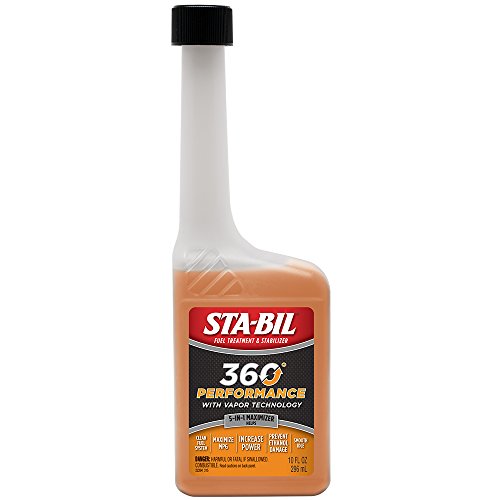
Pros
- Product name identifies it as an ethanol fuel treatment
Cons
- Feature bullets and usage directions are missing from the listing
What Octane Actually Means for Small Engines
There is a widespread misconception that premium 91 or 93 octane fuel contains extra energy, burns cleaner, or generates higher horsepower than 87 octane fuel. In reality, octane rating measures only a fuel’s resistance to premature self-ignition under extreme heat and pressure (a destructive condition known as engine knocking or pre-detonation).
High-performance sports cars with turbochargers and high compression ratios (10.5:1 or higher) require premium fuel to prevent pre-ignition. In contrast, four-stroke lawn mower engines produced by Briggs & Stratton, Honda, Kohler, and Kawasaki feature low compression ratios (typically 7:1 to 8.5:1). Because combustion chamber pressures remain low, standard 87 octane fuel burns smoothly and completely. Pouring 93 octane into a standard mower provides zero performance boost and merely wastes money at the pump.
The Real Danger: Ethanol Contamination in Pump Fuel
While octane rating is irrelevant for lawn mowers, fuel ethanol content is critical. Most automotive gasoline sold at retail pumps contains up to 10 percent ethanol (E10) or 15 percent ethanol (E15). While modern liquid-cooled automobiles are engineered for ethanol blends, small air-cooled engines suffer catastrophic damage from ethanol fuel:
Phase Separation and Moisture Absorption: Ethanol is hygroscopic, meaning it absorbs moisture from atmospheric humidity. In vented lawn mower fuel tanks, water binds with ethanol and settles at the bottom of the float bowl. This caustic water-ethanol layer starves the engine of combustible fuel and causes immediate hard-starting or stalling.
Corrosion of Aluminum Carburetors: Ethanol oxidizes rapidly in the presence of air, producing acetic acids that corrode delicate aluminum carburetor passages, plug tiny idle jets with chalky white residue, and degrade rubber fuel lines and needle seats. Owners operating acreage equipment like gas riding lawn mowers or tractors like Toro riding lawn mowers should check fuel lines regularly to detect ethanol degradation.
The Solution: Ethanol-Free Gasoline (Rec-90)
If you want to treat your lawn mower to premium fuel, skip automotive premium gas and search for ethanol-free gasoline (often designated as Rec-90, Recreational Fuel, or E0). Pure non-ethanol gasoline does not attract water, preserves rubber gaskets, and remains chemically stable in storage for six to twelve months.
Alternatively, pre-mixed ethanol-free canned fuels sold in metal containers at home improvement stores provide pure synthetic gasoline free from olefins and benzene. While expensive for large riding tractors, canned fuel is ideal for small push mowers or off-season winter storage. When purchasing end-of-season machinery through riding lawn mowers on clearance promotions, starting off with ethanol-free fuel preserves fresh engine seals.
Fuel Storage Best Practices and Stabilizers
If ethanol-free gasoline is not available locally and you must use standard 87 octane pump gas, follow these essential handling habits:
Buy Only 30 Days of Fuel: Purchase only the quantity of gasoline your equipment will consume within three to four weeks. Fresh pump gas begins to oxidize and degrade within 30 days.
Add Fuel Stabilizer Immediately: Treat gasoline with an enzymatic small-engine fuel stabilizer directly at the pump before filling your fuel cans. Stabilizers prevent fuel varnish formation and slow down oxidation.
Drain or Run Dry for Winter: Never let untreated pump gas sit in a mower carburetor over winter. Run the fuel tank dry or drain the carburetor float bowl at the conclusion of the mowing season.
Frequently Asked Questions
Can premium gas damage a lawn mower engine?
No, premium gas will not damage a lawn mower engine, but it provides no performance advantages, extra horsepower, or improved fuel economy over standard 87 octane fuel.
Can I use E15 or E85 in my lawn mower?
Never use E15 or E85 fuel. Using gasoline with more than 10 percent ethanol will void engine warranties, cause severe engine overheating, and destroy rubber fuel components.
Why is ethanol-free gas better for lawn mowers?
Ethanol-free gas does not absorb moisture, prevents phase separation, protects aluminum carburetors from acid corrosion, and stays fresh for up to a year in storage.
How long does regular gas last in a lawn mower?
Standard pump gas with ethanol begins deteriorating within 30 days. After 60 to 90 days, gummy varnish deposits form, clogging small carburetor jets and fuel needles.
Related Maintenance and Operating Guides
To keep your equipment running at peak operating efficiency, explore our related technical walkthroughs and maintenance tutorials:
- Consult our detailed breakdown on riding lawn mower specifications.
- Consult our detailed breakdown on weed eater specifications.
Do canned pre-mixed fuels expire?
Unopened metal cans of ethanol-free engineered fuel have a shelf life of up to five years, and remain fresh for up to two years after opening in sealed containers.
Technical Standards and Compliance
Mechanical safety standards, operational tolerances, and protective gear guidelines align with benchmark specifications established by the American National Standards Institute (ANSI).









