How Many Decibels Does a Lawn Mower Produce?
Lawn mowers typically produce 80–90 decibels (dB), depending on the mower type and engine size. Most residential gas-powered mowers operate at 85–90 dB, while commercial and zero-turn models reach 90–95 dB. Electric mowers are quieter, producing 75–85 dB. To put this in perspective, these noise levels exceed OSHA’s recommended 8-hour safe exposure limit of 90 dB, making hearing protection essential for regular use.
Understanding Decibel Measurements
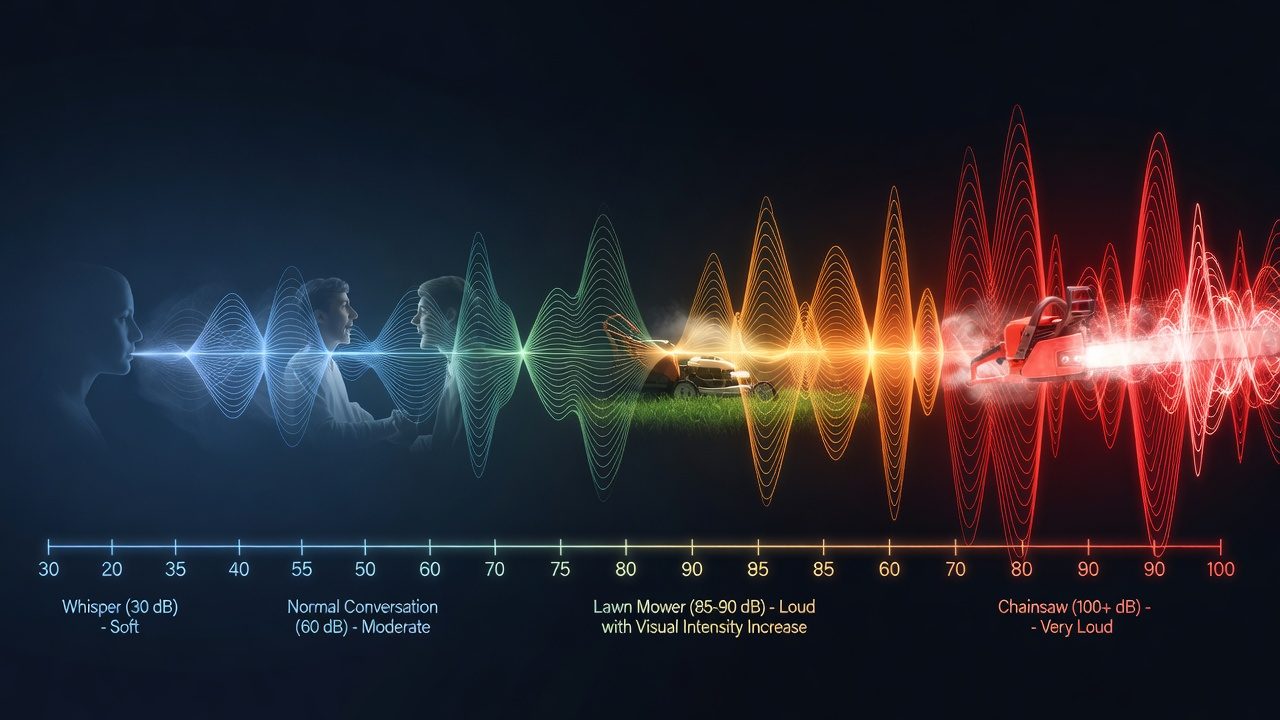
The decibel scale is logarithmic, meaning each 10 dB increase represents a tenfold increase in sound intensity. A lawn mower at 90 dB is not just slightly louder than one at 80 dB—it’s 10 times more intense. Decibel measurements are typically taken at a distance of 3 feet (1 meter) from the sound source, which is the standard for comparing lawn mower noise levels across different models and manufacturers.
Understanding this scale helps explain why hearing protection becomes critical even at seemingly modest-sounding decibel levels. A difference of just 5–10 dB can significantly impact hearing risk during extended exposure.
Noise Levels by Lawn Mower Type
Residential Gas-Powered Push Mowers
Standard walk-behind gas-powered mowers produce between 85–90 dB. These are the most common residential mowers and generate noise levels comparable to heavy traffic or a loud alarm clock. The noise comes from both the engine combustion cycle and the blade rotation.
Riding Mowers
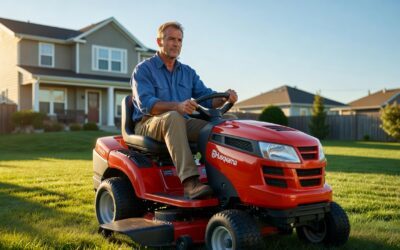
Larger riding mowers and lawn tractors typically produce 86–96 dB, with most averaging around 90 dB. The enclosed operator cabin can provide some noise reduction, but riders are still exposed to significant sound levels during extended mowing sessions.
Zero-Turn and Commercial Mowers
High-powered commercial and zero-turn mowers generate 90–95 dB or higher due to larger engines and increased blade speeds. Professional landscapers operating these machines for 8+ hours daily face serious hearing damage risk without proper protection.
Electric Mowers
Battery-powered and corded electric mowers are the quietest option, producing 75–85 dB. This 5–15 dB reduction may seem small numerically, but it represents a 50–97% reduction in sound intensity compared to gas mowers. Many electric mowers operate quietly enough that conversation is possible during use.
How Distance Affects Noise Measurement
Decibel levels decrease with distance from the sound source. The standard measurement for lawn mower noise is taken at 3 feet (approximately 1 meter) away from the mower. If you stand 6 feet away, the noise level drops by approximately 6 dB. At 12 feet, it decreases by another 6 dB.
This distance-dependent property is important when considering hearing protection. Even if you cannot control the mower’s sound output, increasing your distance or using barriers can reduce your actual exposure.
Comparing Lawn Mower Noise to Familiar Sounds
Understanding how lawn mower noise compares to everyday sounds provides helpful context:
- Normal conversation: 60 dB
- Heavy traffic or vacuum cleaner: 80 dB
- Residential lawn mower: 85–90 dB
- Chainsaw or commercial mower: 100–110 dB
- Jet engine at takeoff: 140 dB
A lawn mower is louder than normal conversation by 25–30 dB, which means it’s roughly 300–1,000 times more intense. This is why prolonged exposure without hearing protection poses a genuine risk.
Hearing Safety and Exposure Limits
OSHA and CDC Guidelines
The Occupational Safety and Health Administration (OSHA) recommends an 8-hour safe exposure limit of 90 dB. Above this level, hearing damage risk increases significantly with duration of exposure. The CDC notes that hearing damage can begin at 85 dB with prolonged exposure (8+ hours).
For every additional 5 dB above 85 dB, safe exposure time is cut in half. At 90 dB, you should limit continuous exposure to 8 hours. At 95 dB, safe exposure drops to 4 hours. At 100 dB, it’s just 2 hours.
Noise-Induced Hearing Loss Risk
Regular lawn mowing without hearing protection can lead to permanent noise-induced hearing loss (NIHL). This type of hearing damage is cumulative and irreversible. Once hearing cells in the inner ear are damaged, they do not regenerate. Even occasional exposure to very loud sounds can cause temporary hearing threshold shifts or permanent damage.
Weekend recreational mowers operating a gas-powered mower for 1–2 hours weekly still accumulate significant noise exposure over a season. Professional landscapers face substantially greater risk due to daily, multi-hour exposure.
Hearing Protection Recommendations
Types of Hearing Protection
Foam Earplugs: Properly inserted foam earplugs provide 20–33 dB of noise reduction. They are inexpensive, disposable, and effective when inserted correctly. The key is inserting them deeply enough into the ear canal to create a proper seal.
Earmuffs: Over-ear earmuffs typically provide 20–30 dB of noise reduction and are reusable. They are easier to insert correctly than earplugs and offer consistent protection. However, they can become uncomfortable during extended use in warm weather.
Double Protection: Combining earplugs and earmuffs provides an additional 3–5 dB of protection beyond either method alone, making this the most effective approach for loud equipment like commercial mowers.
Noise-Reducing Headphones: Active noise-canceling headphones can reduce low-frequency engine noise but are less effective than passive hearing protection at mid and high frequencies.
Selecting and Using Hearing Protection
- Choose protection rated for at least 20 dB of noise reduction to adequately protect against 85–90 dB exposure
- Ensure proper fit: foam earplugs must be inserted deeply, and earmuffs must seal completely around the ears
- Replace foam earplugs regularly, as they degrade with use and lose effectiveness
- Clean earmuffs periodically to maintain seal integrity
- Use hearing protection for all mowing sessions, even brief ones, as cumulative exposure matters
Factors That Increase Lawn Mower Noise
Several factors can increase the noise level a mower produces beyond manufacturer specifications:
- Engine condition: Poorly maintained engines with worn components or failing mufflers produce more noise
- Blade condition: Dull or damaged blades vibrate more, increasing noise
- Fuel quality: Lower-octane fuel can cause engine knocking, increasing noise levels
- Mowing speed: Faster blade rotation speeds increase noise output
- Surface being mowed: Mowing over gravel or hard surfaces can amplify noise compared to grass alone
Reducing Lawn Mower Noise
Maintenance Strategies
Regular maintenance can minimize unnecessary noise:
- Replace or repair damaged mufflers promptly
- Keep engine spark plugs clean and properly gapped
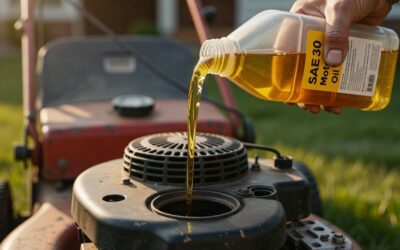
- Maintain proper engine oil levels and quality
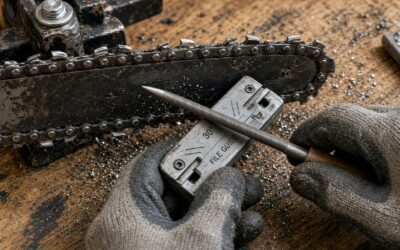
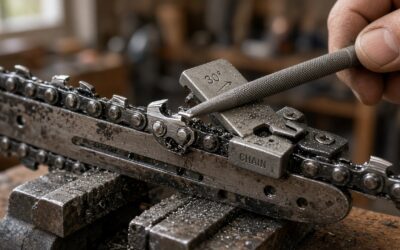
- Sharpen blades regularly; dull blades vibrate excessively
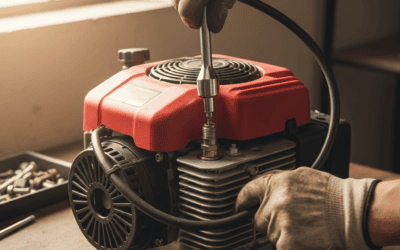
- Tighten any loose engine components or fasteners
Equipment Choices
Selecting quieter equipment is the most effective noise-reduction strategy. Switching from a gas mower to an electric mower can reduce noise by 10–15 dB, which represents a 50–97% reduction in sound intensity. This choice also eliminates emissions and is often less physically demanding.
Operational Practices
- Mow during daylight hours when possible to minimize disturbance to neighbors
- Mow when community noise ordinances permit (typically daytime weekdays)
- Mow less frequently by maintaining optimal grass height
- Consider hiring professional mowing services to reduce your personal exposure
Frequently Asked Questions
At what decibel level does hearing damage begin?
The CDC and OSHA indicate that hearing damage risk increases significantly at 85 dB with prolonged exposure (8+ hours daily). Temporary hearing threshold shifts can occur after exposure to sounds above 80 dB. For reference, a 90 dB lawn mower is loud enough to cause hearing damage with regular unprotected exposure. Even at 85 dB, cumulative exposure over weeks and months can result in permanent hearing loss.
How do electric mowers compare to gas mowers in terms of noise?
Electric mowers are typically 10–15 dB quieter than gas-powered models, producing 75–85 dB compared to 85–90 dB for gas mowers. This difference is more dramatic than the decibel numbers suggest: a 10 dB reduction represents roughly a 90% decrease in sound intensity. Many electric mowers are quiet enough to allow normal conversation during operation, making them ideal for early morning or evening mowing when noise-sensitive neighbors are present.
Do I need hearing protection for occasional lawn mowing?
Yes. Even occasional exposure to lawn mower noise warrants hearing protection. Noise-induced hearing loss is cumulative, and even a single 1–2 hour mowing session at 85–90 dB approaches or exceeds recommended safe exposure limits. Using inexpensive foam earplugs takes minimal effort and provides substantial protection. Over a lifetime of lawn mowing, this practice significantly reduces permanent hearing damage risk.
What is the quietest type of lawn mower?
Battery-powered push mowers are the quietest, typically producing 75–80 dB. Corded electric mowers are similarly quiet. Gas-powered push mowers produce 85–90 dB, and larger gas-powered riding mowers produce 90–96 dB. If noise is a primary concern—whether for personal hearing protection or neighborhood consideration—electric mowers are the clear choice.