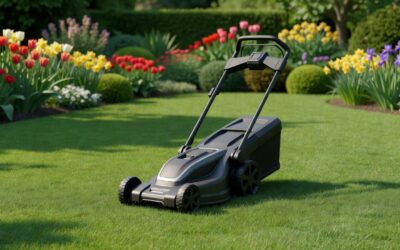
How Do You Start a Push Lawn Mower?
To start a gas-powered push lawn mower, first check the fuel and oil levels. For a cold start, engage the choke lever fully, press the primer bulb three times, set the throttle to ‘Fast,’ squeeze the bail lever (safety bar) against the handle, and pull the starter cord firmly. For a warm restart, leave the choke open and press the primer bulb only once or not at all. Battery and corded electric models start by engaging the safety bar and pressing a button or pulling a lever—no pull cord is needed.
What You Need to Know Before Starting a Push Lawn Mower
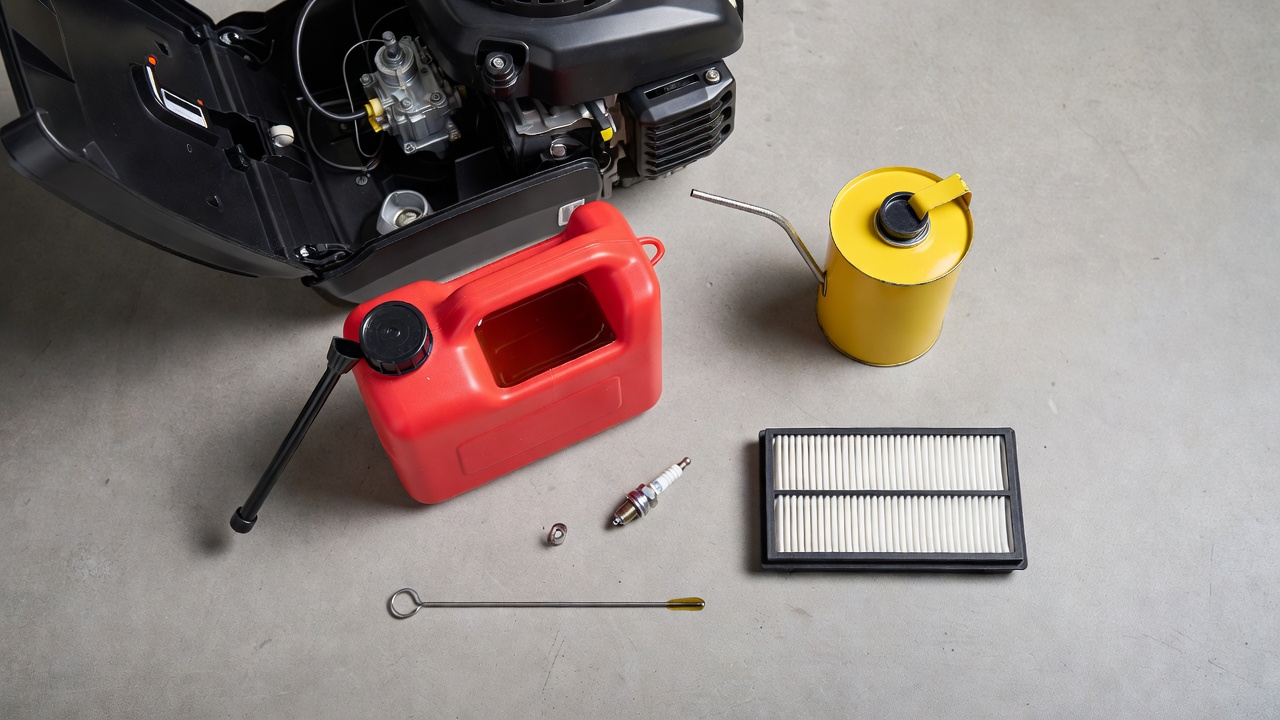
Before you attempt to start your mower, a few quick checks ensure a successful first pull and prevent engine damage.
Identify Your Mower Type
The starting process depends entirely on whether your mower is gas-powered, battery-powered, or corded electric. This guide covers all three, but the primary steps focus on gas models, which require more preparation.
Check Fuel and Oil (Gas Models Only)
- Fuel: Use fresh, clean gasoline (87 octane or higher). Stale fuel older than 30 days is a common reason mowers won’t start. Add a fuel stabilizer if you plan to store gas for more than a month.
- Oil: Check the dipstick to ensure the oil level is between the ‘Full’ and ‘Add’ marks. Running an engine low on oil can cause permanent damage.
Perform Safety Checks
- Clear the cutting deck of any debris, sticks, or rocks.
- Ensure the spark plug wire is securely connected.
- Check that the air filter is clean and not clogged with dirt or grass clippings.
- Inspect the pull cord for fraying or damage.
New Mower First-Time Start
If your mower is brand new, remove any shipping materials or protective covers. Fill the tank with fresh fuel and add oil if the engine was shipped dry (check the manual). Follow the cold start procedure below.
How to Start a Gas-Powered Push Lawn Mower (Cold Start)
A cold start means the engine hasn’t run recently and is at ambient temperature. Follow these steps in order:
- Check Fuel and Oil: Confirm the tank has fresh gas and the oil level is correct.
- Engage the Choke: Move the choke lever to the ‘Full Choke’ or ‘Closed’ position. The choke restricts air flow, creating a richer fuel mixture needed for cold engines.
- Press the Primer Bulb: Press the rubber primer bulb three times firmly. Each press forces fuel into the carburetor. Do not press more than three times, as this can flood the engine.
- Set the Throttle: Move the throttle control to the ‘Fast’ or ‘High’ position (often marked with a rabbit symbol).
- Engage the Bail Lever: Squeeze the bail lever (also called the safety bar or dead man’s switch) against the main handle. This disengages the engine brake and must be held throughout the starting process.
- Pull the Starter Cord: With your other hand, grasp the starter cord handle. Pull the cord in one firm, smooth, and steady motion. Do not jerk it. Let the cord retract slowly after each pull.
- Release the Choke: Once the engine fires and runs (usually within 2-3 pulls), gradually move the choke lever to the ‘Half Choke’ or ‘Open’ position as the engine warms up over 30-60 seconds.
Tip: If the engine sputters but dies, it may be flooded. See the troubleshooting section below.
How to Restart a Warm Push Lawn Mower
A warm restart occurs when the engine was recently running and is still hot. Using the cold-start procedure on a warm engine is the top cause of flooding.
- Choke Position: Leave the choke in the ‘Open’ or ‘Run’ position. Do not engage the full choke.
- Primer Bulb: Press the primer bulb once, or not at all if the engine was just running. Excess fuel will flood the engine.
- Throttle and Bail Lever: Set the throttle to ‘Fast’ and squeeze the bail lever against the handle.
- Pull the Cord: Pull the starter cord firmly. The engine should start on the first or second pull.
Why Flooding Happens
Flooding occurs when too much fuel enters the carburetor, wetting the spark plug and preventing ignition. Symptoms include a strong smell of gasoline and the engine turning over but not firing. To fix a flooded engine, remove the spark plug, pull the cord a few times to clear the cylinder, dry the plug, reinsert it, and try starting again with the choke open.
How to Start a Battery or Corded Electric Push Mower
Electric models are simpler and do not require a pull cord.
Battery-Powered Mower
- Ensure the battery is fully charged and properly inserted.
- Engage the safety bail lever against the handle.
- Press the start button or turn the key (depending on the model).
- The mower will start instantly.
Corded Electric Mower
- Plug the extension cord into the mower’s inlet and then into a grounded outlet.
- Engage the safety bail lever.
- Press the start button or pull the start lever.
- The mower will start immediately.
Safety Note: Always keep the extension cord behind you and away from the cutting path. Use an outdoor-rated cord of sufficient gauge (12 AWG for mowers up to 12 amps).
Why Won’t My Push Mower Start? Common Problems and Fixes
If your mower won’t start after several pulls, work through this checklist:
- Flooded Engine: Smell of gas? Remove the spark plug, pull the cord a few times, dry the plug, and restart with the choke open.
- Stale Fuel: Drain old gas and replace with fresh fuel. Add a stabilizer to prevent future degradation.
- Spark Plug Issues: Remove the plug and check for fouling, corrosion, or a worn electrode. Replace if necessary (gap should be 0.030 inches for most engines).
- Dirty Carburetor: Old fuel leaves varnish deposits. Use carburetor cleaner spray or consider professional cleaning.
- Clogged Air Filter: A dirty filter restricts air flow. Tap it out or replace it if oil-soaked.
- Engine Brake Not Engaged: Ensure the bail lever is fully squeezed against the handle.
- Low Oil Level: Some mowers have a low-oil sensor that prevents starting. Check and top off the oil.
How Many Pulls Is Normal?
A well-maintained mower should start within 2-3 pulls on a cold start. If it takes more than 5 pulls, suspect flooding or a fuel/spark issue.
Push Mower Starting Tips by Engine Brand
Controls can vary by manufacturer:
- Briggs & Stratton: Typically uses a manual choke lever and primer bulb. Follow the standard cold-start steps above.
- Honda (GCV Series): Many Honda engines use an automatic enrichment choke with no manual choke lever. Simply press the primer bulb (if equipped) and pull the cord. Some models have a choke lever—check your manual.
- Kohler: Configurations vary. Some models have a primer bulb and manual choke; others use a throttle-controlled choke. Consult your engine’s manual for the exact procedure.
Always refer to your specific mower’s owner’s manual for model-specific instructions.
Frequently Asked Questions
How many times should I press the primer bulb on a cold start?
Press the primer bulb three times for a cold start. For a warm restart, press it once or not at all. Over-priming floods the engine with excess fuel.
What does the choke do on a lawn mower?
The choke restricts air flow into the carburetor, creating a richer fuel-air mixture that helps a cold engine start. Once the engine warms up, the choke should be opened to allow normal air flow.
Why does my mower start then immediately die?
This usually indicates the engine is not getting a consistent fuel supply. Check for stale fuel, a clogged fuel line, a dirty carburetor, or a loose spark plug wire. Also ensure the bail lever is held firmly against the handle while the engine runs.
Can I use E15 or higher ethanol gasoline in my push mower?
Most small engine manufacturers recommend using regular unleaded gasoline with no more than 10% ethanol (E10). Higher ethanol blends like E15 can damage fuel lines, carburetors, and seals. Always check your engine manual for specific fuel recommendations.