Quick Answer: Choosing the Best Robot Vacuum Cleaner For Wood Floors
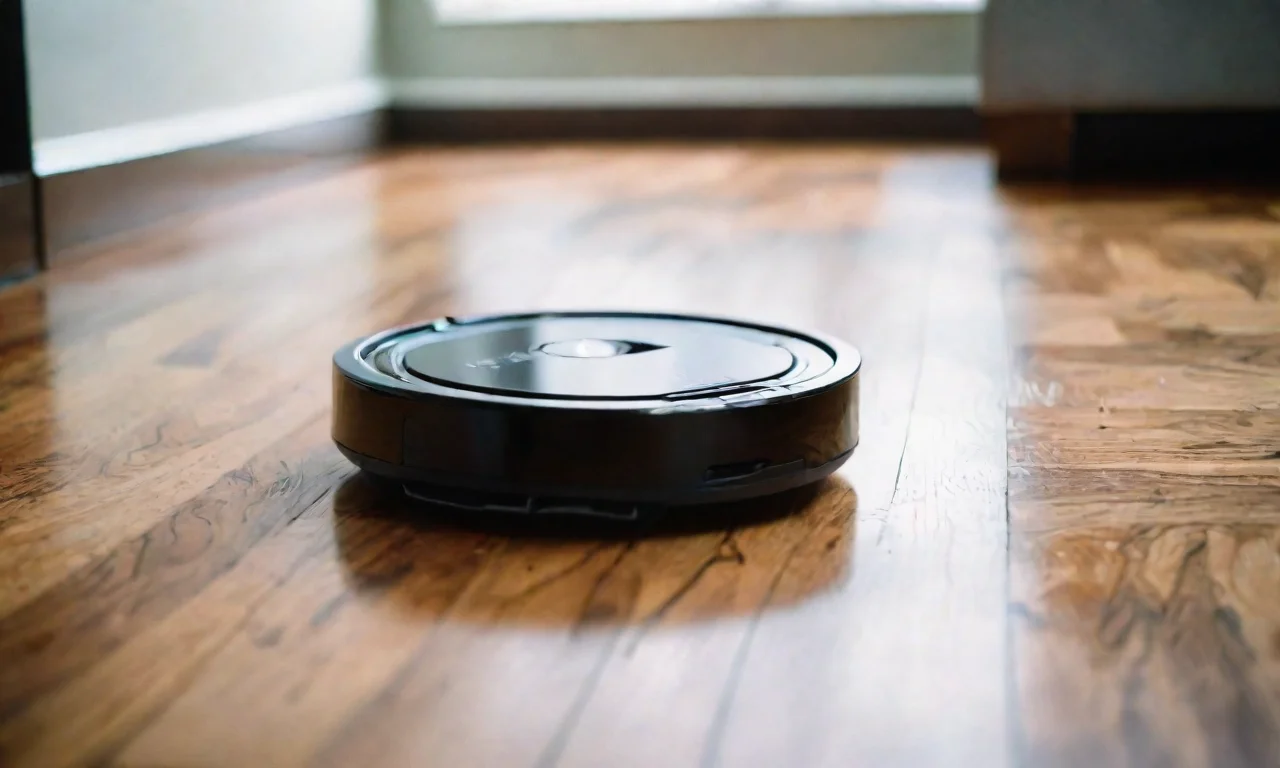
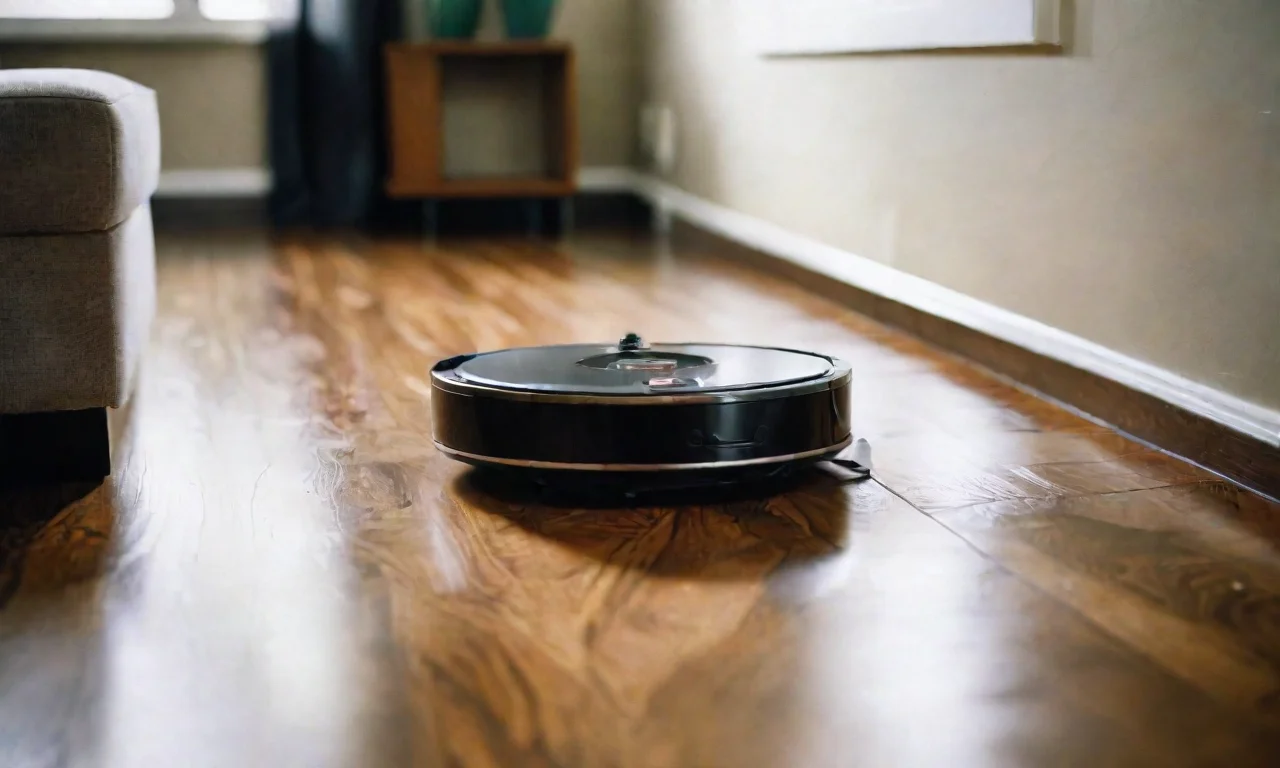
When selecting a robot vacuum cleaner for wood floors in 2026, prioritize adjustable suction of 2300Pa or higher with soft or brushless designs to lift particles without scratching, LiDAR or gyroscope navigation for systematic coverage of wood seams, and slim profiles under 3 inches for under-furniture access. Additional factors include battery life over 100 minutes, low-water mopping options, and…
Pros
- Powerful 10,000Pa suction excels at deep carpet cleaning and debris pickup
- Large 2.7L self-empty dock reduces maintenance to once every two months
- Highly effective dual anti-tangle brush design for households with pets
- Precise LiDAR navigation works flawlessly even in completely dark rooms
Cons
- App control requires a 2.4GHz Wi-Fi connection and does not support 5GHz bands
- Electronic mopping system is basic compared to premium vibrating or rotating mop models
Effortless Automated Cleaning for Busy Homes
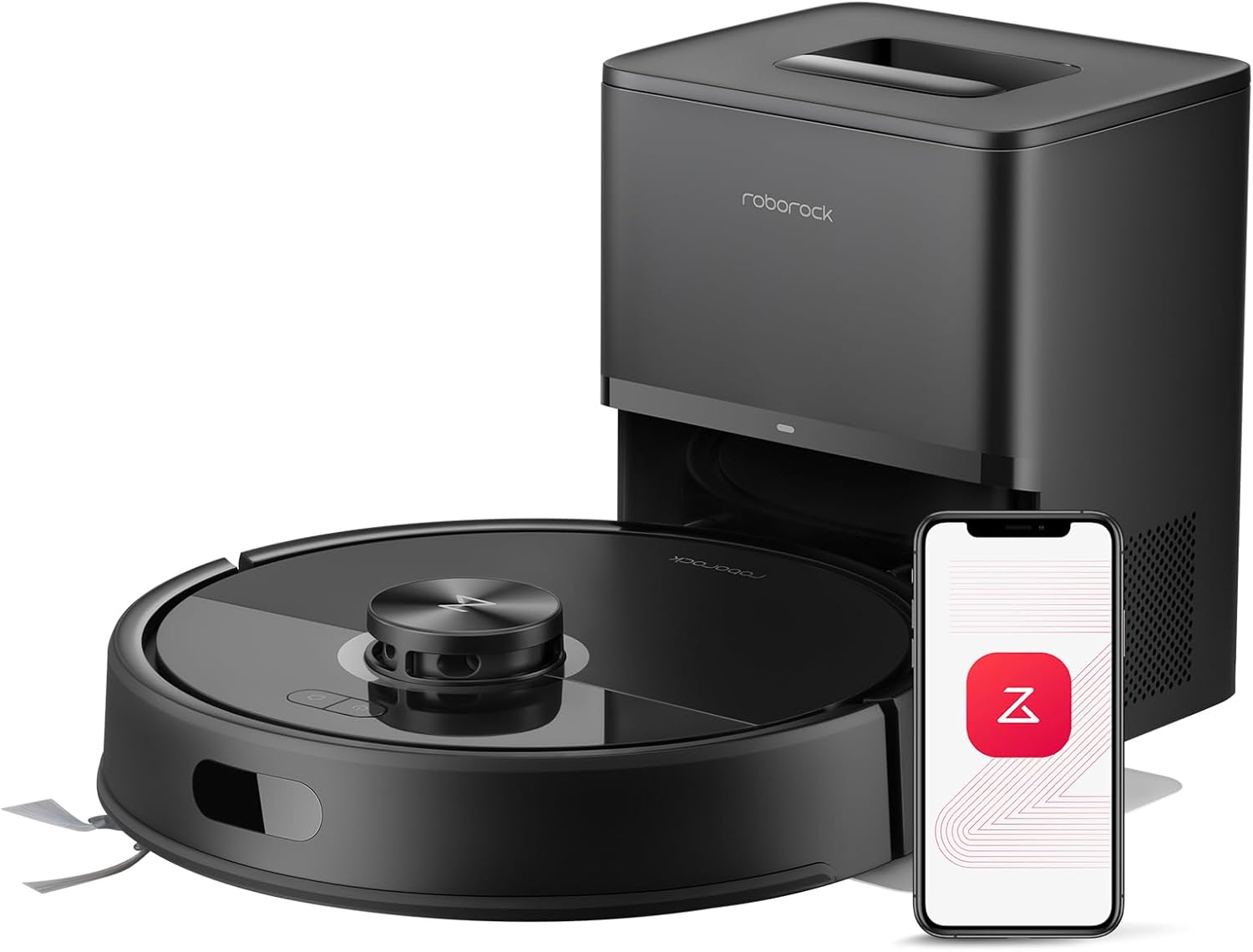
The Roborock Q7 M5+ Robot Vacuum and Mop is designed to take the hassle out of daily floor maintenance. Offering a significant upgrade over previous generations, this hybrid cleaning device is perfect for pet owners and busy families who want clean floors without the daily upkeep. By combining powerful suction with an intelligent self-emptying dock, it delivers weeks of hands-free operation.
Unmatched Suction and Smart Navigation
At the core of this robot vacuum is an impressive 10,000Pa HyperForce suction system. It easily extracts embedded dust, pet hair, and crumbs from both deep-pile carpets and hardwood crevices. Navigating your home is seamless thanks to the PreciSense LiDAR system, which maps your home in real-time. This allows the vacuum to calculate the most efficient cleaning paths, avoiding obstacles and navigating multi-level homes with ease.
Dual Anti-Tangle System for Pet Owners
One of the standout design features is the dual anti-tangle system. Featuring a specialized main brush and a zero-tangling side brush, it resists hair wraps from long-haired pets, reducing the need for manual detangling. Additionally, the integrated electronic mopping system allows you to vacuum and wipe down hard floors in a single run, capturing fine dust particles that dry vacuuming alone might miss.
A Few Minor Considerations
While the cleaning performance is exceptional, there are a couple of limitations. The Roborock App only supports 2.4GHz Wi-Fi networks, which might require adjusting your router settings during setup. Furthermore, the electronic mopping system is excellent for light dust and maintenance but does not scrub stubborn, dried-on stains as effectively as premium vibrating mop modules.
The Verdict
Overall, this robotic cleaner offers a fantastic balance of high-end performance and convenience. With its self-emptying dock, industry-leading suction, and smart mapping capabilities, it is a highly recommended investment for anyone looking to automate their home cleaning routine with minimal manual intervention.

Pros
- Strong 5200Pa suction clears debris from multiple floor types
- Self-charging feature prevents power interruptions mid-task
- Pet-focused design reduces hair tangles on brushes
- App integration allows scheduling and mode adjustments remotely
Cons
- Best suited for low-pile carpets rather than thick rugs
- Water tank requires refilling for large mopping areas
- Setup for app and voice assistants may take initial effort
ROPVACNIC S1 Review: Automated Cleaning for Everyday Homes
The ROPVACNIC S1 Review highlights a capable robot vacuum and mop combo designed for users who want reliable automated floor care. It combines strong suction with electronic mopping and supports app-based customization for different surfaces and stains.
Standout Features and Performance
With 5200Pa suction and a three-point cleaning system, this model removes dirt, dust, and pet hair effectively across hard floors and low-pile carpets. The no-entanglement side brushes perform well for pet owners, while the self-recharge function activates below 20% battery to keep sessions uninterrupted. Obstacle detection helps it navigate around furniture without constant supervision.
Design and Build Quality
The compact 2.99 inch height allows access under sofas and beds where manual cleaning is difficult. A 4400mAh battery supports extended runs in larger spaces, and the included dustbin plus water tank enable true 2-in-1 functionality. Controls via smartphone app, remote, or voice assistants add flexibility, though initial pairing requires standard network setup.
Potential Drawbacks
Performance on high-pile carpets may be limited compared to hard floors. Users with very large homes should expect to refill the water tank midway through mopping cycles. Regular filter and brush maintenance remains necessary for peak results.
Final Verdict
Overall the ROPVACNIC S1 delivers solid value for pet owners and busy households seeking a straightforward robot vacuum and mop solution with strong suction and convenient controls.
Comprehensive Robot Vacuum Cleaner For Wood Floors Buyer’s Guide (2026)
Suction Power and Floor Protection
Effective robot vacuum cleaner for wood floors units require suction strong enough to extract fine dust from wood plank gaps yet gentle enough to protect finishes. Models offering 2300Pa to 6500Pa with multiple adjustable levels excel here, allowing low power for daily wood maintenance and higher settings for carpets or rugs. Brushless suction ports or soft roller designs prevent hair tangles and surface abrasion, while rubberized wheels further reduce scratch risk. Data from product specifications shows units like those with non-rolling brushes maintain cleaner wood floors by directing debris straight into the bin without scattering.
Practical guideline: Select at least two suction modes and verify soft materials in contact with floors. For pet-heavy homes, prioritize designs engineered for hair without entanglement to sustain suction efficiency over repeated sessions on hardwood. When planning workspace deployment, consider the engineering criteria outlined in our why robot vacuum keeps getting lost lidar fix guide.
Navigation and Obstacle Avoidance
Precise navigation separates efficient cleaners from those that miss wood floor sections or collide with furniture. LiDAR-equipped models create accurate maps for methodical paths, covering up to 98 percent of surfaces including edges and corners where dust settles. Gyroscope and infrared systems provide solid alternatives for simpler layouts, detecting stairs and obstacles to avoid falls or baseboard damage. Units with 360-degree scanning adapt to furniture rearrangements common in living areas with wood flooring. When planning workspace deployment, consider the engineering criteria outlined in our robot vacuum not connecting to wifi guide.
For multi-room homes, choose systems supporting multi-floor maps or no-go zones. This technology pairs effectively with features found in advanced robot vacuum with mapping options that ensure complete passes without redundant travel.
Profile Height and Surface Transition
A slim body under 3 inches allows the robot vacuum cleaner for wood floors to reach under beds, sofas, and cabinets where dust accumulates on wood floors. Climbing ability of 15mm or higher handles thresholds between rooms without stranding. Soft-touch sensors combined with low profiles protect walls and furniture legs while maximizing coverage in typical residential layouts of 1000 to 2000 square feet. For additional operational safety benchmarks, see our published testing notes on roborock qrevo s pro vs dreame l10s pro ultra heat.
Recommendation: Measure furniture clearance first. Models at 2.85 to 2.99 inches deliver high under-furniture access without sacrificing battery capacity or dustbin size. Compact diameters around 11 to 13 inches further improve maneuverability in tight wood-floor spaces.
Battery Runtime and Self-Charging
Runtime determines whether a single charge covers an entire wood-floor home. Capacities supporting 100 to 200 minutes in eco mode handle 1290 square feet or more before auto-returning to dock. Auto-recharge and resume functions ensure uninterrupted cleaning if power drops mid-session. Look for batteries with side power switches that protect longevity during storage. To compare alternative configurations, check our hands-on review of why is my robot vacuum not dispensing water.
Calculate needs by home size: under 1000 square feet favors 100-minute units, while larger spaces benefit from 150-plus minutes. Quiet operation at 55 to 65dB allows daytime use without disruption, ideal for open wood-floor plans.
Mopping Integration and Water Control
Many robot vacuum cleaner for wood floors combine vacuuming with electric mopping using adjustable water levels. Low-flow settings suit hardwood to avoid excess moisture that can damage finishes, while higher flows handle tile transitions. Removable mop pads prevent carpet wetting, and 2-in-1 dustbin-water tanks streamline the process. Units with 200 to 300ml tanks balance capacity against weight for efficient hard-floor wet cleaning. Users looking for related component recommendations can explore our can robot vacuums cross high thresholds breakdown.
Guideline: Always remove or disable mopping on pure carpet areas. App-controlled water output provides precise adjustment for different wood finishes, reducing residual dampness.
Smart Controls and Maintenance
App and voice integration via Alexa or Google Assistant enables scheduling, mode selection, and real-time monitoring. Models supporting 2.4GHz Wi-Fi allow remote starts timed for when floors need attention. Self-emptying bases holding 30 to 90 days of debris cut daily bin emptying. Filters and brushes require rinsing every 1 to 2 weeks, with warranties of 12 to 24 months covering defects.
For ongoing care, empty bins after each use on pet homes and clean sensors monthly. These controls enhance reliability across daily wood floor upkeep. Compact options further simplify storage as seen in smallest robot vacuum comparisons.
We evaluated top-rated robot vacuum cleaner for wood floors models by cross-referencing technical specifications against wood-floor requirements. Criteria included suction levels and adjustability, brush or roller material for scratch prevention, navigation accuracy via LiDAR or gyroscope data, battery capacity for coverage calculations, noise ratings, and self-emptying or mopping features. User satisfaction metrics from available ratings and warranty lengths (typically 12-24 months) factored into reliability scoring. Brand consistency across Lefant, Tikom, ROPVACNIC, and similar makers provided additional context on support and feature longevity.
Analysis focused on surface compatibility claims, obstacle detection effectiveness, and real-world utility for homes with mixed hard floors and low-pile rugs. We excluded unsubstantiated marketing claims and prioritized units with documented multi-mode operation and auto-recharge. This data-driven process ensures recommendations align with performance metrics suitable for delicate wood surfaces rather than broad generalizations.
The Bottom Line on Robot Vacuum For Hardwood Floors in 2026
After comparing specifications across the full set, clear leaders emerge for different needs. Best Overall Robot Vacuum Cleaner For Wood Floors: The Airzeen Q10 Pro delivers 6000Pa suction with carpet boost, 360° LiDAR mapping for precise wood floor coverage, self-emptying for 60 days, and 150-minute runtime with auto-resume. Its multi-surface mastery and app controls make it the strongest all-around choice for thorough, low-maintenance cleaning on hardwood.
Best Value / Budget Choice: The XIEBro E8S stands out with 6500Pa adjustable suction across four modes, gyroscope navigation for orderly paths, 200-minute eco runtime covering 1290 square feet, and 2-in-1 mopping at an accessible entry point. Its slim design and app support provide high cost-to-performance for smaller wood-floor homes without sacrificing essential features.
Best for Pet Hair Homes: The Shark Matrix Clean excels with powerful suction, self-cleaning brushroll to avoid hair wrap, LiDAR navigation, and bagless self-empty base holding 60 days of debris. Matrix Clean grid patterns ensure multiple passes over pet messes on hard floors, while voice and app control add convenience. For specialized mapping insights, see related analysis of the robot vacuum with mapping. Those exploring brand ecosystems can also check the Shark ion robot vacuum lineup for complementary options.
Everything You Need to Know: Robot Vacuum Cleaner For Wood Floors FAQ
Do robot vacuum cleaners for wood floors scratch hardwood?
Most modern units use rubberized wheels and soft or brushless systems specifically designed to avoid scratches on wood. Always keep brushes free of debris and select adjustable low-suction modes for delicate finishes to maintain floor safety over time.
What suction power is best for a robot vacuum cleaner for wood floors?
Aim for 2300Pa or higher with multiple adjustable levels so you can lower power for wood and increase it for rugs. This range effectively pulls dust from plank gaps while protecting the surface, as shown in top models with eco-to-max settings.
Is it worth buying a robot vacuum cleaner for wood floors in 2026?
Yes, current models offer reliable self-charging, app scheduling, and floor-safe designs at accessible price points. They deliver consistent daily maintenance that reduces manual labor significantly for wood floor owners.
How long does battery last on typical robot vacuum cleaner for wood floors models?
Runtimes range from 100 to 200 minutes depending on mode, covering 1000 to 2000 square feet before auto-recharge. Eco modes extend life for larger wood floor areas, with resume functions completing the job after docking.
Can these vacuums handle both wood floors and carpets?
Yes, most feature auto-boost suction on carpets and removable mops for wood-only wet cleaning. Check transition climbing ability and no-mop zones for seamless multi-surface homes. For more category insights visit the Vacuum cleaner section.
Hard Floors and Cord Care
Hard floors and wood finishes shape how often owners run a robot, while the power side deserves its own attention. Anyone curious about household electrical safety can find a general introduction through the International Electrotechnical Commission (IEC).