What Size Chainsaw Do I Need?
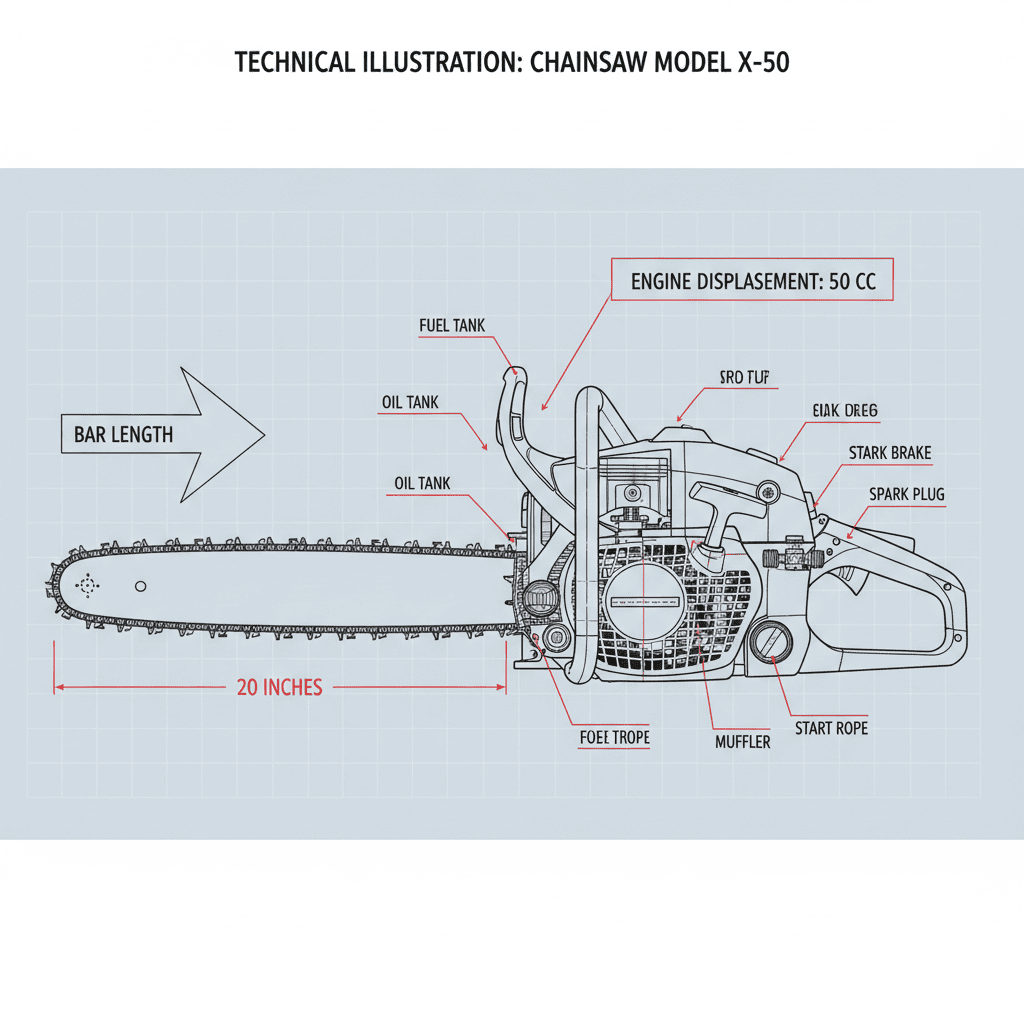
Chainsaw size is determined by three key factors: bar length, engine displacement (measured in cubic centimeters or cc), and your specific cutting needs. For most homeowners trimming branches or cutting firewood, a 14-18 inch bar with a 30-50 cc engine is sufficient. Hobbyists and those felling medium-sized trees should consider 18-20 inch bars with 50-65 cc engines. Professional loggers typically require 20+ inch bars and 65+ cc engines for heavy-duty tasks. The right size depends on the wood diameter you’ll cut, frequency of use, and your physical capabilities.
Understanding Chainsaw Size
- Bar Length: The chain’s cutting length, measured in inches (e.g., 14-24 inches). Longer bars cut thicker wood but reduce maneuverability.
- Engine Power (cc): Cubic centimeters indicate power output. Higher cc engines cut faster and handle harder woods but require more maintenance.
- Cutting Capacity: The maximum wood diameter the saw can handle safely, influenced by both bar length and engine power.
Key Factors in Choosing Size
Intended Use Case
Homeowners typically need smaller, lighter saws for occasional tasks like trimming branches or cutting firewood. Hobbyists felling trees up to 24 inches in diameter may require 18-20 inch bars. Professionals handling large logs or frequent use need larger bars and higher cc engines for efficiency and safety.
Bar Length and Wood Diameter
Bar length directly affects the maximum wood diameter you can cut. A 14-inch bar suits small branches (up to 6 inches), while a 20-inch bar can handle logs up to 18 inches. Using a bar longer than needed increases weight and fatigue without improving performance.
Engine Power (cc) and Wood Type
Softwoods like pine require less power (30-50 cc) compared to hardwoods (e.g., oak), which demand 50+ cc engines. Hardwood cutting also generates more heat, requiring engines with better cooling systems.
Sizing Decision Framework
| Use Case | Recommended Bar Length | Engine Power (cc) |
|---|---|---|
| Homeowner (firewood, trimming) | 14-18 inches | 30-50 cc |
| Hobbyist (medium trees) | 18-20 inches | 50-65 cc |
| Professional (logging) | 20+ inches | 65+ cc |
Common Mistakes to Avoid
- Choosing an oversized bar for your engine, which reduces control and increases fatigue.
- Underestimating wood diameter, leading to unsafe cuts or chain binding.
- Ignoring wood type, which can overload an underpowered engine.
Frequently Asked Questions
What bar length should a homeowner use?
Homeowners typically need 14-18 inch bars for tasks like cutting firewood or trimming branches. These sizes balance cutting capacity with maneuverability in residential settings.
How does engine power (cc) affect performance?
Higher cc engines (e.g., 65+ cc) provide more cutting speed and torque for hardwoods or large logs. Lower cc engines (30-50 cc) are suitable for occasional use with softwoods.
Can a chainsaw be too small for its purpose?
Yes. An undersized saw may bind in thick wood, overheat, or fail to complete cuts safely. Always match bar length and cc to the maximum wood diameter you’ll encounter.
Why is bar length important?
Bar length determines the maximum wood diameter you can cut. A 20-inch bar allows cutting logs up to 18 inches, while a 14-inch bar is limited to smaller branches. Mismatched sizes reduce efficiency and safety.</p