Direct Answer: Where to Rent a Lawn Mower
You can rent a lawn mower from major home improvement retailers like Home Depot and Lowe’s, local equipment rental shops, online rental platforms, and independent garden centers. Rental options vary by location, mower type (push, riding, or zero-turn), and duration (hourly, daily, weekly). Most services require a deposit or credit card authorization and offer delivery options for an additional fee.
Understanding Lawn Mower Rental Options
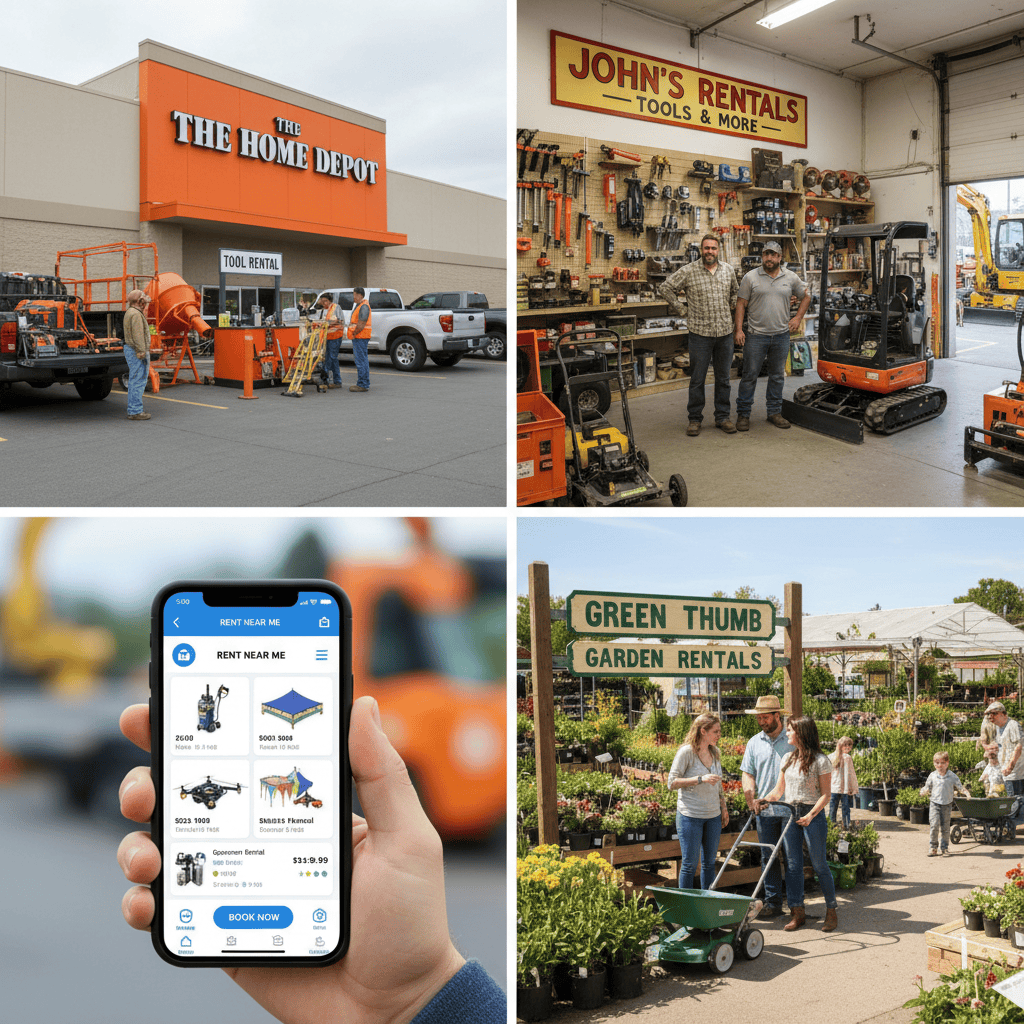
Lawn mower rentals are available through several distinct channels, each offering different advantages depending on your location, timeline, and equipment needs.
Types of Rental Services
- National Home Improvement Retailers: Home Depot and Lowe’s maintain rental departments in most locations, offering standardized pricing and consistent equipment quality. These chains typically have multiple locations, making them convenient for pickup and returns.
- Local Equipment Rental Shops: Independent equipment rental businesses often provide personalized service, knowledge of local lawn conditions, and sometimes more flexible rental terms. These shops frequently specialize in landscaping and construction equipment.
- Online Rental Platforms: Digital marketplaces like Turo (for equipment) and similar services connect renters with individuals and businesses offering equipment in their area, often with delivery options.
- Garden Centers and Nurseries: Many independent garden centers offer seasonal lawn mower rentals, particularly during spring and early summer months.
Types of Lawn Mowers Available for Rent
Understanding the three main categories of lawn mowers helps you select the right equipment for your specific lawn size and terrain.
Push Mowers
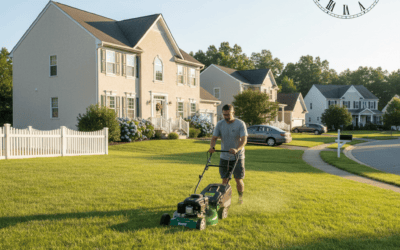
Push mowers are ideal for small to medium residential lawns (typically under 1/4 acre). These manual or electric-powered mowers require the operator to push them across the lawn and are lightweight and easy to maneuver. Push mowers are the most affordable rental option and require minimal storage space. They work well on relatively flat terrain and are suitable for homeowners who prefer a quiet, environmentally friendly option.
Riding Mowers
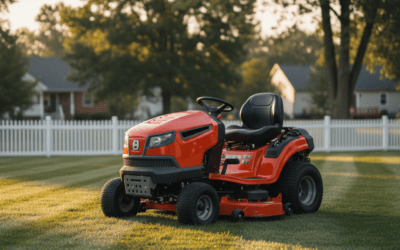
Riding mowers are designed for medium to large lawns (typically 1/4 to 1 acre or larger). The operator sits on the mower while it cuts, making it less physically demanding than push mowing. Riding mowers cover ground more quickly and are more comfortable for extended mowing sessions. These mowers require more storage space and have higher rental costs than push mowers.
Zero-Turn Mowers
Zero-turn mowers offer superior maneuverability and are ideal for large, complex lawns with multiple obstacles. These professional-grade machines can rotate in place, allowing precise cutting around landscaping features. Zero-turn mowers are the most expensive rental option but provide the fastest cutting times and best results for challenging terrain.
Key Factors to Consider Before Renting
Assessing Your Lawn Size
Lawn size directly determines which mower type is appropriate:
- Small lawns (under 1/4 acre): Push mower rental is typically sufficient and most economical
- Medium lawns (1/4 to 1 acre): Riding mower rental offers better value and comfort
- Large lawns (over 1 acre): Zero-turn mower rental provides efficiency and professional results
Rental Duration Options
Most rental services offer flexible rental periods:
- Hourly rentals: Available at some locations for short-term needs (typically 4-hour minimums)
- Daily rentals: Most common option, usually 24-hour periods
- Weekly rentals: Discounted rates for extended projects
- Monthly rentals: Available through some local shops for seasonal needs
Understanding Rental Pricing Structures
Rental costs vary significantly based on mower type, rental duration, and location. Push mower daily rentals typically range from $20-$40, riding mowers from $50-$100 per day, and zero-turn mowers from $75-$150 per day. Weekly rates offer 20-30% discounts compared to daily rates. Additional costs may include delivery fees ($30-$75), fuel charges, and damage waivers (typically 5-10% of rental cost).
Deposit and Liability Requirements
Most rental services require either a cash deposit (typically $50-$200) or credit card authorization to cover potential damage. Understanding the rental agreement’s liability terms is critical—some services include damage waivers, while others hold renters responsible for all damage beyond normal wear. Review insurance coverage and whether your homeowner’s insurance extends to rental equipment.
Step-by-Step Lawn Mower Rental Process
Step 1: Locate Rental Services in Your Area
Search online for “lawn mower rental near me” or “equipment rental [your city]” to identify available options. Check Home Depot and Lowe’s websites for rental departments at nearby locations. Call ahead to confirm equipment availability, especially during peak season (April-June).
Step 2: Gather Required Information
Before visiting or calling a rental service, have ready:
- Your lawn size and terrain description
- Preferred rental dates and duration
- Valid government-issued ID
- Credit card or cash for deposits
- Proof of address (for some services)
Step 3: Choose Pickup or Delivery
Most rental services offer both options. Pickup is less expensive but requires transportation. Delivery is convenient but adds $30-$75 to your rental cost. Confirm delivery windows and setup/breakdown assistance availability.
Step 4: Inspect Equipment Before Accepting
Before signing the rental agreement, thoroughly inspect the mower:
- Check for existing damage and request documentation of pre-rental condition
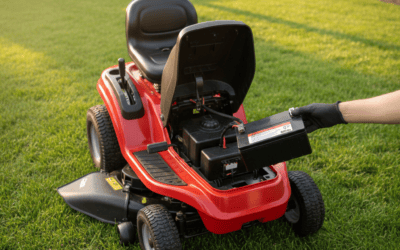
- Verify the mower starts and runs smoothly
- Confirm fuel tank is filled or understand refueling expectations
- Test all controls and safety features
- Take photos or video of the equipment’s condition
Step 5: Understand Return Requirements
Clarify return procedures: Is fuel required to be full or empty? What time must equipment be returned? Are there late fees? What happens if you exceed the rental period? Understanding these details prevents unexpected charges.
Comparing Rental Services by Type
National Chains vs. Local Shops
| Factor | National Chains (Home Depot, Lowe’s) | Local Equipment Rental Shops |
|---|---|---|
| Convenience | Multiple locations, extended hours | Personalized service, flexible terms |
| Equipment Quality | Standardized maintenance, newer equipment | Well-maintained, sometimes older models |
| Pricing | Fixed rates, less negotiable | Potentially negotiable, seasonal discounts |
| Expert Advice | Limited equipment knowledge | Deep expertise, lawn-specific recommendations |
| Delivery Options | Available at most locations | Often included or discounted |
Online Rental Platforms
Digital rental platforms offer peer-to-peer equipment sharing, often with competitive pricing and flexible scheduling. However, equipment quality and condition vary more than traditional rental services, and you may have limited recourse for mechanical issues. Verify seller ratings and insurance coverage before committing.
Tips for Choosing the Right Rental Service
Questions to Ask Before Renting
- Is the equipment regularly serviced and maintained?
- What is included in the rental price (fuel, oil, delivery)?
- What is the damage policy and how is it enforced?
- Are there discounts for longer rental periods?
- What happens if equipment breaks down during my rental?
- Is there a grace period for returns, or are late fees immediate?
- Do you offer equipment recommendations based on my lawn size?
Evaluating Equipment Condition
Equipment condition directly affects mowing results. Request equipment that has been recently serviced. Avoid mowers with visible rust, damaged blades, or oil leaks. Ask when the equipment was last serviced and request documentation. If offered a choice between multiple units, select the one in best condition.
Reviewing Rental Policies
Carefully read the rental agreement before signing. Pay special attention to:
- Damage liability definitions (what constitutes “normal wear”)
- Fuel responsibility (do you return it full or empty?)
- Late return penalties and grace periods
- Weather-related cancellation policies
- Insurance and damage waiver options
Understanding Rental Costs and Hidden Fees
Typical Rental Rate Ranges
- Push mower: $20-$40/day, $60-$100/week
- Riding mower: $50-$100/day, $150-$250/week
- Zero-turn mower: $75-$150/day, $225-$400/week
Common Additional Fees
- Delivery: $30-$75 one-way
- Fuel surcharge: $5-$15 if returned empty
- Damage waiver: 5-10% of rental cost
- Late return: 50-100% of daily rate per day overdue
- Cleaning fee: $15-$50 if equipment is excessively dirty
Seasonal Pricing Variations
Rental costs peak during spring and early summer (April-June) when demand is highest. Renting during off-season (fall/winter) can reduce costs by 20-30%. Mid-week rentals are sometimes cheaper than weekend rentals.
Preparing Your Lawn and Equipment for Rental Use
Pre-Mowing Lawn Preparation
- Remove debris, sticks, and rocks that could damage the mower or create hazards
- Mark any obstacles (sprinkler heads, garden edges) to avoid damage
- Mow when grass is dry for best results and safety
- Ensure adequate fuel is available (rental mowers consume 1-2 gallons for typical residential lawns)
Safety Precautions with Rental Equipment
- Read the operator manual completely before starting
- Wear appropriate safety gear (closed-toe shoes, long pants, hearing protection)
- Keep children and pets away from the mowing area
- Never refuel while the engine is running or hot
- Shut off the engine before clearing clogs or adjusting settings
Maintaining Rental Equipment During Use
- Check oil and fuel levels before each use
- Clean the undercarriage after mowing to prevent grass buildup
- Avoid mowing over hard surfaces that could damage blades
- Store the mower in a dry location if multi-day rental
- Report any mechanical issues immediately to the rental service
Frequently Asked Questions
How Far in Advance Should I Reserve a Lawn Mower?
During peak season (April-June), reserve at least 1-2 weeks in advance to ensure equipment availability. During off-season months, 2-3 days advance notice is typically sufficient. Online reservations through Home Depot and Lowe’s allow you to check real-time availability at nearby locations.
What Should I Do If the Rental Mower Breaks Down During My Rental Period?
Contact the rental service immediately. Most reputable services will provide a replacement mower at no additional charge or refund your rental fee. This is why choosing established rental services with good reputations is important. Always get contact information for after-hours emergencies before leaving with the equipment.
Can I Rent a Lawn Mower Without a Credit Card?
Some local rental shops accept cash deposits as an alternative to credit card authorization. Call ahead to confirm payment options. National chains typically require a valid credit card. If you don’t have a credit card, ask if a friend or family member can co-sign the rental agreement.
Is Renting or Buying a Lawn Mower More Cost-Effective?
Renting is more economical if you mow less than 10-15 times per year. For homeowners who mow weekly during growing season (roughly 30-40 times annually), purchasing a mower becomes more cost-effective. Consider your lawn size, frequency of mowing, and available storage space when making this decision. Renting is ideal for one-time projects, new homeowners testing preferences, or those with limited storage.