Direct Answer: Your car sounds like a lawn mower most commonly due to an exhaust system leak, spark knock from fuel detonation, carbon buildup causing rough idle, or mechanical wear in the valve train. The specific cause depends on when the sound occurs—during acceleration, at idle, or at specific RPMs—and the sound’s characteristics (rattling, high-pitched whining, or rough sputtering). Most exhaust leaks and carbon deposits can be addressed affordably, but timing issues or catalytic converter damage require professional diagnosis.
What Does a Lawn Mower-Like Car Sound Actually Indicate?
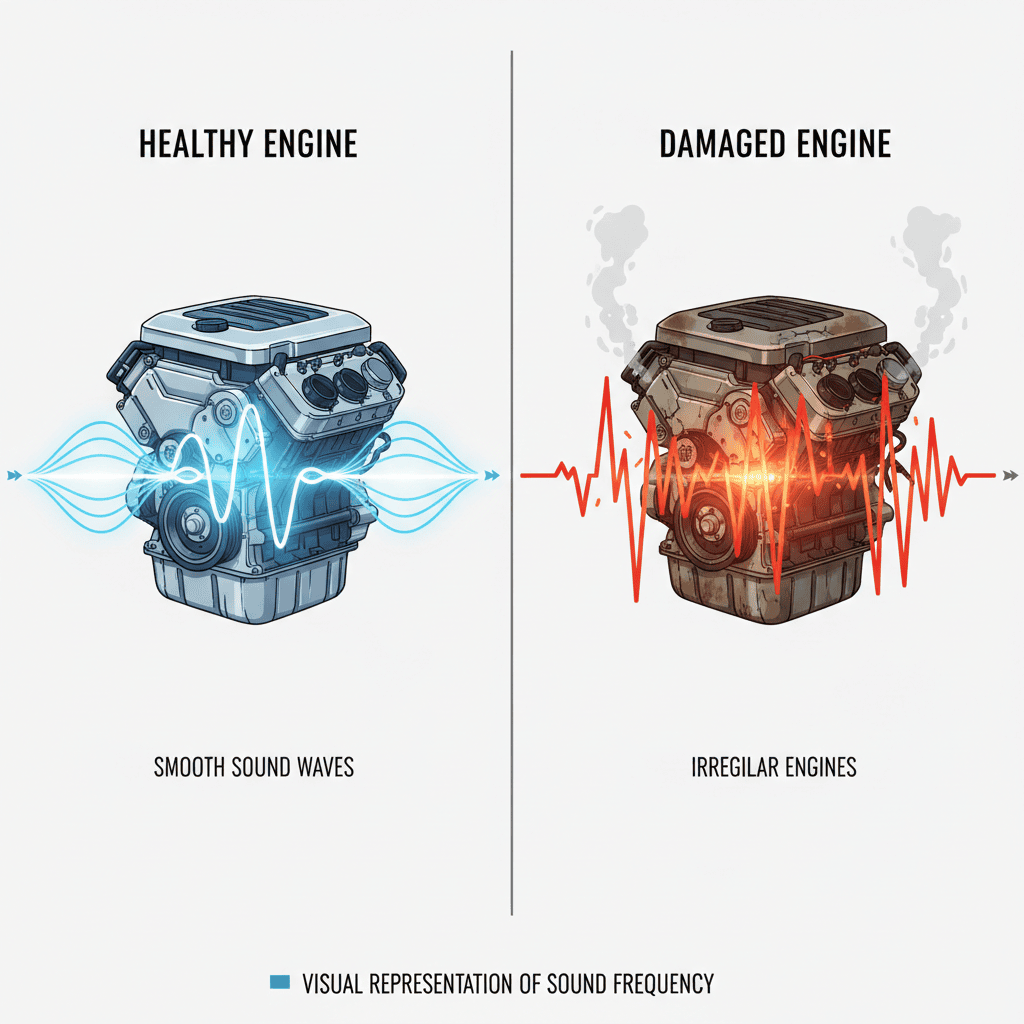
When car owners describe their engine as sounding like a lawn mower, they’re typically referring to one of several distinct mechanical issues. The lawn mower comparison is common because both produce similar characteristics: a rough, sputtering quality; irregular firing patterns; or a high-pitched rattling during operation.
The sound differs from normal engine noise in several ways. A healthy engine produces a smooth, rhythmic hum. A lawn mower-like sound indicates irregular combustion, mechanical friction, or exhaust system problems that disrupt this normal operation. Understanding which mechanical issue is responsible requires identifying when the sound occurs and what it sounds like specifically.
Common mechanical issues that produce lawn mower-like sounds include:
- Exhaust system leaks – Create a rattling, popping sound, especially during acceleration
- Spark knock (engine knock) – Produces a metallic pinging or rattling from fuel detonating prematurely
- Carbon buildup – Causes rough idle and hesitation during acceleration
- Valve train wear – Creates a high-pitched ticking or rattling noise
- Catalytic converter damage – Produces a rattling sound from internal catalyst breakdown
When Does the Sound Occur? Identifying the Trigger
Pinpointing when the sound occurs is crucial for diagnosis. The timing and conditions surrounding the noise narrow down the possible causes significantly.
Sound During Acceleration
If the lawn mower-like sound occurs primarily when accelerating, the most likely causes are:
- Exhaust leaks – Become more pronounced under load when exhaust gases flow faster
- Spark knock – Occurs when the engine demands more fuel and ignition timing issues surface
- Catalytic converter damage – Internal rattling intensifies with increased exhaust flow
Sound at Idle
If the sound is present when the engine is idling (parked, in neutral, or stopped in traffic), consider:
- Rough idle from carbon buildup – Unburned carbon deposits disrupt combustion
- Valve train noise – Mechanical wear becomes audible at lower RPMs
- Exhaust leaks near the engine – Manifold leaks are especially noticeable at idle
Cold Start Versus Warm Engine
Pay attention to whether the sound is worse immediately after starting (cold engine) or persists after warming up. Cold-start lawn mower sounds often indicate carbon deposits or fuel system issues that improve as the engine reaches operating temperature. Sounds that persist or worsen as the engine warms suggest mechanical wear or serious timing problems.
Specific RPM Ranges
Does the sound occur at all RPMs or only within a specific range? Spark knock typically occurs at 2,000-4,000 RPM under load. Valve train noise may be audible only at higher RPMs. Exhaust leaks produce sound across all RPM ranges but intensify with increased exhaust flow.
Most Common Cause: Exhaust System Leaks
Exhaust system leaks are the most frequent culprit behind lawn mower-like engine sounds. The exhaust system carries hot gases from the engine through the manifold, catalytic converter, muffler, and tailpipe. A leak anywhere in this system allows pressurized gases to escape, creating a distinctive rattling or popping sound.
How Exhaust Leaks Create Lawn Mower-Like Sounds
When exhaust gases escape through a leak rather than flowing through the muffler, the sound lacks the muffler’s noise-dampening effect. The result is a raw, unfiltered engine sound that resembles a lawn mower’s engine. The sound intensifies during acceleration when exhaust flow increases, and may include popping or crackling as gases ignite in the exhaust.
Where Exhaust Leaks Occur Most Frequently
The most common leak locations are:
- Exhaust manifold gasket – Deteriorates from heat cycling; creates sound near the engine
- Manifold bolts – Loosen over time, allowing gases to escape
- Flex pipe or resonator connections – Rust and vibration cause separation
- Muffler seams – Rust perforation creates holes in the muffler body
- Catalytic converter connections – Mounting bolts loosen or gaskets fail
Visual Inspection Steps
You can perform a basic visual inspection yourself:
- Safety first – Allow the engine to cool completely before inspecting
- Inspect the exhaust manifold – Look for visible cracks or gaps where the manifold connects to the engine
- Follow the exhaust system – Trace the system from the engine rearward, looking for rust holes, loose clamps, or separated connections
- Check the muffler – Look for rust perforation, dents, or separation from the tailpipe
- Listen for hissing – Start the engine and listen near each component for hissing or popping sounds
Risks of Driving with an Exhaust Leak
While a minor exhaust leak may seem like an inconvenience, continuing to drive with one can cause additional damage:
- Catalytic converter damage – Exhaust leaks before the catalytic converter reduce its efficiency and can cause internal damage over time
- Oxygen sensor failure – Leaks introduce unmetered air, confusing oxygen sensors and triggering check engine lights
- Engine overheating – Leaks near the engine can allow heat to escape incorrectly, affecting engine temperature regulation
- Fuel economy decline – The engine compensates for false oxygen readings by adjusting fuel mixture
Engine Knock and Spark Knock: Fuel and Timing Issues
Engine knock, also called spark knock or detonation, produces a metallic pinging or rattling sound that distinctly resembles a lawn mower engine. Understanding this phenomenon is essential for diagnosis.
What Is Spark Knock and Why It Sounds Like a Lawn Mower
Spark knock occurs when fuel in the combustion chamber detonates prematurely, before the spark plug ignites it. Instead of a controlled, timed burn, the fuel ignites spontaneously from compression and heat. This uncontrolled detonation creates multiple pressure waves that collide inside the cylinder, producing the characteristic metallic pinging sound. When multiple cylinders experience this simultaneously, the result is a rough, sputtering sound similar to a lawn mower engine misfiring.
Fuel Octane Rating and Engine Knock
Octane rating measures a fuel’s resistance to premature detonation. Higher octane fuels (91-93 octane premium) resist knock better than lower octane fuels (87 octane regular). If your vehicle requires premium fuel but you’re using regular, spark knock becomes more likely, especially under acceleration or when towing. Conversely, using premium fuel in a car designed for regular fuel won’t prevent knock caused by other issues.
Carbon Buildup as a Knock Cause
Carbon deposits accumulate on intake valves, cylinder walls, and combustion chamber surfaces over time. These deposits increase the effective compression ratio of the engine, making premature detonation more likely. Carbon buildup also causes rough idle, hesitation during acceleration, and reduced fuel economy. Modern gasoline contains detergents designed to prevent carbon buildup, but older vehicles or those using lower-quality fuel are more susceptible.
Is Engine Knock Dangerous?
Occasional spark knock from using the wrong fuel grade is generally not immediately dangerous. However, persistent engine knock can cause internal engine damage. The pressure waves from detonation stress piston rings, cylinder walls, and bearings. Prolonged knock can lead to piston damage, bearing wear, and eventual engine failure. If you hear consistent knocking, address the cause promptly.
Other Mechanical Causes to Consider
Valve Train Noise
The valve train includes components like pushrods, rocker arms, and valve lifters that open and close intake and exhaust valves. Wear in these components creates a high-pitched ticking or rattling sound. Valve train noise typically becomes more pronounced at higher RPMs and may improve after the engine warms up if it’s caused by oil viscosity issues at cold temperatures. Worn valve lifters or loose rocker arms require professional attention.
Damaged Catalytic Converter
The catalytic converter contains a honeycomb catalyst that can break down internally from age, heat stress, or impact damage. When the internal structure deteriorates, pieces rattle inside the converter housing, producing a distinctive rattling sound. This sound intensifies during acceleration. A damaged catalytic converter typically requires replacement rather than repair and can affect engine performance and emissions.
Transmission Problems
While less common, transmission issues can produce sounds that car owners might describe as lawn mower-like. Transmission noise typically occurs during gear shifts or when the transmission is under load. Engine noise versus transmission noise can be distinguished by observing whether the sound changes with engine RPM (engine) or with vehicle speed and gear selection (transmission).
Step-by-Step Diagnostic Process
Follow this systematic approach to identify the source of your lawn mower-like sound:
Step 1: Document the Sound Characteristics
Write down detailed observations:
- Is the sound a rattling, pinging, ticking, or sputtering noise?
- When does it occur (idle, acceleration, specific RPM range)?
- Is it worse when the engine is cold or warm?
- Does it change with vehicle speed or only engine RPM?
- How long has the sound been present?
Step 2: Perform Visual Inspection
Safely inspect the exhaust system as described earlier. Look for obvious leaks, rust, or loose components. Check under the hood for visible damage or disconnected hoses.
Step 3: Check Fuel Grade
Verify that you’re using the correct octane fuel for your vehicle. Your owner’s manual specifies the minimum octane rating required. If you’ve recently switched to lower-octane fuel, try premium fuel to see if the knock disappears.
Step 4: Note Any Warning Lights
A check engine light often accompanies serious issues. If illuminated, have the diagnostic trouble codes read (many auto parts stores offer free code reading). Codes can point toward oxygen sensor issues, catalytic converter problems, or misfires.
Step 5: Consult a Professional Mechanic
If the sound persists after visual inspection and basic checks, professional diagnosis is necessary. Provide your mechanic with the detailed observations from Step 1 and any diagnostic codes from Step 4.
DIY Checks Versus Professional Diagnosis
Safe DIY Inspections
You can safely perform these checks yourself:
- Visual exhaust inspection – Look for leaks, rust, and loose components with the engine off and cool
- Fuel grade verification – Check your owner’s manual and fuel pump door label
- Spark plug inspection – Remove and visually inspect spark plugs for excessive wear or carbon buildup (requires basic tools)
- Oil level and condition check – Low or dirty oil can contribute to valve train noise
What Requires Professional Equipment
Professional mechanics use specialized tools that diagnose issues you cannot safely assess at home:
- Diagnostic scanner – Reads engine computer codes and live data
- Timing light – Checks ignition timing accuracy
- Compression tester – Measures cylinder compression to identify internal engine problems
- Borescope – Visually inspects inside cylinders for carbon buildup or damage
- Exhaust gas analyzer – Measures exhaust emissions to diagnose fuel system and combustion issues
When to Seek Immediate Professional Help
Certain symptoms indicate urgent mechanical problems requiring immediate professional attention:
- Severe engine knock – Loud, persistent metallic rattling that intensifies with acceleration
- Loss of power or acceleration – Suggests serious engine or fuel system issues
- Smoke or burning smell – Indicates overheating or fluid leaks
- Rough idle with stalling – May indicate multiple misfiring cylinders
- Check engine light illuminated – Professional code reading is necessary
Continuing to drive with these symptoms can cause additional engine damage. Have the vehicle inspected by a qualified mechanic before driving extensively.
Typical Repair Costs and Timeline
Understanding potential repair costs helps you prepare financially:
| Issue | Typical Cost Range | Urgency |
|---|---|---|
| Exhaust manifold gasket replacement | $300–$800 | Moderate |
| Muffler replacement | $200–$600 | Low to moderate |
| Catalytic converter replacement | $800–$2,500+ | High |
| Carbon cleaning service | $150–$400 | Low to moderate |
| Spark plug replacement | $100–$300 | Low |
| Valve train repair | $500–$1,500+ | High |
Costs vary significantly based on vehicle make, model, and local labor rates. Always obtain multiple quotes before authorizing repairs.
Frequently Asked Questions
Can I drive safely with a lawn mower-like engine sound?
This depends on the underlying cause. Minor exhaust leaks and occasional spark knock from using the wrong fuel are generally safe for short-term driving, though you should address them soon. However, if the sound indicates severe engine knock, valve train damage, or catalytic converter failure, continued driving risks additional engine damage. When in doubt, have a professional inspect the vehicle before driving extensively.
Will the sound go away on its own?
No. Mechanical issues causing lawn mower-like sounds will not resolve without intervention. Carbon buildup may temporarily improve with fuel system cleaner, but exhaust leaks, worn components, and timing issues require repair. Delaying diagnosis and repair typically allows the problem to worsen and become more expensive to fix.
How much will it cost to fix?
Repair costs range from $150 for spark plug replacement to $2,500+ for catalytic converter replacement, depending on the cause. Exhaust leaks typically cost $300–$800, while carbon cleaning runs $150–$400. Professional diagnosis ($100–$200) is often necessary to determine the exact cause before providing an accurate repair estimate.
What fuel should I use if my car is knocking?
Use the octane grade specified in your owner’s manual. If you’ve been using regular (87 octane) fuel, try premium (91–93 octane) to see if knock improves. However, if knock persists with the correct fuel grade, the issue is mechanical (carbon buildup, timing problems, or engine damage) rather than fuel-related, and professional diagnosis is necessary.
Conclusion
A lawn mower-like sound in your car is your vehicle’s way of signaling a mechanical issue requiring attention. By systematically identifying when the sound occurs, performing basic visual inspections, and documenting the sound’s characteristics, you can provide valuable information to a professional mechanic. Most common causes—exhaust leaks and carbon buildup—are relatively affordable to address, while more serious issues like catalytic converter damage or valve train wear require prompt professional attention to prevent additional engine damage. Don’t ignore the sound; address it promptly to keep your vehicle running smoothly and safely.