Direct Answer: Are Electric Chainsaws Any Good?
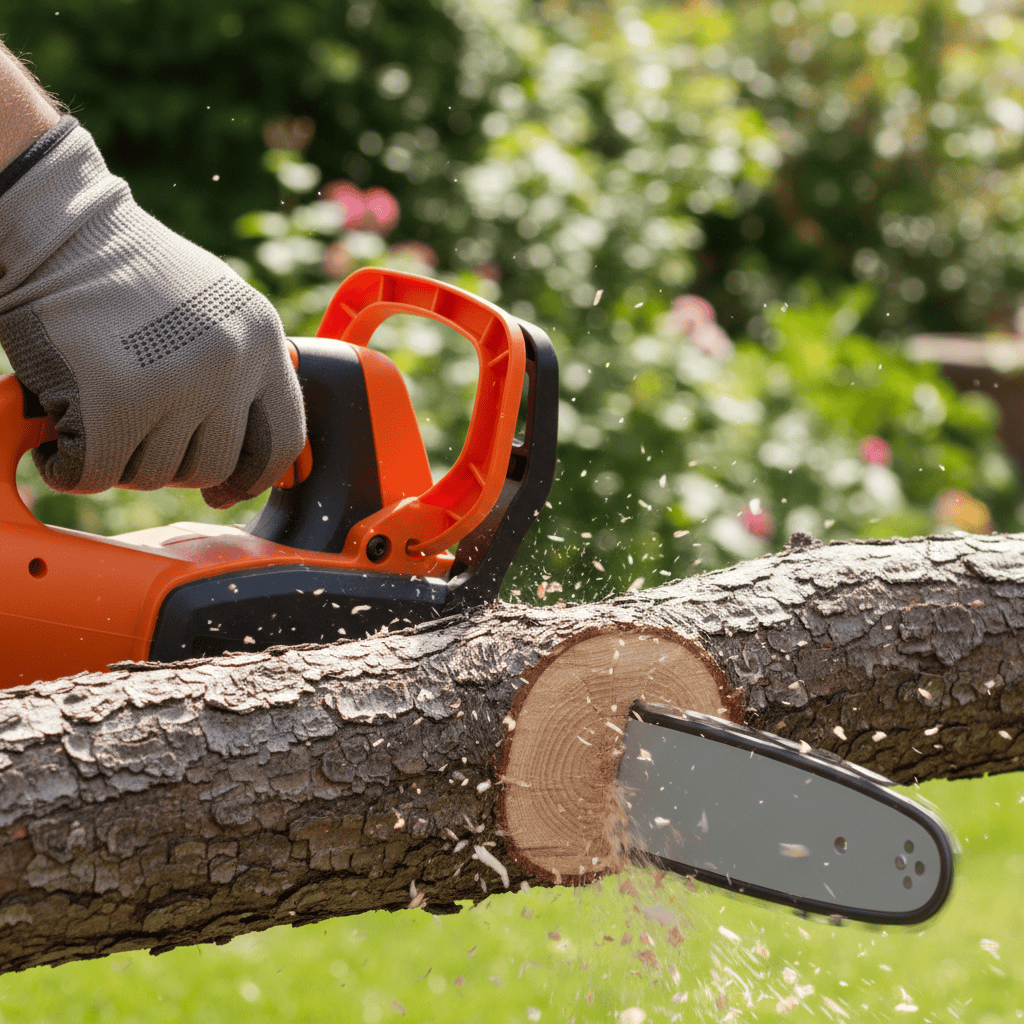
Yes, electric chainsaws are good—but specifically for residential and light-duty cutting tasks. They excel at pruning, limbing, and light-duty yard work, offering low maintenance, quiet operation, and consistent power delivery. However, they have significant limitations in runtime (cordless models) and cutting power compared to gas alternatives, making them unsuitable for heavy-duty professional work or extended cutting sessions. Their viability depends entirely on your specific use case: excellent for homeowners trimming branches and light pruning, but not ideal for commercial cutting or dense hardwood.
What Are Electric Chainsaws and How Do They Differ?
Electric chainsaws fall into two distinct categories: corded and cordless (battery-powered) models. Understanding this distinction is critical because their performance profiles differ significantly.
Corded Electric Chainsaws
Corded electric chainsaws plug directly into a standard electrical outlet via an extension cord. Key characteristics include:
- Unlimited runtime: As long as you have access to power, you can cut continuously
- Consistent power delivery: No battery degradation or power loss over time
- Lightweight operation: No heavy battery pack to carry
- Mobility limitation: Restricted by cord length (typically 50-100 feet with extension cord)
- Best for: Stationary yard work, trimming trees near the house, light-duty residential tasks
Cordless (Battery-Powered) Electric Chainsaws
Cordless models use rechargeable lithium-ion batteries, typically from manufacturer ecosystems (DeWalt, Makita, Milwaukee, etc.). Key characteristics include:
- Complete mobility: No cord limitations; work anywhere in your yard
- Runtime constraints: Typically 20-60 minutes per charge depending on battery capacity and cutting conditions
- Battery dependency: Performance degrades as battery discharges; requires charging between sessions
- Weight consideration: Battery pack adds significant weight compared to corded models
- Best for: Homeowners who prioritize freedom of movement and don’t need extended runtime
How Electric Chainsaws Differ from Gas Models
Electric chainsaws operate fundamentally differently from gas-powered alternatives:
| Feature | Electric Chainsaw | Gas Chainsaw |
|---|---|---|
| Power Source | Electricity (corded or battery) | Gasoline engine |
| Startup | Instant; press trigger or switch | Requires pull-cord or electric starter; warm-up time |
| Noise Level | 60-70 dB (relatively quiet) | 90-110 dB (very loud) |
| Maintenance | Minimal; no oil mixing, spark plugs, or seasonal prep | High; fuel mixing, spark plug replacement, seasonal storage procedures |
| Cutting Power | Adequate for light-duty work; lower peak torque | Superior cutting power; handles dense hardwood and thick logs |
| Runtime | Corded: unlimited; Cordless: 20-60 minutes | Typically 30-45 minutes per tank; refueling adds downtime |
| Emissions | Zero emissions; environmentally friendly | Produces emissions; environmental and air quality impact |
Electric Chainsaws vs. Electric Pole Saws
A common source of confusion: electric chainsaws and electric pole saws are different tools. Pole saws are lightweight, extended-reach tools designed for high-branch trimming and pruning. Chainsaws are full-size cutting tools for ground-level work. If you need to trim high branches, a pole saw is more appropriate; if you’re cutting logs or thick branches at ground level, a chainsaw is the right choice.
Performance Comparison: Electric vs. Gas vs. Manual Chainsaws
Cutting Power and Torque
Cutting power is where electric chainsaws show their primary limitation. Gas chainsaws typically deliver 3.5-6.5 horsepower, while electric models range from 2-4 horsepower equivalent. This translates to meaningful differences in real-world cutting:
- Electric chainsaws excel at: Branches up to 6-8 inches in diameter, softwoods, light pruning, limbing tasks
- Electric chainsaws struggle with: Dense hardwoods, logs thicker than 8-10 inches, extended cutting sessions requiring sustained power
- Gas chainsaws dominate: Professional-grade work, thick hardwood logs, extended commercial use, demanding cutting conditions
For residential homeowners trimming branches and maintaining their yard, electric chainsaw cutting power is typically sufficient. For commercial arborists or homeowners with significant firewood needs, gas remains superior.
Runtime and Battery Performance
Runtime is the critical constraint for cordless electric chainsaws:
- Standard battery (20V, 2-4Ah): 20-30 minutes of continuous cutting; adequate for light residential tasks
- Extended battery (20V, 5-8Ah): 40-60 minutes of continuous cutting; better for larger yards or multiple tasks
- Runtime variables: Actual runtime depends on cutting conditions, wood density, bar length, and battery age. Cutting thick hardwood reduces runtime significantly compared to light pruning
- Battery degradation: Lithium-ion batteries lose capacity over time; expect 10-15% capacity loss after 2-3 years of regular use
Corded electric chainsaws eliminate runtime concerns entirely—you can work as long as you need, provided you stay within cord reach of a power outlet.
Noise Levels
Noise is a significant practical advantage for electric chainsaws:
- Electric chainsaws: 60-70 dB (comparable to a lawn mower; conversation possible nearby)
- Gas chainsaws: 90-110 dB (extremely loud; hearing protection essential; disturbs neighbors significantly)
- Practical implication: Electric chainsaws allow early morning or evening yard work without disturbing neighbors; gas chainsaws are best used during midday hours
Consistency and Reliability
Electric chainsaws deliver more consistent performance than gas alternatives. Gas engines experience power fluctuations as fuel burns and spark plugs wear. Electric motors maintain steady, predictable power output until battery depletion (cordless) or throughout the entire session (corded). This consistency makes electric chainsaws easier to control and more predictable for inexperienced users.
Maintenance and Operating Costs
Maintenance Requirements
This is where electric chainsaws deliver substantial practical advantages:
- No fuel mixing: Gas chainsaws require precise 2-stroke fuel-oil ratios; electric models eliminate this entirely
- No spark plug replacement: Gas engines require seasonal spark plug maintenance; electric motors have no equivalent
- No seasonal storage procedures: Gas chainsaws require fuel stabilization and carburetor cleaning for winter storage; electric models simply require battery removal
- Minimal routine maintenance: Keep the chain sharp and properly tensioned; check for debris; occasional chain oil refilling
- No emissions concerns: Electric operation produces zero emissions; no environmental impact or air quality concerns
For homeowners who use chainsaws infrequently, this maintenance simplicity is invaluable. A gas chainsaw left unused for several months can develop fuel system problems; an electric chainsaw simply awaits the next use.
Operating Costs
Electric chainsaws have significantly lower operating costs:
- Electricity cost: Charging a cordless chainsaw battery costs approximately $0.10-0.30 per charge (varies by region and electricity rates)
- Gas cost: A full tank of gas typically costs $3-5 and provides 30-45 minutes of operation
- Oil and maintenance: Gas chainsaws require regular oil purchases and maintenance supplies; electric models have minimal consumables
- Battery replacement: Cordless electric chainsaw batteries typically cost $80-200 for replacement packs (varies by brand and capacity); replacement is needed every 3-5 years of regular use
For residential homeowners using a chainsaw 5-10 times per year, electric chainsaws deliver substantially lower total cost of ownership.
Where Electric Chainsaws Excel: Ideal Use Cases
Residential Yard Maintenance
Electric chainsaws are ideal for homeowners performing routine yard maintenance:
- Trimming dead branches from trees
- Limbing fallen branches after storms
- Pruning overgrown shrubs and small trees
- Cutting branches that interfere with power lines or gutters
- Light-duty seasonal yard cleanup
These tasks typically involve branches under 8 inches in diameter and don’t require extended runtime—perfect for electric chainsaws.
Low-Noise Requirements
Electric chainsaws are essential when noise is a concern:
- Urban or suburban neighborhoods with noise restrictions
- Early morning or evening yard work
- Properties near schools, hospitals, or noise-sensitive areas
- Situations where disturbing neighbors is a practical concern
The 30-40 dB noise reduction compared to gas models is transformative for these scenarios.
Low-Maintenance Preference
Homeowners who want minimal maintenance and maximum convenience benefit significantly:
- Infrequent users who don’t want to maintain fuel systems
- Older homeowners who struggle with gas engine startup procedures
- Users who dislike fuel mixing and spark plug maintenance
- Anyone prioritizing simplicity and reliability over maximum power
Where Electric Chainsaws Fall Short: Limitations and Constraints
Heavy-Duty Professional Work
Electric chainsaws are unsuitable for professional arborists and commercial cutting operations:
- Insufficient cutting power: Professional work often requires cutting logs 12+ inches in diameter; electric chainsaws max out around 8-10 inches
- Runtime limitations: Commercial jobs require 4-8 hours of continuous cutting; even cordless models with extended batteries can’t sustain this
- Durability concerns: Electric motors aren’t designed for the sustained, intensive use professional work demands
- Cost efficiency: For high-volume cutting, gas chainsaws deliver better cost-per-cut economics despite higher operating costs
Dense Hardwood and Thick Logs
Electric chainsaws struggle with demanding wood conditions:
- Dense hardwoods (oak, maple, hickory) require sustained cutting power electric motors can’t reliably deliver
- Thick logs (10+ inches) cause chain binding and motor strain on electric models
- Cutting through knots and dense grain patterns drains cordless batteries rapidly
- Gas chainsaws’ superior torque handles these conditions with less effort and faster cutting
Extended Cutting Sessions
If you need to cut continuously for 2+ hours, electric chainsaws present challenges:
- Cordless models: Require battery swaps or charging breaks; limits workflow and productivity
- Corded models: Cord management becomes cumbersome over extended distances; tripping hazard increases
- Gas chainsaws: Provide 30-45 minute runtime per tank; refueling is quick and allows continued work
Remote Locations Without Power Access
If you’re working far from electrical outlets or in off-grid locations, cordless electric chainsaws become impractical without multiple battery packs and a charging system. Corded models are impossible. Gas chainsaws are the only viable option for truly remote work.
Corded vs. Cordless Electric Chainsaws: Which Is Better?
Corded Electric Chainsaws: Advantages and Disadvantages
Advantages:
- Unlimited runtime; work as long as needed
- Consistent, unwavering power throughout operation
- Lightweight (no battery pack); less fatigue during extended use
- Lower cost; typically $100-250 for quality models
- No battery maintenance or replacement costs
- Instant startup; no warm-up or charging required
Disadvantages:
- Cord management required; limits mobility and creates tripping hazards
- Must stay within cord reach of power outlet (typically 50-100 feet with extension cord)
- Not suitable for remote or off-grid locations
- Cord can snag on branches or obstacles
- Power outlet availability limits where you can work
Best for: Homeowners with stationary yard work near the house; users who prioritize unlimited runtime over mobility; budget-conscious buyers.
Cordless (Battery-Powered) Electric Chainsaws: Advantages and Disadvantages
Advantages:
- Complete freedom of movement; no cord limitations
- Work anywhere in your yard without power outlet access
- Lightweight and maneuverable (compared to gas alternatives)
- Battery packs often compatible with other tools in the same brand ecosystem
- Quiet operation; minimal noise disturbance
- Zero emissions; environmentally friendly
Disadvantages:
- Limited runtime (20-60 minutes per charge)
- Battery degradation over time; capacity loss after 2-3 years
- Battery replacement costs ($80-200 per pack)
- Charging time between sessions (30-60 minutes typical)
- Heavier than corded models due to battery pack
- Power output decreases as battery discharges
Best for: Homeowners prioritizing mobility and convenience; users with moderate cutting needs; those who value quiet operation; people with multiple tools in the same battery ecosystem.
The Verdict: Corded vs. Cordless
Choose corded if you have unlimited runtime needs, work near power outlets, and prioritize consistent power. Choose cordless if you value mobility, quiet operation, and don’t need extended runtime. For most residential homeowners, cordless models offer the better balance of convenience and practicality, despite higher initial costs.
Safety and Noise Considerations
Safety Profile
Electric chainsaws offer several safety advantages:
- Instant stopping: Release the trigger and the chain stops immediately; gas engines require engine shutdown
- No fuel hazards: No gasoline spills, fumes, or fire risks associated with fuel storage and handling
- Easier control: Consistent power delivery and lighter weight (especially corded models) make chainsaws easier to control for inexperienced users
- Lower vibration: Electric motors produce less vibration than gas engines; reduces hand fatigue and improves control
However, electric chainsaws still require proper safety practices: eye protection, hearing protection (even at lower volumes), appropriate clothing, and proper grip techniques. The chain moves at identical speeds regardless of power source.
Noise Level Practical Impact
The 30-40 dB noise reduction is transformative for residential use:
- Electric chainsaws at 60-70 dB allow conversation at normal volume 3-4 feet away
- Gas chainsaws at 90-110 dB require hearing protection and make conversation impossible
- Early morning or evening yard work is practical with electric models; problematic with gas
- Neighbor relations improve significantly when using quieter equipment
For residential neighborhoods, this noise advantage alone justifies choosing electric over gas.
Frequently Asked Questions
How long do electric chainsaw batteries last?
Lithium-ion batteries in cordless electric chainsaws typically last 3-5 years with regular use before requiring replacement. Actual lifespan depends on charging habits, storage conditions, and usage frequency. Expect 10-15% capacity loss after 2-3 years, meaning a battery that originally provided 60 minutes of runtime might deliver 50-55 minutes after extended use. Proper storage (cool, dry location) and avoiding complete discharge extend battery life significantly.
Can electric chainsaws cut through thick logs?
Electric chainsaws can cut logs up to 8-10 inches in diameter, though performance degrades as thickness increases. Logs thicker than 10 inches cause chain binding, motor strain, and rapid battery depletion on cordless models. Dense hardwoods (oak, maple) are more challenging than softwoods (pine, fir). For serious firewood cutting or logs exceeding 10 inches, gas chainsaws deliver superior performance and reliability.
Are electric chainsaws worth the cost compared to gas?
For residential homeowners using chainsaws 5-10 times annually, electric chainsaws deliver better value. Lower maintenance costs, minimal operating expenses, and superior convenience offset higher initial purchase prices. For professional arborists or homeowners with extensive firewood needs, gas chainsaws provide better long-term value despite higher operating costs. Calculate your specific usage patterns and maintenance tolerance to determine which makes economic sense for your situation.
Can I use a corded electric chainsaw in the rain?
Most manufacturers recommend against using corded electric chainsaws in rain or wet conditions due to electrical safety risks. Check your specific model’s manual for weather guidance. If you must work in damp conditions, use a GFCI-protected outlet and ensure all connections are dry. Cordless models are generally safer in light moisture since they operate at lower voltages, but still require caution. When in doubt, wait for dry conditions.
The Bottom Line: Is an Electric Chainsaw Right for You?
Electric chainsaws are genuinely good tools—but specifically for defined use cases. They excel at residential yard maintenance, light-duty cutting, low-noise operation, and minimal maintenance. They fall short for heavy-duty professional work, extended cutting sessions, and dense hardwood processing.
Choose an electric chainsaw if you:
- Use a chainsaw fewer than 20 times per year
- Cut branches under 8 inches in diameter
- Live in a neighborhood with noise concerns
- Dislike fuel mixing and engine maintenance
- Prioritize quiet operation and environmental impact
- Have access to electrical outlets (corded) or battery ecosystem (cordless)
Choose a gas chainsaw if you:
- Cut regularly (20+ times annually)
- Process thick logs or dense hardwood
- Need extended runtime without charging breaks
- Work in remote locations without power access
- Perform professional or commercial cutting
- Prioritize maximum cutting power over convenience
For most residential homeowners, an electric chainsaw—particularly a cordless model—delivers the best balance of performance, convenience, cost, and practicality. The technology has matured significantly, and modern electric chainsaws are reliable, capable, and genuinely good at what they’re designed to do: residential yard maintenance and light-duty cutting.