Quick Answer: How to Dispose of Your Lawn Mower
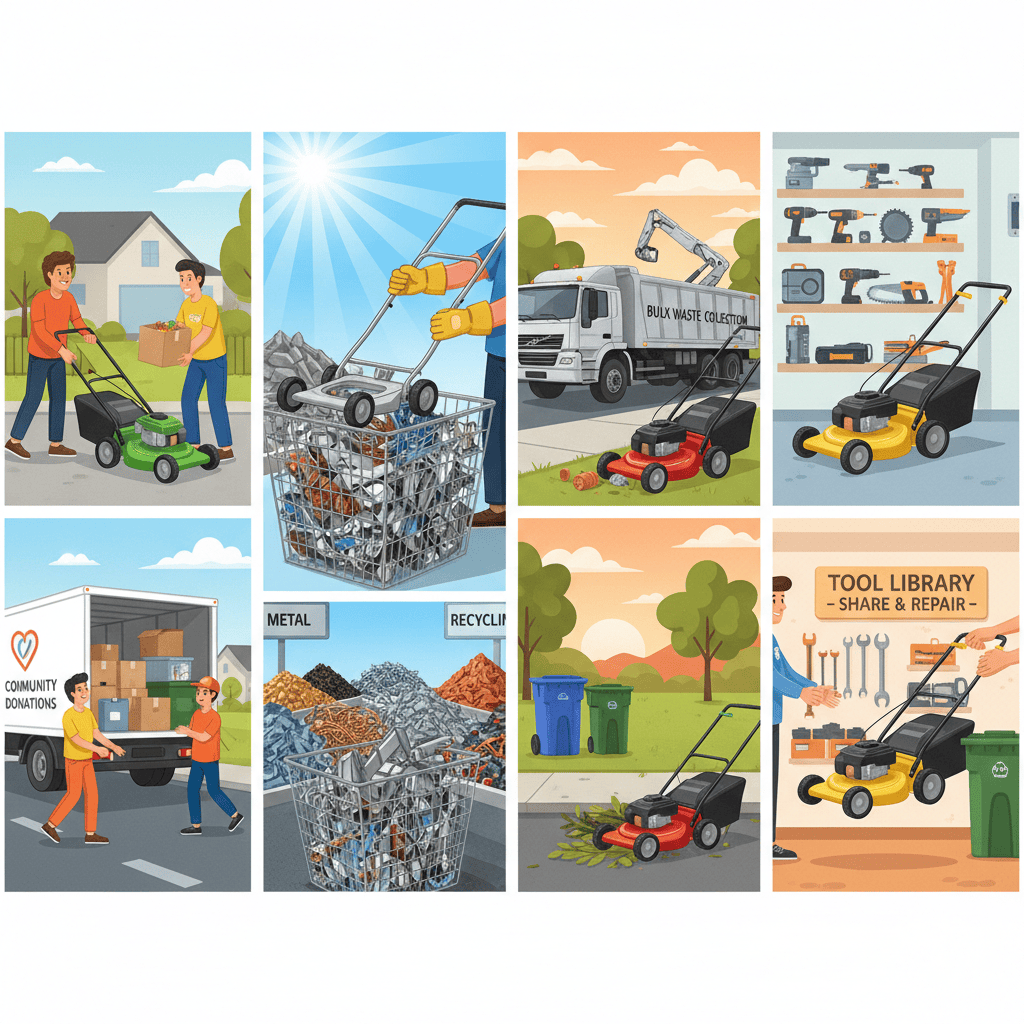
The fastest way to dispose of a lawn mower depends on its condition. If it still works, donate it to a local charity, tool library, or community group. If it’s broken, take it to a scrap metal recycler or municipal hazardous waste facility (especially important for gas-powered models). For convenience, hire a junk removal service. Gas mowers require proper fuel drainage before disposal.
Understand Your Lawn Mower Type & Condition
Before choosing a disposal method, assess your mower’s current state and fuel type. This determines which options are available and which are safest.
Is Your Mower Still Functional?
A working lawn mower has more disposal paths than a broken one:
- Functional mowers: Eligible for donation, resale, or trade-in programs. These options extend the mower’s life and may provide tax deductions.
- Non-functional or broken mowers: Must go to recycling centers, scrap yards, or hazardous waste facilities. Some may still have salvageable parts.
What Fuel Type Does It Use?
Fuel type affects disposal logistics and safety requirements:
- Gas-powered mowers: Contain gasoline and oil, classified as hazardous waste. Require fuel drainage and careful handling. Most municipal programs accept these at designated collection events.
- Electric corded mowers: Safest to dispose of; accepted by most recycling centers. No hazardous materials, though the motor contains recyclable metals and plastics.
- Battery-powered (cordless) mowers: The lithium battery is the key consideration. Some recycling centers accept these; others require battery removal first. Batteries alone can often be recycled through electronics recyclers.
Free & Low-Cost Disposal Options
These methods require minimal or no cost and are environmentally responsible.
Donate a Working Lawn Mower
If your mower runs well, donation is often the best choice:
- Goodwill and Salvation Army: Accept lawn mowers in working condition. They may offer free pickup for large items. You receive a tax deduction receipt based on fair market value.
- Local tool libraries and community workshops: Many communities operate tool-sharing libraries where lawn mowers are popular items. These programs extend equipment life and serve community members who can’t afford to buy.
- Churches, schools, and nonprofits: Often need lawn maintenance equipment. Contact local organizations directly to ask if they accept donations.
- Online platforms: Craigslist, Facebook Marketplace, and Nextdoor let you offer free or low-cost mowers to local takers. You avoid disposal costs and the buyer saves money.
Scrap Metal & Recycling Centers
Most lawn mowers contain valuable metals that recyclers accept:
- Search for “scrap metal recycling near me” or “metal recycling centers” online to find local facilities.
- Call ahead to confirm lawn mower acceptance. Some centers charge a small fee ($5–$25) or may pay for scrap metal depending on current market rates.
- Recyclers extract aluminum, steel, copper, and iron from the mower body and engine, reducing landfill waste.
- Ask whether you need to drain fuel and oil first; most recyclers require this for safety.
Bulk Waste Collection Days
Many municipalities schedule free bulk waste pickup days or ongoing collection programs:
- Contact your local solid waste department or visit your city/county website to find scheduled collection dates.
- Lawn mowers are typically accepted during bulk collection weeks. Set the mower at the curb on the designated day.
- Some areas require you to drain fuel and oil first; check local requirements.
- Call ahead to confirm lawn mowers are accepted; some jurisdictions have restrictions on gas-powered equipment.
Municipal & Hazardous Waste Programs
Gas-powered lawn mowers are classified as hazardous waste due to fuel and oil content. Municipal programs provide safe disposal.
Hazardous Waste Collection Events
Many cities host seasonal hazardous waste collection days:
- These events accept gas-powered equipment, batteries, and other hazardous materials for free or a small fee.
- Find your local program by searching “hazardous waste collection [your city]” or visiting your municipality’s environmental services website.
- Bring your mower drained of fuel and oil (see preparation steps below).
- Hours are often limited, so plan ahead and arrive early.
Year-Round Hazardous Waste Facilities
Some regions operate permanent drop-off locations:
- These facilities accept lawn mowers, batteries, and fuel-containing equipment year-round, often free of charge.
- Call ahead to confirm lawn mower acceptance and ask about operating hours.
- Bring the mower properly prepared (fuel and oil drained).
Preparing a Gas Mower for Disposal
Before taking a gas mower to any facility, follow these safety steps:
- Drain the fuel: Run the mower until the tank is empty, or use a hand pump to extract remaining gas into a certified fuel container. Never pour fuel down the drain.
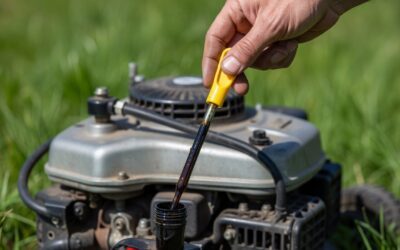
- Drain the oil: Tip the mower on its side and drain old oil into a container. Dispose of used oil at an auto parts store or recycling center—never pour it on the ground or in the trash.
- Remove the spark plug: Optional but recommended for safety during transport.
- Secure loose parts: Ensure the mower is stable and won’t tip during transport or handling.
Paid Removal & Junk Disposal Services
For convenience and hands-off disposal, professional services pick up your lawn mower directly.
Junk Removal Companies
Services like 1-800-GOT-JUNK, Junk King, or local providers offer quick pickup:
- Cost: Typically $75–$300 depending on your location, mower size, and service provider. Get multiple quotes.
- Process: Call or book online, schedule a pickup window, and the service removes the mower from your property.
- Transparency: Reputable companies explain how they’ll dispose of or recycle your mower.
- Convenience: Best for people without transportation or time to visit recycling centers.
Curbside Bulk Waste Programs
If your municipality offers curbside bulk pickup (separate from standard trash):
- Schedule a pickup online or by phone through your trash service provider.
- Place the mower at the curb on the scheduled day.
- Cost is often included in your trash service fee or available for a small additional charge ($25–$50).
- Verify that your service accepts lawn mowers and gas-powered equipment.
Manufacturer & Retailer Take-Back Programs
Some brands and retailers accept old lawn mowers as part of recycling initiatives.
Manufacturer Recycling Programs
Check your mower’s brand website for disposal options:
- Toro, Honda, Briggs & Stratton, and Husqvarna offer recycling information or partnerships with disposal facilities.
- Some manufacturers participate in programs where retailers accept old mowers when you buy a new one.
- Contact the manufacturer’s customer service department for specific guidance.
Retailer Trade-In & Recycling
Home Depot, Lowe’s, and specialty outdoor equipment stores sometimes accept old mowers:
- Trade-in discounts: Some retailers offer store credit toward a new mower purchase when you bring in your old one.
- Recycling partnerships: Ask whether they have relationships with local recyclers or disposal services.
- Call ahead: Programs vary by location, so confirm before visiting.
Preparation Steps Before Disposal
Proper preparation ensures safe and efficient disposal.
Safety & Documentation
- Take photos: If donating, photos help recipients assess condition.
- Gather the manual and warranty: Include these if possible; they’re helpful for donors or resellers.
- Clean the mower: Wipe off dirt and grass. This is courteous for donation and improves the facility’s handling experience.
- Note the fuel type: Tell the receiving facility whether it’s gas, electric, or battery-powered.
Transportation
- Secure the mower in your vehicle using straps or bungee cords to prevent shifting.
- If the mower has recently run, allow the engine to cool for 15–20 minutes before transport.
- Don’t transport a mower with fuel in the tank—drain it first.
- For battery-powered mowers, remove the battery if possible to reduce weight and hazard.
Documentation for Tax Deductions
If donating to a qualified charity:
- Ask for a receipt listing the item and estimated value.
- Document the mower’s condition, brand, model, and age.
- Use IRS Form 8283 (Section A) to claim the deduction on your tax return.
- Keep receipts and photos for your records.
Comparison: Which Disposal Method Is Right for You?
| Disposal Method | Cost | Effort | Best For | Environmental Impact |
|---|---|---|---|---|
| Donation | Free | Medium (drop-off or wait for pickup) | Working mowers; tax deduction seekers | Excellent (extends product life) |
| Scrap Metal Recycling | Free–$25 | Low (drop-off) | Broken mowers; metal recovery priority | Very Good (recovers materials) |
| Bulk Waste Collection | Free–$50 | Very Low (curbside pickup) | People with municipal service | Good (centralized disposal) |
| Hazardous Waste Facility | Free–$25 | Low (drop-off) | Gas-powered mowers; safety priority | Good (proper handling) |
| Junk Removal Service | $75–$300 | Very Low (full pickup) | Convenience seekers; no transportation | Fair (depends on service practices) |
| Retailer Trade-In | $0–Credit toward purchase | Medium (visit retailer) | Upgrading to new mower | Good (coordinated recycling) |
Frequently Asked Questions
Can I throw a lawn mower in the trash or dumpster?
No. Lawn mowers should not go in regular trash. Gas-powered models contain hazardous materials (fuel and oil) and are prohibited by law in most areas. Even electric mowers should be recycled to recover metals and prevent environmental contamination. Violating trash disposal rules can result in fines.
How much does it cost to dispose of a lawn mower?
Costs vary: donation and scrap metal recycling are free or offer small payouts; hazardous waste facilities charge nothing to $25; junk removal services cost $75–$300; bulk waste pickup may add $0–$50 to your bill. Donation is the cheapest and most rewarding option if your mower works.
What should I do with the fuel and oil before disposal?
Always drain fuel and oil before taking a mower to a recycling center or hazardous waste facility. Run the mower until the tank is empty, or use a hand pump to extract fuel. Drain oil by tipping the mower on its side over a container. Take used oil to an auto parts store; never pour it down the drain or throw it away.
Can I recycle a battery-powered lawn mower?
Yes. Most scrap metal recyclers and electronic waste centers accept battery-powered mowers. Some require battery removal first—call ahead to ask. Lithium-ion batteries can often be recycled separately through electronics recyclers, so ask if you can drop the battery at a different facility for proper handling.
Do I get a tax deduction for donating a lawn mower?
Yes, if you donate to a qualified charity (Goodwill, Salvation Army, registered nonprofits). Get a written receipt from the charity, document the mower’s condition and estimated fair market value, and file IRS Form 8283. Consult a tax professional for specific deduction amounts and eligibility.
Where can I find local recycling centers near me?
Search “metal recycling near me,” “hazardous waste disposal [your city],” or visit your city or county’s environmental services website. Call 2-1-1 (in the US) for local waste management resources. Earth911.com also maintains a database of recycling facilities by material type and location.