When Should You Start Mowing Your Lawn? The Direct Answer
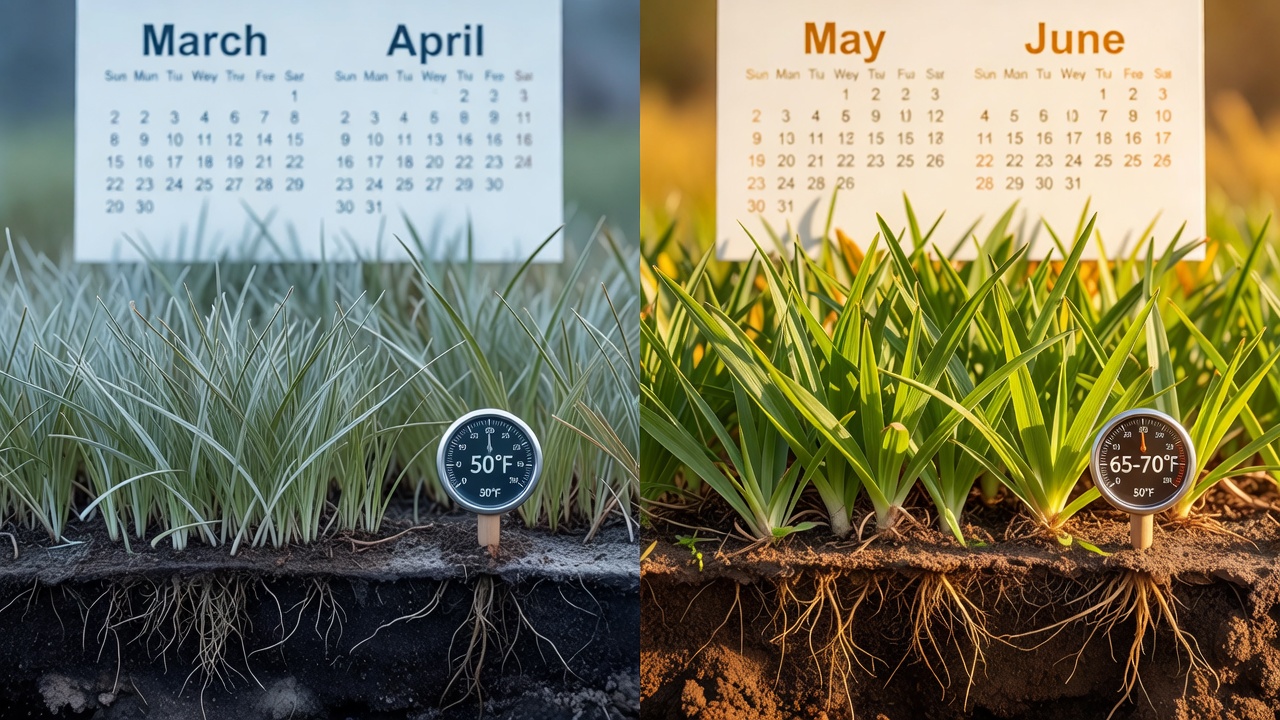
Start mowing your lawn when the grass reaches 3 to 4 inches in height and the soil is dry enough that mower wheels don’t sink or create ruts. For cool-season grasses in northern climates, this usually falls in early spring (March–April); for warm-season grasses in southern regions, the first mow typically happens in late spring (May–June). Soil temperature and moisture matter just as much as the calendar—mow only when the ground can support your equipment without damage.
Understanding Grass Growth Stages and Seasonal Timing
Before you can decide when to start mowing, you need to understand what kind of grass you have and how it grows. Grass species fall into two broad categories, and each follows a different seasonal growth pattern that dictates when mowing should begin.
Cool-Season vs. Warm-Season Grasses
Cool-season grasses—such as Kentucky bluegrass, perennial ryegrass, tall fescue, and fine fescue—thrive in the cooler temperatures of spring and fall. They grow most vigorously when soil temperatures sit between 50°F and 65°F and air temperatures range from 60°F to 75°F. In most northern and transitional climates, these grasses green up and begin active growth in early spring, often as soon as the snow melts and soil temperatures consistently reach about 50°F.
Warm-season grasses—including Bermuda grass, zoysia grass, St. Augustine grass, and centipede grass—prefer heat. They begin active growth when soil temperatures climb to 65°F to 70°F, which in southern climates typically happens in late spring. These grasses stay green through summer and go dormant (turn brown) in winter, so their first mowing of the year comes later than it does for cool-season lawns.
How Regional Climate Affects the Mowing Calendar
Your geographic location is the single biggest factor in when you start mowing. Lawns in the Northeast, Upper Midwest, and Pacific Northwest are dominated by cool-season grasses and typically need their first cut in March or April. Lawns in the Southeast, Gulf Coast, and Southwest are dominated by warm-season grasses and usually aren’t ready until May or June. The transitional zone—stretching from the mid-Atlantic through Tennessee and into Kansas—may have a mix of both, meaning homeowners should watch grass growth rather than rely on a fixed date.
Rather than following a calendar alone, watch your lawn. The moment it reaches the 3- to 4-inch threshold during its active growth period, it’s ready for its first mow.
What Soil Temperature Indicates Grass Is Ready to Mow?
Soil temperature is a reliable biological signal. For cool-season grasses, active growth begins when soil temperatures reach about 50°F at a depth of 2 to 4 inches. For warm-season grasses, the trigger is roughly 65°F. You can measure soil temperature with a simple soil thermometer, or you can watch for consistent air temperatures in the 60s for cool-season lawns and 70s for warm-season lawns over several consecutive days. When the grass is actively growing—not just green but visibly adding height—mowing readiness is close.
Key Factors That Determine When to Start Mowing
Timing isn’t just about the season. Several practical factors determine whether your lawn is truly ready for its first cut, and ignoring them can damage both the grass and your equipment.
Grass Height: The 3–4 Inch Rule
The most important readiness signal is grass height. Most lawn care experts recommend waiting until grass reaches 3 to 4 inches before the first mowing of the season. This height ensures the grass has developed enough root and leaf tissue to recover quickly from cutting. Mowing too early—when grass is only 1 to 2 inches tall—stresses young growth and can leave the lawn thin and patchy.
When you do mow, follow the one-third rule: never remove more than one-third of the grass blade height in a single mowing. If your grass is 4 inches tall, set your mower deck to cut at about 3 inches. If spring growth has gotten away from you and grass is 6 inches or taller, raise the deck for the first pass, then gradually lower it over subsequent mowings rather than scalping the lawn in one go.
Soil Moisture: Why Wet Ground Ruins a First Mow
Soil moisture is just as important as grass height. Mowing wet soil causes several problems. Mower wheels sink into soft ground, leaving ruts that compact the soil and damage grassroots. Wet grass clumps together, clogging the mower deck and leaving uneven piles of clippings that smother the lawn. Blades also tear wet grass rather than cutting it cleanly, leaving ragged tips that turn brown and invite disease.
How do you know if soil is too wet? Walk across the lawn. If your footprints leave visible impressions that hold water, the soil is too saturated to mow. If the mower wheels sink more than a quarter-inch into the ground, wait a few days. The ideal condition is soil that is moist but firm—damp enough to support healthy growth, dry enough that equipment passes without leaving marks.
Soil Compaction and Drainage
Soil that stays soggy long after rain indicates poor drainage or compaction. If your lawn routinely holds water in spring, consider aerating before the growing season begins. Aeration removes small plugs of soil, reducing compaction and improving drainage so the lawn dries faster and roots grow deeper. Mowing a waterlogged lawn not only damages grass but also accelerates compaction, creating a cycle that gets worse each spring.
Spring Mowing: Regional Timing Guidelines
While grass height and soil conditions are the ultimate deciding factors, regional guidelines help you know roughly when to start checking your lawn. Use these windows as a starting point, then confirm readiness with the height and moisture tests above.
Northern Lawns (Cool-Season Grasses)
In the Northeast, Upper Midwest, and Pacific Northwest, the first mowing of the year typically happens between mid-March and mid-April. In colder pockets where snow lingers into April, the first mow may slip to early May. The key is that the lawn must have fully greened up and begun active growth. A lawn that is still patchy, dormant, or just emerging from snow is not ready, regardless of the date.
Southern Lawns (Warm-Season Grasses)
In the Southeast, Gulf Coast, and desert Southwest, warm-season grasses break dormancy later. The first mowing usually falls between May and June, once soil temperatures have warmed into the 65°F to 70°F range. In deep southern Florida and parts of the Gulf Coast where winters are mild, some warm-season grasses never fully go dormant, and light mowing may be needed year-round—though growth slows noticeably in winter.
Transitional Zone Lawns
The transitional zone, spanning the mid-Atlantic, Ohio Valley, and parts of the Plains, is the trickiest region. Lawns here may contain both cool-season and warm-season species. Cool-season grasses will green up and need mowing in early spring, while warm-season grasses in the same lawn won’t start growing until late spring. In these lawns, mow when the cool-season grass reaches 3 to 4 inches, then adjust the schedule as warm-season grass takes over in summer.
Preparation Before the First Mow
Before your first mowing of the season, take a few minutes to prepare both the lawn and your equipment. Inspect the mower: check the oil, sharpen or replace the blade, and clean the deck. A sharp blade makes a clean cut that heals quickly; a dull blade tears grass and leaves it vulnerable to disease. Walk the lawn to remove sticks, rocks, and winter debris that could damage the mower or become projectiles. If the lawn has heavy thatch—a layer of dead organic matter thicker than half an inch—consider dethatching before the first mow so the mower can reach the soil surface and clippings can break down properly.
Pre-Mowing Lawn Assessment Checklist
Use this practical checklist to evaluate whether your lawn is ready for its first mow. If you can answer yes to every item, it’s time to start.
- Grass height: Is the grass at least 3 inches tall across most of the lawn? Measure in several spots, not just the fastest-growing patch.
- Active growth: Has the lawn fully greened up and started visibly growing? Dormant, brown, or patchy lawns aren’t ready.
- Soil firmness: Do your footprints disappear quickly? If footprints remain or fill with water, the ground is too wet.
- Dry grass: Is the grass itself dry to the touch, with no morning dew or recent rain on the blades? Mowing wet grass clogs the deck and tears blades.
- Mower readiness: Is the mower blade sharp and the deck clean? A dull blade is the most common cause of ragged, brown-tipped grass after the first mow.
- Debris cleared: Have you removed sticks, stones, and winter debris that could damage the mower or be thrown?
How to Measure Grass Height Accurately
Don’t eyeball grass height. Use a ruler or a lawn height gauge. Measure from the soil surface to the tip of the grass blade, not including seed heads. Take measurements in several locations, including shady spots where grass grows slower and sunny spots where it grows faster. The lawn is ready when the majority of it reaches the 3- to 4-inch range—not just the tallest patches.
Signs That Soil Is Too Wet or Compacted
Beyond footprints, watch for standing water in low spots, a spongy feel underfoot, or a mower that leaves visible wheel tracks even when the grass is dry. If the soil is compacted, you may also notice shallow roots, thinning grass, or water pooling after rain. Address these issues with aeration before the season’s first mow, and avoid mowing until the ground firms up.
Should You Fertilize Before or After the First Mowing?
In most cases, the first mowing should come before the first spring fertilization. Mowing first removes winter debris and old growth, allowing fertilizer to reach the soil and new grass blades to absorb nutrients efficiently. Apply a slow-release nitrogen fertilizer after the first mow, once the lawn is actively growing. Avoid fertilizing too early in spring, especially for cool-season lawns, because early nitrogen feeding can encourage lush top growth before roots are ready to support it, and it can stress the lawn during late-spring heat.
Special Considerations: New Lawns, Dormant Grass, and Transitions
Not every lawn follows the standard spring schedule. Newly seeded lawns, lawns coming out of winter dormancy, and lawns transitioning between seasons all have unique timing requirements.
When Do Newly Seeded Lawns Need Their First Mowing?
A newly seeded lawn needs a different timeline. Wait until the new grass reaches about 3.5 to 4 inches—taller than an established lawn—before the first mow. This extra height gives the young roots time to establish. Set the mower deck high for the first cut, removing no more than one-third of the blade height, and make sure the soil is firm enough to support the mower without pulling up young seedlings. For newly sodded lawns, wait about two to three weeks, or until the sod has rooted firmly enough that it doesn’t lift when you tug gently on the grass.
How Dormant Lawns Transition to Active Growth
Dormant grass—whether from winter cold or summer heat—should never be mowed aggressively. As a dormant lawn transitions to active growth, it may look brown and lifeless at first, then green up unevenly. Wait until the majority of the lawn has greened and begun growing before the first mow. Mowing dormant grass can scalp it, expose the crown of the plant, and delay recovery. If you must mow a dormant lawn to keep it tidy, raise the deck significantly and remove very little growth.
What Happens If You Mow Too Early in Spring?
Mowing too early in spring causes several problems. Grass that hasn’t fully emerged from dormancy is weak, and cutting it stresses the crown and roots. Mowing wet, cold soil compacts the ground and creates ruts that persist all season. Cutting grass too short—scalping—removes the leaf surface the plant needs for photosynthesis, slowing recovery and inviting weeds and disease. In the worst cases, mowing too early can stunt the lawn for the entire growing season, requiring overseeding to repair. Patience is the cheapest lawn-care tool you own.
Transitioning Between Seasons
As spring turns to summer, cool-season grasses slow down and warm-season grasses speed up. Adjust your mowing height accordingly: raise the deck slightly for cool-season grasses in summer heat to shade the roots, and keep warm-season grasses at their recommended height for your species. The first mow of the season sets the pattern, but the transition months are when you fine-tune your approach.
Frequently Asked Questions
Is it better to mow in the morning or afternoon for the first cut?
Mow when the grass is dry and the soil is firm, which usually means the late morning to early afternoon, after dew has evaporated but before the hottest part of the day. Mowing wet morning grass clogs the mower and tears blades, while mowing in extreme afternoon heat stresses both you and the grass. If your schedule only allows early morning, wait until the dew has dried.
How short should I cut the grass on the first mowing of spring?
Set your mower deck to leave grass about 3 inches tall for most cool-season grasses and 1.5 to 2.5 inches for most warm-season grasses, depending on species. Never remove more than one-third of the blade height in a single pass. If the grass has grown taller than 4 inches, raise the deck for the first pass and lower it gradually over the next few mowings.
Can I mow my lawn if there is still frost in the ground?
No. Mowing frozen or frost-covered ground damages grass crowns and compacts cold, wet soil. Wait until the ground has thawed, the soil has firmed up, and the grass has begun active growth. In northern climates, this usually means waiting until daytime temperatures are consistently above freezing and the top few inches of soil have thawed.
What should I do if my lawn grew very tall over the winter?
If spring growth has left the lawn significantly taller than 4 inches, don’t try to cut it all at once. Mow with the deck raised to its highest setting, removing just the top third of the blades. Wait a few days, then mow again at a slightly lower setting. Repeat this gradual lowering over several mowings until you reach your target height. Scalping an overgrown lawn in one pass shocks the grass and leaves it vulnerable to weeds and disease.